As the incidence of NFL player concussions went back up last year after a sharp reduction in 2024, the league believes it’s found a potential factor: face masks.
Helmet technology around the league is advancing at an accelerating rate. Prior to the 2025 season, the NFL banned seven helmet models and moved three others to a “not recommended” category, with all 10 having previously been deemed top performers as recently as 2022.
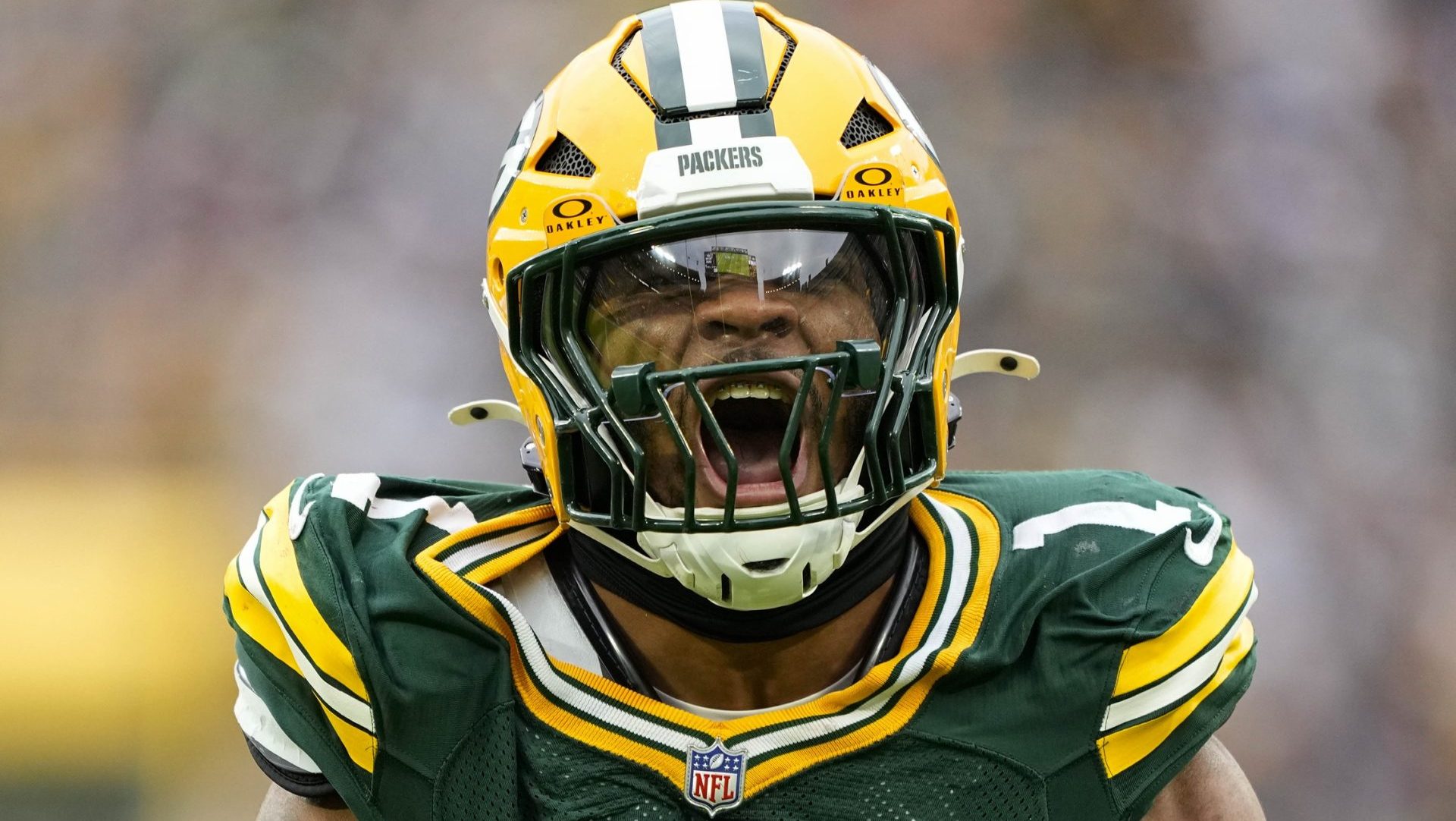
That trend will continue in 2026 as about 12% of active players will be moved from newly non-compliant helmets, while force-absorption technology of all helmets advances further. Improvements in face-mask design, however, have not kept pace with what’s happening in helmets. In particular, the NFL found 44% of in-game concussions were related to face-mask impacts, up from 29% in 2015.
“We’ve seen substantial improvements in the helmet shells over the last few years, but we have not seen a similar improvement in face masks in their ability to deter some of these concussions,” NFL EVP Jeff Miller said at the league’s annual meeting this week in Arizona. “So when we have concussions on the field from helmet contact, a greater percentage of them are happening on hits right to the face masks, and that piece of equipment does not have the same sort of force mitigation properties as the rest of the helmet.”
Overall, the NFL had 168 concussions during games in the 2025 season, up 30% from the 129 in the 2024 campaign. The implementation of the dynamic kickoff, which has more than doubled the number of kick returns compared to 2022, was also a key factor. With that increased contact on the field, the NFL is taking a fresh look at its player equipment.
Because of that, the NFL unveiled a global crowdsourced challenge to help develop new approaches for face masks before Super Bowl LX.
“We’re looking for new ideas, and hopefully that will lead to further changes on how the helmet actually works,” Miller said.
Unions Supporting Unions
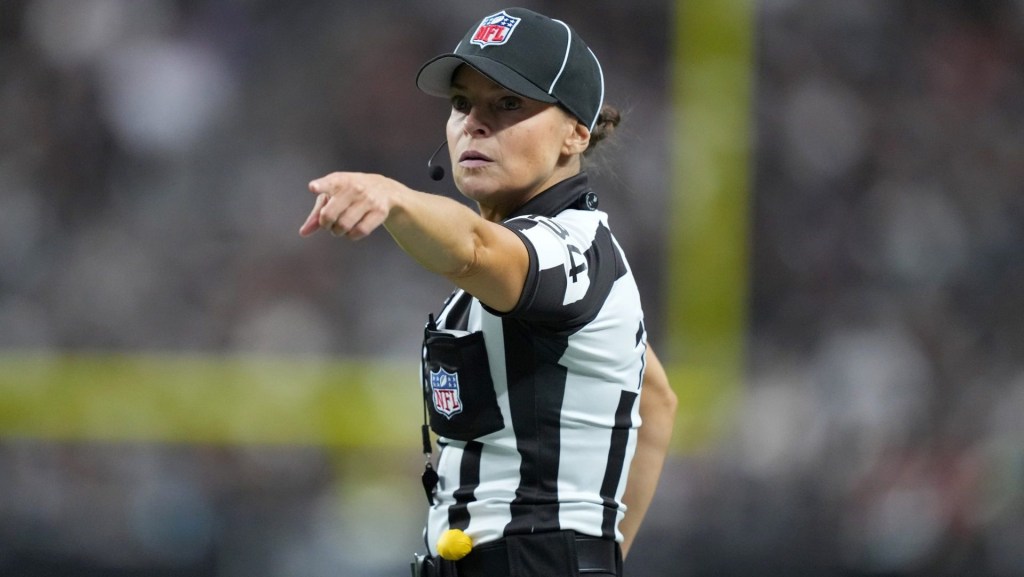
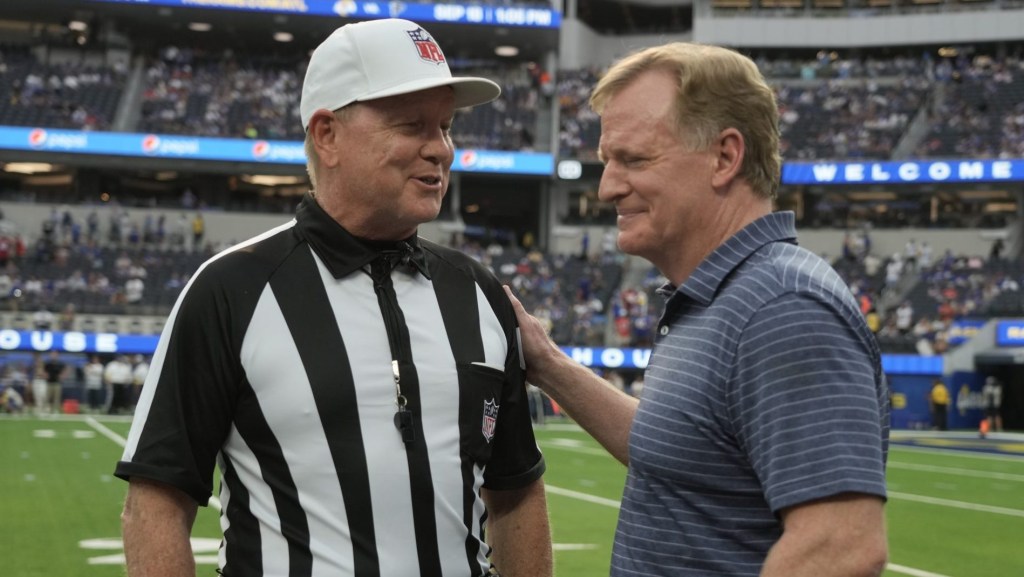
On a different facet of player safety, the NFL Players Association came out strongly on Wednesday in support of the NFL Referees Association, which is in the midst of a protracted labor dispute with the league. Team owners this week approved a provision in which the NFL officiating department can consult with replacement officials, should they be needed because of the NFLRA situation.
The players, however, said the potential use of replacement officials threatens their wellness. If the NFL does use replacements, that personnel will likely come from smaller colleges, where the level of play is slower than in the NFL and the rules are different. The union, in particular, took sharp aim at the rising influence of the NFL central office in New York in real-time game management—something that is emerging beyond just the situation with the referees.
“Player safety requires trained professional officials on the field,” said newly appointed NFLPA executive director JC Tretter in a statement. “They manage the game in real time, enforce the rules, and stop situations from escalating. That can’t be replaced by less experienced crews or handled remotely. If player safety truly matters, trained professional officials on the field are not negotiable.”