The NFL feels a heightened need for a contingency plan with its developing effort to use replacement officials during the upcoming 2026 season.
The league remains squarely at odds with the NFL Referees Association on a new collective bargaining agreement to replace the one expiring in May. To protect against a potential work stoppage, the league’s competition committee is putting forward a proposal at next week’s annual meeting in Phoenix that would allow the NFL officiating department to correct clear and obvious calls missed by replacement on-field officials “that impact the game.”
The provision, relying on instant replay, will only come into play if the league and NFLRA fail to reach an agreement, a work stoppage ensues, and replacements are brought in from smaller colleges—a situation that increasingly looks likely.
“We’re in the ‘make-sure-the-game-can-go-on’ business if we’re stuck in the position that we’re currently heading towards,” Rich McKay, NFL competition committee co-chair, said Wednesday about the preparations for potential replacement officials. “We’re going to have new officials that haven’t officiated NFL games, with a little bit of a different set of rules in certain areas. … We just were trying to go into ‘What areas could we help them?’”
Passage of the proposed rule change will require support from at least 24 of 32 team owners.
The labor talks between the league and NFLRA have centered on a variety of issues, including the standards used to measure referee performance and the length of the probationary period for new officials. Negotiating progress, however, has been minimal.
“Discussions have not gone as quickly as we’d like,” NFL EVP Jeff Miller said. “We haven’t gotten to where we’d like to go.
“We’ve worked on negotiations with them for going on two years at this point. We believe that there’s an opportunity here to improve our officiating and improve the performance and improve the accountability around it. And we will pay for performance. That’s not the issue. And we’ll continue to drive that point with our officials. And hopefully, they’ll be willing to engage with us on those terms as we get close to the [contract] expiration,” Miller said.
Bad Precedent
The NFL last used replacement officials in 2012. Back then, the league used lower-level college and minor pro league officials during a 110-day lockout of the NFLRA.
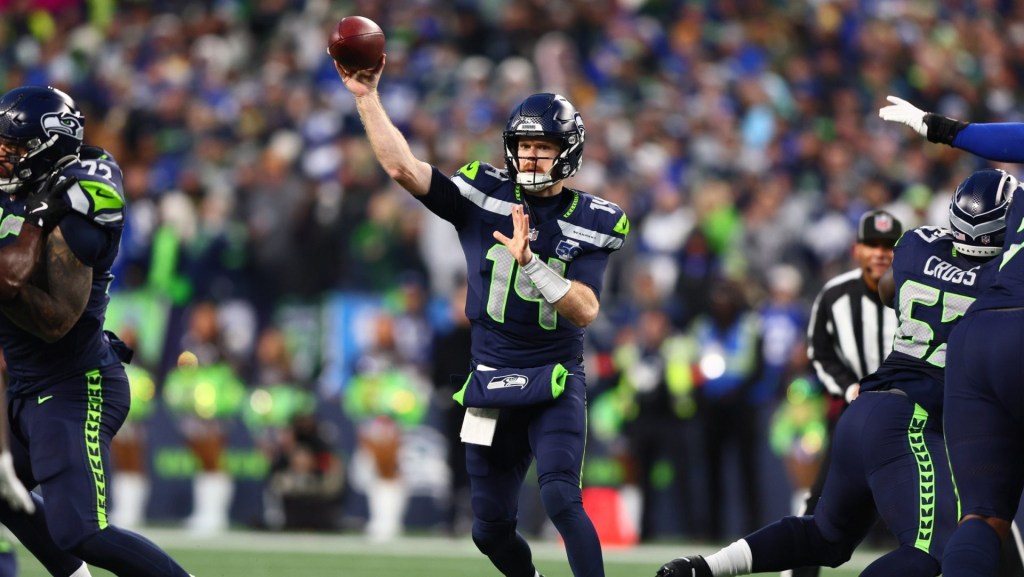
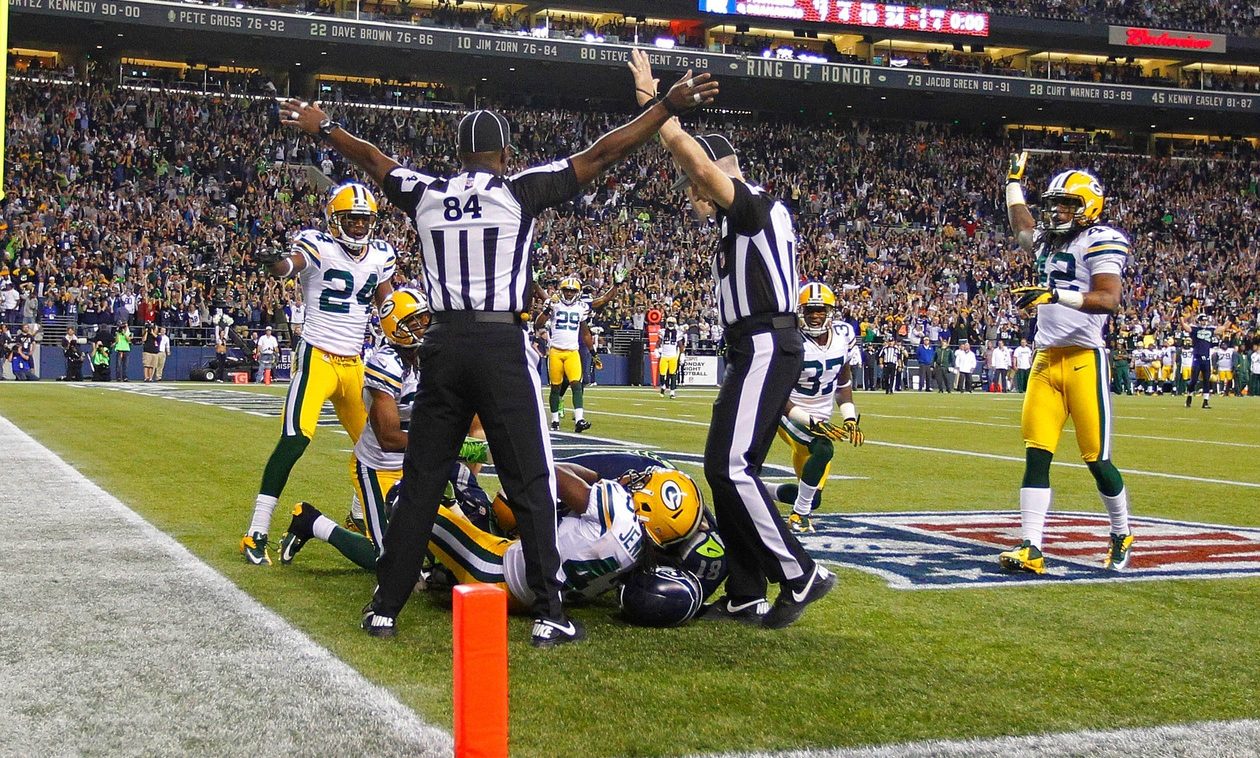
Most notably, that period included the infamous “Fail Mary” game in which a Week 3 contest on Monday Night Football between the Packers and Seahawks ended in a Seattle game-winning touchdown that the league later conceded involved an uncalled offensive pass interference penalty. Had that penalty been called, it would have ended the contest in a Green Bay victory. Instead, the Seahawks’ touchdown also included two referees standing right next to each other, making opposing calls on the play.
Two days after that game, the NFL and NFLPA reached a deal, and league commissioner Roger Goodell acknowledged that the widespread attention “may have pushed the parties further along” toward the agreement. The Packers’ loss also helped lead the team to being the No. 3 seed in the 2012 playoffs instead of the No. 2 seed with a first-round bye. Green Bay then lost on the road to San Francisco in the divisional playoffs.
Miller, however, sees some fundamental differences compared to then, particularly around the significant advancement of instant replay technology over the last 14 years.
“We have many more tools in the toolbox compared to 2012,” Miller said. “[The consultation with replacement officials] is another one to put in there.”