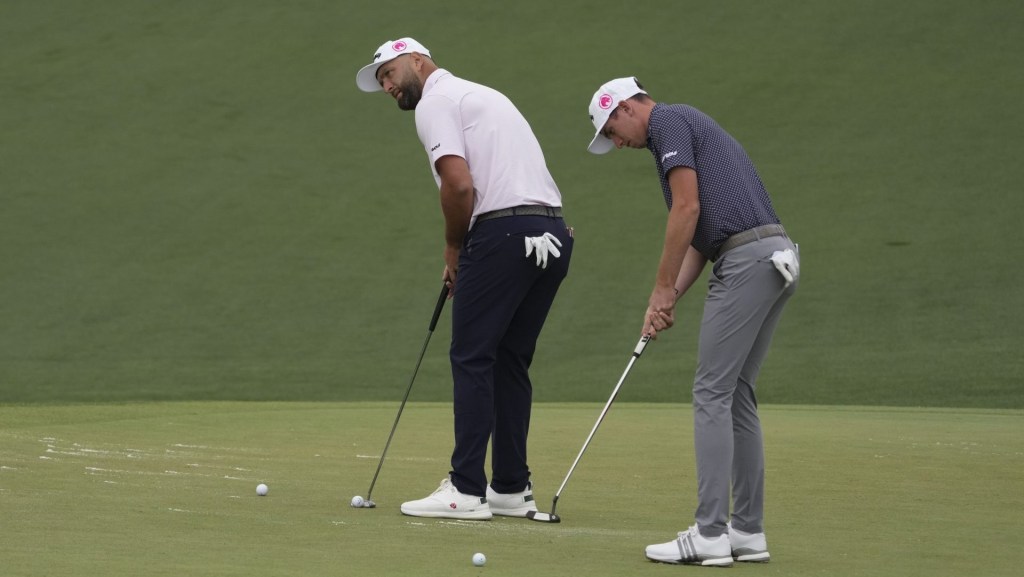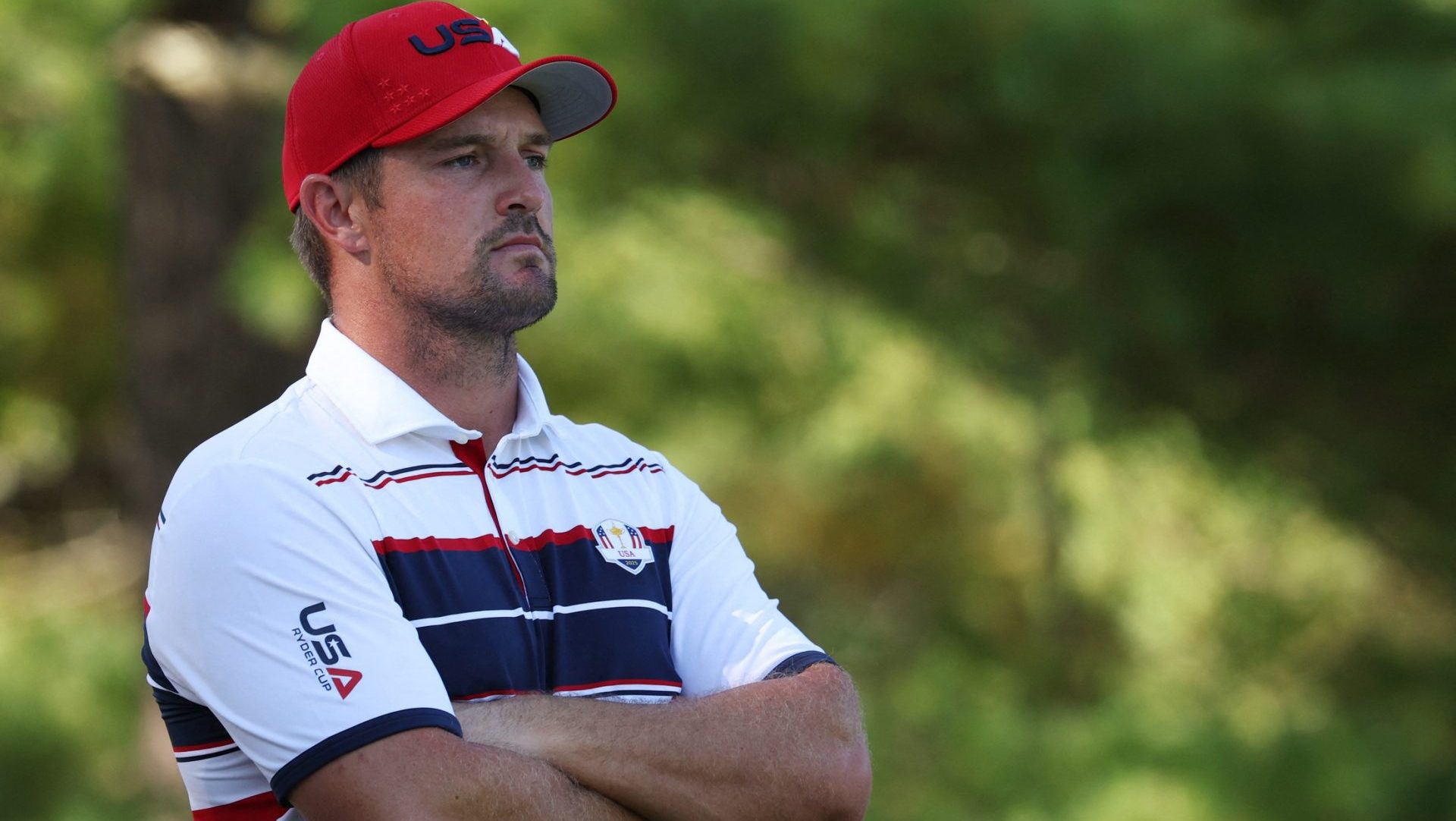
When Bryson DeChambeau announced his deal with Kalshi on Wednesday, he was the most prominent athlete yet to endorse a prediction-market company.
Don’t expect a flood of imitators, though. NFL and PGA Tour players remain banned from endorsing prediction markets.
The LIV golfer’s deal is not the first foray by a sports entity into prediction markets. The NHL is partnered with both Kalshi and Polymarket, and Kalshi and Polymarket have individual deals with the Blackhawks and Rangers, respectively. Polymarket also has an agreement with UFC.
Other leagues aren’t ready to get in on the fun, however. The NFL said over the summer that it views prediction markets as akin to sportsbooks but with less oversight, a stance commissioner Roger Goodell reaffirmed in December. The NFL’s concerns include the lack of a sufficient regulatory framework, plus possible integrity issues.
The league’s view extends to potential deals between prediction-market platforms and NFL players.
“The NFL views prediction markets as gambling entities, so players are not allowed to be an endorser or brand ambassador for a company like Kalshi or Polymarket under the gambling policy,” an NFLPA spokesperson tells Front Office Sports.
A source familiar with the NFL’s thinking tells FOS this has been “communicated to players” through “regular channels and updates.”
Eagles running back Saquon Barkley is an investor in Polymarket but not an endorser.
LIV’s primary rival, the PGA Tour, is also not prepared to join in on the prediction-market parade. “Currently, this is not an approved category,” a Tour spokesperson tells FOS.
Prediction markets have caused controversy because their sports event contracts appear so similar to traditional sports betting, but without the same level of regulation. Sports betting companies are regulated on a state-by-state basis and must go through an onerous process to become licensed, while Kalshi and others have “self-certified” at the federal level, where they argue the Commodity Futures Trading Commission has jurisdiction. Several states and consumers are suing the prediction companies, arguing that they are operating illegal, unlicensed sportsbooks.
NCAA president Charlie Baker has also railed against the rise of prediction markets, and on Wednesday called on the CFTC to “pause all college sport offerings in prediction markets until the agency implements appropriate regulations.”
An NCAA spokesperson did not comment on whether college athletes could do NIL deals with prediction-market companies; the governing body has struggled to enforce many rules in recent years amid numerous lawsuits.
The Coalition for Prediction Markets, which includes Kalshi, Crypto.com, Robinhood, Coinbase, and Underdog, issued a statement in response to Baker.
“We look forward to engaging with President Baker and the NCAA to codify safe, fair, and transparent guardrails that protect players and consumers,” the statement said. “While we may not agree with the most sweeping approaches, we do believe we can find common ground that keeps fans protected and the market accountable – without pushing users toward unregulated, offshore alternatives.” (The “unregulated, offshore” dig is a reference to Polymarket, which was banned from the United States for years until Donald Trump returned to office.)
In August, MLB sent a memo directly instructing players not to trade on any baseball-related event contracts on prediction-market platforms, saying doing so would be a violation of its longstanding sports betting policies. The league did not respond to a request for comment on whether players would be allowed to enter into endorsement deals with prediction-market companies.
The NBA has also expressed concern in the past about the lack of regulation around prediction markets and potential harm to the integrity of games. There is no specific policy prohibiting NBA players from endorsing prediction markets, a person familiar with the matter tells FOS. However, players would not be allowed to promote NBA-related event contracts, the person said. That’s similar to how the NBA treats regulated sports betting—LeBron James has a deal with DraftKings, for example, but he mostly promotes football. The NBA was not immediately available to comment.
A spokesperson for the WNBA did not respond to a request for comment, and representatives for MLS and the NWSL declined to comment.