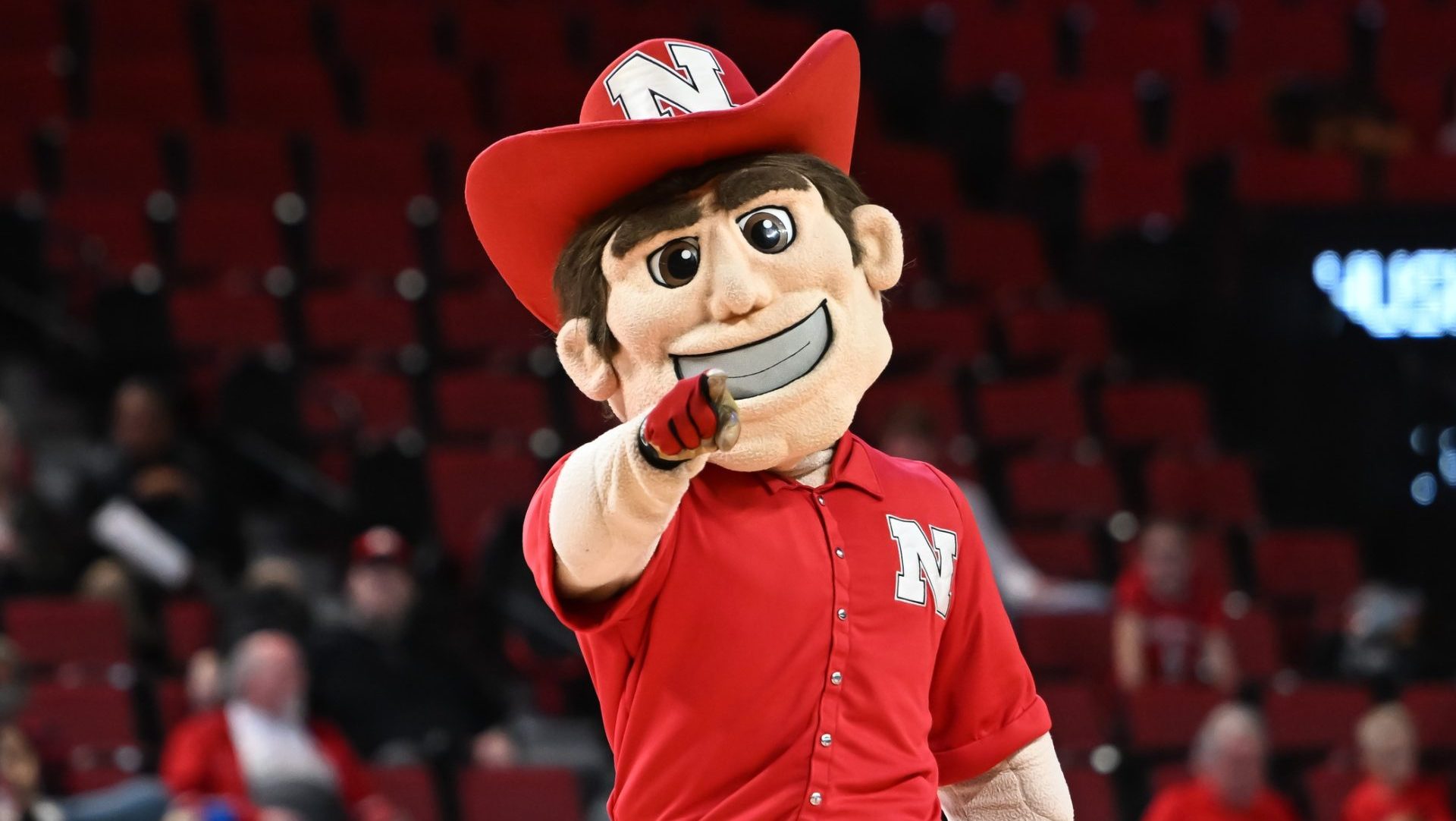
Athletes at the University of Nebraska are among those the College Sports Commission recently opened NIL investigations into, Front Office Sports has learned.
In January, the College Sports Commission informed Nebraska that it had launched an inquiry into Huskers athletes, specifically regarding whether they had failed to report NIL (name, image, and likeness) deals into the NIL Go system, according to an email thread between CSC and athletic department officials obtained by FOS.
The College Sports Commission, which was created to enforce the rules of the House v. NCAA settlement, has said that it has launched several inquiries into potential rules violations related to unreported NIL deals. The rules now require that all Division I athletes submit all NIL deals above $600 for scrutiny and approval through a software called NIL Go. CSC employees and external lawyers then review the deals to ensure they represent fair market value for a valid business purpose, rather than pay-for-play in disguise.
On Jan. 15, CSC head of investigations Katie Medearis emailed Nebraska athletic director Troy Dannen, notifying him that “the College Sports Commission is investigating whether members of one of your institution’s sports teams failed to report one or more third-party Name, Image, and Likeness (NIL) deals in accordance with applicable rules.” The email then requested that Dannen and a member of his compliance team schedule a brief phone call with members of the CSC.
Two weeks later, on Jan. 29, Nebraska’s senior associate athletic director for compliance Patty Peterson wrote to CSC officials that two athletes—whose names were redacted—had submitted additional details into NIL Go. “There was confusion by both student-athletes about the exact timing of certain deals and/or payments received for those deals and whether they triggered post-House settlement disclosure requirements,” Peterson wrote, adding that an unnamed athlete “is working on submitting one more deal as soon as [redacted] can track down the contract.”
After confirming that the players had, in fact, submitted “numerous additional deals to NIL Go,” CSC senior investigator Shawn Vorndran asked whether players had another deal with a company that was also redacted. Huskers associate athletic director for administration, Jonathan Bateman, confirmed the deals existed and had been submitted.
It is unclear whether the inquiry has been completely resolved. Representatives for Nebraska athletics did not immediately comment.
A CSC representative in a statement to FOS said, “As previously indicated, the CSC has reached out to several schools to inform them of investigations into unreported NIL deals. We will not comment further at this time.”
Nebraska is the second school to be identified as part of this initial wave of inquiries, which the CSC has said were related to deals that were not reported through the NIL Go system. The Athletic previously reported an athlete at LSU, who did not play football, was one of the players being investigated—though that inquiry was resolved without punishment.
The Nebraska email thread, which was obtained through a public records request, sheds light into how the CSC is conducting these investigations specifically with regards to athletes who have not submitted deals. In the case of Nebraska athletes, it appears the CSC resolved issues with the lack of reporting rather than hand down punishments to the players and their schools. That was also reportedly the case with LSU.
While the CSC is conducting this first round of investigations, it is also beefing up its investigative department. The organization is hiring for multiple roles, FOS reported two weeks ago, offering hundreds of thousands of dollars to hire attorneys, former law enforcement officials, and supporting analysts.
The job postings and investigations come at a time when the CSC’s enforcement power is unclear, however. Schools still have not signed the participant agreement drafted by power conference commissioners to bind schools to the terms of the settlement and the CSC’s investigative and enforcement protocols.