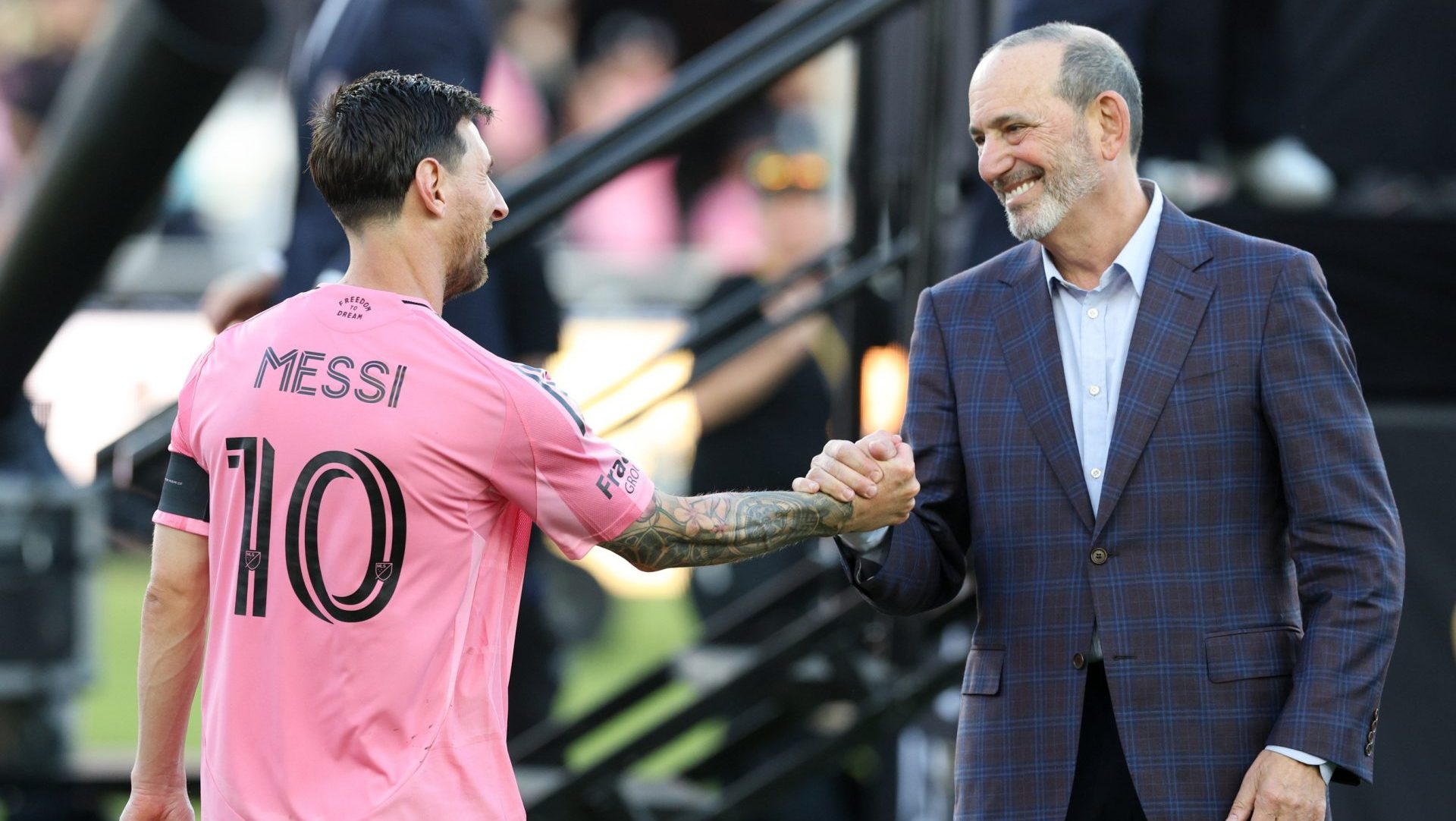
As Inter Miami rose from the ashes last weekend to claim its first Major League Soccer title, the league is now increasingly open to adopting a structure that could permit even more dramatic climbs.
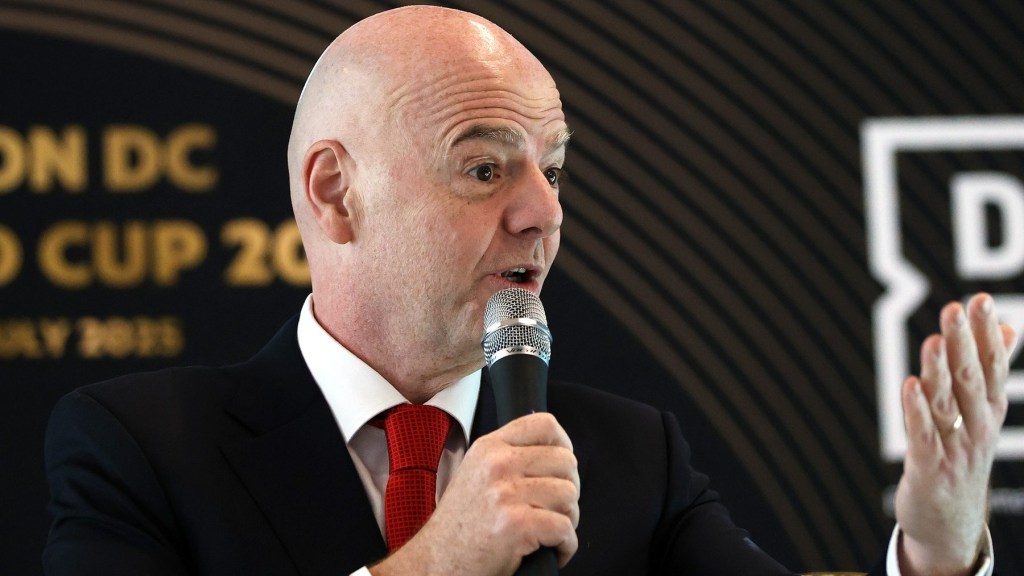
MLS commissioner Don Garber, as part of his state-of-the-league address last week in Washington, D.C., said he has a more open mind toward potentially implementing promotion and relegation. The system in which teams can move up and down among various levels of play has long been a fundamental component of soccer league structures around the world, but MLS historically has been lukewarm at best about the topic.
The expanded thinking closely follows the major MLS vote last month to adopt a fall-to-spring schedule, further aligning the league with the rest of global soccer.
“Back in the day, I would say, ‘Never.’ Today, there’s no real point of saying never, because I don’t know what the future would like,” Garber said of potentially adopting promotion and relegation. “I certainly never thought we would adapt to the international calendar.”
A key impediment in the U.S. to promotion and relegation has been the public money that often goes into stadium development. Cities and states contributing taxpayer money for new facilities have often insisted that the team in question stays in their league and also doesn’t relocate—with those terms written into the formal contracts to help safeguard their investment.
Garber, however, said the ongoing development of lower levels of soccer is helping advance a new mindset on the topic.
“Maybe as the development of the lower divisions continues to grow, as they’ve been doing so well over the years, there will be a proper ecosystem,” he said. “Frankly, I don’t believe that ecosystem can exist today, but who knows? I’ve learned never say never. That doesn’t mean we’re having promotion/relegation anytime soon.”
Earlier this year, the United Soccer League approved plans to introduce promotion and relegation into its system. The USL system will involve its existing USL Championship and USL League One, as well as a planned U.S. Division I pro entity that will seek top-tier status and present a direct challenge to Major League Soccer. The USL, however, is in a protracted labor dispute with its players that could impact those plans.
Messi Completes The Championship
Inter Miami is not directly related to the promotion and relegation discussion. The team’s rapid rise to the title, however, gives a small glimpse of the type of rags-to-riches ascendancy that could be possible if MLS adopted such a structure.
Star forward Lionel Messi burnished his already-legendary career throughout this postseason and had two assists in the 3–1 title game win over the Vancouver Whitecaps. He finished the postseason run with 15 goal contributions, a new league record.
“This is the moment I had been waiting for, and that we, as a team, were waiting for,” Messi said after the match. “It’s very beautiful for all of us.”
Stadium Issues
The MLS Cup runner-up Whitecaps, meanwhile, are struggling with an increasingly urgent facility situation. The team currently plays at BC Place, an expansive multipurpose venue, and needs a soccer-specific venue. The current lease expires at the end of the year, and progress has been minimal on an extension.
“The MLS team, its owners, its fans, and its players have done everything to earn the support that they’re not getting today from the city and from the province and that’s an untenable situation,” Garber said.
“What we have there has to change. And right now, we’re not necessarily on a path to do that. We had a very positive meeting with the mayor. We’re looking at getting a better lease at BC Place right now. [But] there’s been no movement on that,” he said.