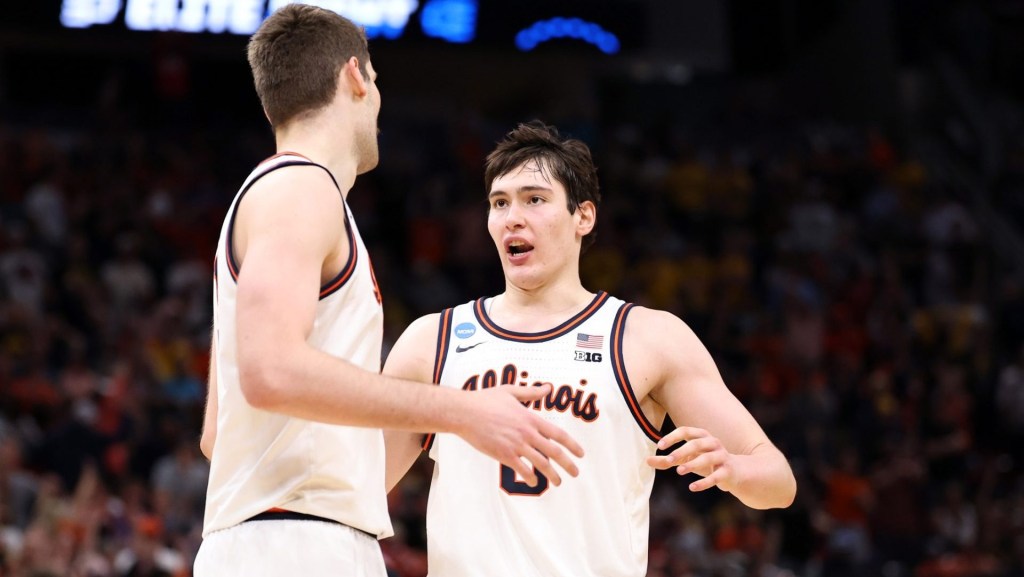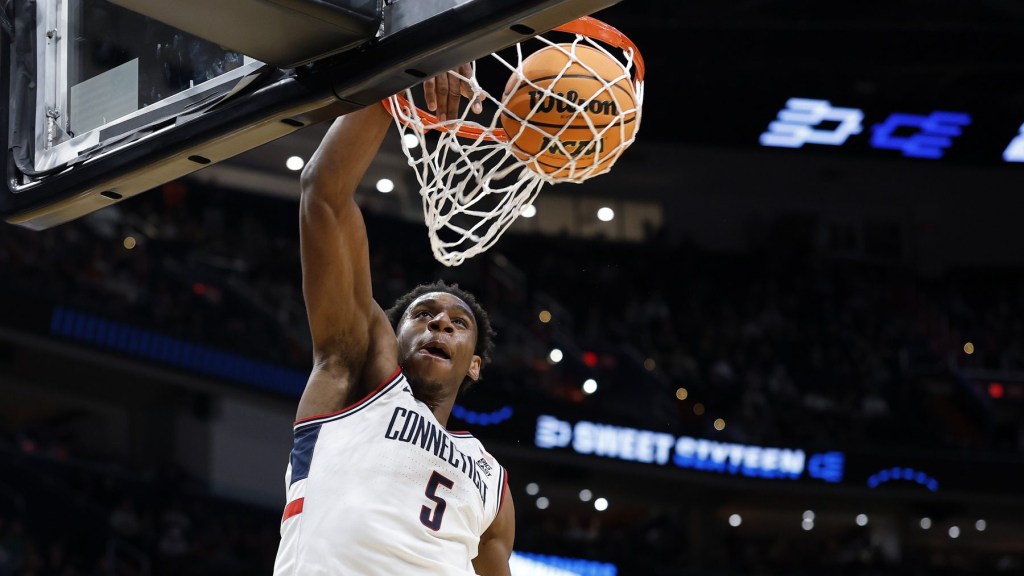
This year’s NBA draft class is considered one of the best in recent memory and will be on full display during the NCAA tournament.
In ESPN’s most recent 2026 NBA mock draft, 25 of the 30 projected first-round picks are on teams in the Big Dance, with 18 on top four seeds. For comparison, 18 of the 30 first-round picks in the 2025 draft played in last year’s March Madness, with only five reaching the Elite Eight.
Looking ahead, executives and talent evaluators around the league reportedly consider the 2027 draft class to be one of the weakest in recent memory. Given the disparity between the two classes, some question whether players projected in the mid-to-late first round would be better off returning to school.
It has been more common for projected first-round picks to return to college since the House v. NCAA settlement. College athletes are now able to profit off their name, image, and likeness (NIL), and can be paid directly by their schools through revenue sharing.
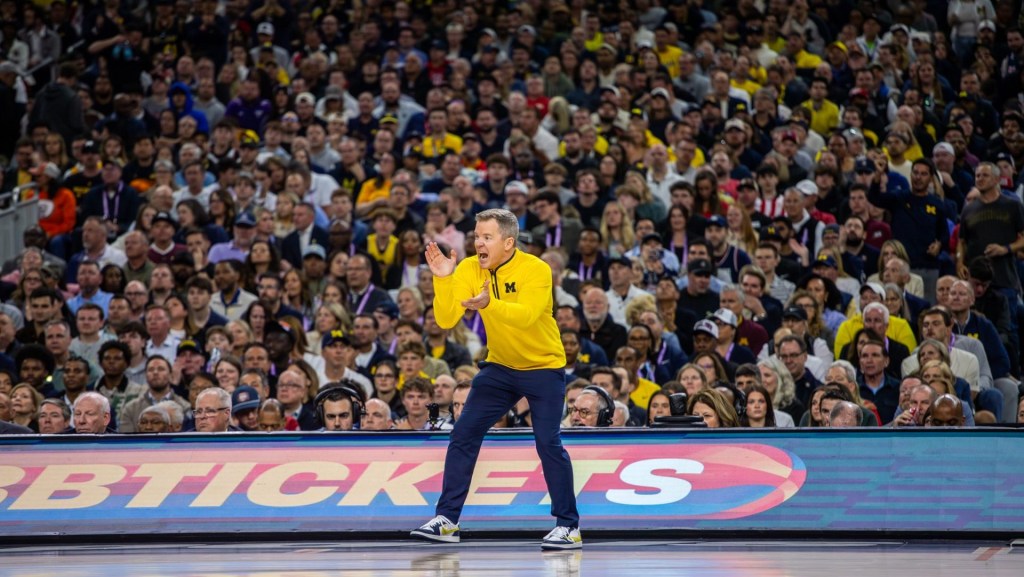
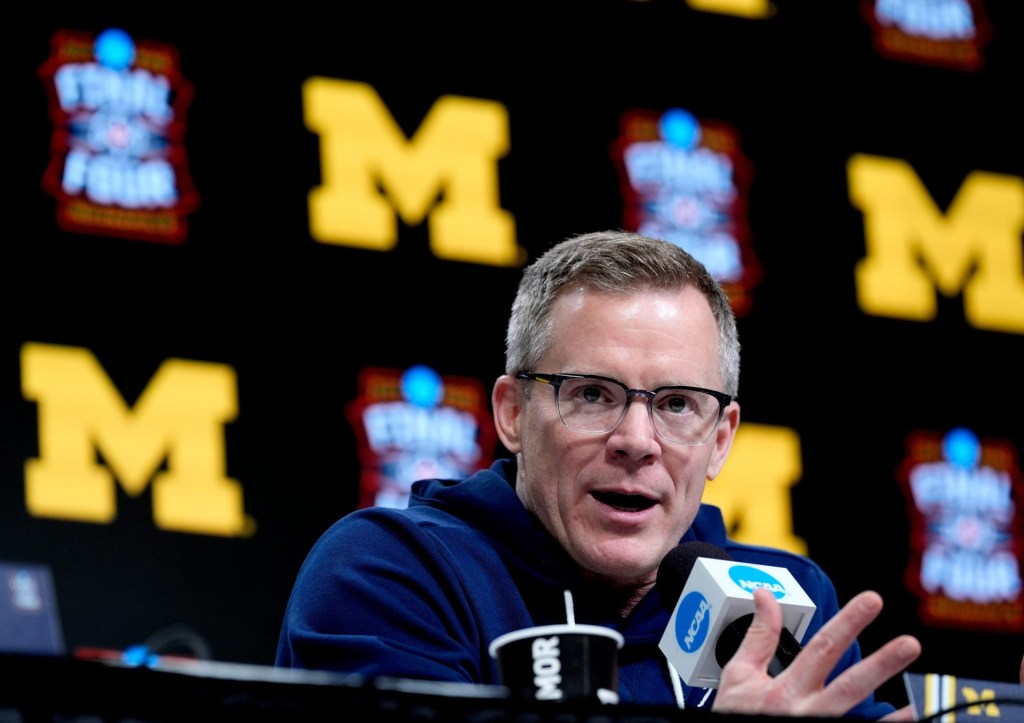
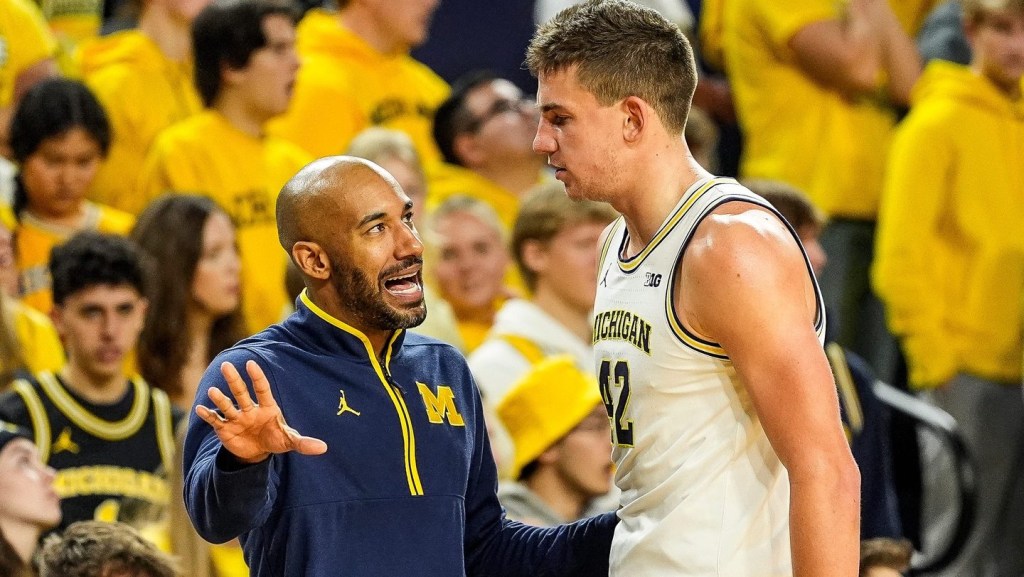
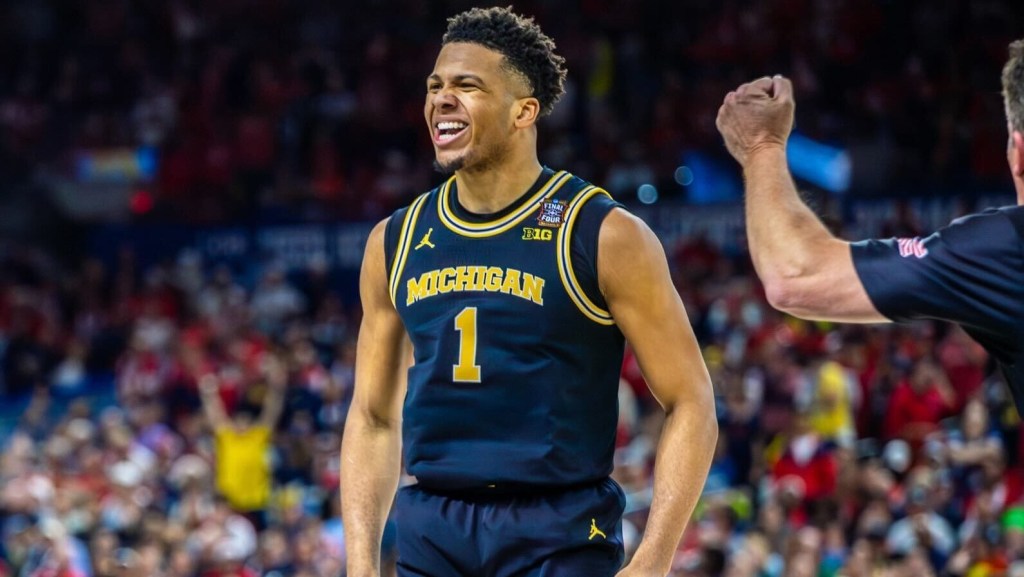
Yaxel Lendeborg, who returned to college for his senior year despite being a projected first-round pick, has both improved his draft status and made more in NIL deals than he likely would have in year one of his NBA rookie contract. Lendeborg transferred from UAB to Michigan for a deal worth a reported $5 million, which is equivalent to the salary of the No. 17 pick from last year’s draft (Lendeborg was projected in the 25–30 range). The Big Ten Player of the Year said he had even bigger offers, with Kentucky promising between $7 million and $9 million.
The decision for players on whether to turn pro or return to school for a lucrative NIL deal may come down to how they perform in March Madness, with the tournament serving as the best remaining opportunity outside of the combine for prospects to climb up draft boards.
Deep tournament runs have helped numerous players raise their draft stock, with Walter Clayton Jr. one of the best examples. Prior to the 2025 tournament, he was projected as a mid-second-round pick, but after leading Florida to a championship, he was selected No. 18 by the Wizards and signed a $19.3 million rookie contract.
On the flip side, an early exit could sway players to postpone their NBA aspirations, even with it unlikely that a single game would plummet one’s draft stock.
Zach Edey’s decision after the 2022–23 season falls into this category. Despite winning the Naismith Men’s College Player of the Year, the center was not a surefire first-round pick. Edey entered the 2023 tournament looking to boost his stock, but Purdue lost in the Round of 64 to No. 16 FDU, leading him to return to college. The following year, Edey’s Boilermakers made a run to the championship game and the center was selected with the No. 9 pick in the 2024 draft.
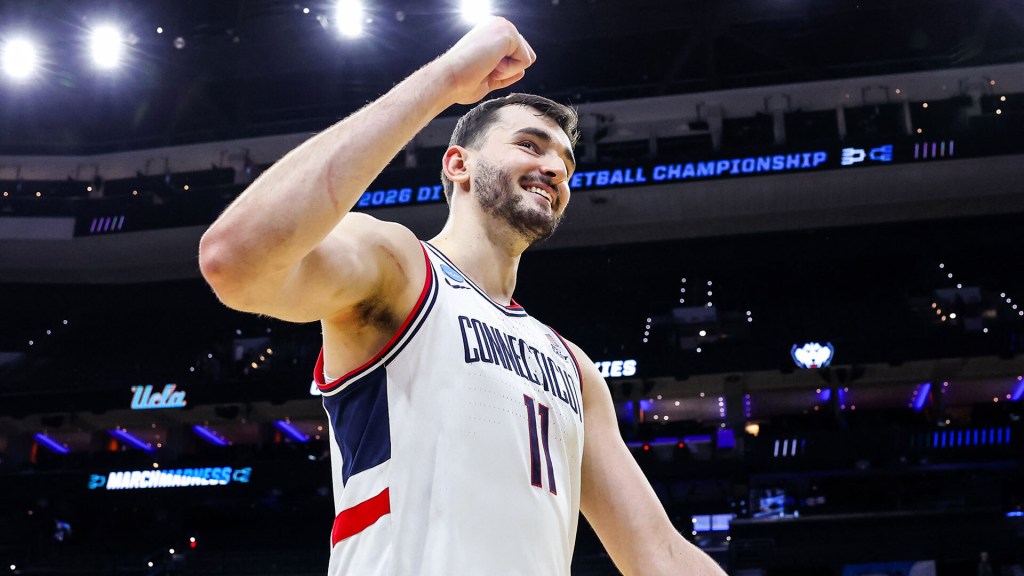
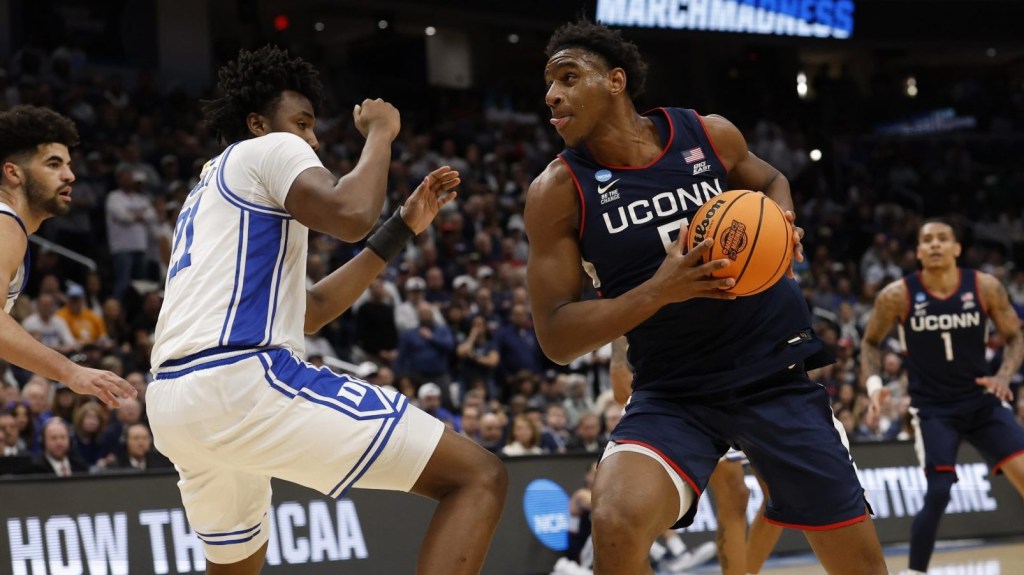
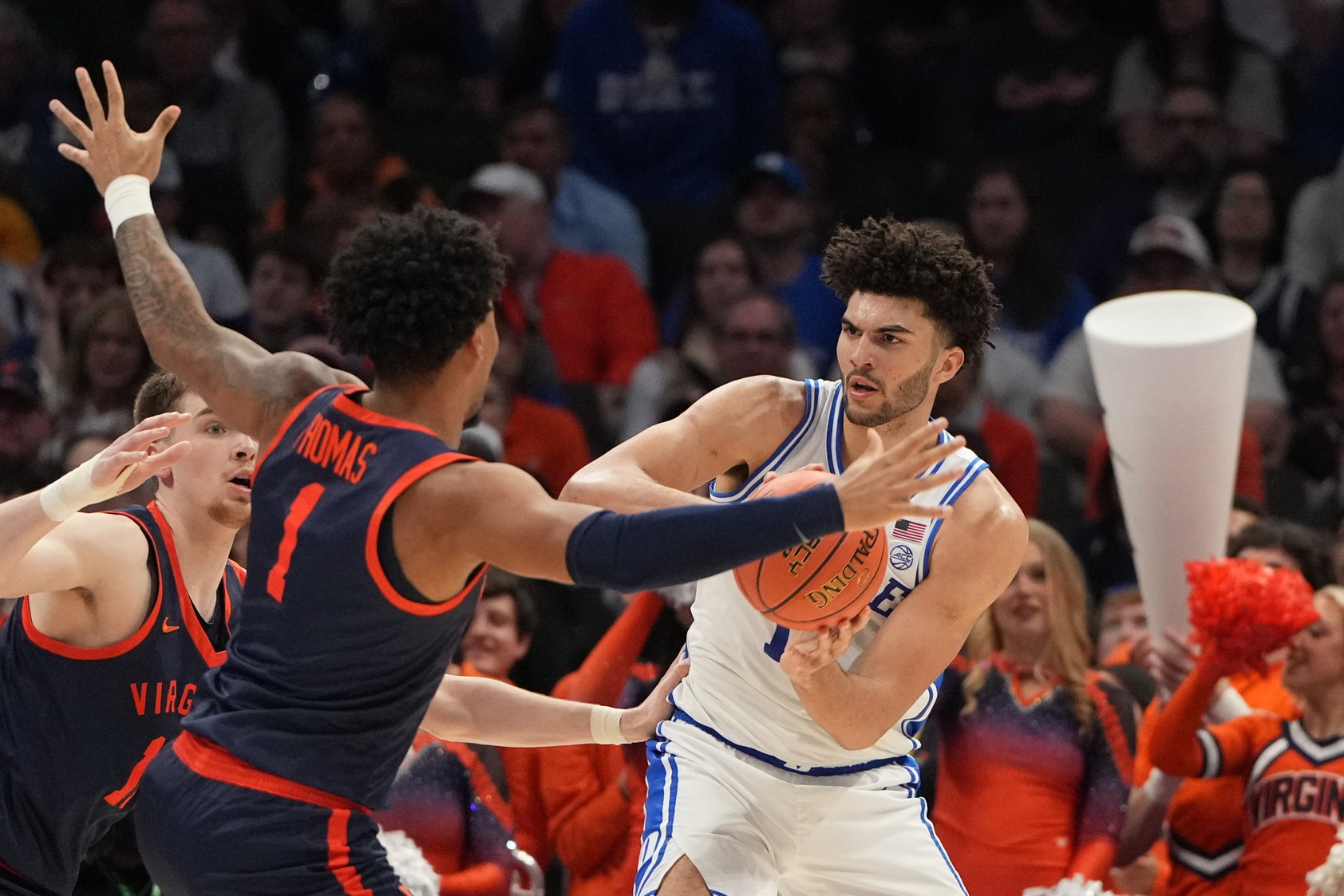
Projected top-five picks like Darryn Peterson, AJ Dybantsa, and Cameron Boozer are all but guaranteed to declare. But would key players on No. 1 seeds like Koa Peat, Aday Mara, and Isaiah Evans sign seven-figure deals to return to school in hopes of being selected higher in a weaker 2027 draft class?
Whether they improve their stock or not in the NCAA tournament will play a key role in their decisions.