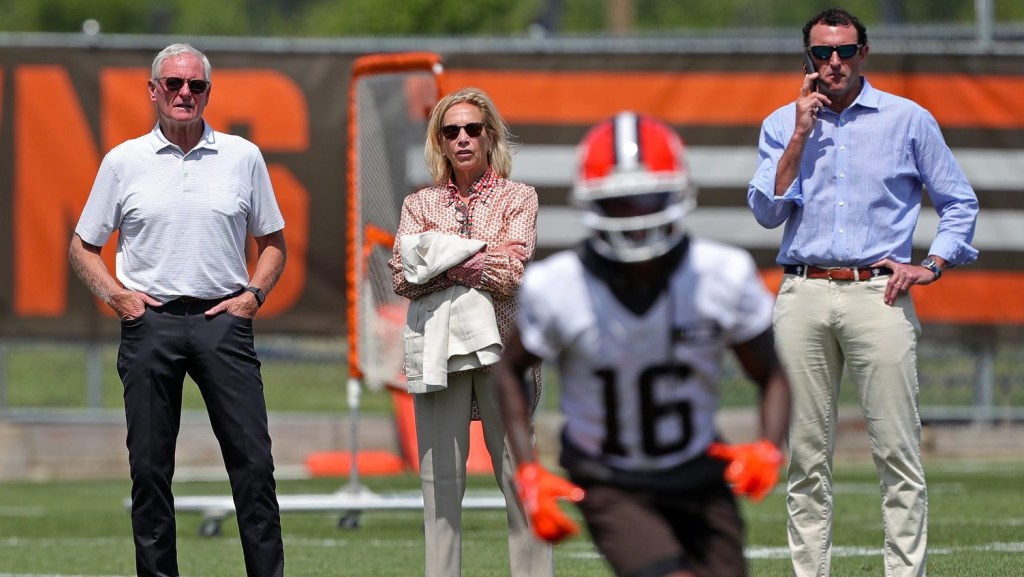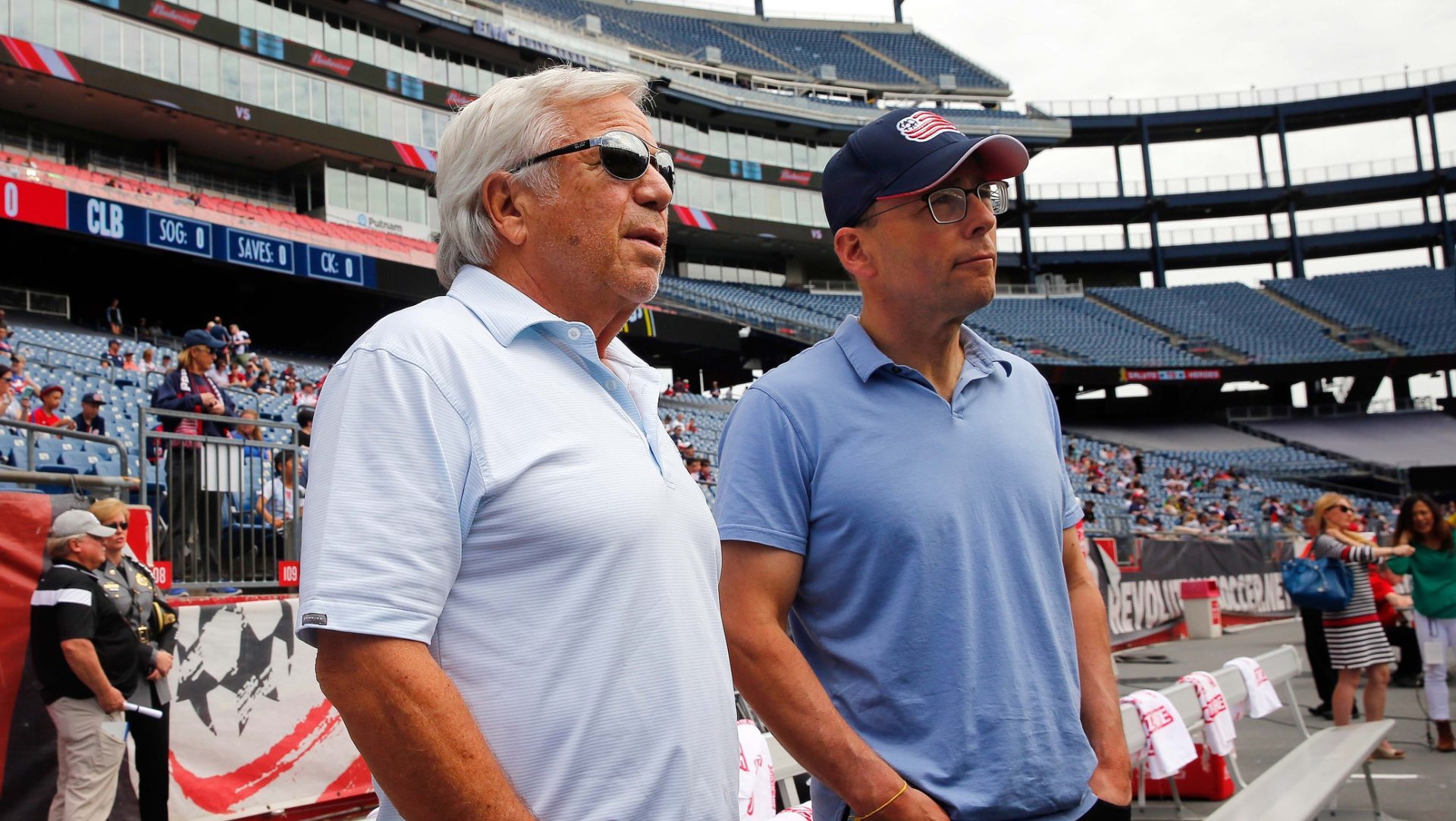
Robert Kraft and company got their soccer stadium deal at the buzzer.
The Kraft Group and the cities of Boston and Everett, Mass., announced they reached agreements on Wednesday as part of a new stadium proposal for MLS’s New England Revolution. The two sides beat the Dec. 31 deadline set by state law which, if not met, would’ve sent the talks into binding arbitration.
The agreements don’t green-light the stadium just yet, but are a crucial step in a yearslong effort to secure the waterfront property for the team. The Krafts also committed millions of dollars for improvements in both Boston and Everett.
“Under the agreements, we will undertake significant environmental remediation and demolition of the long‑vacant powerplant, invest in extensive traffic and transportation improvements, and deliver substantial community benefits, including millions of dollars towards infrastructure improvements,” the Kraft Group said in its announcement.
The Revolution plays at the Patriots’ Gillette Stadium in Foxborough, Mass., but the Krafts have been working to move the team closer to Boston for years. The Krafts have been vying for the site of an old power plant in Everett, but faced resistance from state and local officials.
Boston mayor Michelle Wu had been openly critical of the plan because of its impacts on traffic in nearby Boston neighborhoods and feeling left out of negotiations. Wu called The Kraft Group’s previous $750,000 proposal an “unserious offer” in August.” The drama spilled over into Boston’s mayor race as Josh Kraft, the son of the Patriots owner, launched a failed campaign this year to rival Wu, and heavily opposed her ardent support of the new NWSL team’s public-private stadium deal, even as city costs climbed.
Now, The Kraft Group has committed to develop the 43-acre stretch along the Mystic River into a 25,000-seat stadium and public park, though the plan still needs local and state permits before construction can start. The MLS owners said they’ll contribute to pedestrian and bike access, local jobs, public transit, fundraising for Everett Public Schools, and make the stadium and park available for community and school events.
The news garnered the support of MLS commissioner Don Garber, who called the agreements an “incredible milestone for the club, their fans, and MLS” in a social media post.
For Boston, the deal includes $13 million in direct payments for infrastructure improvements and community funds, and an anticipated $34 million in ticket revenue for the city in the first 15 years.
“The city fought for a fair deal for Boston and our residents, and that is what we have achieved through this agreement,” Wu said in a statement. “After months of negotiations, we have secured commitments addressing the needs of Charlestown residents and feedback from community partners. This stadium will enhance Boston’s position as the sports and entertainment capital of New England while transforming a blighted site on our doorstep.”
For its 20-year deal with Everett, The Kraft Group made a deal with outgoing mayor Carlo DeMaria to commit $20 million for the park (plus extra for upkeep), $17.5 million for public transit infrastructure, and ticket revenue.
“We were clear from the start that any stadium proposal had to deliver real, lasting benefits for our residents,” DeMaria said in a statement. “Reaching this agreement means we’re moving forward in a way that respects our community, gives our residents access to a clean, accessible waterfront, and creates something we can be proud of for generations.”