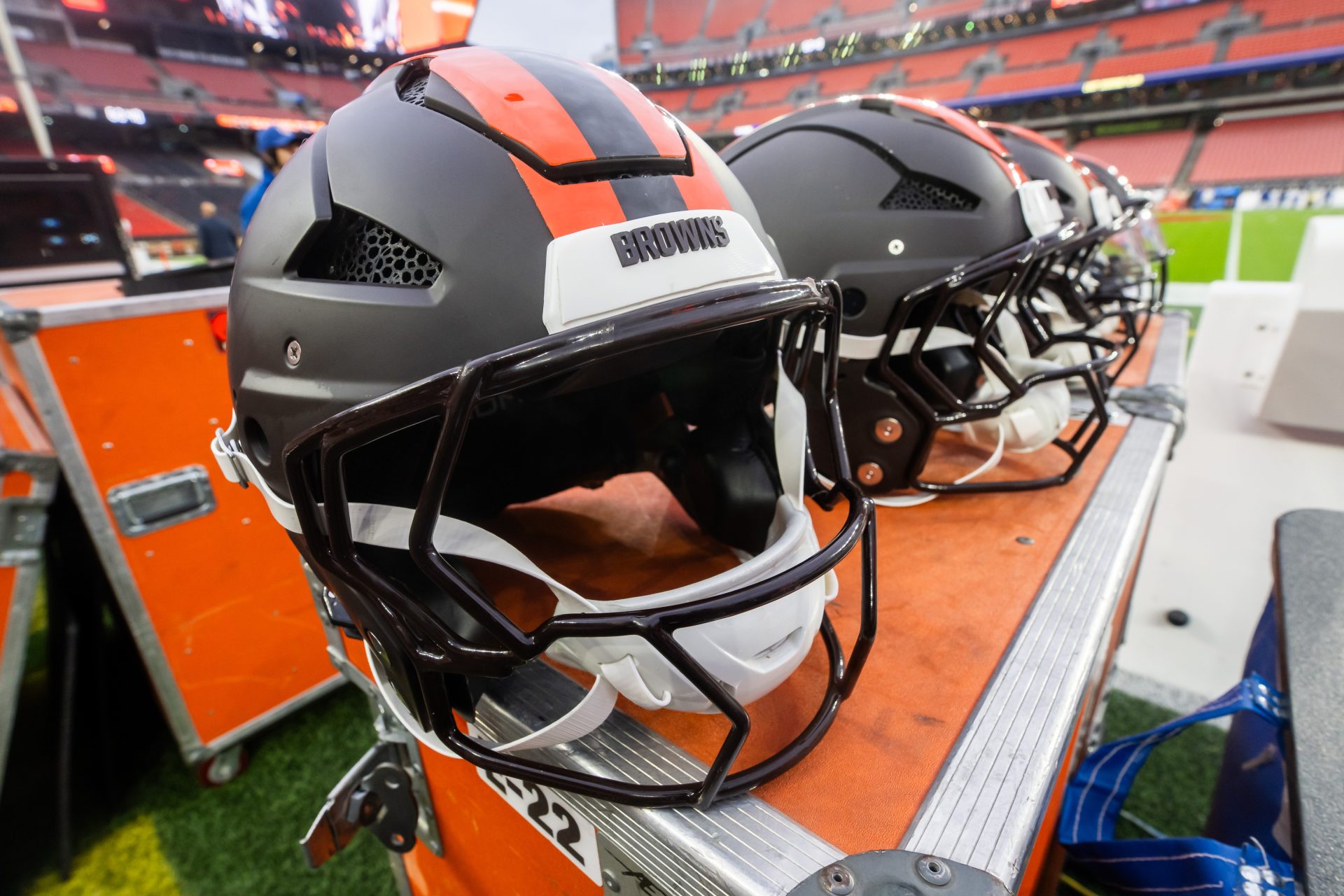
The legal bar for Ohio to use unclaimed funds for a new Browns stadium, or other venue renovations in the state, just went higher—putting the entire financing plan into further question.
A Franklin County, Ohio, judge elevated a prior temporary restraining order against the use of those funds to a preliminary injunction that will remain in place while a legal dispute proceeds, and said that the plaintiffs challenging the plan have shown a substantial likelihood of prevailing in their claims. That, in turn, provides a higher burden for the state to show it has standing to deploy the funds this way.
“If not taken, a significant amount of these funds will inevitably languish in perpetuity, benefiting no one,” wrote Magistrate Jennifer Hunt in the injunction order. “The undersigned’s decision does not condone the inevitable waste of valuable resources that could have a significant impact for the good of Ohio’s citizens. However, the taking to accomplish such good must be for a public use and comply with due process requirements. Here, the amended statute fails in both aspects.”
Ohio has been looking to use $600 million of the unclaimed funds toward a new Browns stadium in suburban Brook Park. Another $400 million has been earmarked for stadium and arena improvements elsewhere in the state, creating a scrum among nearly two dozen pro teams across several different sports and levels of competition.
The unclaimed funds are derived from sources such as utility deposits, uncashed cashier’s checks, and forgotten bank accounts, with Ohio currently holding nearly $5 billion of such money.
A group of Democratic lawmakers, however, sued Ohio last year, arguing the use of the money in this way is unconstitutional on both the state and federal levels.
“This is a victory for everyday Ohioans and their constitutional rights,” Jeffrey Crossman, former Ohio legislator and part of the group that filed the lawsuit, said in response to the awarding of the preliminary injunction.
“The court recognized that the state cannot simply declare private property abandoned and take title to it without constitutional safeguards. The injunction ensures that billions of dollars belonging to Ohio citizens remain protected until the constitutional questions we raised are fully resolved,” Crossman said.
Browns Moving Forward
The NFL team, meanwhile, is still moving ahead with its stadium project toward a planned 2029 opening, and last week began mass excavation at the Brook Park site in advance of a formal groundbreaking on April 30.
If Ohio wins the lawsuit, the net result to the team would likely be just a timing difference on when the public money can be accessed. If the state loses, however, it could force owners Jimmy and Dee Haslam to shoulder more of the cost themselves or seek a different financing structure.
“We understood this temporary outcome was a possibility, but remain undeterred and on schedule in delivering this transformative stadium and economic development project for our region and the state as the legal process continues to play out,” Haslam Sports Group said in a statement.
The Browns are also advancing plans to construct an indoor music venue at the Brook Park site, forming a key portion of the planned mixed-use development that will surround the stadium. The venue will have a capacity of about 3,000 to 4,000 people.
The effort follows a strategy popularized by the Braves with The Battery and used by other organizations such as Smith Entertainment Group, parent company of the NBA’s Jazz and NHL’s Mammoth, and is designed in part to bring additional visitors to the stadium area beyond game days.