Kalshi and Polymarket, the two leading prediction market platforms, are on partnership hot streaks. Last week, CNN and CNBC announced Kalshi as their official prediction-market partner. Polymarket has an extensive partnership with the UFC. And last month, the NHL announced official partnerships with both, a major validation from one of the big four U.S. men’s pro leagues.
But the NFL is not about to follow suit.
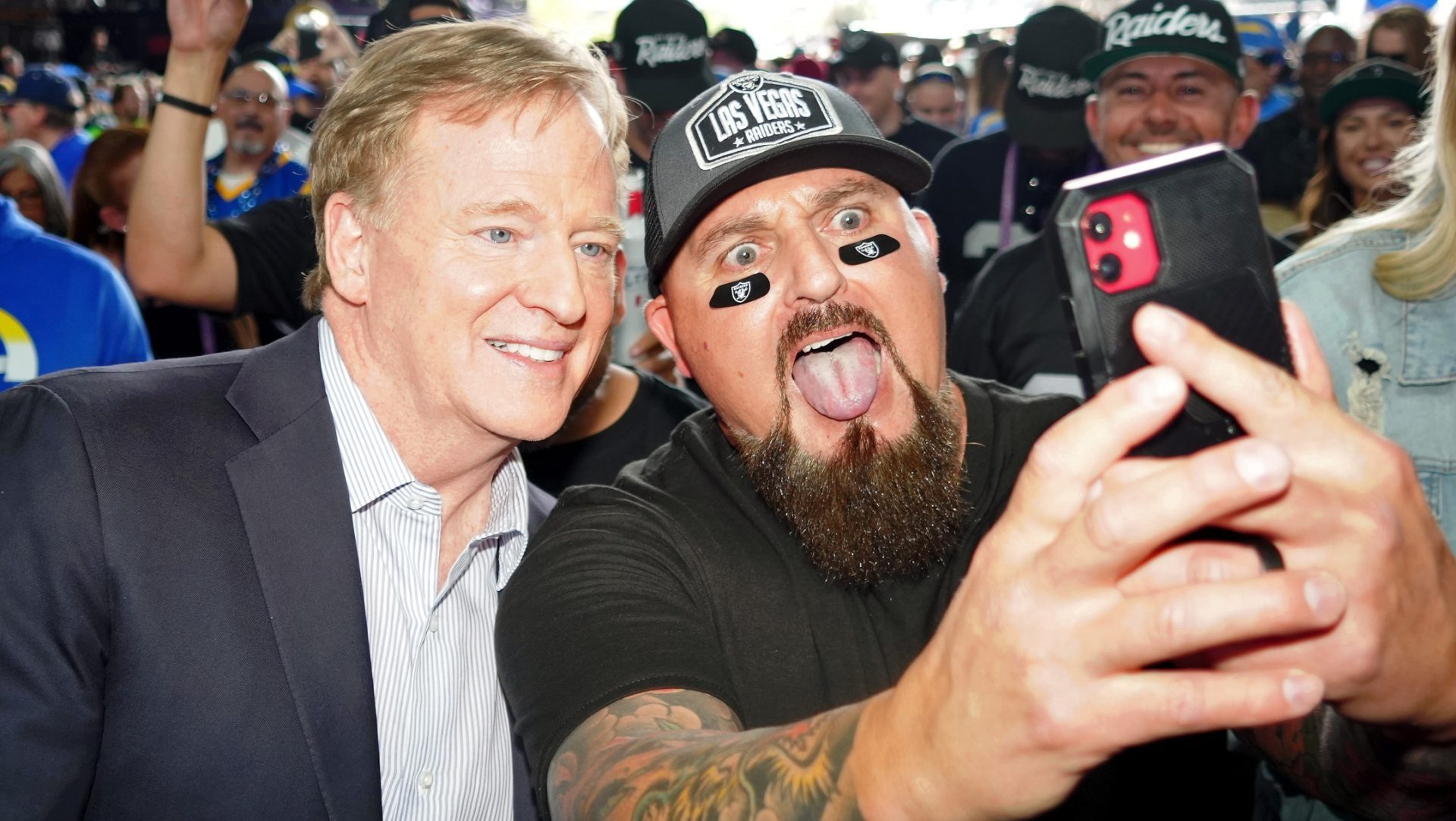
“That’s not something we’re about to enter into,” NFL commissioner Roger Goodell said onstage last week at the investor day of Genius Sports, an NFL betting data partner.
Goodell “noted that the NFL does not plan on participating in prediction markets without a regulatory framework in place as well as the need for more comfort on the risks to the integrity of the sport,” according to an analyst note from Truist Securities.
A source close to the NFL confirmed Goodell’s stance and noted that the league sees the “regulatory framework” piece as crucial to doing business with these companies.
Kalshi and Polymarket, which define their product as being distinct from sports betting, have been cleared to operate in the U.S. by the Commodity Futures Trading Commission (CFTC), which blocked them under President Biden, lost a legal challenge from Kalshi in 2024 and planned to appeal, then dropped the appeal under President Trump. (Donald Trump Jr. is a strategic advisor to both direct companies.)
Kalshi and Polymarket court controversy with their unapologetic social media strategies revolving around vulgar jokes, memes, and fake news. But their rise has lured other established consumer companies to jump into prediction markets, including DraftKings, FanDuel, Robinhood, Fanatics, and Crypto.com.
The NFL’s stance clearly has not budged since August, when it gave similar guidance on a media call about betting. League officials at that time said prediction markets look to the NFL just like sportsbooks, but with less oversight. David Highhill, NFL VP of sports betting, said, “for now… we’re concerned that if these markets aren’t properly regulated, they could be susceptible to manipulation or price distortion.” He also pointed back to comments the league made a whole year prior when the league, as part of a CFTC open comment period, “cautioned against permitting sports betting futures contracts, arguing that such contracts could compromise the integrity of professional sports.”
As for the other big leagues, they all say they’re looking for more regulatory safeguards before getting into bed with prediction markets.
In May, the NBA’s assistant general counsel wrote a letter to the CFTC seeking “specific regulatory provisions that can mitigate the associated integrity risks” of prediction markets.
Major League Baseball and the MLB Players Association sent a joint memo to all players in August, first reported by Front Office Sports last week, warning them that the league’s existing rules on gambling also apply to prediction markets. The memo cautioned, “Please be advised that Major League Rule 21 and MLB’s sports betting policies for Major League and Minor League Players prohibit Major League and Minor League Players from participating in ‘prediction markets’ to risk money on any outcome related to baseball games or events (including, for example, home run derbies, all-star games, skills competitions and tournaments).”
Kalshi raised another $1 billion in funding last week, bringing its valuation to $11 billion; Polymarket, currently raising more money at a valuation of $15 billion, relaunched in the U.S. last week nearly four years after first being banned.






![[Subscription Customers Only] Jun 18, 2025; Philadelphia, Pennsylvania, USA; Fan with a Morocco flag inside the stadium before a group stage match of the 2025 FIFA Club World Cup at Lincoln Financial Field.](https://frontofficesports.com/wp-content/uploads/2026/03/USATSI_26482439_168420755_lowres-scaled-e1773852693149.jpg?quality=100&w=1024)