The Bears are still looking all over Chicagoland for a new stadium site—including across the state border—but team-owned land in Arlington Heights, Ill., is getting another high-profile look.
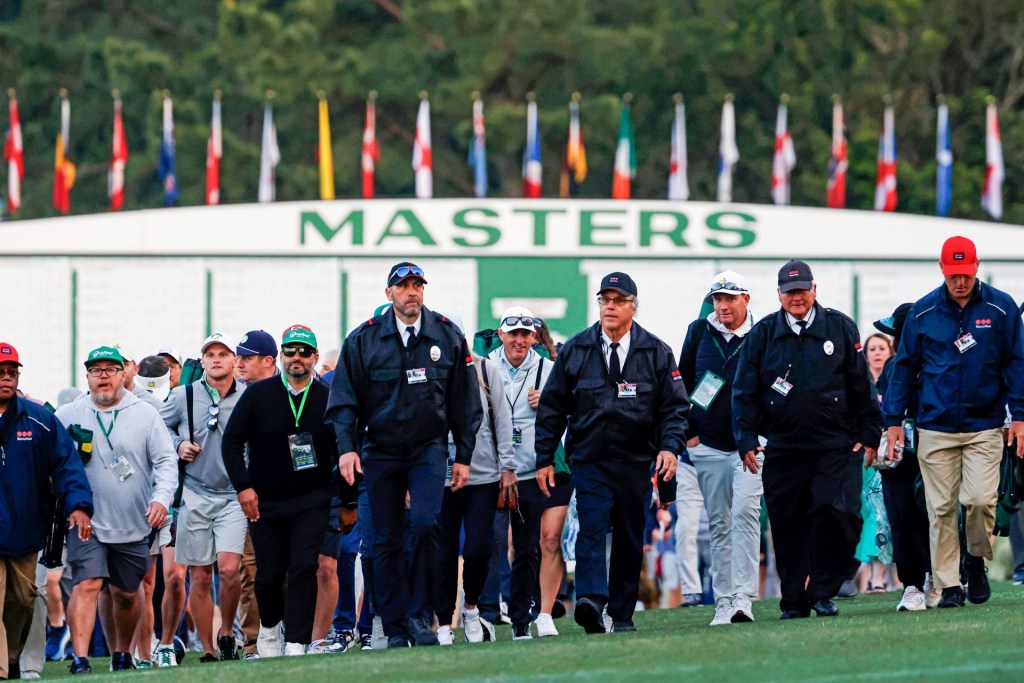
NFL commissioner Roger Goodell visited the 326-acre parcel (the former Arlington International Racecourse) on Saturday before attending the Bears’ wild-card playoff victory at Soldier Field.
Chicago’s furious fourth-quarter comeback gave the team its first playoff win since the 2010 season. Goodell was at the prospective stadium site with Bears chairman George McCaskey and team president and CEO Kevin Warren, who is spearheading the long-running push for a new venue.
Team officials declined to comment regarding Goodell’s visit. Industry sources, however, told Front Office Sports that the trip was part of ongoing due diligence the Bears are conducting in an attempt to strike a stadium agreement.
Recent months have seen significant movement by the Bears in their stadium push, but it’s still not nearly as much as they’d like. Before the first game of what has been a breakthrough season, the team abandoned prior plans for a downtown venue and reverted its focus to the suburban parcel in Arlington Heights.
Hoping to win over skeptical legislators, the Bears also substantially reduced their ask for public money, lowering a push for about $2 billion to $855 million in infrastructure support. Despite that, state-level support for the Bears’ stadium push has been weak; Gov. J.B. Pritzker remains a skeptic of funding the project.
Because of that, the Bears recently expanded their search for viable sites to northwest Indiana. The team said in a letter that Illinois leaders told them the new stadium “will not be a priority in 2026, despite the benefits it will bring to Illinois.”
Goodell, Warren, and McCaskey also toured several potential sites in Indiana, sources said.
The team is aiming to build a $5 billion domed venue and mixed-use development that would not only serve as its future home but also bring major events such as the Super Bowl, College Football Playoff, and Final Four to the No. 3 U.S. media market.
The team says construction costs continue to escalate by more than $10 million per month—not surprising given broader inflationary and tariff fears across the economy.