Matt Barnes and All The Smoke Launch Baseball Podcast
Online sports gambling sinks GPAs, 401(k)s, and everything in between. Athletes of every stripe say that it’s changed their relationship with fans and led to threatening behavior.
The one place where betting on sports hasn’t been ruinous on a grand scale? The sports themselves.
Even the multiple concurrent federal cases involving alleged gambling offenses by current players and coaches didn’t stop the NBA season from debuting with its best ratings in eight years. MLB has reported year-over-year audience and attendance growth in the double digits despite Shohei Ohtani very nearly becoming the face of a betting scandal instead of the face of his sport. Among leagues that aren’t facing the more prominent betting allegations, the story is similar: women’s basketball and soccer are up, and the NFL is the biggest thing on live television.
Multiple confounding variables determine why someone turns on a game, and people cite the data that supports their assumptions. The endless war over whether “wokeness” hurt the NBA’s business mostly ended in a draw. The studies that purport to show that betting drives fan engagement are inconclusive at best.
Whether sports are being ruined by gambling, as Pablo Torre and a recent New York Times op-ed have argued, depends on how you define it. Some fans don’t care about the business; they just want to turn on the game without any doubt that the competitive integrity was compromised.
But the games have already been compromised. Anticompetitive practices are already here. They go much deeper than paying a pitcher a few grand to spike one mid-August pitch. And you don’t need to be in Jontay Porter’s Discord chat to see them coming.

Trevor May understands the dismal dynamic better than most.
May spent nine years pitching in Major League Baseball, with the end of his career featuring the game’s wealthiest and most spendthrift owners. He pitched for both the Steve Cohen Mets and for a 2023 Oakland A’s team designed to lose 112 times. Since retiring from pro baseball, May has been one of A’s owner John Fisher’s sharpest and loudest critics.
The Gap heir forced—with unanimous approval from the league’s 30 owners—an otherwise controversial relocation to Las Vegas. May is equally frustrated by the system that enables Fisher to abandon a passionate fanbase without suffering any consequences for cannibalizing his product.
“We live in a world of incentives. The way revenue sharing is spread, every small market gets more money than they put in,” May told Front Office Sports, referring to how revenues from the league’s euphemistically named “Competitive Balance Tax” are distributed. “If a winning season from a high payroll team produces a 5% or 10% increase in revenue, you’re not going to invest 50% more money into your team. Duh.”
May doesn’t doubt the logic of pocketing subsidies from the perspective of a team owner. And even with recent lottery reform, the nature of worst-goes-first drafts and signing bonus caps prompts teams to lean hard into suckiness on their way to gathering the Wembys and Skeneses. (Buoyed by rookies Nick Kurtz and Jacob Wilson, the respective fourth and sixth overall picks in consecutive drafts, the A’s won 76 games in 2025 and appear to have formed a young, talented, and most importantly, cheap nucleus capable of competing for a playoff seed.)
The system, as it’s set up, frustrates May because it encourages being very bad, on purpose, indefinitely. One dismal Pirates lineup card easily surpasses the on-field impact of every contemporary point-shaving scandal combined.
“It doesn’t have to be the way [MLB] says, ‘That’s the system,’” May tells FOS. “Yeah, but you built the system.” And you, the fan, have been trained to tolerate it.
May argues that though sports gambling, both legal and illicit, is a starkly different moral question than tanking, its mechanics are similar because it “intentionally decouples revenue from on-field success.”
Sports fans refresh Tankathon, hoping their team bottoms out to the number one spot; fans who bet the under are encouraged to cheer for the failure of their player and team portfolio. The climate created, incentivized, and reinforced by tanking helped fertilize the ground for gambling to flourish. When teams throw games every day, what’s an intentionally missed rebound?
“If people don’t care about team success, why would they care about betting?” May said. “Is gambling easy to accept because we’ve normalized the other thing?”
Gambling differs from tanking in how it aggressively preys on fans’ worst impulses, both with their own wallets and their behavior. Athletes bear the brunt of the problem as fans make bigoted and violent threats, and leagues and politicians shouldn’t wait for mobsters to abduct Bronny because LeBron hit his overs. The time to curtail what kinds of bets are allowed, who is allowed to make them, and the platforms placing a nine-leg parlay in everyone’s pocket is now. Buckling seatbelts isn’t enough. Some highways are going to have to come down.
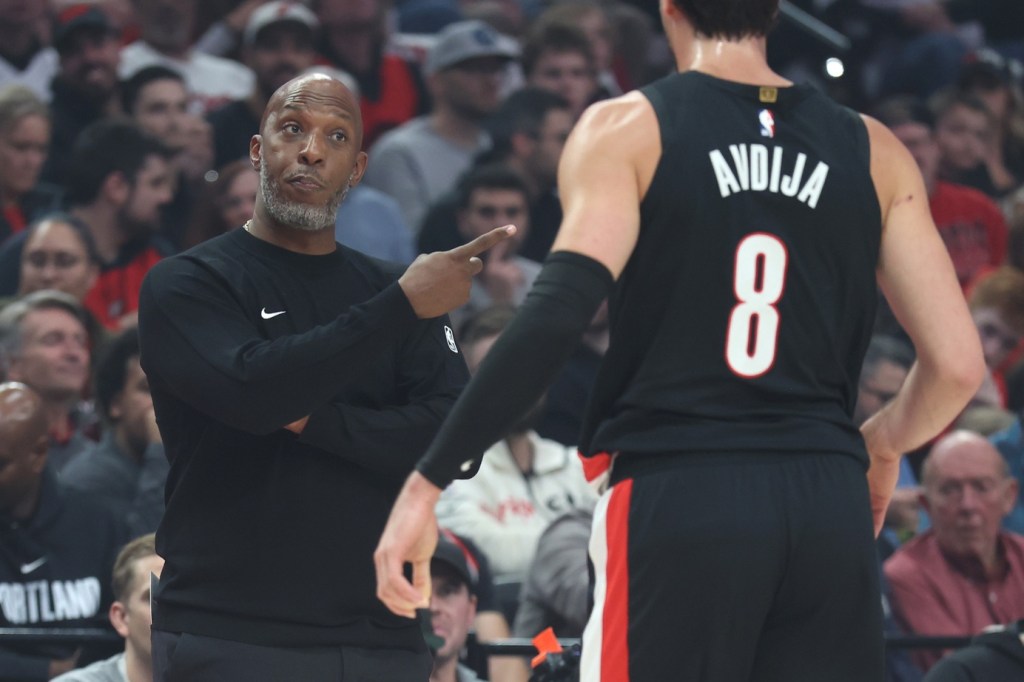
But if gambling is treated as some rogue industry, you risk punishing individual symptoms of the root cause. Among Chauncey Billups’s many alleged gambling crimes, prosecutors claim he leaked his team’s planned attempts lose a game by resting starters. Every Blazers fan could have told you that team wasn’t interested in winning; many would likely tell you they wanted any chance at securing better lottery odds. Billups’s crime, in this instance, wasn’t facilitating losses for profit. No, Mr. Big Shot bricked it by informing bettors the extent to which they would tank before the sportsbooks were aware.
The authorities whacked this weed. But without major competitive reforms, the crabgrass will return in a different shade.
We’ve seen this play before, even when the outcomes were far more threatening to the caliber of play. Though the Chicago White Sox conspired with bookies to throw the 1919 World Series, the evidence of material impact was, like today, thin. Subsequent White Sox seasons reported significant growth in gate receipts even as rumors of the fix grew. (The players were acquitted in a 1921 court case and banned later that year.) Across the league, attendance rose from 6 million in 1919 to nearly 10 million in 1920.
MLB treated the Black Sox as an image problem before all else. The league hired Judge Kenesaw Mountain Landis as its first commissioner to restore confidence that baseball was being played fairly and cleanly. By punishing Shoeless Joe Jackson and his teammates, maybe Landis’s “leadership and integrity” did, in one sense, ensure baseball remained “in the respect, esteem, and affection of the American people.” In another sense, the one you won’t find on his Baseball Hall of Fame plaque, Landis fervently opposed every attempt to resolve the chief competitive integrity failure of his day: blocking the world’s best players from competing with the white ones.
Landis was so committed to preserving this status quo and all its implications, he instructed park owners not to rent their stadiums for off-season exhibitions of MLB stars against the Negro Leagues. The commissioner suspended Babe Ruth for the first six weeks of the 1922 season (and crushed attendance at Yankees games in his absence) for the mortal sin of barnstorming with the best Black players.
Put another way, under Landis, MLB obscured the joys of a structure where teams could, without restriction, recruit the very best players to their team. The league punished anyone who had dreamed of a future of true competitive integrity, even its biggest star, to preserve what historian Larry Lester precisely described as “apartheid baseball.”
Organized sports not only survived a thrown World Series, but thrived in its immediate aftermath. Stupid, embarrassing, and repulsive behavior—actions that in any other context would be bad business—aren’t harbingers of doom.
Instead, a sober understanding of where the rot truly lies should motivate us to not just whack at the latest weed, but yank it from the roots.