• Loading stock data...
Saturday, March 7, 2026

Why College Football Coaches Are Investing in Federal Lobbying

With Congress likely to regulate college sports, a group representing football coaches wants to make sure their voices are heard.

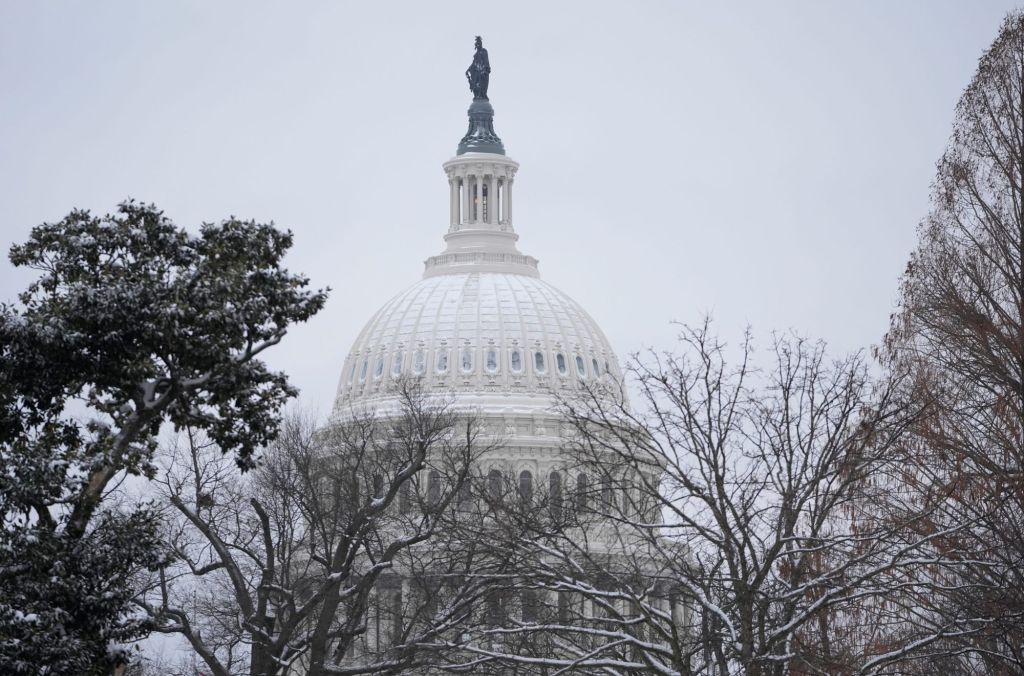
The United States Capitol during the certification of votes by Congress making Donald Trump president on Jan. 6, 2025.
Imagn Images

College football coaches are the latest group to join the crowded field of college sports stakeholders all jockeying for a say in the future of NCAA sports. 

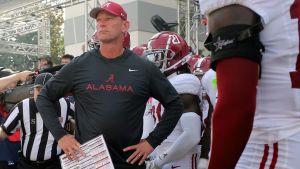
The American Football Coaches Association, which comprises 11,000 football coaches across the high school and college landscape, hired two lobbying groups this month: Chet Culver Group and Capitol Counsel. 

The NCAA and power conferences have been involved in a multimillion-dollar federal lobbying campaign since 2019 to save their amateurism business model. As it’s become clear Congress could move to regulate—and reshape—college sports, others have begun to follow their lead, including The Collective Association (representing dozens of NIL collectives), several Olympic sports coaches associations, and now football coaches.

But unlike the NCAA and power conferences, the AFCA isn’t aiming to save a business model, or the entire NCAA. They say they want to ensure the health and longevity of college football with more clarity and regulation on issues from agent certification to roster management.

Sen. Ted Cruz (R., Texas), who chairs the Senate Commerce Committee, has said getting a bill to President Trump’s desk is one of his main priorities—but there’s been no concrete movement in this current Congress yet (though the session began just a few weeks ago). So the AFCA has an opportunity to get lawmakers’ attention before any new legislation is introduced.

Capitol Counsel cofounding partner David Jones tells Front Office Sports the organization hopes to help the AFCA through education and advocacy. “Coaches are obviously on the front lines, they’ve got the players’ concerns at heart,” he says. “So that’s our job, really—is to make sure they’re informed and have a seat at the table.”

As of now, AFCA executive director Craig Bohl hopes Congress will consider a few specific issues. The first: the lack of regulation for NIL agents, many of whom have been accused of taking advantage of young athletes. “You have people that will claim to be agents that are going and representing student-athletes,” he said. “They’re not regulated. You have some young people that are now listening, and when their back’s up against the wall, they don’t understand what their value is at.” 

Bohl also highlights an issue coaches have been vocal about for the entire season: the transfer portal. Players are currently allowed to transfer as many times as they want, meaning coaches have to re-recruit their entire roster every year—a situation that many have described as untenable. Players “should have the ability to go on the open market,” Bohl says, adding, “within the balance of being able to have some order and roster stability for these programs.” 

The organization has not taken a formal position, however, on the best way to remedy these issues. For example, it hasn’t decided whether athletes should be considered employees, or whether collective bargaining is the best way forward for college football. (Collective bargaining is used by employees—athletes in this case—to negotiate contracts with employers and determine pay, salary caps, and free-agency rules.)

“If you look at the NFL, many of their challenges have been solved with collective bargaining,” Bohl says, citing issues including tampering and contract negotiations. The group is still “vetting” the concept.

But ultimately, Bohl hopes lawmakers will simply hear their concerns. “We’ve got the knowledge on really where the ball is at right now,” Bohl says. “We feel like we could add a great deal of perspective.”

Linkedin
Whatsapp
Copy Link
Link Copied
Link Copied

What to Read

White House Trump college sports roundtable

Trump Says He’ll Issue Second Executive Order on College Sports

“The executive order is going to let colleges survive and players survive.”
Dec 18, 2011; Orchard Park, NY, USA; Miami Dolphins running back Reggie Bush (22) runs for a touchdown against the Buffalo Bills during the second half at Ralph Wilson Stadium.

Reggie Bush Says NIL Era Wouldn’t Have Happened Without His Saga

The former USC running back had his Heisman Trophy revoked for 14 years.
Jan 18, 2026; Melbourne, Victoria, Australia; Michael Zheng of United States in action against Sebastian Korda of United States in the first round of the men’s singles at the Australian Open at Kia Arena in Melbourne Park. Mandatory Credit:

Columbia Tennis Star Says He Claimed $150K from Australian Open

It was unclear if he could do so under NCAA rules.
Mar 3, 2026; Charlottesville, Virginia, USA; Virginia Cavaliers guard Malik Thomas (1) drives to the basket as Wake Forest Demon Deacons forward Juke Harris (2) defends in the second half at John Paul Jones Arena.

Men’s College Basketball Was Kalshi’s Most Bet-On Sport in February

The NCAA is once again asking Kalshi to stop using the term “March Madness.”

Featured Today

March 5, 2026

Mark DeRosa Is Still Baseball’s Swiss Army Knife

DeRosa is the sport’s utility player both on the field and off.
Nicole Silveira
March 3, 2026

The Tattoo Marking Membership in the Most Exclusive Club in Sports

For athletes, the Olympic rings tattoo is “about everything it took.”
Dec 25, 2025; Denver, Colorado, USA; Denver Nuggets forward Spencer Jones (21) reacts against the Minnesota Timberwolves during the second half at Ball Arena.
March 1, 2026

Young Athletes Have Entered Their LinkedIn Era

Athletes can’t play forever. Some are laying the groundwork for Act 2.
Former Auburn Tigers head coach Bruce Pearl talks with fans before Auburn Tigers take on the Houston Cougars at Legacy Arena in Birmingham, Ala. on Sunday, Nov. 16, 2025.

Miami (Ohio) AD: Bruce Pearl Auburn Bias Not ‘Appropriate for an Analyst’

David Sayler called the ex-Auburn coach’s comments “disrespectful.”
March 5, 2026

March Madness Payouts Drive Mid-Majors to New Tourney Formats

Stepladder-style tournament formats are rising in popularity.
Jan 1, 2026; New Orleans, LA, USA; Mississippi Rebels quarterback Trinidad Chambliss (6) is interviewed after the 2026 Sugar Bowl and quarterfinal game of the College Football Playoff against the Georgia Bulldogs at Caesars Superdome.
March 5, 2026

NCAA Challenges Ole Miss Quarterback Trinidad Chambliss Eligibility Decision

The NCAA wrote the injunction causes “irreparable harm.”
Sponsored

From USWNT Star to NWSL Franchise Founder

Leslie Osborne, former USWNT midfielder, shares how athletes are moving from the pitch to the ownership table.
Big 12
March 5, 2026

Players Say Big 12 Basketball Tournament’s LED Court Is Slick and Slippery

ASB GlassFloor’s technology is making its U.S. debut in Kansas City.
March 4, 2026

Mick Cronin Floats College Basketball Bird Rights

The idea would let schools go over the $20.5 million cap.
March 3, 2026

How a Small Town in Georgia Got the ACC Women’s Tournament

Greensboro has typically been the tournament’s host.
Mar 2, 2026; Raleigh, North Carolina, USA; Duke Blue Devils forward Cameron Boozer (12) lays the ball up against NC State Wolfpack forward Darrion Williams (1) during the second half at Lenovo Center. Mandatory Credit: Zachary Taft-Imagn Images
March 3, 2026

Why a College Basketball Game Organizer Is Fighting With Photo Services

One of this season’s top games had no photos from major wire services.