Soccer fans are flocking to buy tickets for the FIFA 2026 men’s World Cup, despite eye-popping prices and rising complaints from around the world over those costs.
FIFA said that it received 5 million ticket requests during its third phase of ticket sales for the upcoming tournament, with the latest deluge happening just in the first 24 hours after this part of the sales process began Thursday. That figure adds to the nearly 2 million tickets sold during the two prior phases, and further showcases the demand for the global event, to be held next June and July in the U.S., Canada, and Mexico.
That demand, however, arrives as ticket prices have increased about fivefold compared to the 2022 World Cup in Qatar, according to data from Football Supporters Europe. Prices for the final match, to be held at MetLife Stadium in New Jersey, begin at $4,000, and FSE said it would cost at least $6,900 for a fan to follow their team from the start of group-stage play to the final.
FIFA has additionally implemented dynamic pricing for much of the event’s ticketing, further amplifying both the costs and confusion around the upcoming World Cup.
“This is a monumental betrayal of the tradition of the World Cup, ignoring the contribution of supporters to the spectacle it is,” FSE said in a statement.
The governing body, however, said that “demand from around the world reached extraordinary levels.”
Demand Factors
This latest phase of ticket sales is a lottery-based one in which fans can submit requests to specific games until Jan. 13, and those requests have arrived from more than 200 countries.
The most sought-after match in the group stage among fans thus far is a June 27 one between Colombia and Portugal in Miami, a contest that will involve international superstar Cristiano Ronaldo. Not surprisingly, the trio of host nations was the source of the largest number of ticket requests, followed by Colombia, England, Ecuador, Brazil, Argentina, Scotland, Germany, Australia, France, and Panama.
Despite the presence of Scotland on that list of ticket requests, a result of that country’s first World Cup appearance since 1998, a prominent fan group from that country also lamented the event costs.
“This is going to price out many of our fans,” said the Association of Tartan Army Clubs. “FIFA has killed the dream of our young fans, desperate to get a World Cup.”
FIFA noted the strong presence of several South American countries in this list, saying it shows how the tournament is “capturing the imagination across the Americas.” The 2026 World Cup will be the first with a 48-team format.
The South American fan interest is also critical for FIFA as the 2030 World Cup will be a shared event in part involving Uruguay, Argentina, and Paraguay.
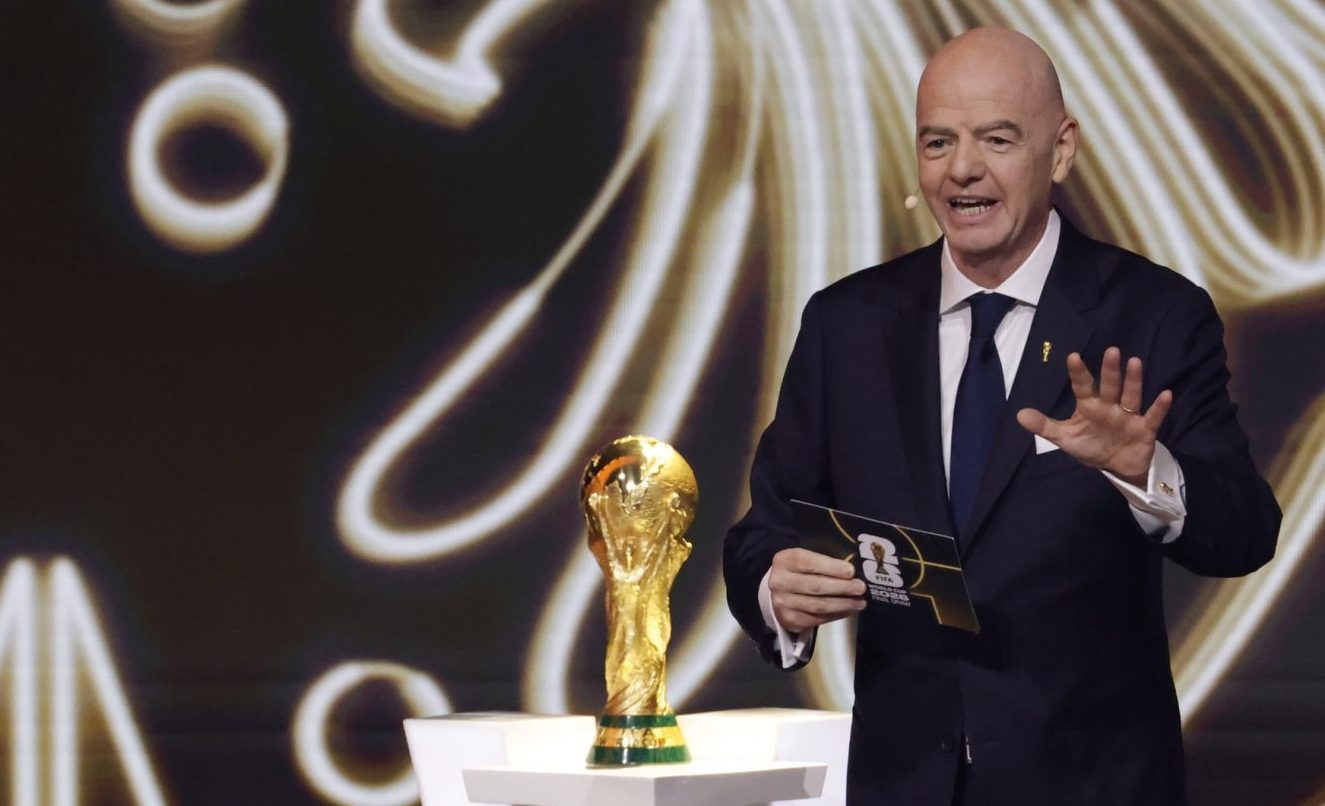
Just before FIFA began this part of ticket sales, it held a glitzy event in Washington, D.C., to finalize the draw for the World Cup.