Former NFL pro Jason Wright helped professionalize the Commanders during a five-year run as team president that coincided with fallout from ex-owner Dan Snyder’s controversies and a then-record $6.05 billion sale of the franchise.
Now, he’s focused on making sure women’s sports doesn’t repeat a boom-and-bust cycle through his leadership of Project Level, a fund from Ariel Investments that has secured $250 million and is still raising money. Wright, who played seven seasons as an NFL running back, made history when he was hired by the Commanders by becoming the first black team president in NFL history. He aims to turn a surge of interest in women’s sports into durable, long-term growth.
“I got the rare experience of 30 years’ worth of NFL team president’s experience in five years, for better or for worse,” Wright tells Front Office Sports. “I wanted to build on that gift to become a more seasoned executive.”
Wright found his next chapter as managing partner and head of investments for Project Level, a women’s sports investment fund from Ariel Investments—a Chicago-based asset management firm with more than $14 billion of assets under management. Project Level, which launched last year under the leadership of co-CEO and president Mellody Hobson, has already tied the record for largest investment vehicle focused exclusively on women’s sports and the surrounding ecosystem—a $250 million fund from Monarch Collective set that record last year. Project Level has made two investments—in the Denver Summit expansion NWSL team and League One Volleyball.
In addition to teams and leagues in the U.S. and Europe, the fund will target adjacent real estate and other businesses, from ticketing platforms and data analytics companies to parking lot operators and janitorial services providers.
“Those things are unsexy compared to the teams and leagues that make headlines,” Wright says. “But they’re really important for making sure the guest experience is world-class, that these teams grow at a sustainable rate, and that stadium complexes have a differentiated bill of events that bring in additional revenue.”
Project Level has more deals in the works, including a data analytics provider that could soon become a portfolio company and a potential investment in a women’s league that is “on the one-yard line,” Wright tells FOS.
The fund’s investors include men’s sports team owners, private-equity families, and more—most of the investments have been made through family offices, according to Wright. He says the aim is to reach its ultimate fundraising goal by the end of 2026. While he declined to disclose how much Project Level aims to eventually raise before holding a final closing, Wright tells FOS “it is larger than where we’re at with a capital L.”
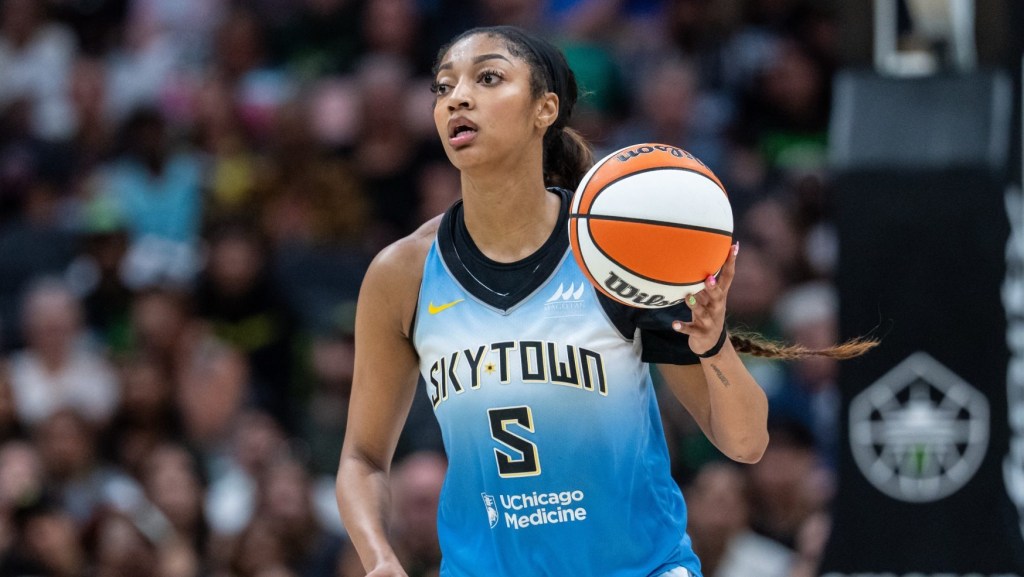
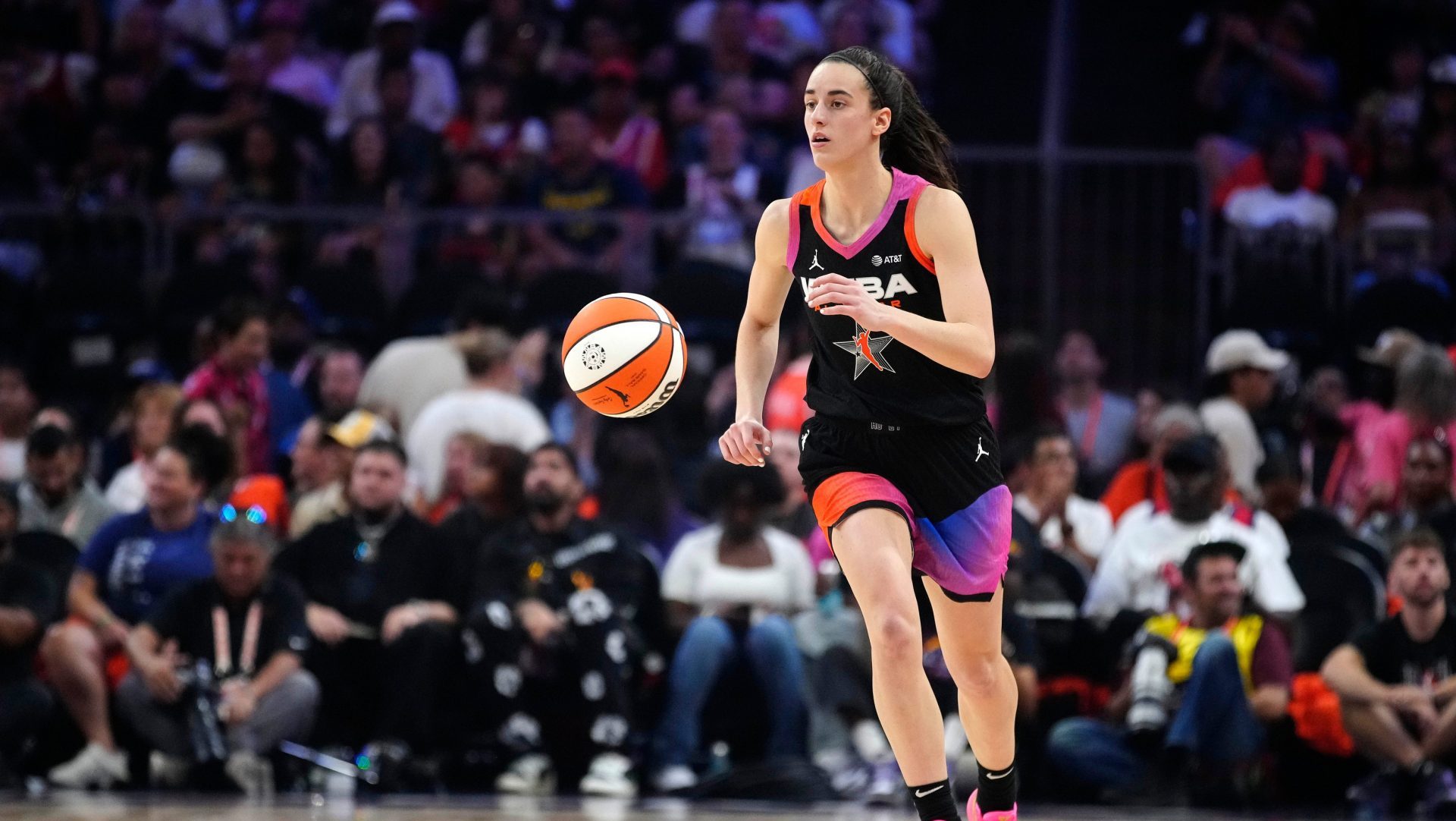
Wright believes women’s sports has entered a structurally different phase than past bursts in popularity, fueled in part by a surge in girls’ youth sports participation, which helps create a pipeline of future fans and athletes, as well as a willingness from younger generations to find, and watch, emerging sports leagues on digital platforms.
“Now that Caitlin Clark and others have catalyzed a new moment of interest, this time, the network is there to capitalize on that interest instead of letting it peak and go,” Wright says.
The current growth of women’s sports is uncontested. Last March, Deloitte projected that global revenues in women’s sports would surpass $2.35 billion in 2025, up from $1.88 billion in 2024. That report said “the focus now moves beyond demonstrating potential to helping build a lasting legacy of success by delivering unique and tailored experiences.”
Wright compares men’s sports to the large-cap companies in the stock market, like Nvidia or Microsoft, while women’s sports is the undervalued investment that could make investors rich in the long term.
“There’s strong commercial momentum that is going to last longer than just a flash in the pan,” Wright says. “It’s going to be a great 10-year run no matter what, even if we all fumbled it. But if we do this right, this becomes a 30-year run on these assets that will continue to grow even faster than men’s sports.”