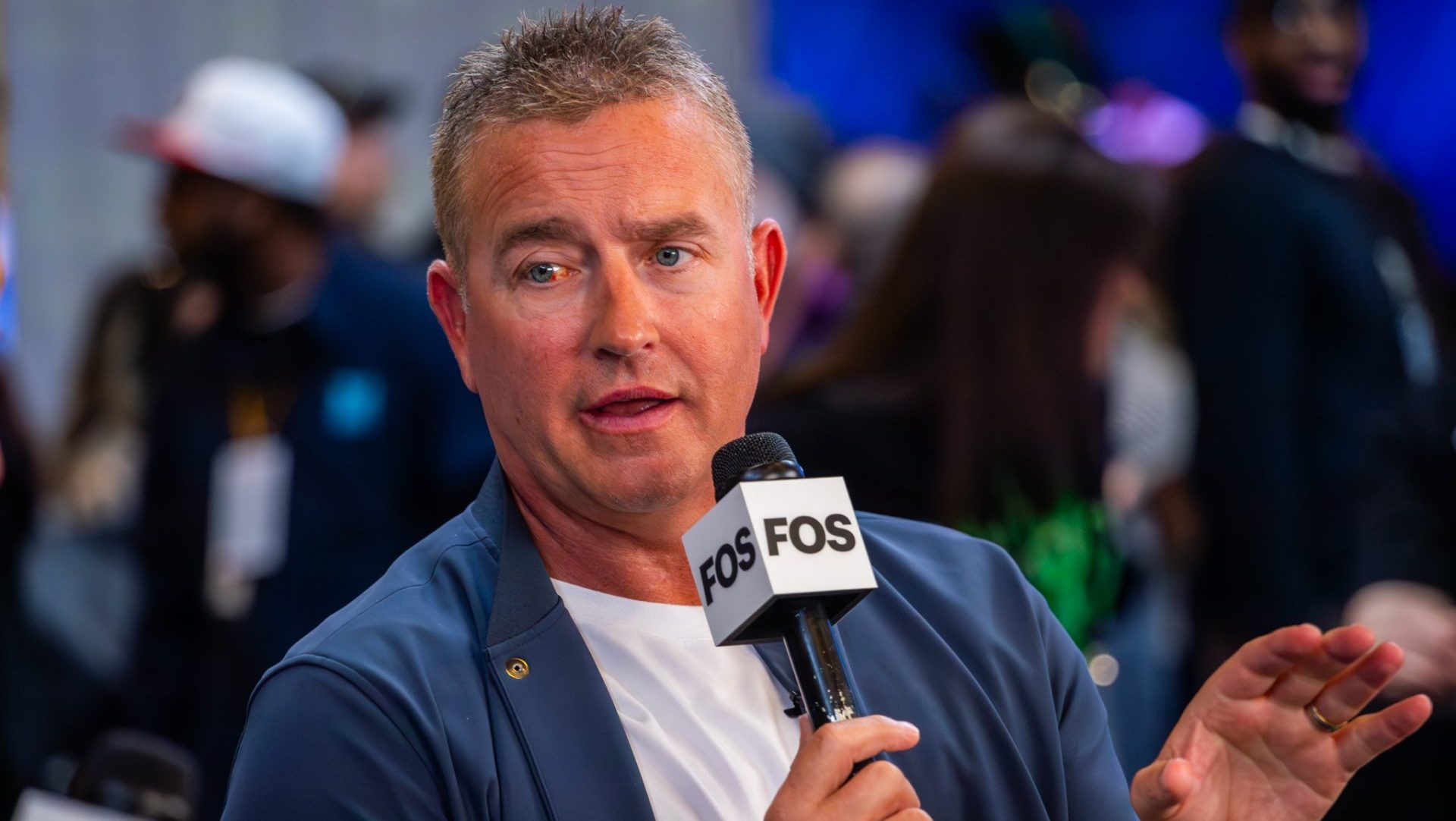
SAN FRANCISCO — College football has “a really big problem.” At least according to ESPN college football analyst Kirk Herbstreit, who sat down with Front Office Sports Thursday at Radio Row ahead of Super Bowl LX.
Herbstreit says the sport needs a commissioner, collective bargaining with players, and for the Power 4 conferences to break away into their own league.
“Imagine if the NFL didn’t have Roger Goodell, but the AFC South had a commissioner, the NFC South had a commissioner, the AFC East had a commissioner, and all the way around,” Herbstreit said. “And then you ask them all to get on the same page. Meanwhile, they all have their own goals, their own agenda. That’s what we have in college football.”
That was especially evident when the College Football Playoff decided not to expand in 2026 after the Big Ten and SEC could not agree on the structure of a new format.
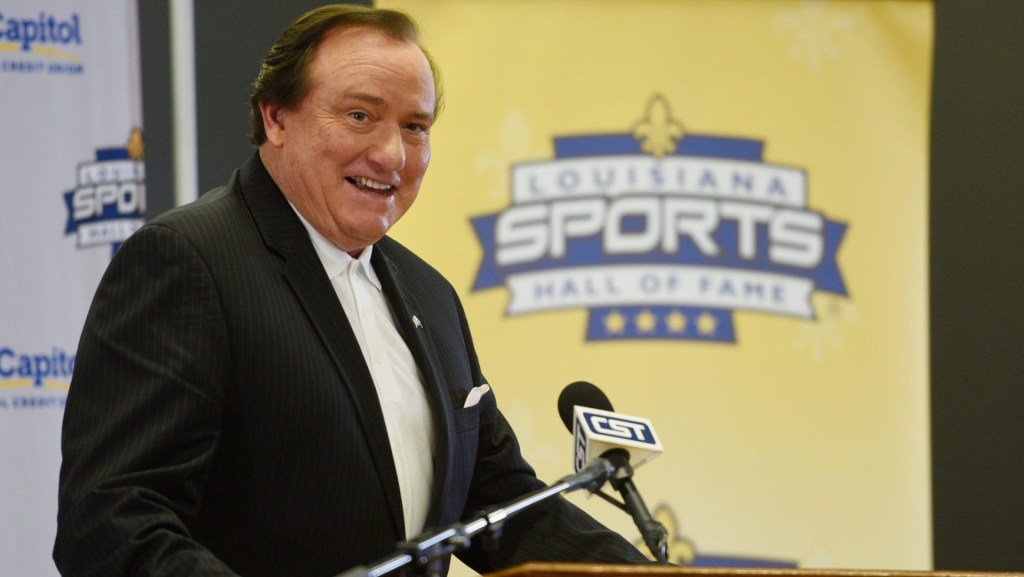
While Big Ten commissioner Tony Petitti is “worried about Champaign, Illinois, West Lafayette, [Indiana]; Columbus, Ohio; Ann Arbor, [Michigan]” his counterpart at the SEC, Greg Sankey, is “worried about Starkville, Mississippi,” Herbstreit said. “You think he’s worried about Evanston, Ill.? No, he’s worried about his constituents, his presidents, his ADs, his coaches, his players, and he should be. But we don’t have anybody governing the sport from a national perspective. And until we do, we’re kind of spinning our wheels.”
The solution? “We need a commissioner,” Herbstreit said. But that’s only part of the plan.
“I think the Power 4 needs to break away, create their own world, create their own governing body,” Herbstreit said. “Allow the Group of [6] to kind of create their own world, allow them to have their own playoff, much like at FCS and Division II and III. Just create a new level, which would be the Power 4.”
Money Matters
Collective bargaining may also be part of solving college football’s off-field problems, according to Herbstreit.
“If we need to unionize the players to allow them to create a CBA, to avoid the antitrust laws, make the rules, come to an agreement like the NFL does on both sides,” he said. “I just think that’s the only way. If we don’t go there, I just don’t know how people aren’t going to threaten to sue.”
Duke recently reached a settlement with former quarterback Darian Mensah to resolve litigation stemming from his decision to transfer (ultimately to Miami). Duke claimed he violated the terms of a contract with the school in the first-ever lawsuit filed by a school against a current athlete over an NIL (name, image, and likeness) and/or revenue-sharing contract.
“I think players need to have some accountability,” Herbstreit said. “We went from one extreme [to another]. … Now the players have all the cards. You go from no cards to all the cards.”
Ultimately, Herbstrait believes the current state of college football is “hurting the players, even though they’re making a lot of money.”
“We’re hurting their long-term health, their long-term growth as an individual,” he said. “When you become an NFL player—or you don’t become an NFL player, which is 98% of these guys—where are you going? What’s your future? And I just think we need to do a better job somehow of painting that picture and getting people, agents, parents to buy into … Let’s plan for 40 years, not for two years.”