Baseball’s mightiest team is getting mightier still, and it potentially holds large-scale implications for upcoming labor negotiations between MLB owners and players.
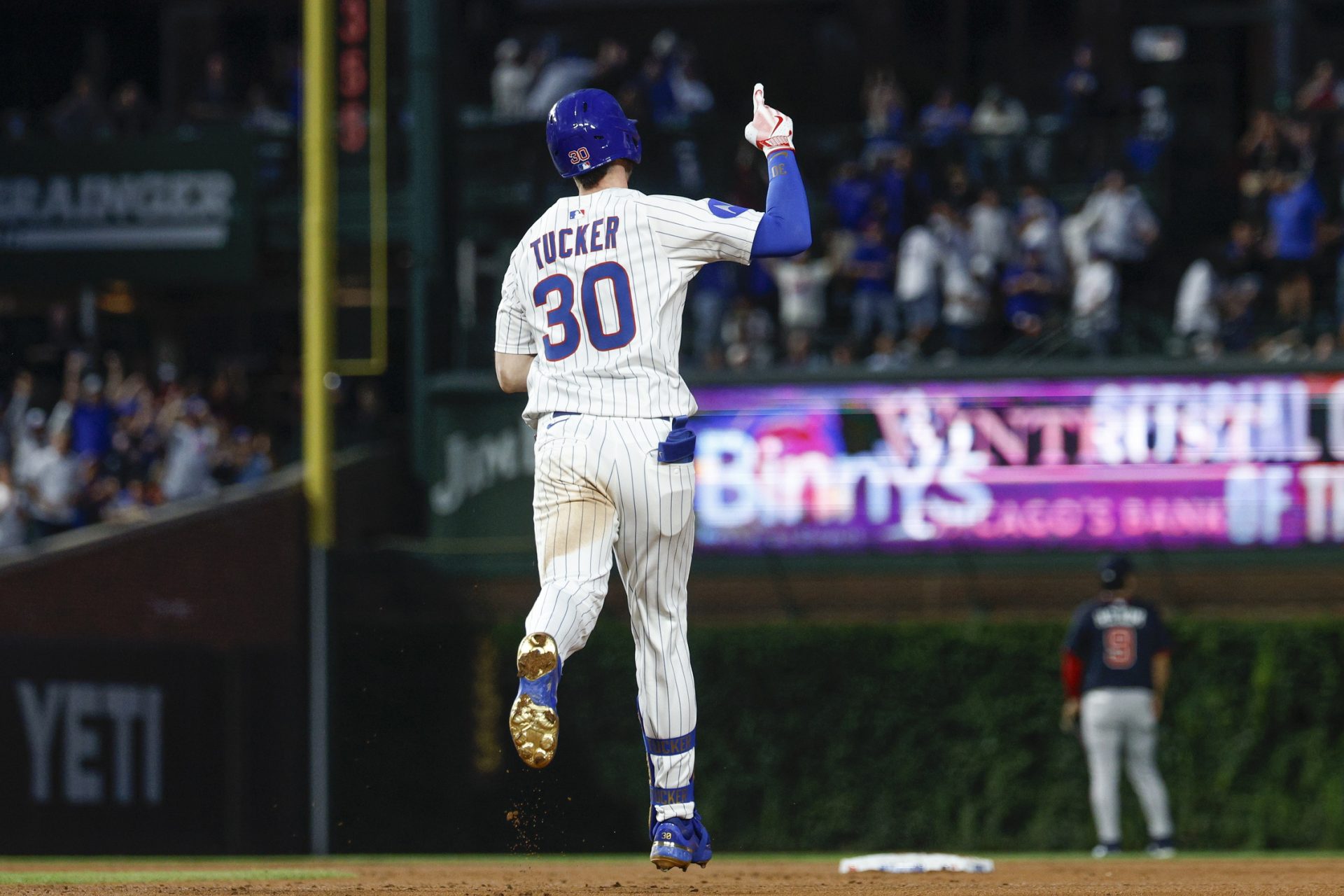
The Dodgers, MLB’s two-time defending champions, have struck a four-year, $240 million pact with outfielder Kyle Tucker, the consensus top available player in free agency this offseason. The deal has only $30 million in deferrals in a divergence from common team practice, and it has an average annual value of $57.18 million for luxury-tax calculations—topping Mets outfielder Juan Soto for the top present-day outlay in the league.
Los Angeles, meanwhile, now has a 2026 luxury-tax payroll of $413.6 million before final salaries are set for pre-arbitration and arbitration-eligible players. That is 30% higher than the league’s No. 2 spender, the Mets. The Dodgers also now have more than $2.1 billion in total guaranteed compensation commitments, 67% larger than the second-largest MLB team on that list, the Padres.
Tucker will join a star-studded Dodgers team that already includes Shohei Ohtani, Mookie Betts, Freddie Freeman, and Yoshinobu Yamamoto, among many others, and Los Angeles fended off many other suitors for the former Cub and Astro, including the Mets and defending AL champion Blue Jays. The Tucker contract includes player opt-outs after the second and third years.
Bargaining Matters
To be clear, the Dodgers remain fully compliant with the current collective bargaining agreement between the owners and players, which expires Dec. 1. This year’s massive payroll, following 2025’s final outlay of $417.3 million, will carry a hefty luxury-tax bill late this year—one that the team plans to pay willingly.
For last season, Los Angeles paid $169.4 million in luxury tax, by far the most in MLB. That’s 85% more than the No. 2 payer, the Mets, and a sum more than the 2025 payrolls of 12 MLB clubs. The money is used in part to fund player benefits and retirement accounts, as well as for a supplemental commissioner’s discretionary fund.
The forthcoming season will bring many of the same trends—but at amplified levels.
The still-growing economic difference between the Dodgers and the rest of MLB is all but certain to escalate the calls for the league to level the economic playing field. Several team owners, most notably the Rockies’ Dick Monfort, have already been on record in favor of a salary cap or another cap-like structure.
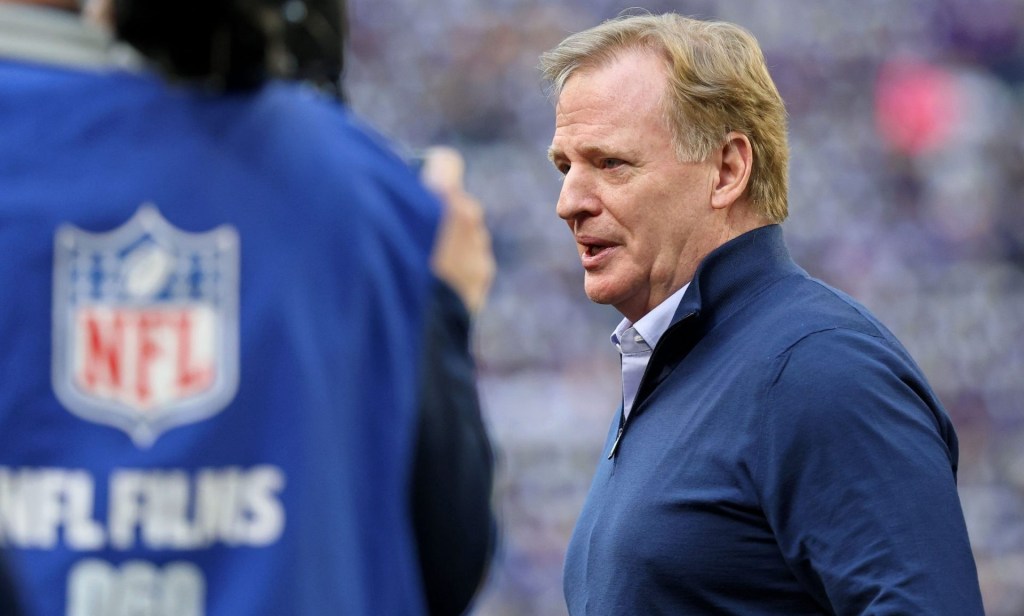
In part because of that, the union has long feared that owners will propose a cap in upcoming talks that are expected to be fractious. MLB commissioner Rob Manfred has consistently said that management has not yet finalized its first bargaining proposal to the players. What Manfred and the owners have started to communicate, though, is a growing competitive balance issue they are increasingly hearing about from fans.
“We have a significant segment of our fans that have been vocal about the issue of competitive balance, and in general, we try to pay attention to our fans, so it is a topic of conversation,” Manfred said in November.
The Tucker deal and the ongoing dominance of the Dodgers, meanwhile, only increase the tension surrounding the labor situation.
“The biggest issue to think about is not that the Mets came in second or that Toronto came in second [for Tucker],” said former Marlins president David Samson on his show, Nothing Personal. “Your focus should be on what does this mean for the industry? … Will there be [at least] eight owners who get together and demand change?”
Samson’s comment refers to the 75% threshold in ownership votes needed to pass many league matters, including with labor. A coalition of at least 8 of 30 club owners is sufficient to block passage of a proposal.