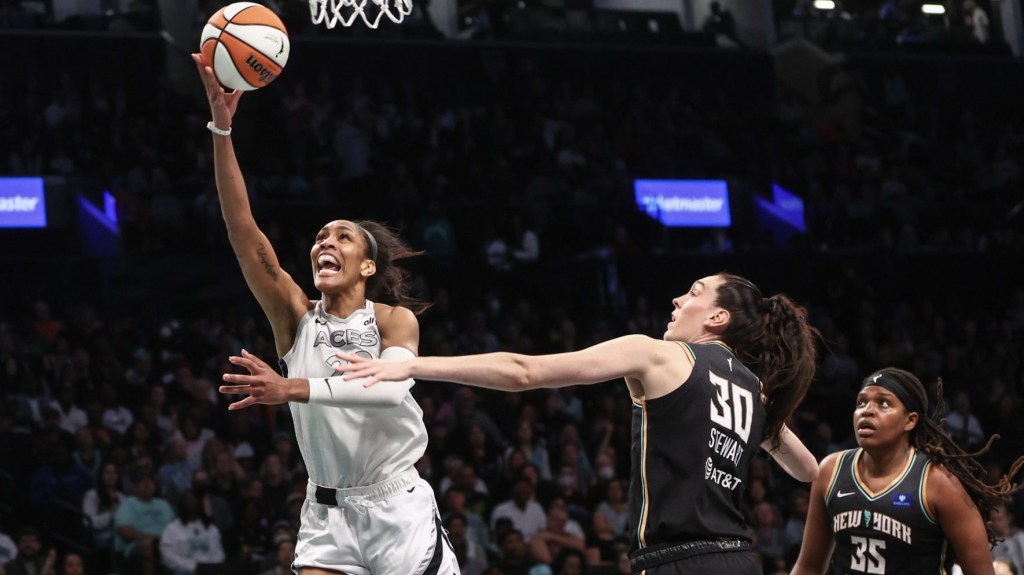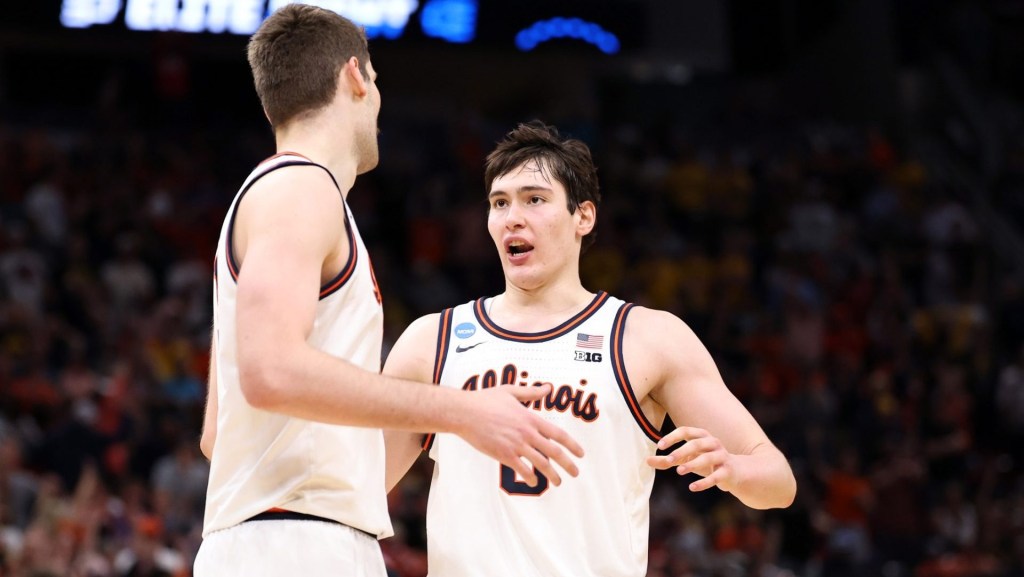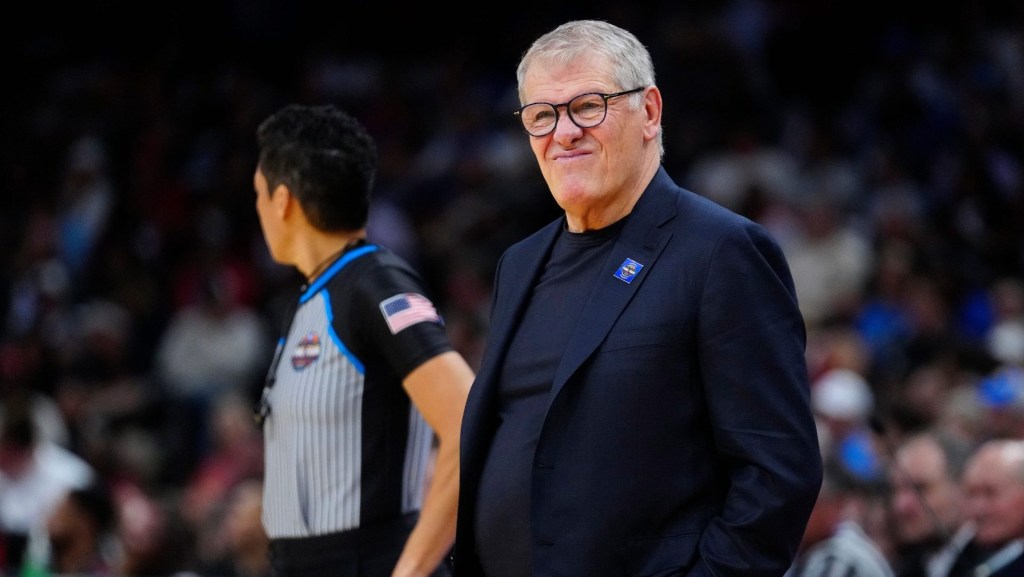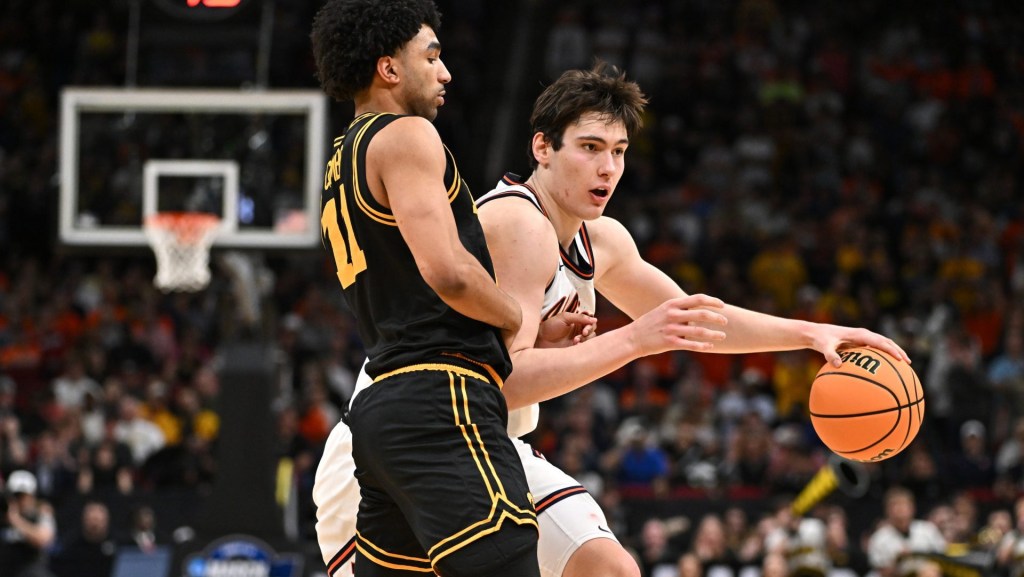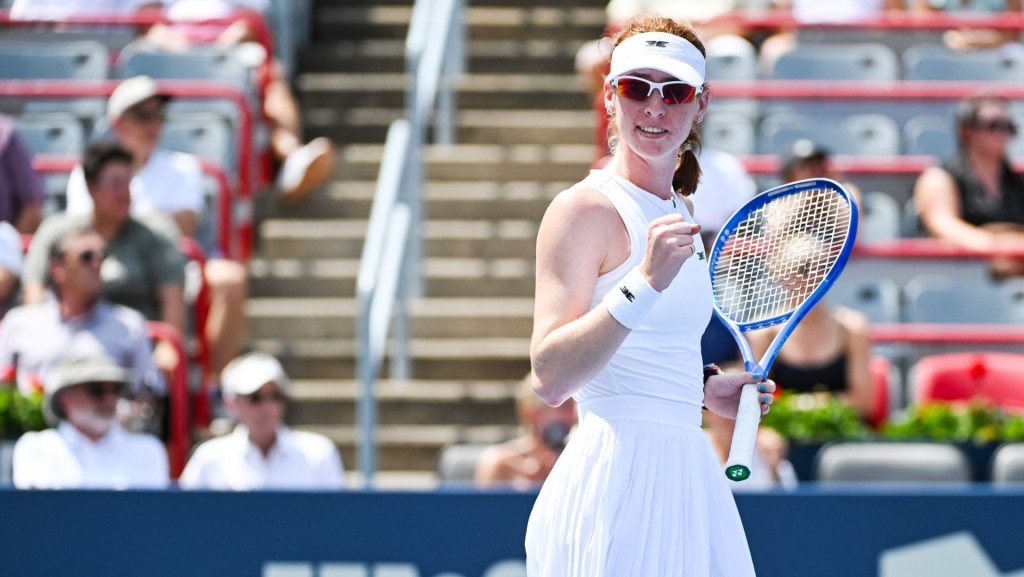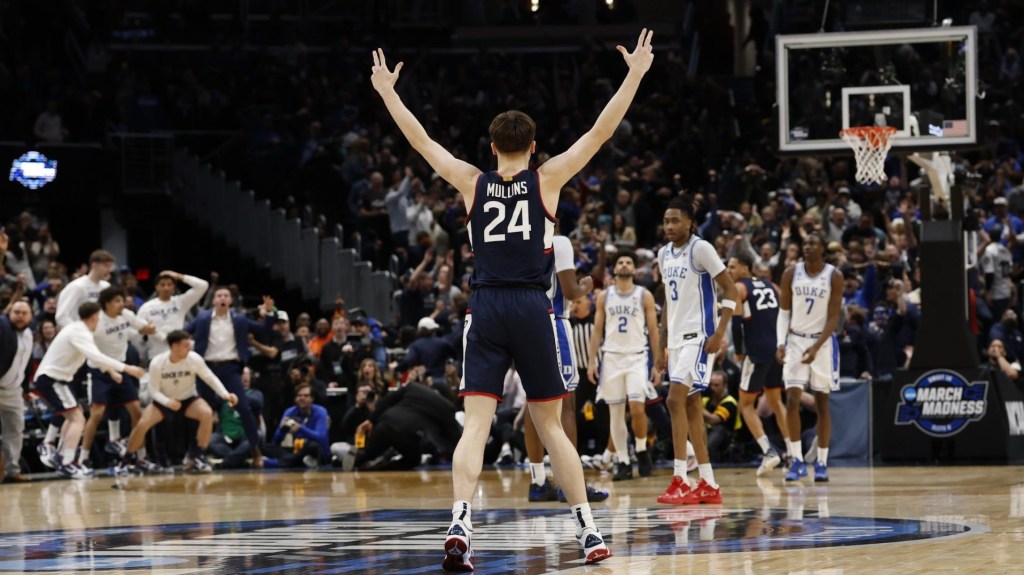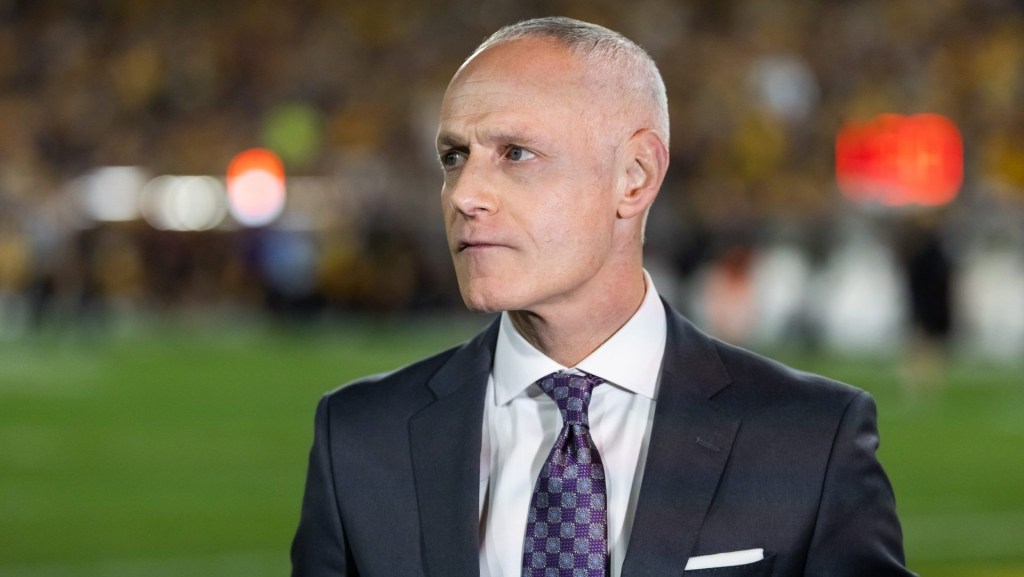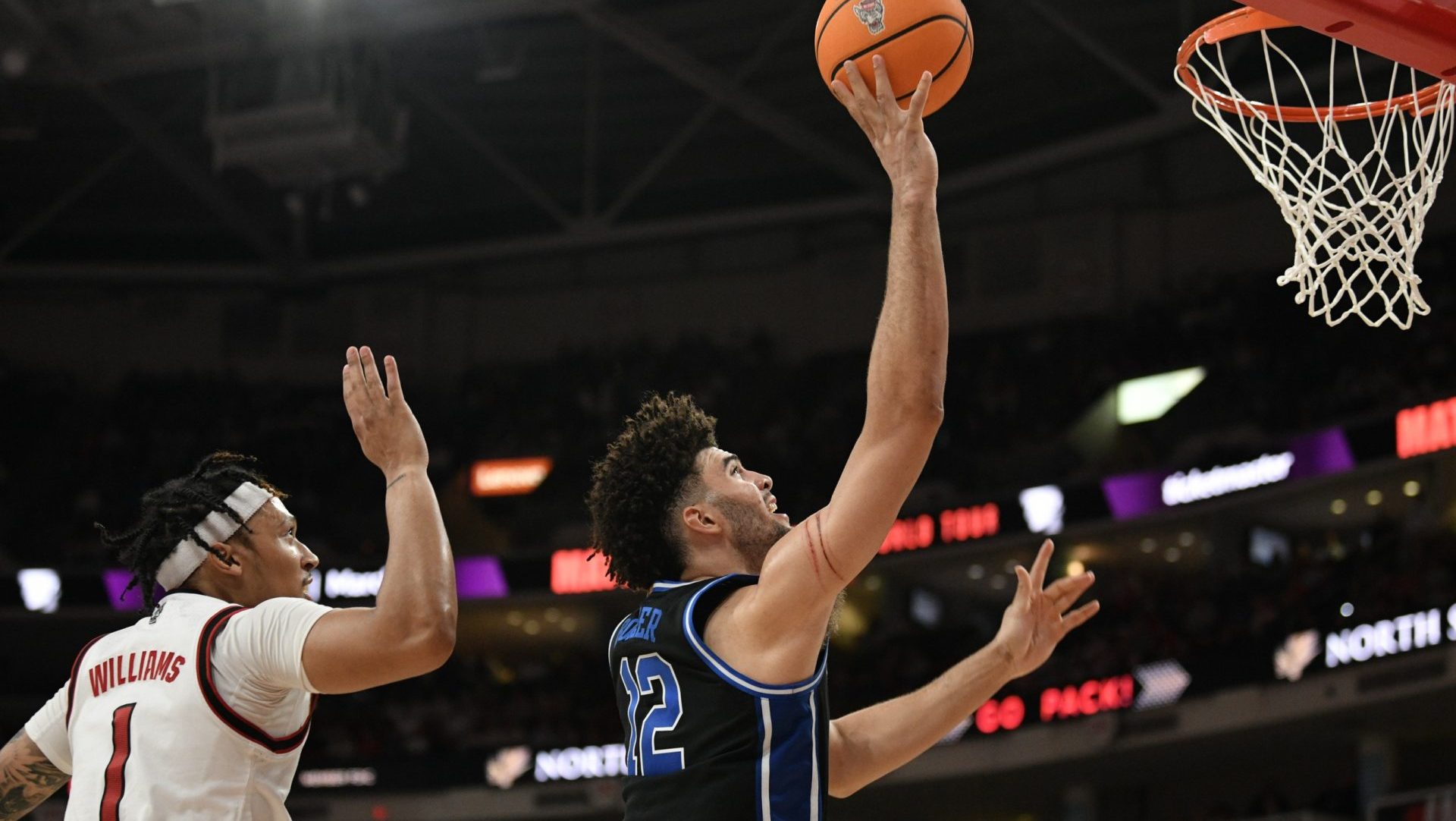
Due to a standoff between photography wire services and a college basketball event organizer, none of the major photo wire services provided pictures of one of the biggest men’s college basketball matchups of this season.
The photo wires run by the Associated Press, Thomson Reuters’ Imagn, and Getty Images photo services refused to send photographers to No. 1 Duke’s win over No. 3 Michigan in Washington, D.C., on Feb. 21 due to a dispute over the credential policy of the event’s organizer, The Gazelle Group. Awful Announcing first reported the absence of the photo wires from the game on Tuesday.
“The access restrictions imposed by the Gazelle Group directly conflict with AP’s standards as an independent news organization,” the Associated Press said in a statement to Front Office Sports on Tuesday.
Imagn didn’t respond to a request for comment.
This time of year, most college basketball games are run by the conferences. But event operators offer neutral-site non-conference games throughout the season, as they can sell their own media rights and operate under their own rules.
The Gazelle Group, which facilitates such events, required photographers to grant it free use of photos taken at the event if they received a credential. As a result, no photographers from the three major wire services attended the game.
Last October, the National Press Photographers Association “warned” its members against signing a waiver along with their credential request, according to photography trade publication PetaPixel. The Gazelle Group then attempted to negotiate with photographers by only requiring them to sign away the rights to three photos taken at the game, though the company promised to credit them. The NPPA held firm, and the wires ended up not sending any photographers to the Duke-Michigan game.
“Getty Images has taken the editorial decision not to cover college basketball games and tournaments managed by the Gazelle Group if credentialing terms are conditioned on providing an irrevocable, free license that grants no-cost promotional usage rights on its content,” Getty Images said in a statement to FOS following the original publication of this article. “Such restrictions are inconsistent with Getty Images’ rights as a copyright holder and editorial news organization to determine how its content is used for marketing and social media promotion without permission or compensation, raising serious First Amendment and press freedom concerns.
“Getty Images is a trusted source of editorial imagery for publishers around the world as well as commercial partners, bringing high-quality sports coverage with the proper model and property releases for both editorial and commercial uses. Editorial integrity is core to Getty Images as a business, along with supporting photographers and their IP rights in the industry”
In an interview with FOS on Wednesday, Gazelle Group president Rick Giles called the decision not to send photographers “puzzling.” He said that the Gazelle Group’s goal was to avoid being hit with exorbitant fees for using wire service photos in their own event materials, and that the company had no intention of profiting from the photos or selling them on its own. He added that 40 photographers attended the Duke-Michigan game.
“We’re not charging anybody,” he said. “We’re not denying anybody access. We have a condition that were asking people to agree to in order to come and photograph our content. … We welcome all of those wire services. We’re very welcoming to everybody.”
The Gazelle Group did not respond to FOS‘s request for comment.