Want more from Front Office Sports
in your search results?
Over the past several months, collectives have been framed as the scandalous side of NIL.
There have been reports of million-dollar deals being used as recruiting inducements and rumors of bidding wars. They’ve drawn the ire of Nick Saban and countless other college sports officials, who think they could ruin the future of college sports by facilitating pay for play.
But athletes and industry experts told Front Office Sports that currently, collectives are much less powerful than the headlines would suggest. And instead of “ruining” college sports, collectives could be an efficient and lucrative resource for athletes — and hardly a dark underbelly of college sports.
The Current Landscape
Generally, NIL collectives are groups of donors, alumni, boosters, and local businesses who pool resources to provide NIL opportunities for athletes at a certain school. Some are providing deals using their own businesses, while others are acting as agencies, facilitating opportunities for athletes.
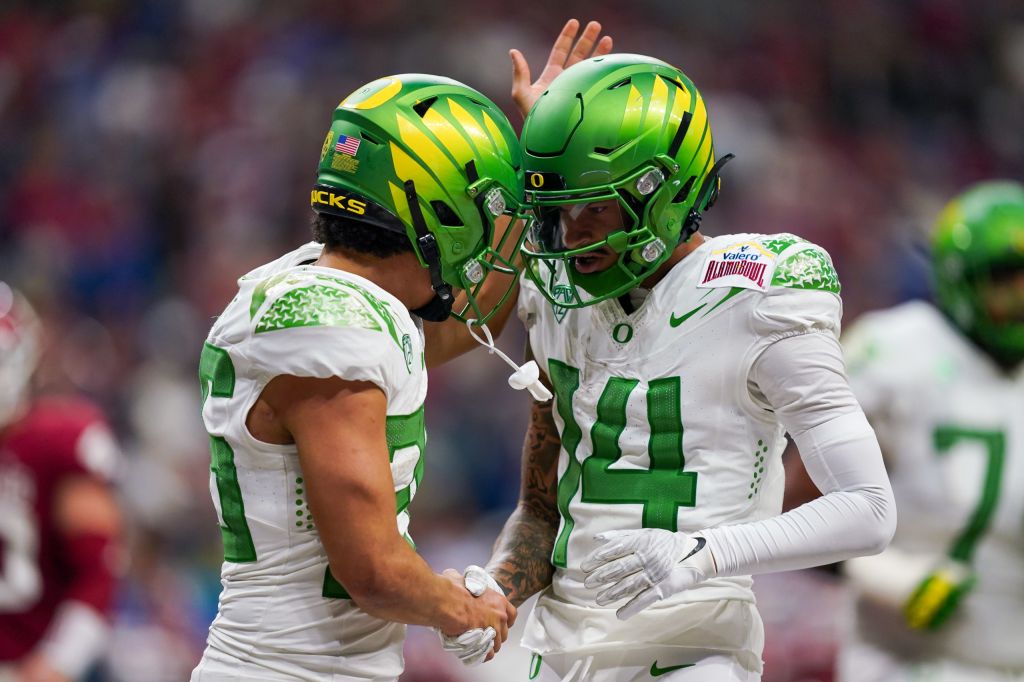
There are more than 60 active collectives, according to Business of College Sports. A few, like Oregon’s Division Street or Tennessee’s Spyre Sports collective, are well-funded and active. The ones offering six, seven, or even eight-figure deals are also in the vast minority.
But, Opendorse CEO Blake Lawrence told FOS that according to his data, the media coverage around collectives has made their impact seem larger than it is. “There’s a big gap between the collectives that have figured it out…and those that are creating a lot of buzz through announcements, but aren’t doing much in reality.”
Positive Cases
Front Office Sports spoke with athletes who all believe collectives are currently benefiting athletes — and can continue to do so in the future.
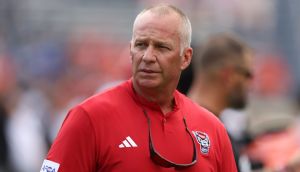
Over this first year of the name, image, and likeness era, NC State offensive lineman Tim McCay has done all of his deals through an NIL collective called the “Pack of Wolves.” He was the first athlete to sign with the group, and he says his experience so far has been positive.
“They’ve really helped me connect with donors and alumni,” he told Front Office Sports at the first-ever NIL Summit in Atlanta earlier this month. McCay is now an ambassador for the group and is helping with some NFT development.
NIL trailblazer and former Rutgers guard Geo Baker thinks his alma mater’s collective is working well. The Knights of Raritan is focused on procuring deals for current athletes, he said, rather than trying to get into the recruiting landscape.
But he noted that at other schools, the deals that could be considered recruiting inducements are just deals that probably would’ve been under the table anyway.
The Future Factors
Experts agree that collectives aren’t going away. In the next few years, the big questions are how much they’ll influence recruiting, and how much they’ll actually benefit athletes.
With updated guidance in May, the NCAA itself tried to push collectives out of recruiting altogether:
- The policy said that boosters were not allowed to communicate with potential recruits at all — including about NIL deals. Coaches aren’t allowed to promise deals, either.
- At some point, multiple legal experts predict that the NCAA will attempt to punish a collective — potentially further clarifying the rules for the rest.
But the NCAA hasn’t been successful so far at kicking collectives out of recruiting. And even if the rules get stricter, collectives can still have an above-board influence.
How? Kennyhertz Perry attorney Mit Winter predicted that in coming years, collectives will develop reputations — and won’t have to talk to recruits at all. Coaches “can say, yeah, look over here at this, we have this collective, and here are some historical deals that they have done with guys on our team, and here are the range of those deals.”
The success of collectives for athletes could also depend on who is running the collective. Are they following the rules? Are they offering fair contracts?
Mike Hamilton, executive vice president of the university partnership group at Learfield — and former Tennessee athletic director — added another major piece to the collective puzzle: “How will the return on investment be defined?”
If a donor offers a major deal to an athlete who doesn’t end up playing well, will that donor think twice about doing an NIL deal in the future? Hamilton believes that over time, the market will “self-correct.”
The crux of the collective issue is that it’s created an above-board way for boosters to pay athletes — something the NCAA has always considered taboo. But finally, schools will have to grapple with an issue they can no longer prevent.
Download the FOS App
The business of sports, in your pocket.



Scan the QR code to get the app now.