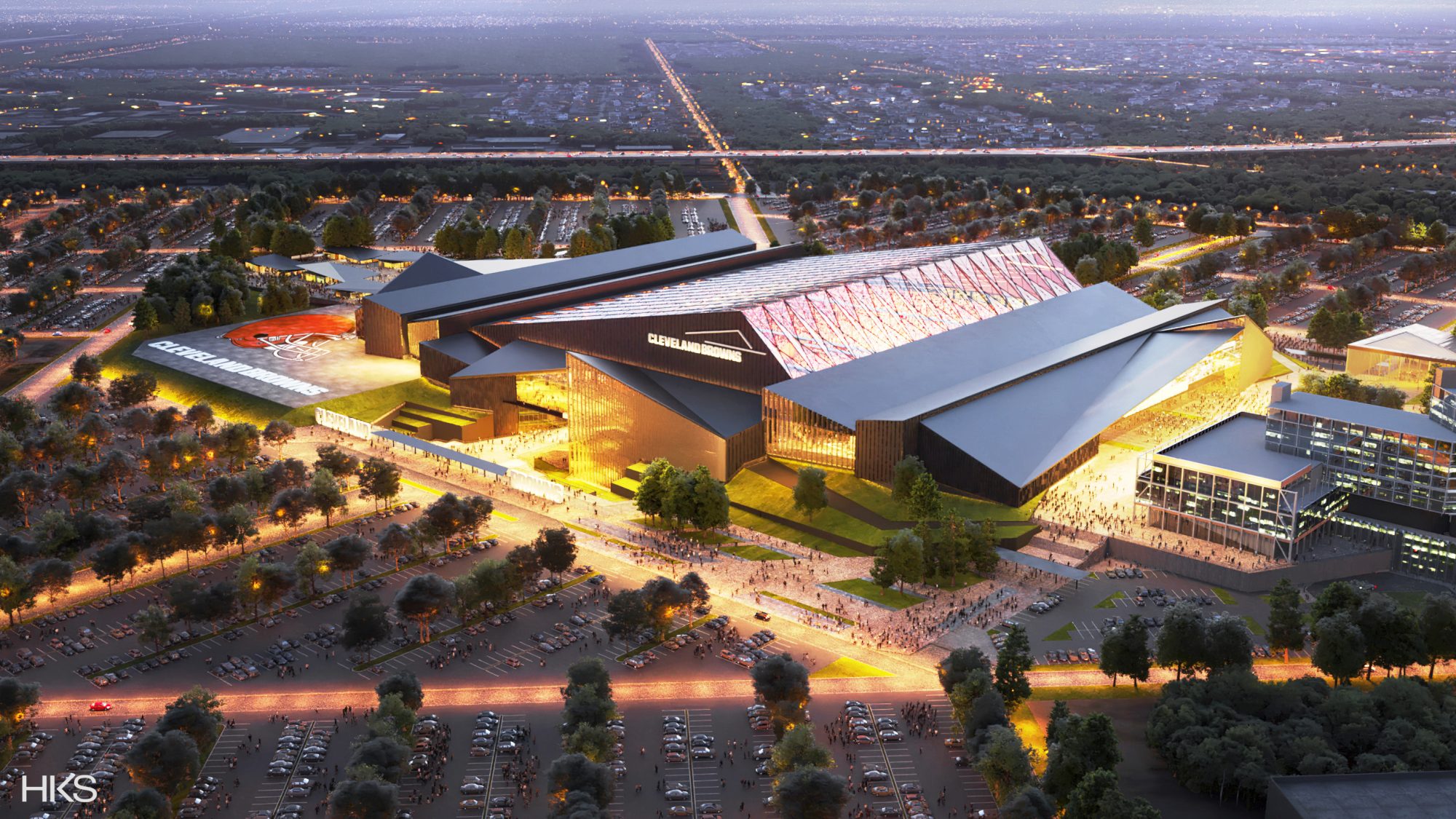
The Browns have cleared the last major obstacle in front of their $2.4 billion plan to build a domed stadium and mixed-use development in Brook Park, Ohio, as the Cleveland City Council approved a $100 million settlement deal enabling the move.
By a 13–2 vote, the city council passed the agreement first struck in October between the NFL team and Cleveland Mayor Justin Bibb—but not without some notable changes.
The original pact called for $70 million in cash payments from Browns owner Haslam Sports Group to the city, in multiple tranches, along with covering the estimated $30 million cost of razing the city-owned Huntington Bank Field. The city council’s assent retains that core of the agreement, which is focused in part on the redevelopment of the lakefront area where the current stadium is located. It adds, however, clarifying good-faith language, as well as up to $3 million in additional payments from HSG if the Browns stay at the current stadium beyond a planned exit in early 2029.
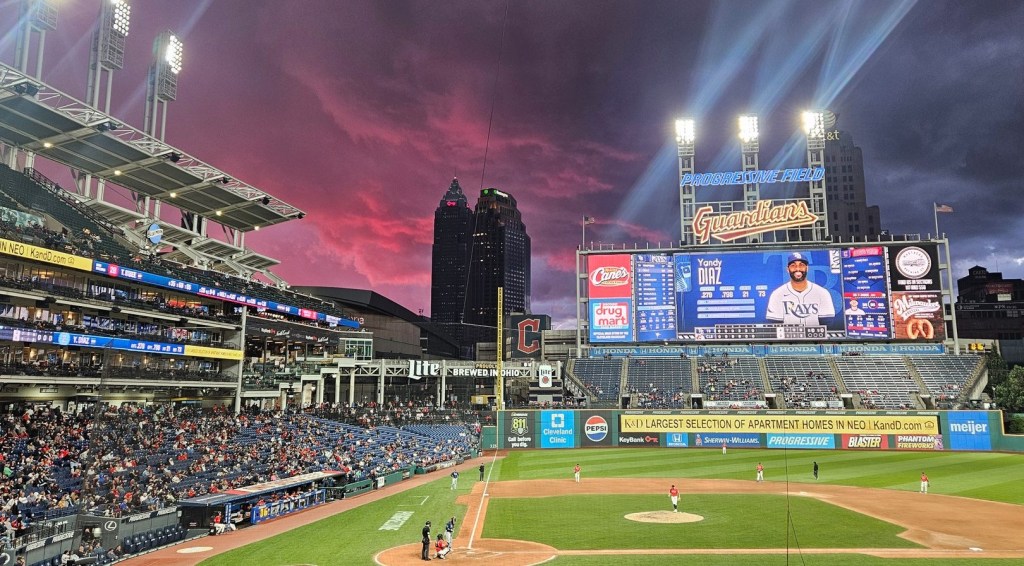
Perhaps most important to the Browns, though, the legislative approval also includes the release of legal claims that had threatened to scuttle the entire Brook Park project. City officials had attempted a variety of maneuvers to block the deal, and prior doubt around the council approval had represented another potential roadblock to the plan. Before these final modifications, Bibb had signaled there wasn’t wiggle room in the HSG deal.
“From Day One, I made it clear that any deal involving our city’s assets must protect the city’s general revenue fund and deliver real value for Cleveland. This agreement does exactly that,” Bibb said. “It resolves longstanding issues, safeguards the city’s financial interests, and positions us to move ahead with clarity and purpose.”
Looking Ahead
The new venue is slated to open for the 2029 NFL season. Following the council vote, the Browns touted not only the forthcoming arrival of that project, but the remade lakefront and a forthcoming modernization of Cleveland Hopkins International Airport, adjacent to the planned stadium.
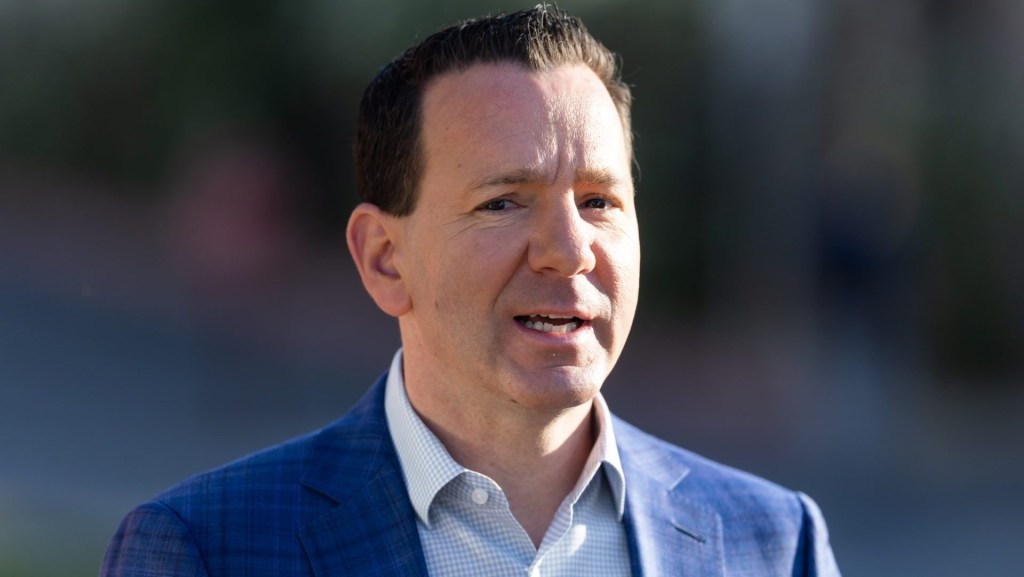
“These projects all reinforce our belief that Northeast Ohioans should have it all,” said HSG president Dave Jenkins. “We are confident that with continued collaboration, our region is set up for incredible growth and prosperity.”
There are still two outstanding legal cases relating to the Browns’ planned move, one relating to Ohio’s former Modell Law, and another regarding the state’s use of unclaimed funds to help fund the stadium. Both are still pending, and outside of the city’s purview. Neither, however, is expected to derail the project, even if they survive, and construction is expected to begin in earnest next year.
The Browns are part of a fast-growing stadium boom around the league, one that includes venues under construction in Buffalo and Tennessee, a recently approved deal in Washington, D.C., a newly announced plan in Denver, and ongoing deliberations in Kansas City and Chicago.