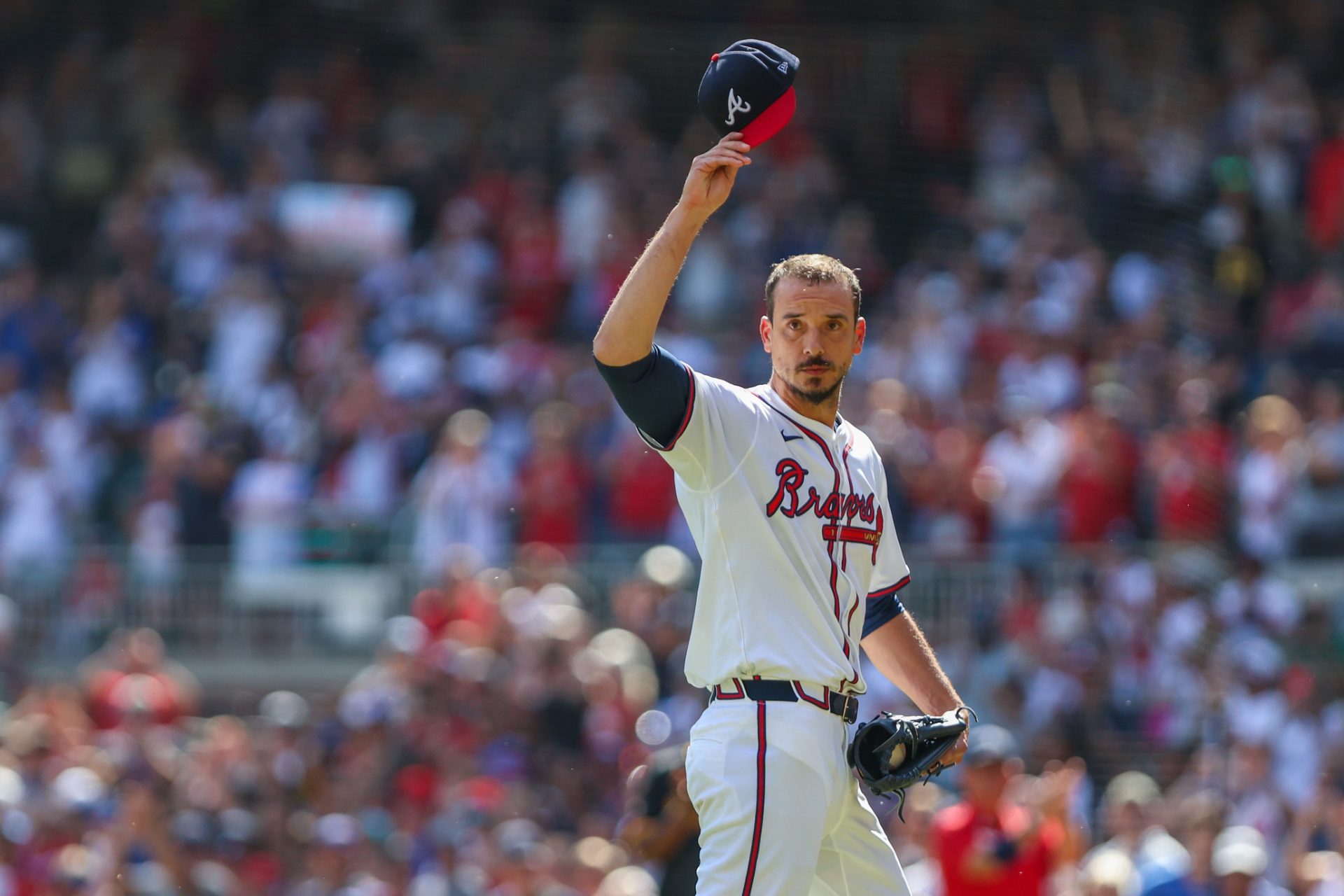
Amid another banner year financially, the Braves believe they have created a structure to weather the ongoing disruption in the media business.
A day after the club unveiled BravesVision, its new in-house network to produce and distribute local game broadcasts, Braves executives lauded the effort as a “defining moment” in franchise history. In particular, the club described BravesVision as something leaning heavily in to advantages it has, including Atlanta’s expansive market territory and its internal capabilities.
The venture began after Atlanta was one of nine MLB teams to walk away earlier this month from the embattled Main Street Sports Group, parent company of the FanDuel Sports Network.
“With Main Street out of the way, the Braves now have their local rights back, and instead of going through a third-party regional sports network to monetize these rights, we will be stepping into the Main Street role,” said Braves chair Terry McGuirk in a call with analysts.
“We are fortunate to have much of this expertise in-house at the Braves … and we have one of the largest [local] television territories in baseball, which affords us the opportunity to optimize our financial outcome and is a factor that provides us an advantage that no other Main Street team has,” McGuirk said.
The Braves did not detail financial projections from BravesVision, but said more specific indicators from the effort will begin to be seen in the team’s second-quarter earnings report. Braves CFO Jill Robinson acknowledged, however, there will be “a difference in how the cash flow comes in” with the club running BravesVision instead of licensing the rights.
“The demand for our product remains incredibly high, which makes the job of re-engineering the distribution system much easier,” McGuirk said.
Big Results
The club, meanwhile, posted an 11% increase in total revenue in 2025 to $732.5 million, and a 172% surge in adjusted operating income to $107.8 million. The Braves’ revenue from The Battery, the mixed-use development that has influenced dozens of other pro teams, grew 45% during the year to $97.4 million—a figure that by itself is more than the 2026 luxury-tax player payrolls of the Marlins and Guardians.
Compared to just four years ago, the Braves have added nearly $150 million to their annual revenue.
The bullish results arrived despite Atlanta missing the postseason in 2025 for the first time in eight seasons, and attendance falling slightly to 2.9 million, in part due to the injury-marred campaign. Helping boost that were club-record levels of ticket and sponsorship revenue.
Fourth-quarter results, however, were dragged down by an impairment expense of $30.1 million, primarily tied to the termination of the club’s prior local media rights deal with Main Street Sports. That move preceded the formation of BravesVision.
The Braves are MLB’s only publicly traded team based in the U.S., a status that provides a unique view into the financial workings of the league. The club is currently carrying a luxury-tax payroll of $246.6 million for the 2026 season, eighth highest in MLB and somewhat behind their previously stated goal of being a “top-five salary team.“