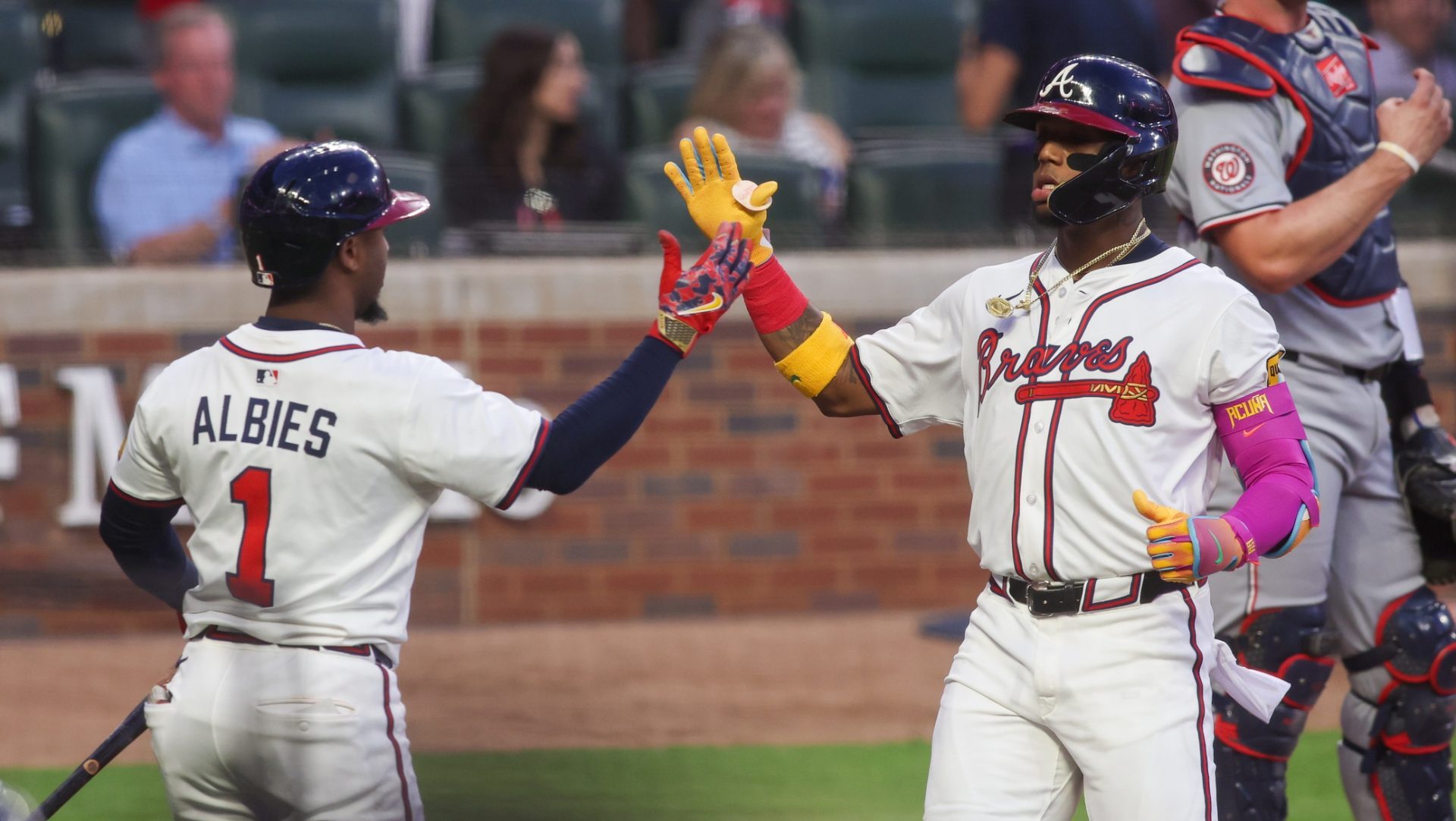
The Braves built much of their brand through the original WTBS superstation. Now, in a very different media environment, the MLB club is pursuing a somewhat similar television concept.
The publicly owned Braves unveiled on Tuesday its BravesVision, a team-owned and operated network to serve as the club’s local television home. The effort follows the Braves’ recent departure from the embattled Main Street Sports Group, parent company of the FanDuel Sports Network. All nine of the MLB clubs previously tied to Main Street Sports, including the Braves, formally departed earlier this month.
Rather than rely heavily, or entirely, on the MLB Media in-house league program, as the other eight clubs did, Atlanta is forming its own network. The initiative has clear echoes of WTBS, which like the club itself, was previously owned by media mogul Ted Turner. The Braves will control all of the production, sales, marketing, and distribution of games within BravesVision.
“This endeavor will bring the most vital link to our fanbase—our television broadcast—back under the control of this organization,” said Braves president and CEO Derek Schiller. “Generations of Braves fans were raised watching games on a network that shared ownership with the baseball team. With BravesVision, we believe that we can present Braves baseball in new and innovative ways.”
Within the BravesVision framework, the club intends to strike carriage deals with a variety of cable, satellite, and streaming services. Among those avenues is the MLB Media platform for streaming, as Braves.TV will be made available on a direct-to-consumer basis, without blackouts. The Braves are also renewing a prior over-the-air broadcast deal with Gray Media to show a select number of games on that company’s stations.
In a Big Country
The streaming element of BravesVision will give the club an expanded geographic footprint—somewhat similar to the national presence of WTBS that made prior Braves stars such as Dale Murphy and Bob Horner household names.
BravesVision, however, will fundamentally rely on an expansive market territory that reaches seven states in the U.S. Southeast, and beyond the Atlanta market itself, extends to other key regional locales such as Charlotte, Nashville, Memphis, and Charleston. Since long before the RSN disruption that led to the Main Street Sports issues and the formation of BravesVision, that territory has stood among the largest and most enviable in MLB.
The Rangers last year made a similar move, forming the Rangers Sports Media & Entertainment Company and the fan-facing Rangers Sports Network.
The Braves are set to discuss the new venture further on Wednesday when it reports its fiscal fourth-quarter earnings.