Want more from Front Office Sports
in your search results?
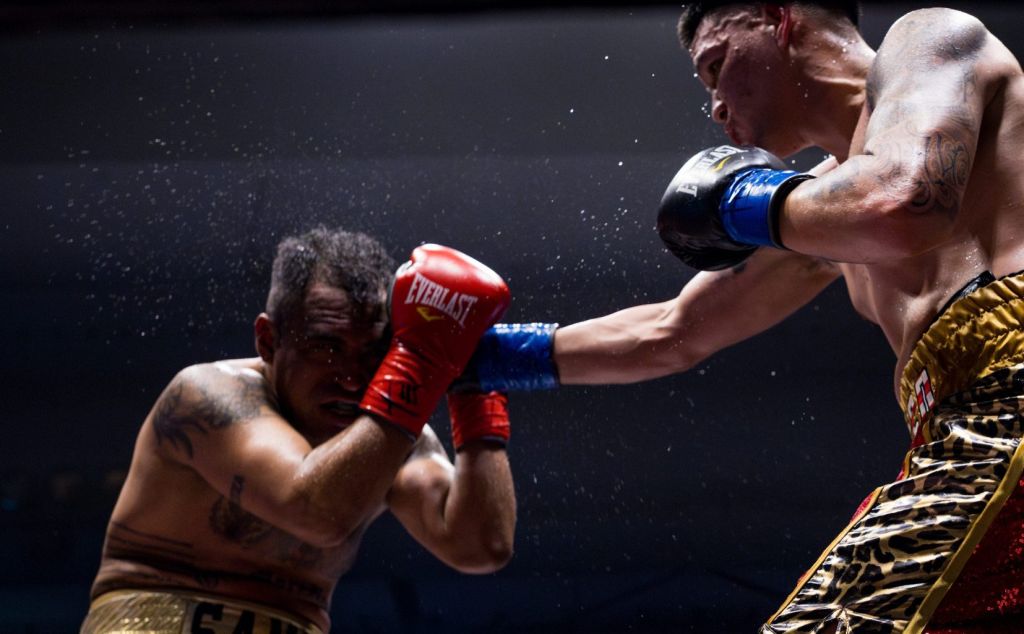
As political division grows further in Washington, there is at least one issue with clear bipartisan support: reforming professional boxing in the U.S.
The House Committee on Education and the Workforce advanced a bill last week named for boxing legend Muhammad Ali and designed to elevate professional standards around the sport. The bill, passing by an overwhelming 30–4 margin, would create unified boxing organizations (UBOs), parallel to existing sanctioning bodies, and it would also implement enhanced minimums for fighter pay and health standards.
The vote on the Muhammad Ali American Boxing Revival Act follows the introduction of the bill last summer and a hearing on it held in early December.
“This is going to protect fighters and people thinking about entering the sport. We’re very encouraged,” Rep. Brian Jack (R., Ga.), a key backer of the legislation, tells Front Office Sports. “The vote was so bipartisan that I am really encouraged about [the bill’s] prospects going forward and what this could do to help bring boxing back to becoming one of the premier sports in America again.”
The 30 “aye” votes came from 19 Republicans and 11 Democrats.
The bill is now positioned for a full floor vote in the House. It will bear watching, however, whether this legislation—and plenty of other bills—will get delayed due to another potential federal government shutdown in the wake of last weekend’s killing of a Minnesota man by federal immigration agents. Last fall, progress on the Ali Act was delayed by several matters unrelated to the bill, including a record-setting, 43-day government shutdown and an adjournment of the House to avoid a vote on the Jeffrey Epstein matter.
Zuffa Boxing, the new entity involving WWE and UFC parent company TKO Group Holdings and its partners, is a key backer of the legislation. If successful, Zuffa Boxing would operate in some respects similarly to UFC—where complaints persist about the power of parent company TKO Group Holdings, and UFC last year reached a $375 million settlement over long-running allegations of suppressing fighter pay.
Bill Changes
Amendments in the legislation, however, will increase boxer pay to a minimum of $200 per round, up from a previously discussed figure of $150 per round, and minimum insurance coverage for fighter injuries sustained in a bout is being doubled to $50,000.
Additionally, boxer contracts can be no longer than six years, providing a level of flexibility for athletes. A newly added free-agent provision would also allow fighters to contact rival UBOs or promoters in the final 30 days of existing contracts. Another approved amendment is designed to discourage the benching of fighters and would provide at least $2,000 in compensation in the absence of a bout within any six-month period.
Download the FOS App
The business of sports, in your pocket.



Scan the QR code to get the app now.