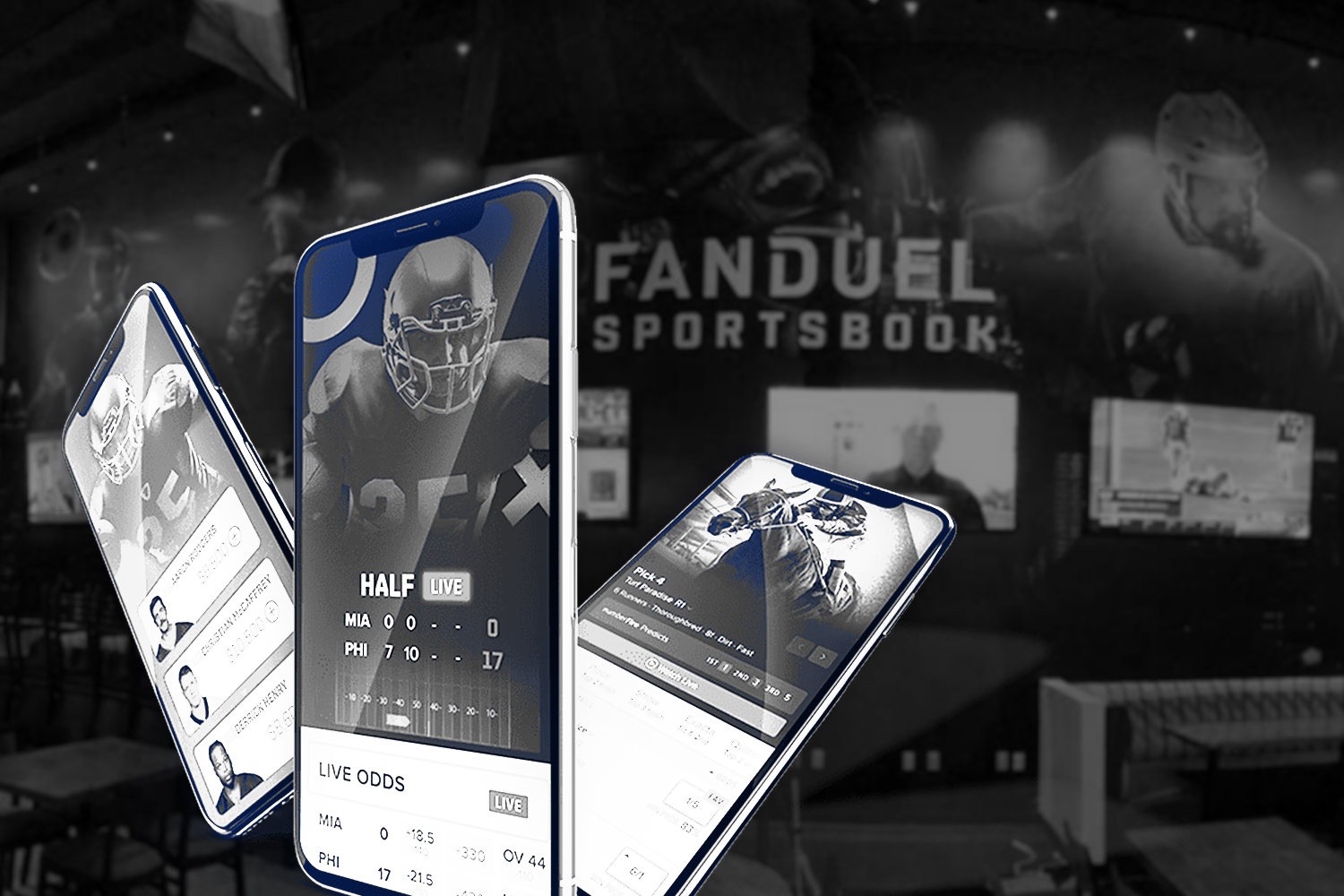
FanDuel and DraftKings are the subjects of two lawsuits filed this week alleging they deliberately designed their apps to be dangerously addictive, causing severe financial and mental health consequences for users.
One suit, filed March 24 in Pennsylvania state court, names FanDuel, its parent Flutter Entertainment, DraftKings, the NFL, and Genius Sports as defendants. The other, filed March 25 in Massachusetts state court, names DraftKings, FanDuel, and Flutter.
Both claim the companies knowingly and intentionally coerce users into betting large amounts of money by using data to target them with “microbets,” which are wagers based on events like the outcome of the next pitch in an MLB game or whether an NFL quarterback’s next pass will be completed—also known as prop bets.
The Massachusetts plaintiff, Daniel Arroyo, says he was “sucked into a vicious cycle of gambling addiction that has led to economic losses, mental anguish, and the physical manifestations of that mental anguish.” Arroyo claims he ultimately left his job to “further his gambling addiction,” and that in total—thanks to targeted ads and push notifications that compelled him to place bets—he lost almost $160,000 on FanDuel and roughly $20,000 on DraftKings. He says he is “now in therapy due to his gambling addiction, anxiety, depression, irritability, and other physical symptoms from his 2024 gambling addiction diagnosis” as a result of being hooked on these platforms.
His suit features seven counts, including negligence, intentional misrepresentation, and unjust enrichment. It demands his gambling losses be reimbursed, plus additional damages to be determined at trial.
The Pennsylvania plaintiffs, Christopher Sage and Terry Thompson, similarly allege that FanDuel and DraftKings purposely employ predatory tactics to “drive customers toward Microbetting.” Sage claims to have lost $130,000 on FanDuel and $40,000 on DraftKings, while Thompson lost $1.52 million on FanDuel and $336,000 on DraftKings.
“Through their use of artificial intelligence and sophisticated analytical software, FanDuel and DraftKings can collect and analyze detailed behavioral data about each of their customers,” that suit says. “They then use this behavioral data to generate and market personalized gambling opportunities based on each customer’s unique wagering history and app usage.”
The NFL and Genius Sports are accused in the Pennsylvania suit of providing data to help with targeted betting promotions despite knowing the ill effects on bettors.
“Genius Sports and the NFL Defendants not only facilitate but encourage and profit from microbetting through their supply of officially-licensed real-time game and player data to online sportsbooks, including DraftKings and FanDuel,” the suit says.
The Pennsylvania suit features 16 counts, including unfair trade practices, negligence, and unjust enrichment.
A representative for DraftKings tells Front Office Sports the company is aware of the suits but is not commenting. A representative for FanDuel declined to comment. Representatives for the NFL and Genius Sports did not immediately respond to requests for comment.
The plaintiffs in both suits are represented by the Public Health Advocacy Institute. That organization’s director of gambling policy, Harry Levant, is a former problem gambler who in 2015 was sentenced to parole and eight months of probation over claims he stole nearly $2 million total from a dozen clients during a two-year period and lost all of it gambling.
The complaints come the same week that DraftKings escaped similar allegations in a Pennsylvania federal lawsuit. There, a judge determined DraftKings cannot be held liable for the gambling habits of its users.
Meanwhile, the suits also follow a jury finding that Meta, parent company of Facebook and Instagram, and Google, which owns YouTube, were negligent in failing to warn users of the dangers of their platforms. The technology companies were held liable for the deterioration of the mental health of a woman who claimed she became addicted to the online platforms when she was younger. The jury awarded a total of $6 million in damages.
Jennifer Hoekstra, a partner at Aylstock Witkin Kreis & Overholtz—the law firm representing the plaintiff in the Massachusetts lawsuit—told ESPN that companies like DraftKings and FanDuel can install stronger safeguards for their apps but choose not to, and that they operate similarly to Meta and Google by tailoring their products “to the individual user.”
Hoekstra, who had a role in the discovery and briefing process in the Meta and Google case, told ESPN “when you log in, the algorithm knows who you are and what you’re interested in. It pops up, so it becomes more addictive for that person.”
She did not immediately respond to a request for comment.