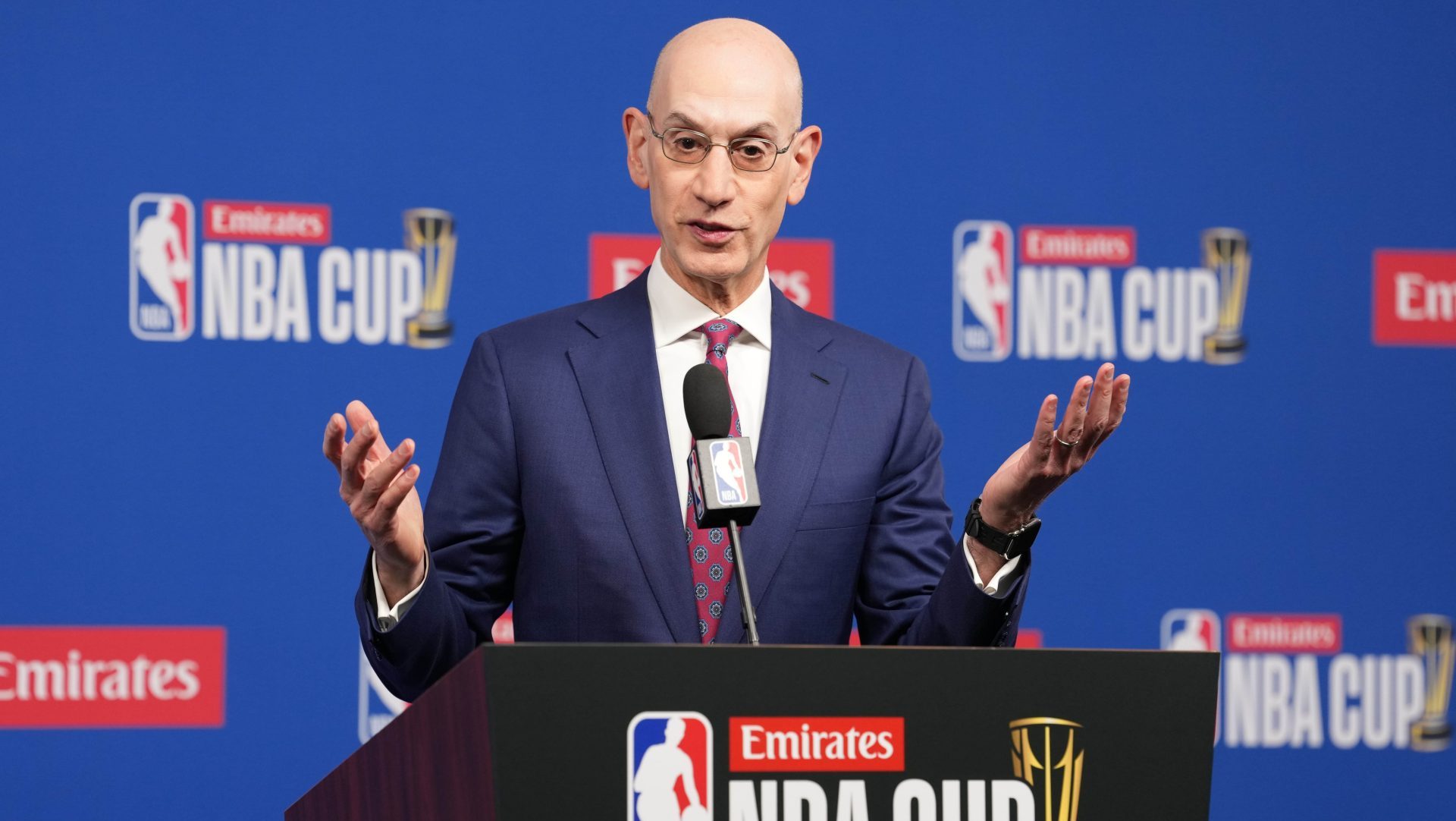
NBA commissioner Adam Silver has a lot on his plate.
Roughly eight weeks into the season, he’s already facing a gambling scandal, an investigation into the Clippers for alleged salary-cap circumvention, and the league’s potential future in Europe.
On Tuesday night, Silver vowed to take on another high-level item on his to-do list: the WNBA’s collective bargaining agreement.
“We’re available to do whatever is necessary to help get a deal done,” Silver said ahead of the Knicks’ NBA Cup win over the Spurs. “I’m encouraged by the fact they extended the deadline once again into January. Presumably the sides wouldn’t have been willing to do that unless they thought there was a constructive path to getting a deal done.”
Later in his nearly two-minute-long answer Silver said, “I remain optimistic we’ll get something done.”
The WNBA and WNBPA are more than a year into negotiations for a new “transformational” CBA and coming up on a Jan. 9 deadline, the result of a second extension. As both sides continue to exchange proposals—with sources telling Front Office Sports meetings are taking place almost daily—players are not feeling as hopeful as Silver.
During a three-day USA Basketball camp at Duke last weekend, the WNBPA’s first vice president Kelsey Plum used the word “disheartening” to characterize the state of negotiations. On a call with reporters Wednesday, three-time WNBA champion Breanna Stewart took Plum’s sentiments a step further.
“More often than not we’re the ones that are willing to compromise and they still aren’t budging,” Stewart, who also serves as a vice president on the union’s executive committee, said. “So if they are not going to budge, we’re going to get to this point where we’re going to be at a standoff. That’s kind of where we’re at right now.”
The salary model has remained the crux of both sides’ discontent.
Earlier this month a WNBA proposal included a $1 million max base salary, according to multiple sources familiar with negotiations. In addition, the league proposed a revenue-sharing model that would give players 50% of a revenue metric that would not include all revenue and would have some expenses deducted. Under this proposed model, players would end up receiving less than 15% of the league’s total revenue, these same sources said.
The salary cap would increase from $1.5 million to $5 million under the league’s latest proposal, bringing the average salary to about $417,000. Projected earnings with the league’s proposed revenue-sharing model factored in would push the average to more than $500,000 and the max over $1.2 million.
The union has since countered with a proposal seeking roughly 30% of all team and league revenue, sources familiar with negotiations confirmed to FOS.
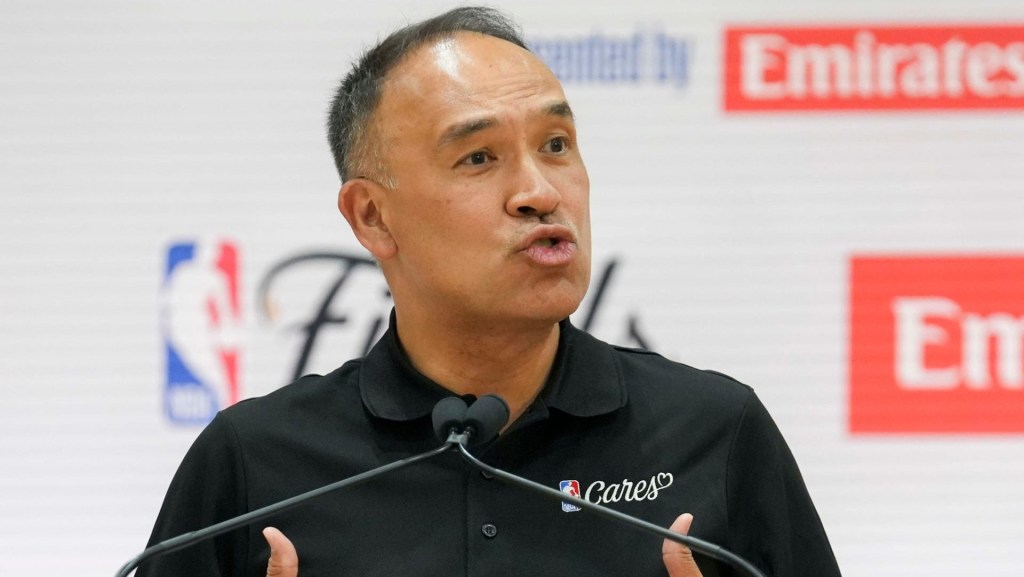
“What we’re doing right now isn’t really getting us anywhere,” Stewart said. “If that means Adam and Mark need to come to the table, we’re more than happy to have that,” she said, referring to Silver and deputy NBA commissioner Mark Tatum.
In addition to swapping economic proposals, the union has also proposed that teams be permitted to add two developmental players. WNBA coaches and executives have been vocal in their support of expanded rosters, including during competition meetings in November.
Erasing the core designation was another non-salary proposal made by the WNBPA, along with improved parental leave for non-birthing parents, reimbursement for mental health care costs, and improved staffing requirements.
“We know as players how important it is to play and to be on the court,” Stewart said. “But at the same time, if we’re not going to be valued the way that we know we should be, in the way that every kind of number situation tells us, then we’re just not going to do something that doesn’t make sense.”