
Within the historic viewership success of the 2026 FIFA men’s World Cup, there was an unmistakable fact: The vast majority of the 104 matches, and many of the key ones, were played during daytime hours for American viewers.
That may have long-term effects for U.S. sports.
In particular, the two World Cup semifinals and the final each started at 3 p.m. ET, far outside of the traditional primetime slotting in the U.S. for such high-stakes competitions. Much of that scheduling by FIFA was a deliberate move to help retain European television viewers, many of whom are five and six hours ahead of the U.S. East Coast, as well as others around the world.
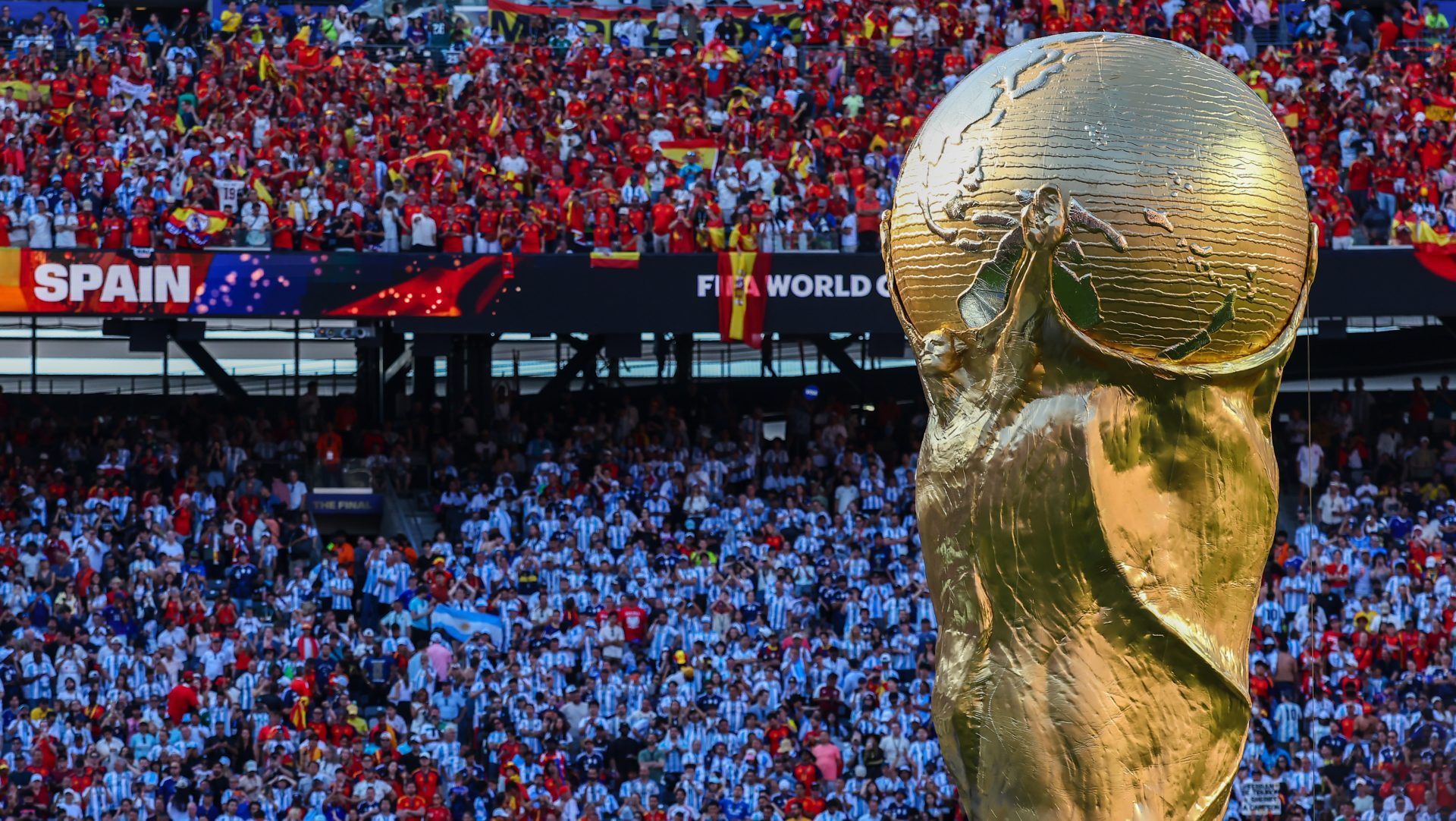
While there was some initial grumbling about those non-traditional broadcast slots, the matches ultimately performed at historic levels with U.S. viewers. In particular, Spain’s win over Argentina in the World Cup final averaged 66.4 million viewers within the match window, representing the largest U.S. audience of any type since February’s Super Bowl LX, and the most-watched non-NFL sporting event since the 1994 Winter Olympics.
So that begs the obvious question: Will U.S. pro and college sports and network rights holders embrace more daytime starts, even on weekdays?
“I think it’s definitely safe to say we’re going to see more movement into these afternoon windows, and earlier windows overall,” Crakes Media president and former Fox Sports exec Patrick Crakes tells Front Office Sports. “You can do that now without sacrificing attendance or sacrificing viewership. The World Cup is an extreme example, but it’s a different world now, and it’s not strictly limited to primetime anymore.”
Viewership Factors
Even before the World Cup, there was growing acceptance and prominence of daytime and non-primetime starts across U.S. sports. Among the notable elements:
- The NFL, of course, is a major factor in this area. Even with growing schedule fragmentation, the league’s Sunday afternoon presence remains a core element, and the Super Bowl begins at 6:30 p.m. ET each year. In recent seasons, the late Sunday afternoon slot has overtaken Sunday Night Football as the NFL’s most-watched individual game window during the regular season. A bigger-than-ever NFL international slate in 2026, on the heels of record-level viewership of those global games last year in the U.S., will also provide an unprecedented number of morning game starts this fall for American viewers—with even more growth to come there in future seasons.
- The NHL in its recently released schedule for the 2026–27 season created an enlarged series of Monday matinee games. Attracting more European viewers is core to that strategy, with the games airing in primetime there. But for North American fans, a series of youth- and family-oriented marketing initiatives will also happen around those games.
- MLB’s expanded 12-team postseason, introduced in 2022, has contained a series of October tripleheaders and quadrupleheaders, beginning in the early afternoon for U.S. East Coast viewers. Within that structure, last year’s playoffs included record-setting viewership for the wild-card round on ESPN, and robust audience growth for the division series on Fox Sports and TNT Sports. The league’s regular season, of course, maintains a large number of afternoon games, and will do so again next year, assuming the 2027 season happens.
- Early Saturday college football pregame shows and live game windows showed sizable audience growth last year on both Fox and ESPN. Fox in particular had the two most-watched games of the regular season, each appearing in that noon ET window and involving Ohio State.
Other leagues and networks contacted by FOS were reluctant to draw direct parallels between normal pro schedules and a major international event held only once every four years. Still, the push toward more earlier starts could amplify further, and for several key reasons.
Perhaps foremost among them is Nielsen’s enhanced ability to measure out-of-home audiences. Nielsen began incorporating out-of-home viewership in official ratings in 2020, and then expanded that tabulation to the entire country early last year.
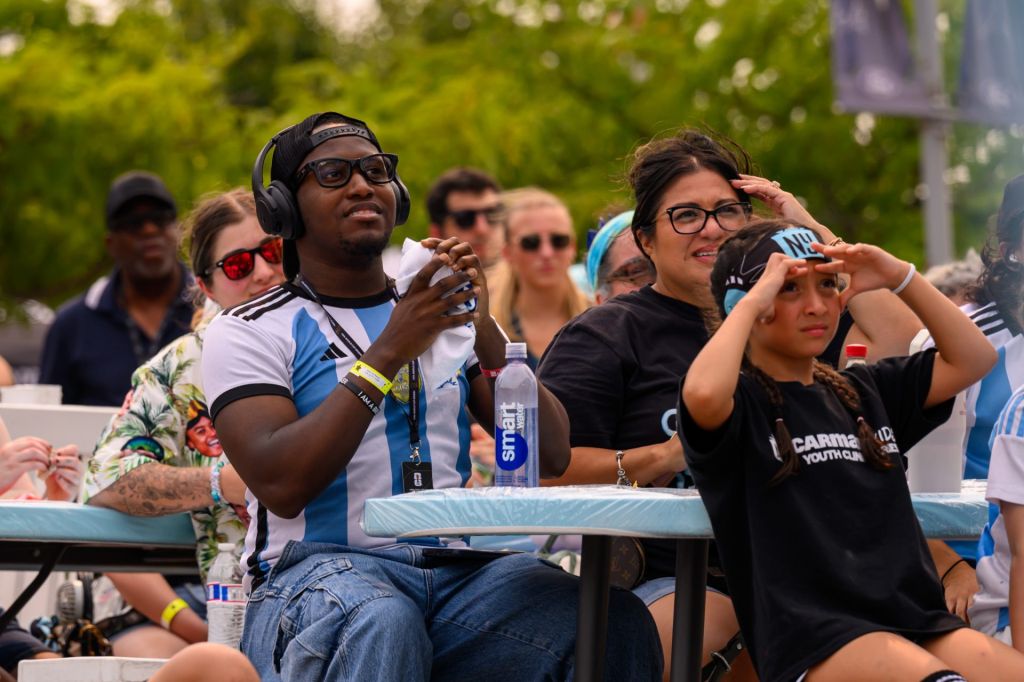
With that element contributing 27% to overall World Cup viewership, and 35% during the final, that has allowed networks and leagues to encourage watch parties and non-traditional viewing patterns like never before.
“While the WC ratings story would have been very strong even if based on only in-home viewing, Nielsen’s out-of-home measurement kicked it into the stratosphere,” said Fox Sports president of analytics and insights Mike Mulvihill. “Nothing has changed our business more in the last decade than counting out-of-home viewing.”
Streaming, screen availability, and work-from-home patterns have also dramatically altered societal norms around where, when, and how fans can watch live sports. In general, traditional limitations on viewer access have fallen dramatically, as the World Cup reinforced, and in those non-traditional settings, those audiences will still be counted and monetized.
“There have been massive changes in how we live, how we work, and how we watch live sports,” Crakes said. “That creates a huge opportunity across the board to open up scheduling.”