
Read in Browser

Front Office Sports - The Memo

Morning Edition

May 29, 2026

POWERED BY

MLB owners have officially pitched implementing a salary cap, escalating labor talks with the players’ union. The proposal—if adopted—would dramatically change how teams spend and share money.

—Eric Fisher

First Up

  • Terry Rozier’s legal troubles in an alleged sports betting scheme escalated after feds added two new counts. Read the story.
  • Expansion is almost certainly coming to MLB, but when and where it will happen are still unanswered questions. Read the story.
  • “Tarps Off” is a viral movement across MLB, with both officially designated sections and fan-led versions. Read the story.
  • NBA owners voted to approve the “3-2-1” draft lottery system that will start in 2027. Read the story.

MLB Labor Talks Escalate With Owners’ Salary Cap Pitch to Union

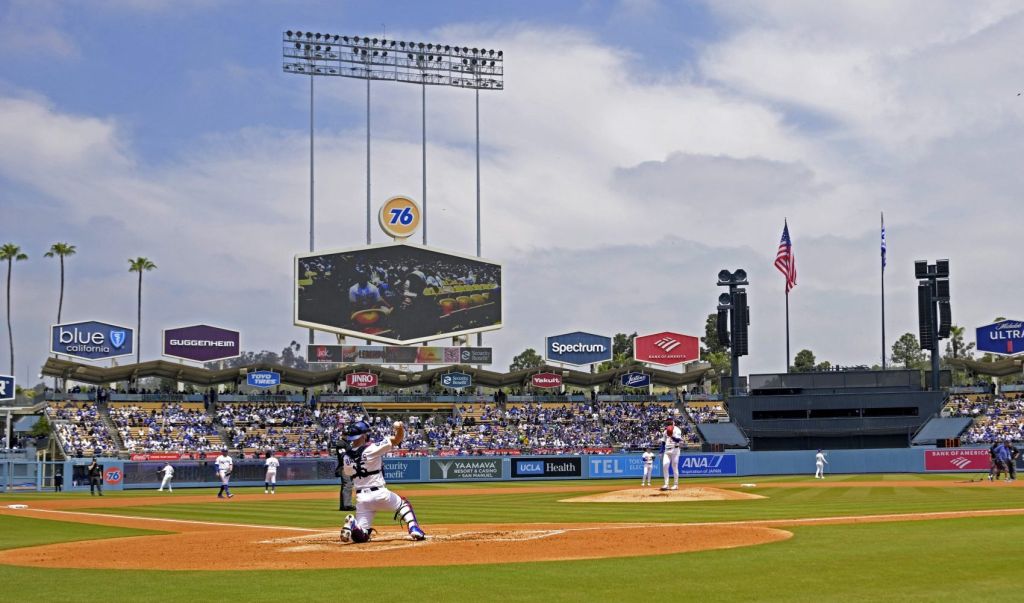
Jayne Kamin-Oncea-Imagn Images

MLB team owners have formally proposed implementing a salary cap in baseball, an expected move as labor negotiations with the MLB Players Association intensify but one rife with complications. 

After the union made its initial bargaining proposal Wednesday, management presented its opening offer Thursday, looking to impose a hard cap on team spending. The proposal from the owners included a $171.2 million salary floor for each team beginning in 2027, a top-end cap of $245.3 million, and an even split of industry revenue between owners and players.

Under this structure, 12 teams would need to raise their payroll spending, based on their 2026 outlays, while eight others would need to make cuts. Foremost among that latter group, of course, is the two-time defending champion Dodgers, who have an MLB-record luxury tax payroll of $420.1 million this year.

“Baseball has gotten stronger because we listened to the fans and made necessary changes on the field, like the pitch clock, to quicken the game and ABS Challenge to get the most important calls right. The biggest issue we need to solve next to continue to grow the game off the field is fixing the payroll disparity unseen in any other major U.S. sport,” MLB spokesperson Glen Caplin said. “Fans overwhelmingly support a salary cap and floor.”

Management’s proposal contemplates a seven-year deal running through the 2033 season, an escrow mechanism to help ensure the revenue split, a continuation of guaranteed player contracts, and a potential phase-in system to help teams like the Dodgers comply with the cap. 

Tough History

There is a long and tortured history around the salary cap, as players have resisted one for nearly their entire six-decade existence. Battles over a proposed cap helped lead to the cancellation of the 1994 World Series, still one of baseball’s darkest periods.

Management, however, believes circumstances have changed dramatically in recent years, as the Dodgers’ payroll this year is more than five times the comparable figure for the league’s No. 30 spender, the Marlins. MLB is the only major pro league based in the U.S. that does not use a salary cap. 

“It’s not a fair fight,” MLB commissioner Rob Manfred said Wednesday on The Pat McAfee Show about the sport’s competitive balance. “The numbers really bear out that it’s not a fair fight. If you have a high payroll, you’re much more likely to make the playoffs and if you have a high payroll your chances of going to each of the successive [postseason] rounds are massively higher than a low-payroll club. Fans want competition. That’s what it’s about at the end of the day, and we need to get that one fixed.”

The cost certainty in a salary-cap system, meanwhile, has helped produce greater levels of franchise value growth in other leagues such as the NFL, NBA, and NHL. 

Owners also presented a plan to centralize all local media revenue and share it equally, a massive change from the currently disparate situation that has played a central role in creating the existing economic disparity.

“By sharing media revenue equally as part of our proposal, we can address another top fan concern of local TV blackouts,” Caplin said.

Bargaining Gap

The MLBPA, not surprisingly, blasted the owners’ proposal, and cited that history around prior attempts to impose a salary cap.

“The last time the owners made such an explicit push for a cap—more than 30 years ago—it led to the longest work stoppage in MLB history,” said MLBPA interim executive director Bruce Meyer. “For generations, our members have fought against cap systems because they harm players at all levels, erode or eliminate contractual guarantees, pit player against player, lead to more work stoppages, not less, and get worse for players over time. Caps don’t lower ticket prices for fans, eliminate tanking, or ensure teams are run with equal competence. They suffocate competition by offering owners an all-purpose excuse for inaction and mediocrity.”

The players’ proposals instead seek to boost eligibility for free agency and arbitration, and dramatically raise the minimum salary. 

Caplin, however, said the union’s initial proposal “does not address, and in fact exacerbates, the competitive balance problem our fans are telling us we must address. The MLBPA’s proposal would reduce the amount transferred to lower-revenue clubs, weaken the competitive balance tax, and lead to even more payroll disparity than exists today.”

The current labor deal expires Dec. 1, meaning there are still many months to go before a firm decision must be made on whether a work stoppage happens. Still, the upcoming talks are expected to be fractious, something reconfirmed this week with the massive division between the two competing proposals.

SPONSORED BY SPECTRUM BUSINESS

With You Day and Night

Advertisement

Anyone can provide connectivity—few stay in it with you for the long haul. As America’s Connectivity Company, Spectrum Business goes beyond the industry standard by emphasizing round-the-clock human support and accountability.

We know that NASCAR is a 24/7 business. From late‑night preparations to split‑second race‑day decisions, success depends on systems—and partners—that never clock out.

Spectrum Business is here not only to enable you but also to empower you to deliver the best with 24/7 U.S.-based support that mirrors the commitment of racing teams.

With the latest in technology, tailored packages for various budgets, and the trust of millions, Spectrum Business ensures smooth and secure operations, keeping your organization seamlessly connected—any time you need it.

ONE BIG FIG

More Access

Ben Queen-Imagn Images

16

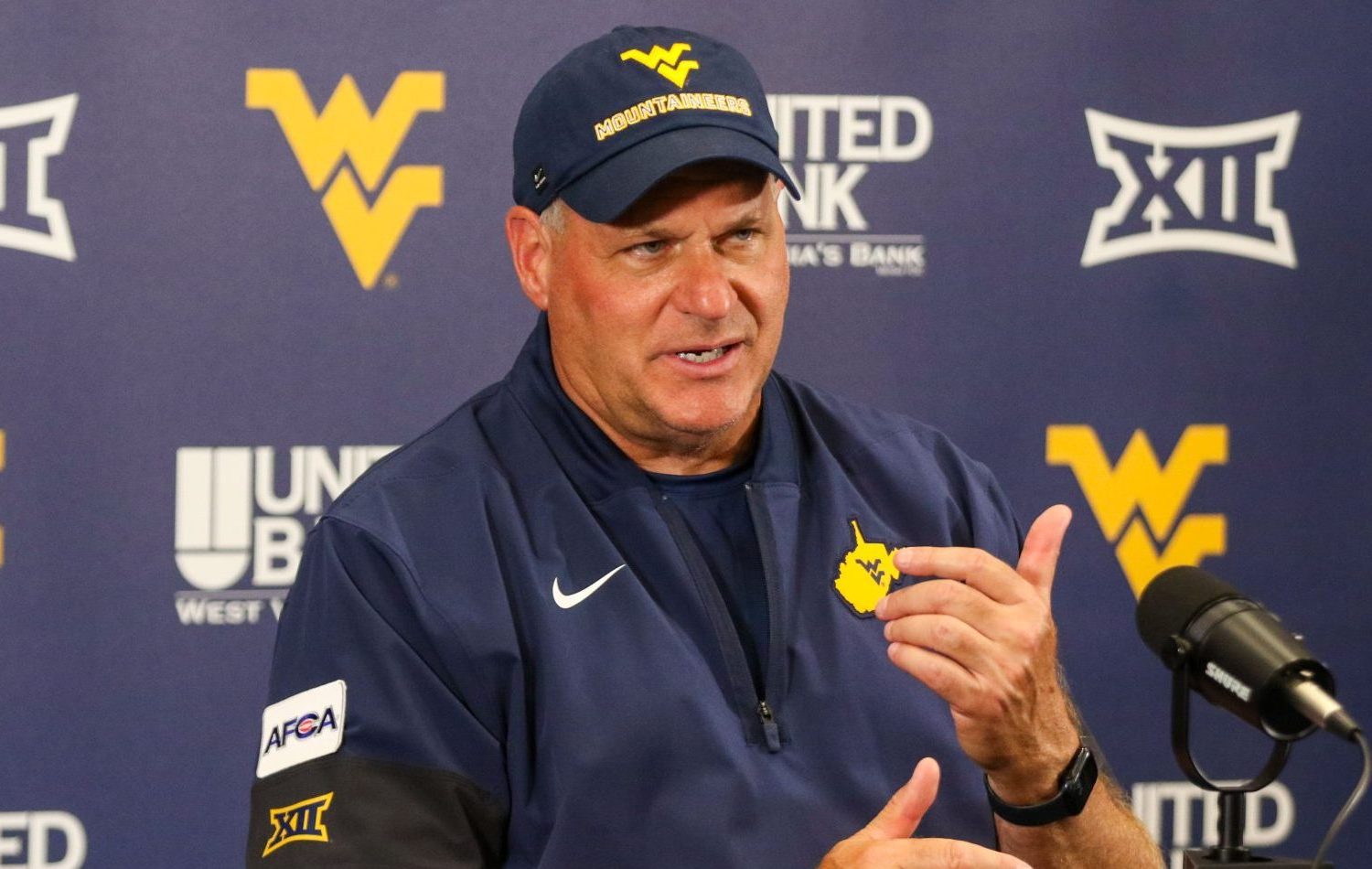
That’s the number of Big 12 football coaches who voted unanimously in favor of expanding the College Football Playoff to 24 teams, according to West Virginia coach Rich Rodriguez during the conference’s spring meetings in Texas. The strong backing comes as SEC coaches remain divided on what the best Playoff size should be. “Every coach voted for a 24-team Playoff,” said Rodriguez, who is chair of the coaches committee.

Big 12 officials believe a larger CFP would give the conference more opportunities to send teams to the postseason. Last year, the league had only one team make the 12-team field, but conference leaders said the Big 12 would have placed five teams in a 24-team Playoff. Read the story.

Daily sports trivia: Can you rank the top five drivers by the most career NASCAR Cup Series starts?

Play Factle Sports
LOUD AND CLEAR

Breaking Away

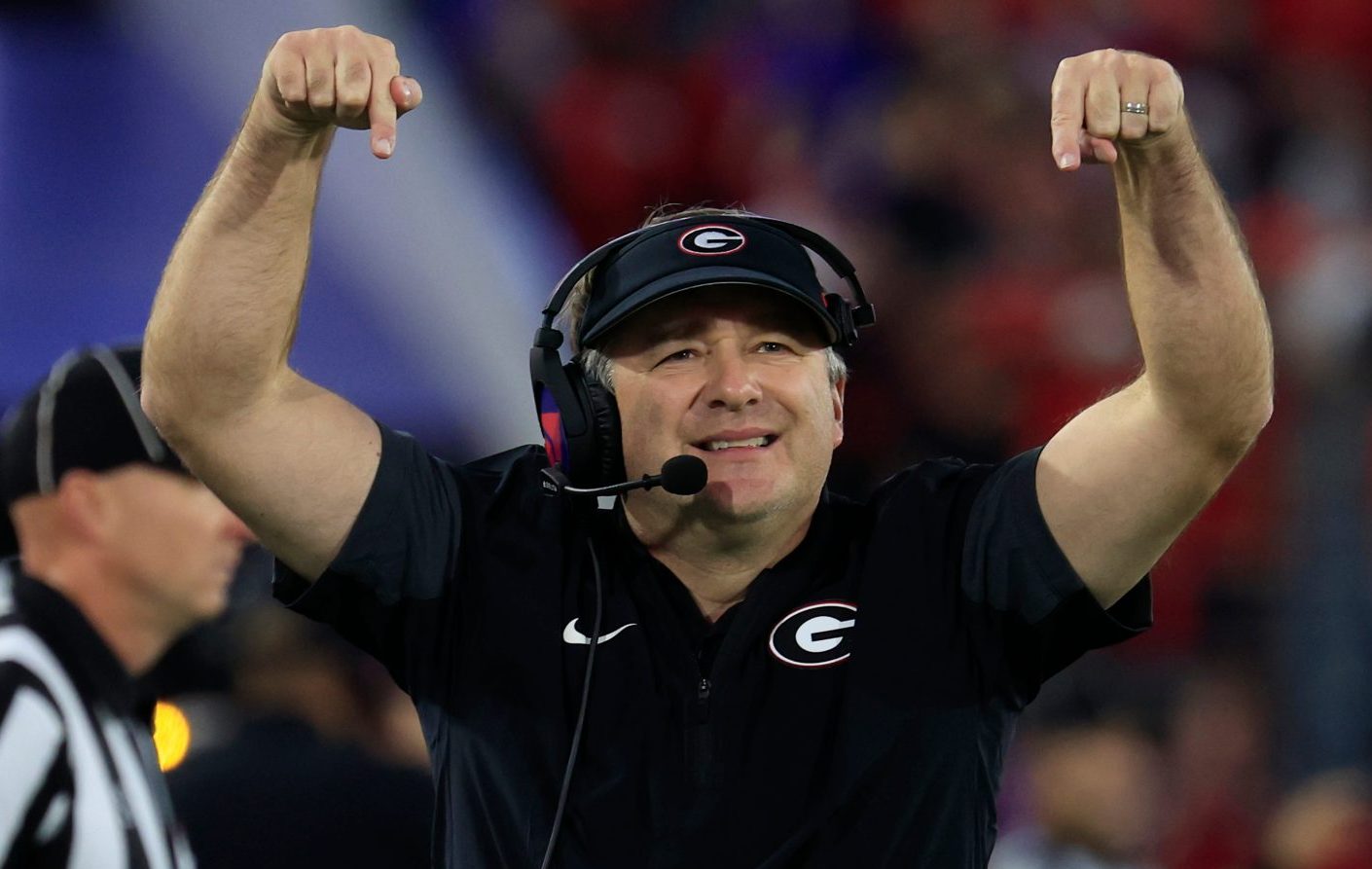
Georgia Bulldogs head coach Kirby Smart tells the students section to sit down during the fourth quarter of an NCAA football game, Saturday, Nov. 1, 2025, at EverBank Stadium in Jacksonville, Fla. Georgia held off Florida 24-20.

Corey Perrine/Florida Times-Union

“If we can’t find rules that everybody plays by, then we should play on our own.”

—Georgia head coach Kirby Smart on the possibility of the SEC breaking away if college sports leaders can’t agree on NIL rules and enforcement, one of several major issues conference officials debated this week at the SEC spring meetings in Florida, alongside College Football Playoff expansion and concerns that some schools are operating outside the rules created after the House v. NCAA settlement.

Smart added, “I’m not afraid to break away and say that our conference is strong enough to go out and play.” Still, multiple ADs warned enforcing stricter rules inside only one conference could create a competitive disadvantage. Read the story.

SPONSORED BY ADP

Advertisement

In sports and in business, better data powers smarter decision-making. Today’s biggest names in athletics use data to create innovations in performance and to drive new efficiencies that give them a competitive edge. How they prepare for each competition, how they approach each maneuver—that combination of tenacity, technology, and trusted advisers all leads to their success.

At ADP, we design forward-thinking HR and payroll solutions to keep businesses on top. We empower people to perform at their best, delivering the data and insights they need today to chase the next win ahead.

Editors’ Picks

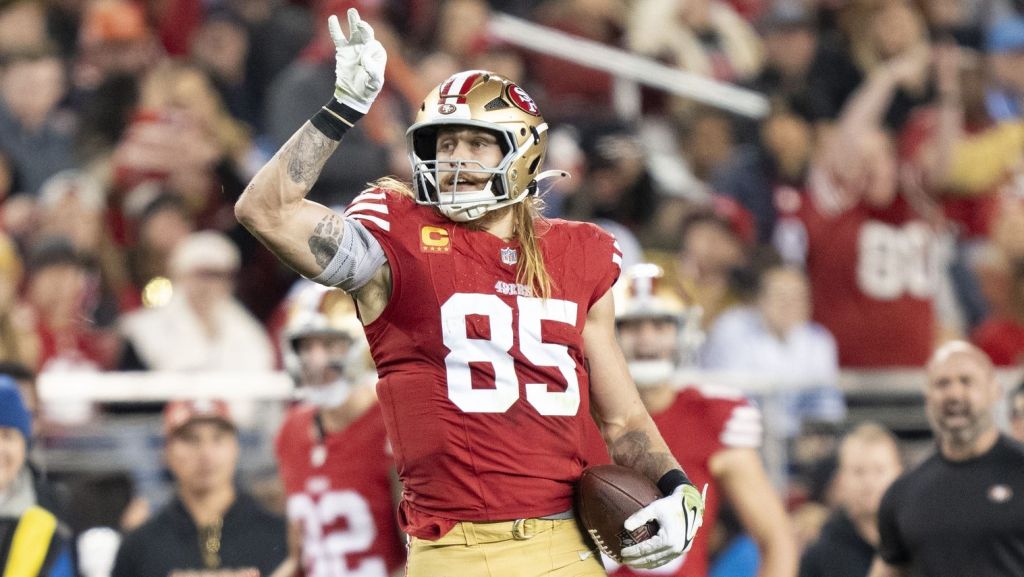
George Kittle Shares 2 Changes NFL Should Make for 18th Game

by Alex Schiffer
Kittle believes an 18th game should come with new benefits for players.

Underdog Stands by Shai Gilgeous-Alexander Promo Despite Cease and Desist

by Ben Horney
SGA’s attorney demanded Underdog “destroy” a board game poking fun at him.

Gucci Is Making a Big Bet on Sports

by Colin Salao
Gucci will be the title sponsor for Alpine Formula One team starting next year.

Question of the Day

Do you think MLB should adopt a salary cap like other major U.S. pro sports leagues?

 Yes   No 

Thursday’s result: 16% of respondents think the Big 12 should focus more on global expansion.

Events Video Games Shop
Written by Eric Fisher
Edited by Matthew Tabeek, Catherine Chen

If this email was forwarded to you, you can subscribe here.

Update your preferences / Unsubscribe

Copyright © 2026 Front Office Sports. All rights reserved.
460 Park Avenue South, 7th Floor, New York NY, 10016

Subscribe To Our Daily Newsletters

  • This field is for validation purposes and should be left unchanged.