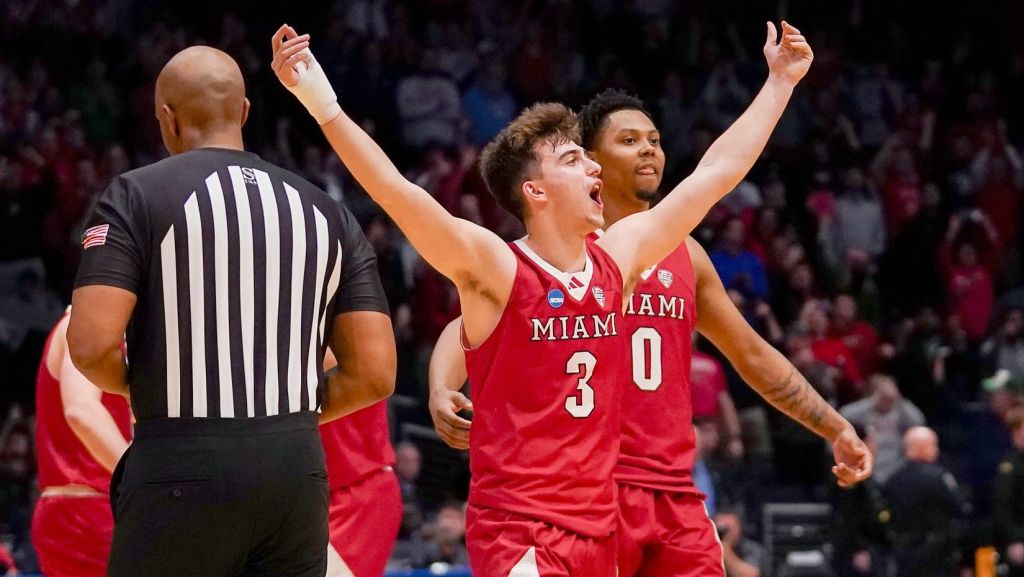
On Wednesday, Miami (Ohio) beat SMU 89–79 to advance past the First Four. The win sets up the RedHawks for a potential NCAA tournament run, and gives them an opportunity to prove that Cinderella stories are still possible during the Big Dance.
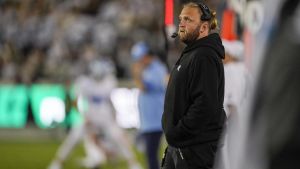
‘We feel like we’re carrying a lot of the mid-major on our back right now a little bit just with, hey, we got an at-large bid?,” head coach Travis Steele told reporters before the First Four. “So we need to capitalize, not just for Miami, but for all the other mid-major basketball. … Hopefully our guys can take advantage of the opportunity that we have and showcase that, listen, mid-major basketball is great hoops and we can compete with anybody.”
On-court, though, the RedHawks are hardly a traditional Cinderella story. Miami (Ohio) came into this year’s tournament 31–1, and were undefeated up until the Mid-American Conference tournament. They were widely considered one of the strongest Group of 6 programs eligible for the tournament, even if former Auburn coach and current CBS/TNT analyst Bruce Pearl said their strength of schedule wasn’t tough enough to make the Big Dance (though even he eventually changed his tune after criticism).
But from a financial standpoint, the RedHawks are a quintessential Cinderella. Though they’re in the MAC and sponsor FBS football, they don’t have anywhere near the financial resources the power conference programs tout.
Miami (Ohio) spent just $2.9 million on their men’s program in 2024–25, according to Extra Points—not even making the top 100 of operating budgets. Meanwhile, power conference and top Big East programs spend tens of millions of dollars more; the RedHawks’ opponents on Friday, No. 6 Tennessee, spent $23.2 million, which ranks second-highest of all reported programs.
Those numbers don’t include the cost of their rosters, which in the current landscape encompass a combination of revenue-sharing payments and NIL (name, image, and likeness) deals. The barrier to entry for success for power conference and Big East schools was $8 million to $10 million, sources have previously told Front Office Sports, with some schools rumored to spent $18 million to $20 million.
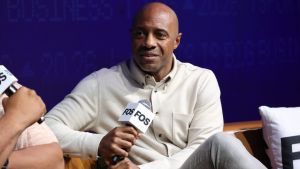
During his conversation with FOS two weeks ago, Miami (Ohio) athletic director David Sayler did not give a specific number for roster compensation. But he did note that the school has multiple famous and wealthy alumni, including Starbucks CEO Brian Niccol and former Twitter COO Adam Bane—and that the alumni base has contributed to their success.
“We’ve kind of been able to take this unique dynamic time and create a little bit of a path for ourselves with our donor support that we can at least be in the game with what’s happening today,” he said.
Now, it may finally be time for the Miami (Ohio) RedHawks to go from “hunted” to hunters.
“Ever since we got ranked in January, we were hunted,” Sayler told Front Office Sports on Tuesday ahead of the First Four. “Every [Mid-American Conference] team wanted to beat us. They were all planning to storm the court. They were all doing free beer nights. … But we were hunted, and we survived all that, and no one got us. … And so to me, this is a chance for our team to kind of turn the tables.”