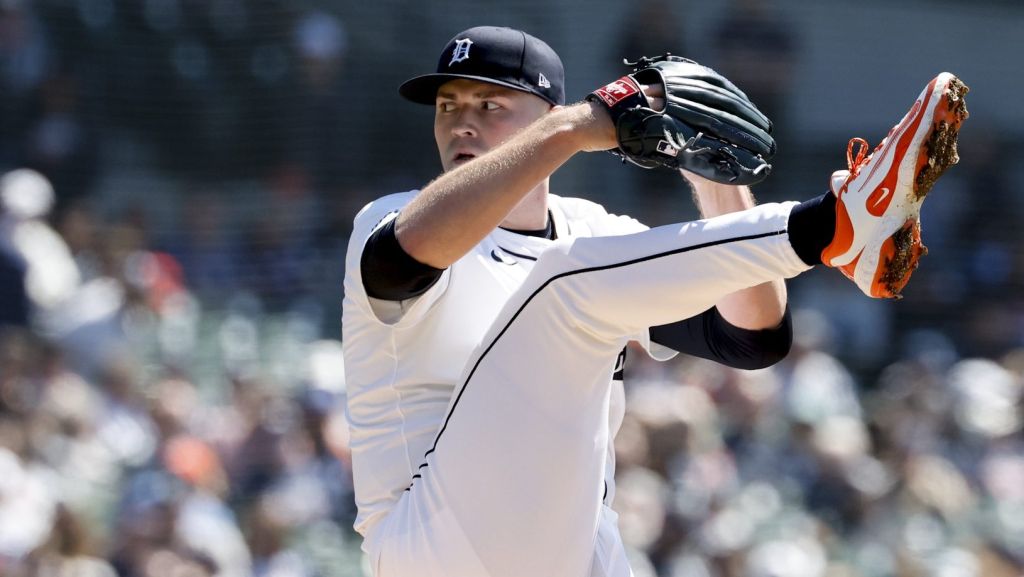
There is a massive financial gulf between the Tigers and ace pitcher Tarik Skubal, and how it gets resolved will not only speak volumes about this year’s compensation for the generational-level talent but also MLB’s entire arbitration system.
As this year’s MLB arbitration filing deadline arrived Thursday, the team submitted a $19 million offer for Skubal’s 2026 salary, while the two-time American League Cy Young Award winner tendered a record-level ask of $32 million.
The pitcher’s figure, if he prevails, would not only smash the existing salary record for an arbitration-eligible pitcher—$19.75 million for the Tigers’ David Price in 2015—but also beat the largest one-year deal for any arbitration-eligible player. Outfielder Juan Soto holds the current record of $31 million, settling on that figure with the Yankees in 2024 before he ultimately reached a record-setting $765 million contract with the Mets late that year in free agency.
The $13 million gap between the bid and ask figures for Skubal, meanwhile, nearly equals the largest arbitration settlement figure so far this offseason of $15.65 million for Mariners outfielder Randy Arozarena.
There are several potential outcomes for Skubal and the Tigers. The parties could agree on a figure for the upcoming season on a one-year contract. It’s also possible that they could strike a multiyear agreement to keep Skubal in Detroit for the long term—but that’s more unlikely given he will become a free agent after the 2026 season and could set a pitcher compensation record there, too. Absent an agreement, Skubal’s arbitration case would go to a hearing that would happen between Jan. 26 and Feb. 13.
Skubal settled last year with the Tigers on a one-year deal of $10.15 million for 2025, avoiding a hearing. Further complicating the current situation is that Detroit is one of nine MLB franchises ensnared in the potential demise of regional sports network operator Main Street Sports, and the club’s future local media revenues are decidedly uncertain.
Amid all of that, the team has also signaled it will listen to trade offers for Skubal, and Tigers president of baseball operations Scott Harris said last month there are no “untouchables” on the roster.
Bigger Issues
The entire arbitration system is expected to be a core part of likely thorny labor negotiations between MLB and the MLB Players Association this year.
Players become eligible for arbitration after three years of major-league service time, and it precedes free agency, which arrives after reaching six years of service time. That arbitration eligibility is often the first time that a player can have a real say in their compensation as signing bonuses after the MLB draft, minor-league salaries, and initial major-league salaries are all typically preset.
During the last set of collective bargaining talks between owners and players in 2021–22, MLB sought to eliminate the arbitration system and replace it with a performance-based model. The union resisted that, and instead negotiated for higher minimum salaries as well as a $50 million bonus pool for high-performing, pre-arbitration players.
Pirates ace Paul Skenes, the 2025 National League Cy Young Award winner and the one active MLB pitcher generally deemed to be Skubal’s equal, has been among those particularly taking advantage of that pool. Skenes added more than $3.4 million last year to a base salary of $875,000.