Want more from Front Office Sports
in your search results?
College basketball coaches are protesting recent eligibility changes and criticizing the NCAA for allowing schools to bring on players with professional experience.
“We just want to know the rules so we can abide by them,” Purdue coach Matt Painter said on Monday. “We don’t know what’s going on.”
The criticism grew louder on Monday night after college basketball reporter Jeff Goodman posted on X/Twitter an NCAA statement he received after asking if players with NBA experience are eligible to play college basketball.
“Schools are recruiting and seeking eligibility for more individuals with more international, semi-pro and professional experience than ever before and while the NCAA members have updated many rules following the House [v. NCAA] injunction, more rules must likely be updated to reflect the choices member schools are making,” the NCAA’s statement read. “At the same time, NCAA eligibility rules have been invalidated by judges across the country wreaking havoc on the system and leading to fewer opportunities for high school students, which is why the Association is asking Congress to intervene in these challenges.”
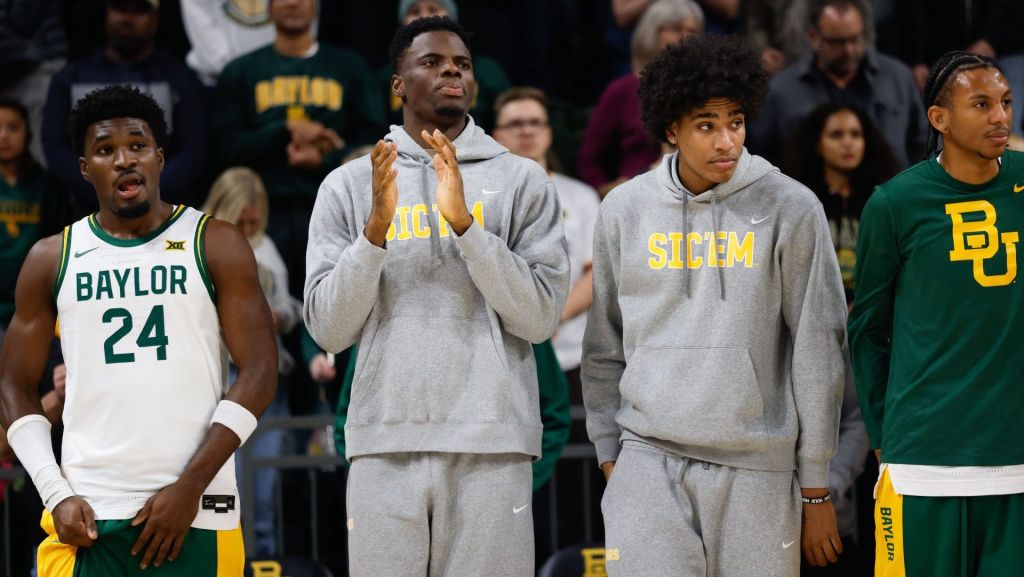
This month, schools have begun picking up former European professional players, such as Toni Bilić to Illinois and Lucas Langarita to Utah. Then, Baylor added former NBA draft pick James Nnaji, who the NCAA said could play immediately. Over the weekend, On3 first reported that Chicago Bulls two-way player Trentyn Flowers, who has appeared in eight NBA games, had also received college interest.
The NCAA’s statement makes several things clear. First, the organization is not taking responsibility, instead trying to shift the onus to “the choices member schools are making” and judges’ rulings that are “wreaking havoc on the system.” Consequentially, the NCAA draws a direct line between the eligibility chaos and its fight to get antitrust exemption from Congress.
“Translated: We are going to grant eligibility to pro athletes that schools choose to recruit and enroll, because we think it will help us get a federal law with an antitrust exemption passed,” sports lawyer Mit Winter posted. Winter said in a subsequent post that the NCAA’s stance “is an open invitation for schools to start recruiting NBA players.”
Several college basketball coaches commented on the eligibility situation Monday on social media or after their games. “Yikes,” Xavier coach Richard Pitino responded to Goodman’s post.
“I’d like to get a 36-year-old with four kids and hungry for a job, I’d like to get one of those guys,” Rutgers coach Steve Pikiell quipped when asked about bringing new players in midseason.
After Arkansas’s win Monday night over James Madison, coach John Calipari spoke for almost seven minutes about college eligibility in his postgame press conference. “If you go pro, I don’t care what country you’re from, if you leave your name in, you cannot play college basketball,” Calipari said. “We can do it without having Congress and the Senate getting 60 votes.”
“It’s a frustrating game to play when you don’t know the rules and rules are being made up as you go and there’s no communication and there’s no leadership. So, I think college basketball needs a commissioner,” UConn coach Dan Hurley told CBS Sports on Monday night. “Somebody that’s gonna make decisions and start making moves that are in the best interest of college basketball, not just having coaches and players do what’s in the best interest of them.”
Purdue’s Painter echoed a similar goal. “We need some leadership, we need somebody to step up,” he said.
Hurley and Painter are pleading for an individual or commissioner to come save their sport. Others like Baylor coach Scott Drew and former Auburn coach Bruce Pearl have advocated for collective bargaining, as have several athletic directors.
“From my knowledge, until we get to collective bargaining, I don’t think we can come up with rules that are agreeable or enforceable,” Drew said Sunday. “Until that, I think all of us gotta be ready to adjust and adapt to what’s out there.” The Bears coach also admitted he initially “wasn’t in favor” of colleges allowing former G League players, but “we don’t make the rules.” Nnaji is expected to debut for Baylor in a Jan. 3 matchup against TCU.
As the NCAA made clear in its statement, the organization is focused on passing legislation that would give it antitrust protections to set rules that have been challenged in courts, including on eligibility. The NCAA and the four power conferences have been focused on a broad array of issues, and put a full court press on Congress to pass the SCORE Act. The legislation would grant antitrust exemptions allowing the NCAA to make rules around eligibility and transfer portal, override state NIL laws, and prevent athletes from becoming employees, among other issues. But the SCORE Act has struggled to pass.
While the NCAA’s proposed legislation targets multiple issues, president Charlie Baker has previously said that the chaos around eligibility is the issue that seems to have resonated with lawmakers the most.
Download the FOS App
The business of sports, in your pocket.



Scan the QR code to get the app now.