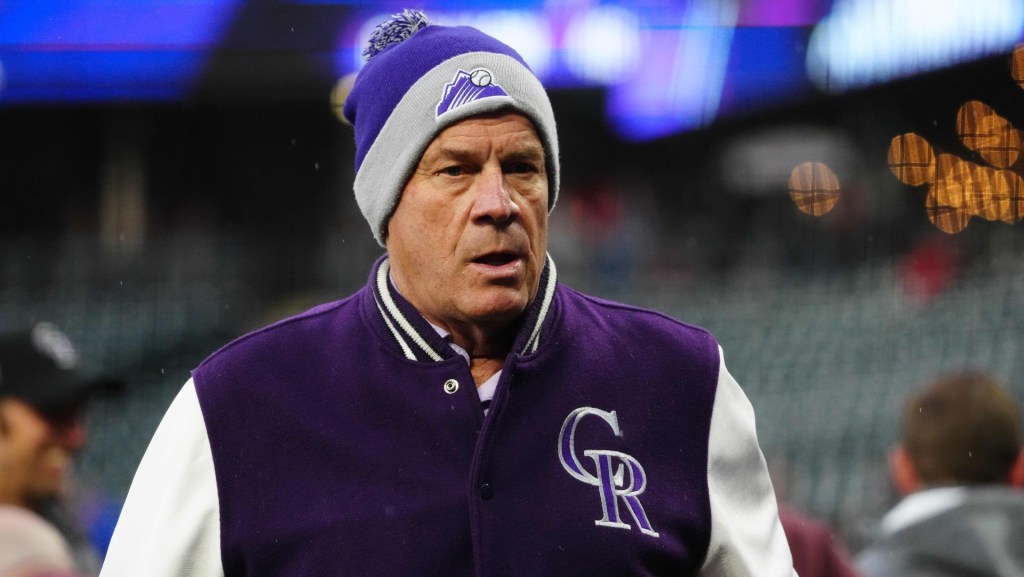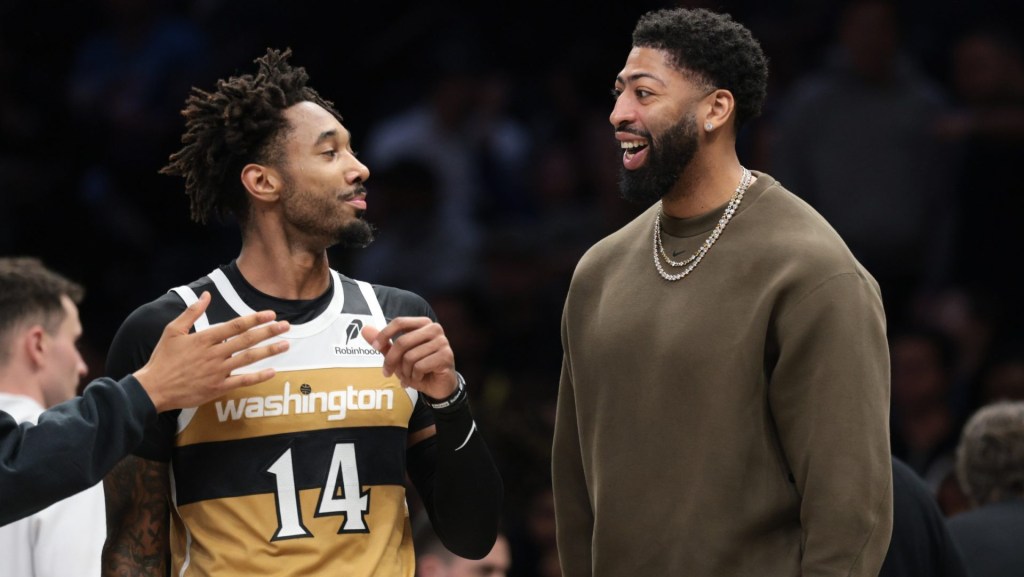
Sports betting has expanded rapidly since the U.S. Supreme Court struck down the federal prohibition on sports betting more than seven years ago, but this year exposed vulnerabilities in the system with explosive scandals across professional and college sports.
Americans have bet “well north of” $500 billion since the 2018 Supreme Court decision, according to Legal Sports Report. Currently, 39 states and Washington, D.C. allow some form of sports betting. There have been prior controversies—like the saga with Shohei Ohtani’s former translator and the lifetime ban of NBA role player Jontay Porter—but 2025 was the year major scandals kept exploding.
Here are some of the most prominent sports gambling scandals of 2025:
NBA
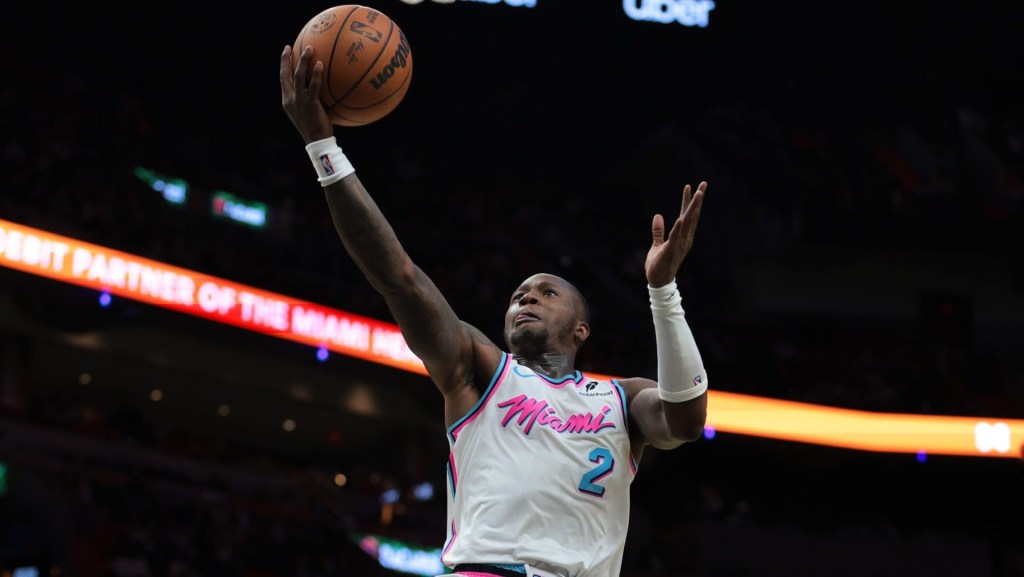
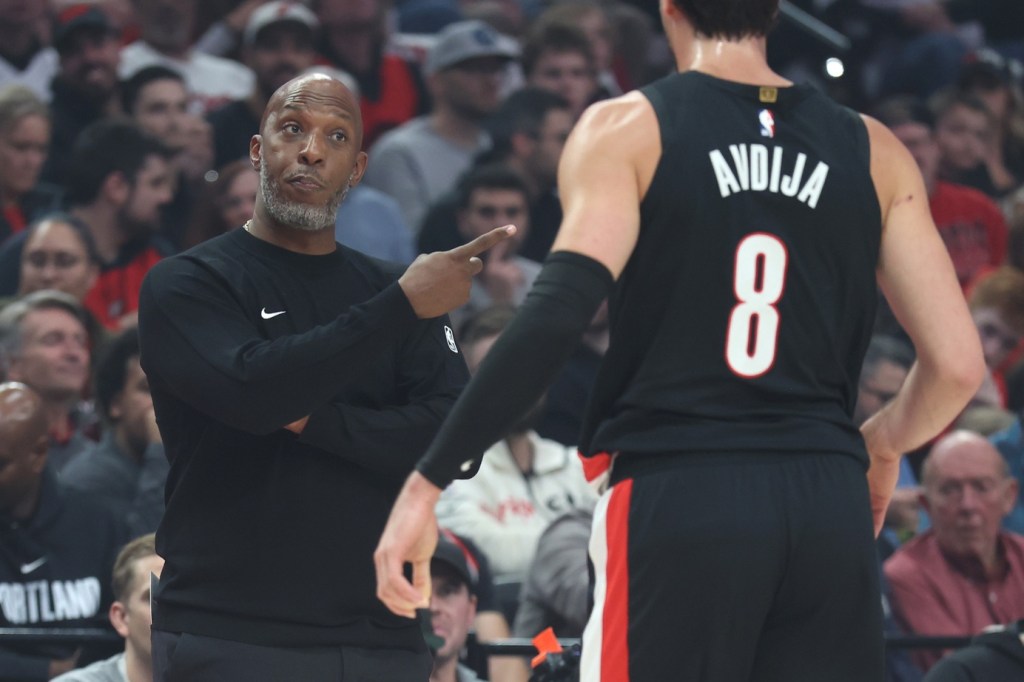
The 2025–26 NBA season was immediately tainted after Heat guard Terry Rozier, Trail Blazers head coach Chauncey Billups, and former NBA player and coach Damon Jones were arrested in connection to two gambling-related cases on Oct. 23, three days into the season. One case involved allegations of an illegal basketball betting scheme, while the other involved an illegal rigged poker ring.
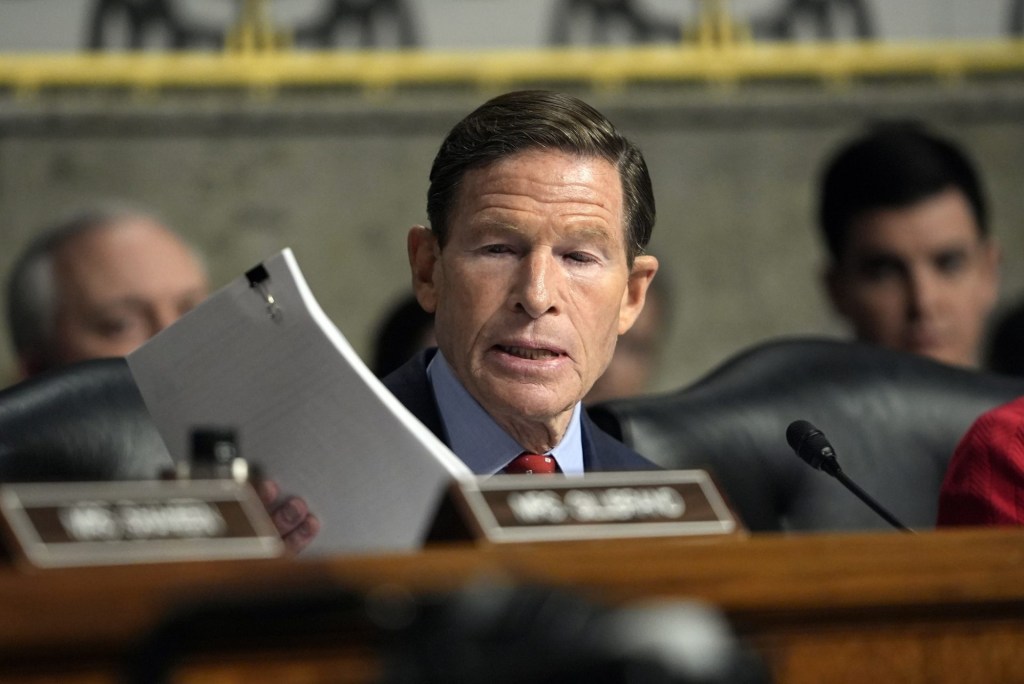
The indictments drove members of the House and Senate to issue letters to the NBA and commissioner Adam Silver about the case and regulatory concerns about sports betting in the country.
Rozier, Jones, and Billups—who was not a defendant in the sports gambling case—have all pleaded not guilty and additional hearings are scheduled in early 2026. Rozier and Billups have been placed on administrative leave. While Billups was not named in the sports betting case, that indictment suggests he tipped off bettors that the team was tanking a game.
The Blazers replaced Billups with interim head coach Tiago Splitter, and, while they have been competitive this season, they are fighting for a play-in berth.
The Heat appear to be in a stalemate as it is still unclear whether the league will void Rozier’s contract or if they are allowed to trade the guard and his expiring contract worth $26.6 million, which would be helpful in matching salaries for a deal.
Former Pistons guard Malik Beasley was also investigated by the federal government in the summer. He is no longer a “target” of an investigation, but has yet to be cleared by the NBA and has not signed an NBA contract.
MLB
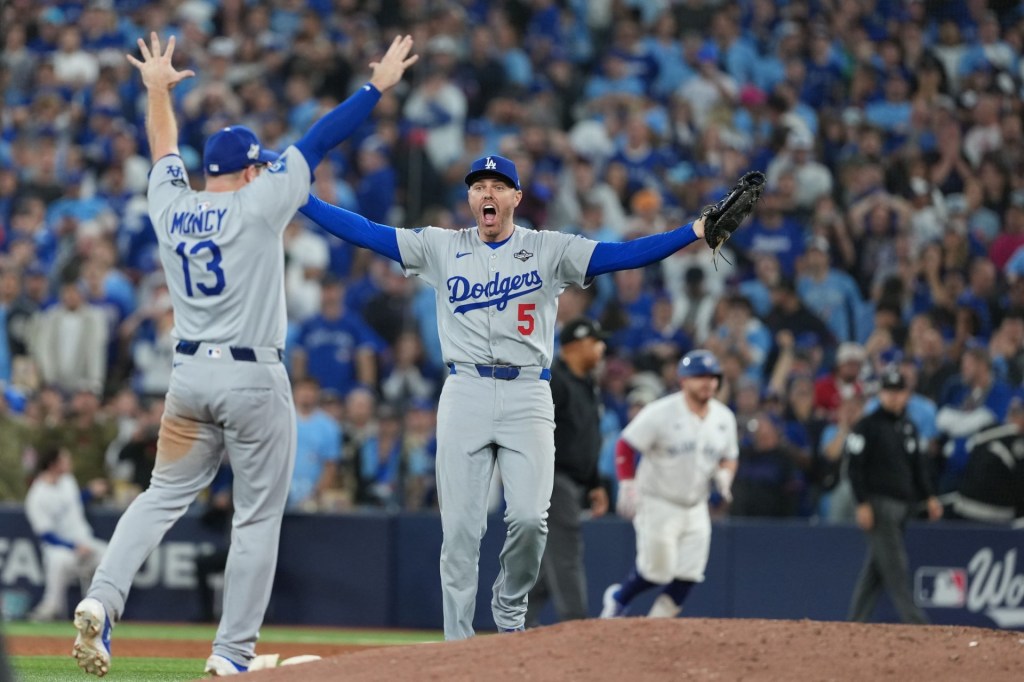
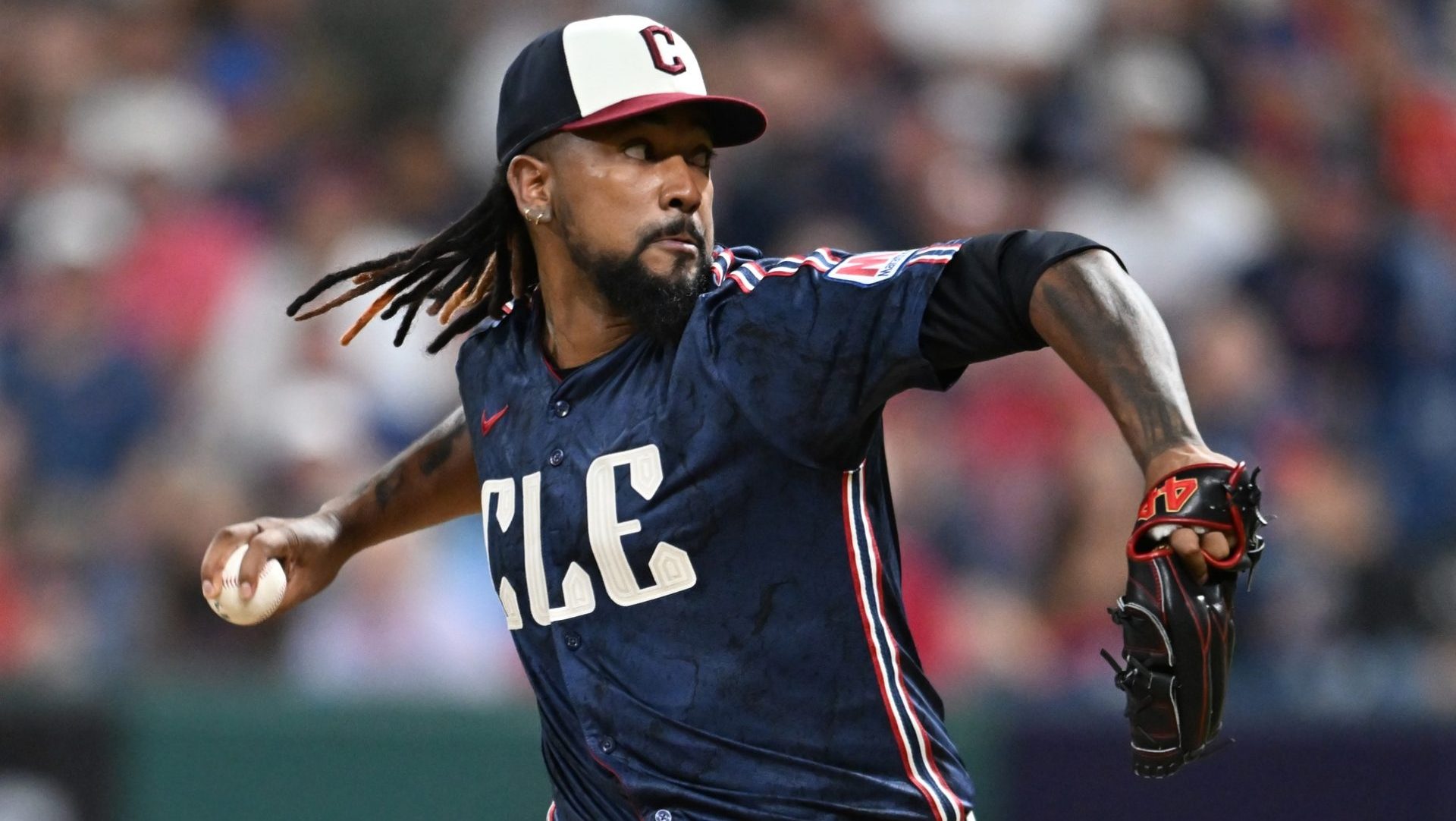
The scandal that rocked Major League Baseball started slowly but snowballed throughout the summer, leading up to the November arrests of two Guardians’ pitchers: starter Luis Ortiz and closer Emmanuel Clase.
First the 26-year-old Ortiz was placed on paid non-disciplinary leave by MLB July 3. His leave was later extended, and on July 28 Clase—a 27-year-old right-hander who is a three-time All-Star—got caught up in the fray. By that time, the league had admitted the investigation related to sports betting.
MLB’s own internal probe is still ongoing, and they face lifetime bans if it’s determined they did engage in illegal betting activity.
But in November, the federal government felt it had enough evidence to charge them with participating in a “scheme to rig bets on pitches during Major League Baseball games.”
The indictment detailed an extensive plan by Clase and Ortiz to rig specific pitches with corrupt bettors to directly influence prop bets; the pitchers allegedly took bribes in return for their actions. Bettors then used the rigged information to win at least $450,000 in fraudulent wagers, according to the U.S. Department of Justice.
The bribes in some cases were as small as $5,000 for a rigged pitch, despite the fact that Clase is in the middle of a five-year, $20 million contract, and Ortiz earned $782,600 from the Guardians this year.
If convicted, they each face up to 65 years in federal prison for fraud, wire fraud, conspiracy to influence sports betting contests by bribery, and money laundering.
Both have pleaded not guilty. MLB has since unveiled a nationwide plan with sportsbooks including FanDuel and DraftKings to restrict prop bets on the sport.
College Sports
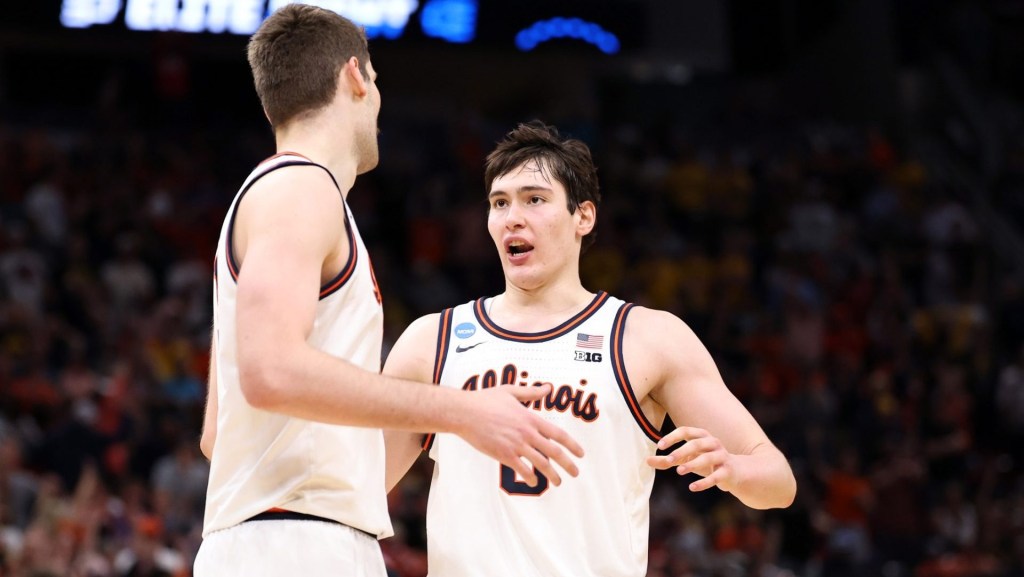
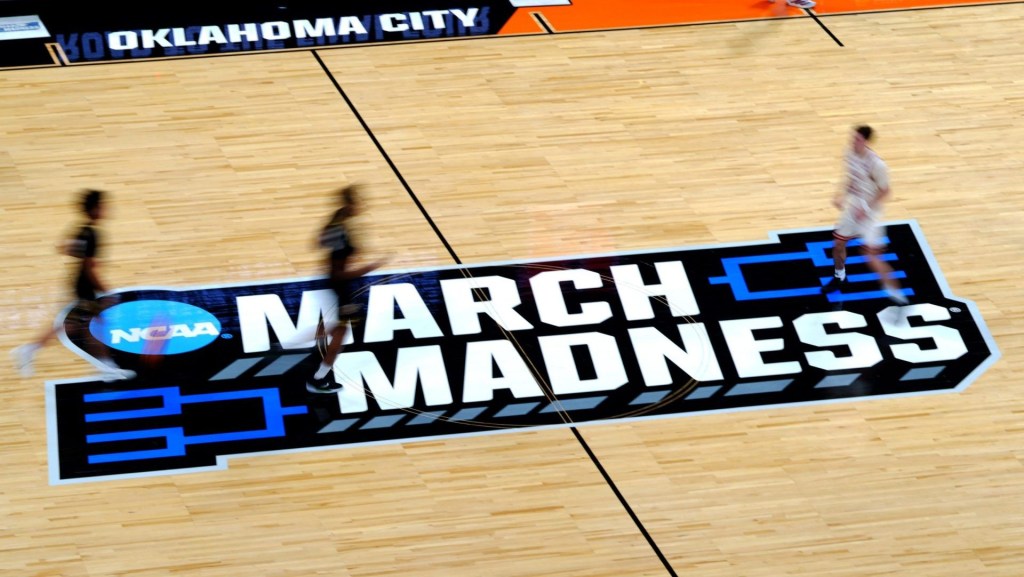
In early November, the NCAA and federal investigators—led by the U.S. Attorney’s Office for the Eastern District of Pennsylvania—launched a probe into potential gambling violations in NCAA Division I college basketball.
At least 30 current and former players are caught up in the investigation, in addition to some of the defendants indicted in the NBA scandal. Most of the teams involved are mid-majors.
The federal probe relates to existing investigations the NCAA had already opened—in September, the organization said it had investigated players for their time at Arizona State, Temple, the University of New Orleans, North Carolina A&T, and Mississippi Valley State. None of the players were enrolled at their former schools as of this yea).
In September, the NCAA banned Fresno State men’s basketball players Mykell Robinson and Jalen Weaver, and San Jose State men’s basketball player Steven Vasquez. All three players “bet on their own games, one another’s games and/or provided information that enabled others to do so” during the 2024-25 season, the NCAA said.
In October, the NCAA announced it had been alerted to suspicious betting activity involving an Eastern Michigan men’s basketball game in January 2025. Three former Eastern Michigan basketball players—Jalin Billingsley, Da’Sean Nelson and Jalen Terry—refused to cooperate with NCAA investigators, so the governing body couldn’t determine if they violated policy. The players had exhausted their NCAA eligibility.
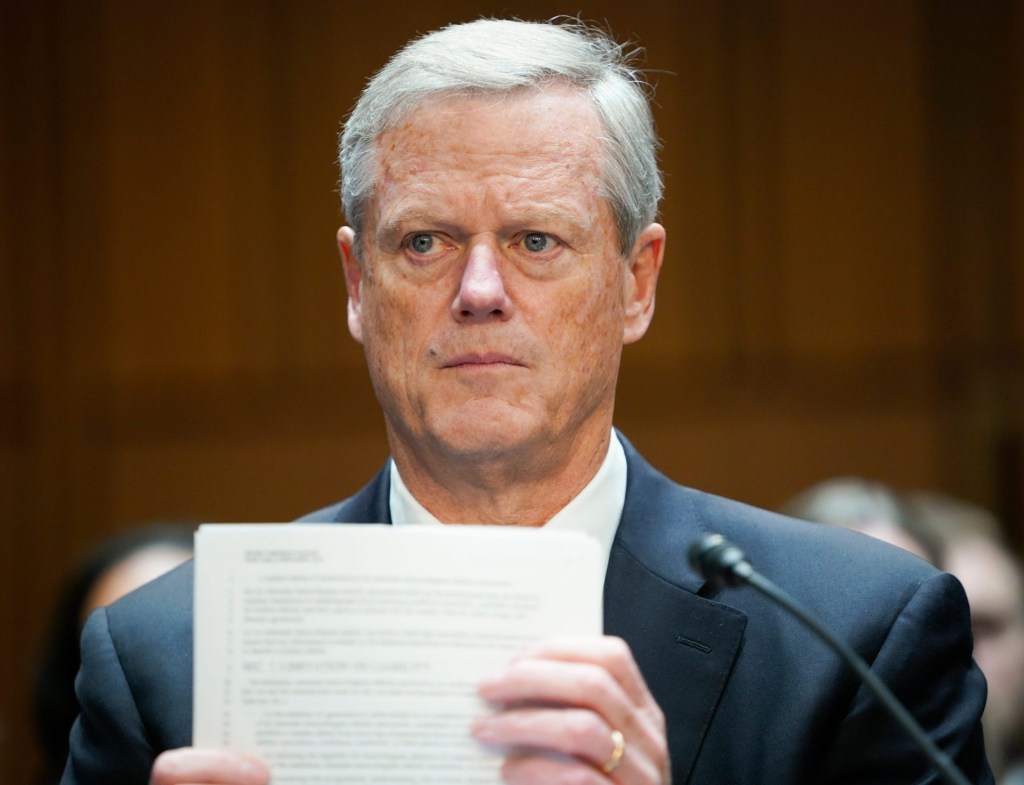
The organization has said it is “aggressively pursuing any potential sports betting violations,” and NCAA president Charlie Baker has been very outspoken about his sports betting concerns. Baker has pushed for states to entirely eliminate prop bets. In a recent interview with Yahoo Sports, Baker said advances in technology have caused an eruption in the sports betting problem.
“The phone changed everything,” Baker said. “People just weren’t thinking at that point [in 2018] about how fast this whole thing was going to end up in the palm of your hand.”
Tennis
Tennis has long been among the sports most exposed to gambling-related integrity issues because a single player can influence the outcome of a match and lower-ranked professionals struggle to fund their careers.
This trend continued in 2025 as the International Tennis Integrity Agency dealt several suspensions to men’s tennis professionals who violated the Tennis Anti-Corruption Program, including a 20-year ban to French player Quentin Folliot earlier this month for his role as a “central figure” in a match-fixing syndicate. Five other players were suspended this year for their involvement in the scheme, with suspensions ranging from six weeks to 12 years.
The ITIA has even handed out penalties for players who violated the corruption rules a decade ago. In April, five French players were issued suspensions for matches held from 2015 to 2018. One of the players, Yannick Thivant, whose highest tennis ranking was No. 590, received a lifetime ban after admitting to fixing 22 matches.