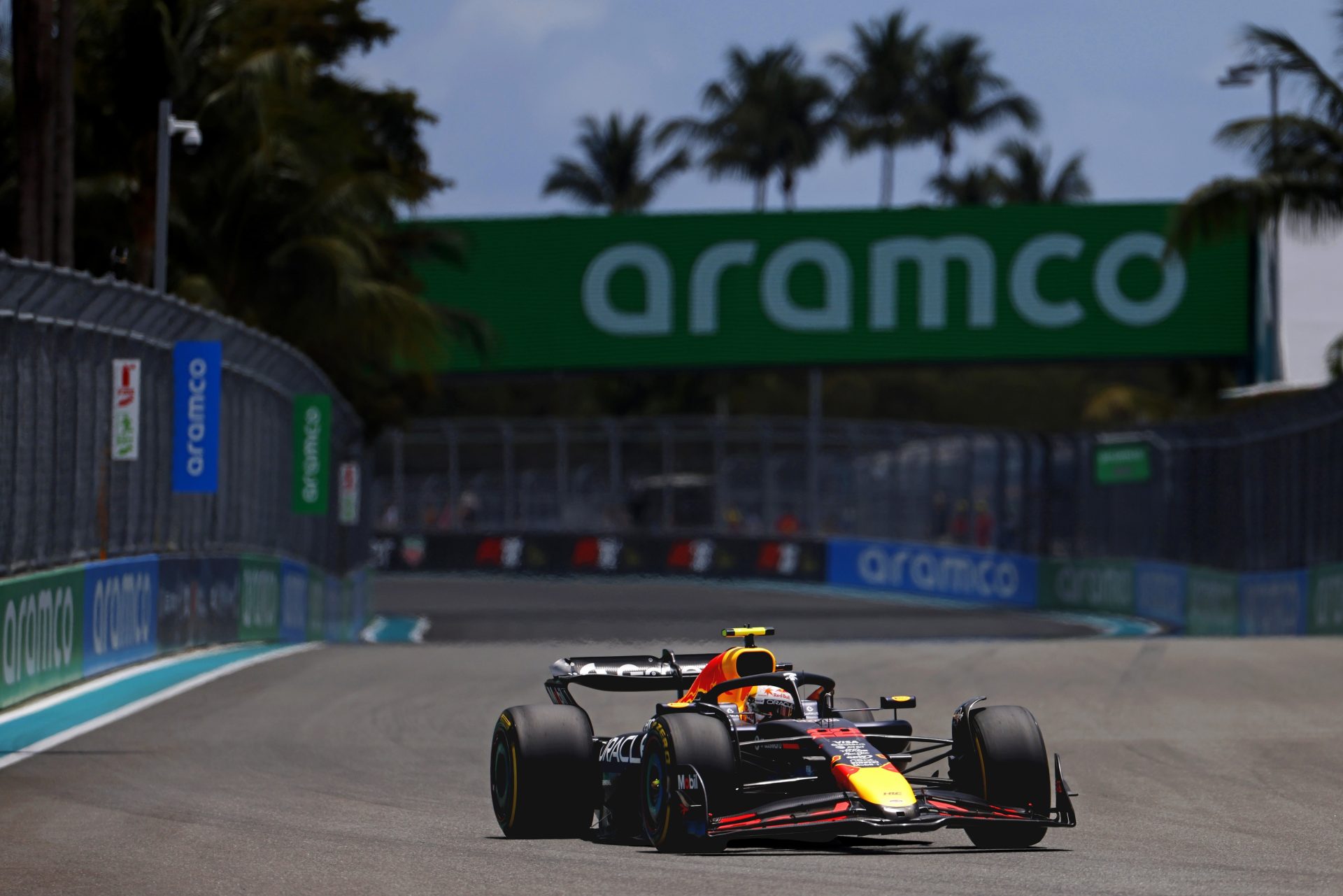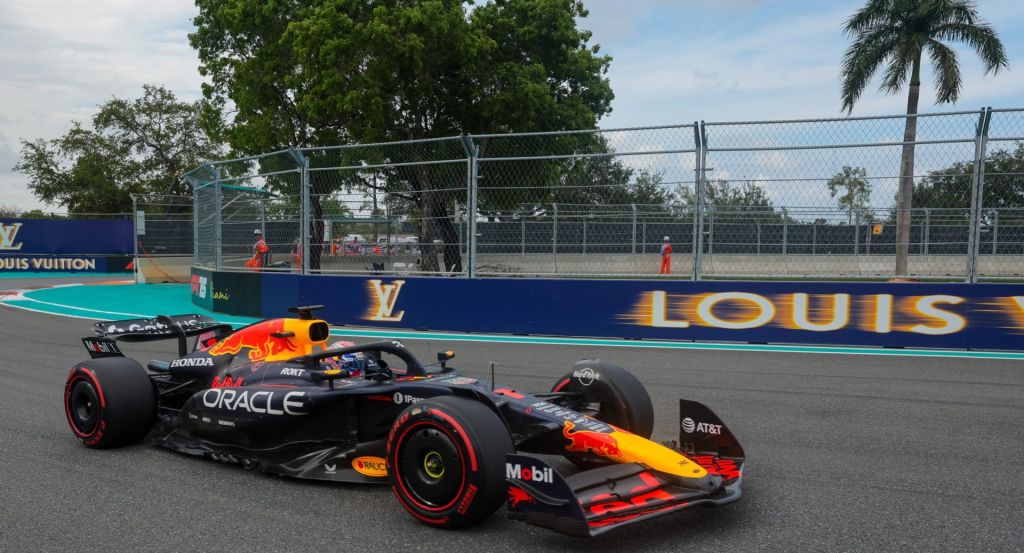

The defining storyline of the 2026 Formula One season has been its controversial new regulations. An impromptu early-season break has brought adjustments, and their impact, if any, will be seen at this weekend’s Miami Grand Prix.
F1 introduced significant changes to the build of each car this year, most notably new hybrid engines that feature a 50-50 split of power usage between electrical and internal combustion. The changes have made the cars a few seconds slower per lap this year. (A full second in F1 time is significant, considering gaps between cars during qualifying are separated by tenths or hundredths of a second.)
But the new regulations have also brought up new safety repercussions due to unexpectedly high closing speeds.
This was highlighted at the Japanese Grand Prix, the most recent race, when Haas driver Oliver Bearman had a high-speed crash. Bearman was driving about 190 mph when he had to dodge Alpine driver Franco Colapinto. He veered off track and crashed into the barricade, though he avoided significant injuries.
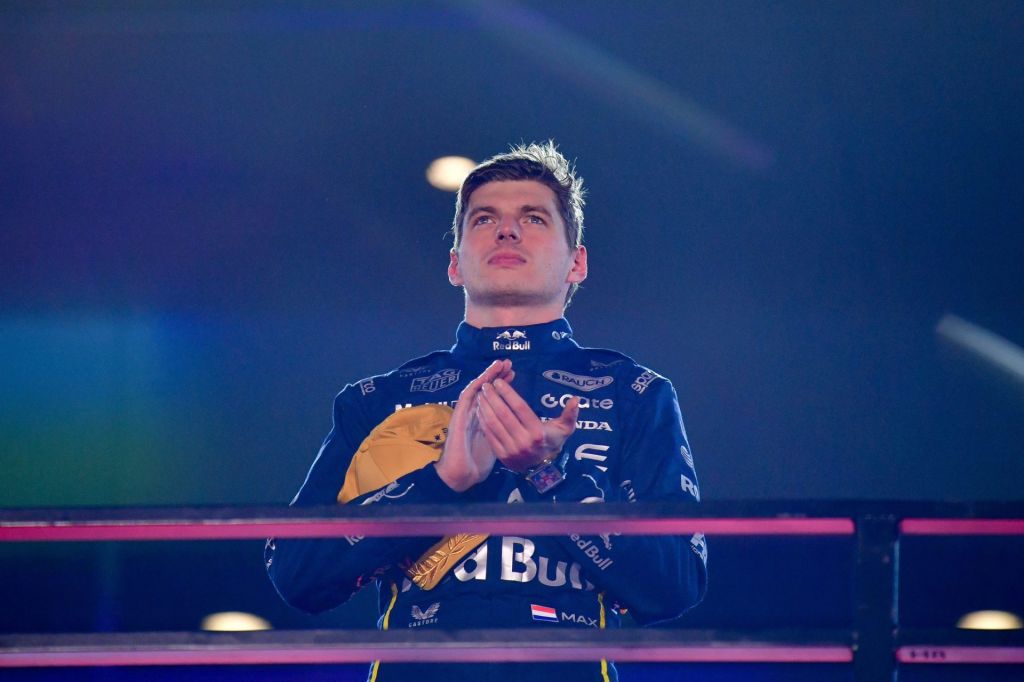
Many drivers have voiced complaints about their cars, most prominently four-time world champion Max Verstappen, who has compared it to Formula E and Mario Kart. Lando Norris, the 2026 drivers’ champion, said last month it’s “probably the worst” car in the history of F1 to drive. Norris (P5) and Verstappen (P9) are several spots down in the standings compared to last year.
F1 CEO Stefano Domenicali defended the rule changes, saying there have been more overtakes, which have made the viewing experience better for fans.
“The fans want to have excitement on the race, want to have a lot of overtaking, want to have action on the track,” Domenicali told Yahoo Finance.
Shifting Gears
F1 teams had a sudden opportunity to make adjustments due to an extended break after the Bahrain and Saudi Arabian GPs, both scheduled in April, were canceled due to the ongoing U.S. and Israel-Iran war. The result was an unexpected five-week break between the Japanese GP (March 26–29), the third race of the season, and the Miami GP (May 1–3).
Ferrari team principal Fred Vasseur described the Miami Grand Prix as the start of a “new championship.”
“Everyone will bring new upgrades to Miami,” Vasseur told Sky Sports Italy in March.
McLaren team principal Andrea Stella said last week they had always intended to bring a “completely new car” to the two-race North American leg. He said the break helped streamline the upgrades, but he knows the rest of the grid also benefited.
“I would like to stress that this is what I would expect of most of our competitors so not necessarily it’s going to be a shift in the [pecking] order, it will be effectively just a check who has been able to add more performance within the same time frame and we also have some performance to recover if we look at Mercedes and to some extent Ferrari as well,” Stella told Sky Sports.
F1 also announced several rule changes last week aimed at increasing qualifying lap times, but also reducing large speed differentials during races that led to Bearman’s crash. The modifications are not expected to bring the cars close to their form in previous years.
Toto Wolff, team principal of the championship-leading Mercedes, described the tweaks as “acting with a scalpel and not with a baseball bat.”