Novig isn’t as well known as Kalshi and Polymarket, but 28-year-old founder and CEO Jacob Fortinsky isn’t concerned. His sports-focused prediction-market platform has raised more than $100 million since its 2021 formation and recently received federal approval enabling Novig to expand into all 50 states.
In addition, Novig just hired Kalshi’s former chief regulatory officer, who also previously worked at the Commodity Futures Trading Commission, the federal regulator that oversees prediction markets.
In a recent conversation with Front Office Sports, Fortinsky said he believes prediction markets are a better product for consumers than traditional sportsbooks, touting the fact that Novig is perhaps the only prediction-market platform whose users must be at least 21, and framing the massive marketing pushes from Kalshi and Polymarket over the last year as a net positive for the industry at large.
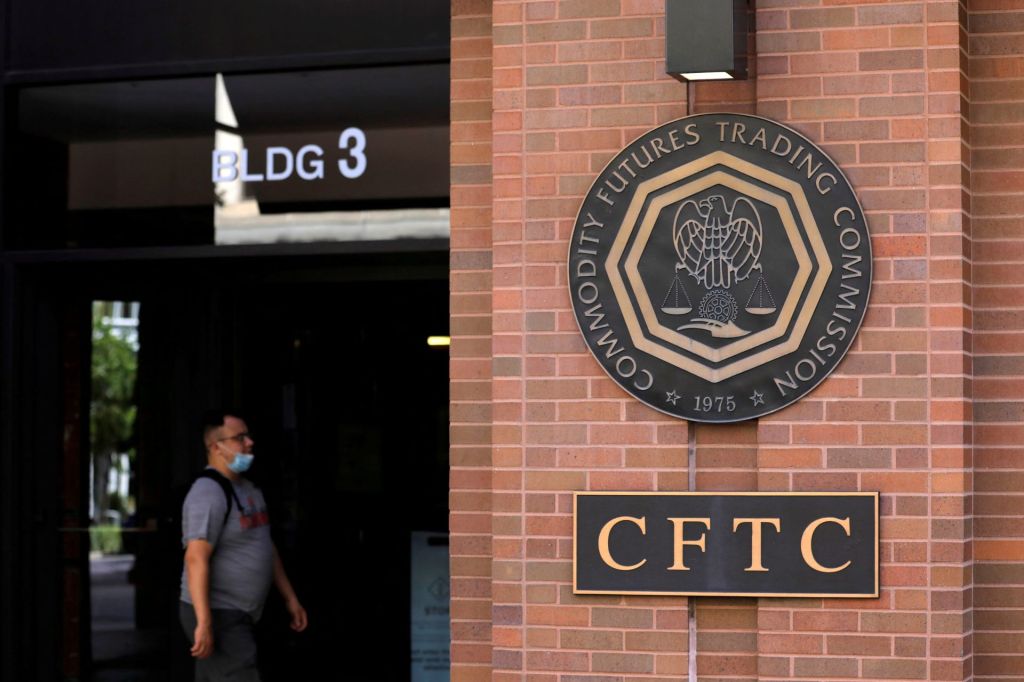
Front Office Sports: The CFTC recently approved Novig as a designated contract market, which allows the company to operate as a federally regulated prediction market nationwide. What was that process like?
Jacob Fortinsky: The process took us about five months, and we are proud to be the fastest-approved DCM in the history of the U.S. It was more rigorous than I expected, honestly. It’s very clear they are much more proficient regulators than other state regulators I dealt with previously. They have an incredibly high bar for designation. The current CFTC has acted with a greater sense of urgency and care when it comes to prioritizing innovation and the future of markets, and they have the utmost concern of ensuring the integrity and safety of markets for all participants.
FOS: A few days after getting that designation, you hired Elie Mishory as chief regulatory and legal affairs officer. He’s worked at the CFTC and Kalshi, and also did work for the federal government with DOGE. What does he bring to the table?
JF: I had heard about the lore and myth of Elie for years. He was this elusive, brilliant, and creative person at the helm of Kalshi, which was pioneering the regulated prediction-market landscape in the U.S. He oversaw legal and regulatory operations there when they successfully sued the CFTC to allow election event contracts.
As we were thinking about trying to assemble the dream executive team, there was no person we would have preferred to bring on than Elie. He’s really a visionary in understanding where this will end up, and how we can make sure we’re well positioned to capitalize on that.
FOS: You’ve raised a lot of money, including from venture capital firms like Forerunner Ventures as well as former star NFL quarterback Joe Montana. But Kalshi and Polymarket are still the two most well-known names in prediction markets. And even after them, most people will mention Robinhood, Crypto.com, and others next. Novig seems to fly under the radar a bit. What is your reaction to that?
JF: I have respect for everyone who’s building in this space. I think we benefit from some of the larger prediction markets helping blow up this category and educating the public. We have a significant second-mover advantage. I think people overstate the importance of the first-mover advantage. Look at Uber and Lyft, or Ramp and Brex, or Anthropic and OpenAI. For a year, the public didn’t even know what Anthropic was.
Our view is that we are currently investing all of our resources into the team and technology. Brand awareness matters, of course, but people who are in the know—who are sports traders—think very highly of us. They love us, and tell their friends about us.
I agree we have to do a better job of educating the public more broadly about Novig. We plan to be much more aggressive on that front over the next few months to try and close the gap from a brand awareness perspective. But of course the public knows about brands like Kalshi and Polymarket, or Robinhood, FanDuel, and DraftKings. Those companies have spent many years and many millions of dollars getting their brands out there. That’s the nature of being a start-up. It’s an uphill battle.
But we also have the advantage of being able to focus strictly on prediction markets. DraftKings has to keep focusing on its traditional gaming business. Robinhood has to focus on their 401(k) and banking businesses. I’m very optimistic that a year from now we will very much be one of the first companies people think of when they hear about prediction markets.
FOS: Kalshi and Polymarket take a lot of heat, including from players in traditional gaming. It has become easy to view them as the bad guys. What do you make of all that?
JF: I’m not saying that’s my view, but I do think increasingly it’s the view of the public, Kalshi and Polymarket as the bad guys. They have prioritized brand awareness over brand affinity, but the truth is the public doesn’t really know what they stand for, if they stand for anything. I think people are very good at sniffing out the air of bullshit and people crave authenticity.
We have built this company because the status quo isn’t working. People in sports betting are being underserved, exploited, and lied to, and they deserve something better. That’s what motivated the inception of our company. We are sports traders building for sports traders.
FOS: What did you think of the CFTC’s recently proposed rules that would govern the prediction-market industry?
JF: I think we’re going to put out an official statement, so we haven’t finished formulating our internal perspective. At a high level, it was very encouraging. I will say that we think guardrails are very important. We are going to be the first, and only, prediction-market platform that I know of that’ll have a 21-plus age gate. That’s because we care about consumers, and we hear the concerns people have raised about the younger demographic being particularly susceptible to certain types of riskier trading activity. My biggest priority as CEO of this company is earning the trust of the public, regulators, legislators, and sports traders.
FOS: Novig had a short-term partnership with LIV Golf during the Masters Tournament. Got anything else in the pipeline?
JF: We’re in talks with everyone. The truth is, we’re trying to spend wisely. Sometimes, with competitors, it feels like they have more money than they know what to do with. We’ve heard of certain brand marketing opportunities where the initial ask is, let’s say, $6 million or $8 million per year, and within a week it gets bid up to $15 million or $20 million. We are trying to build a company and brand that outlives all of us. It’s a silly thing to say, but it really is the case that I want Novig and MLB, for example, to be working together after I am no longer alive. That’s our mindset. We do have a couple exciting things on the roadmap that we can’t share at this moment, but you’ll certainly hear more about that when the time comes.