June 4, 2026

Read in Browser

Front Office Sports - Asset Class


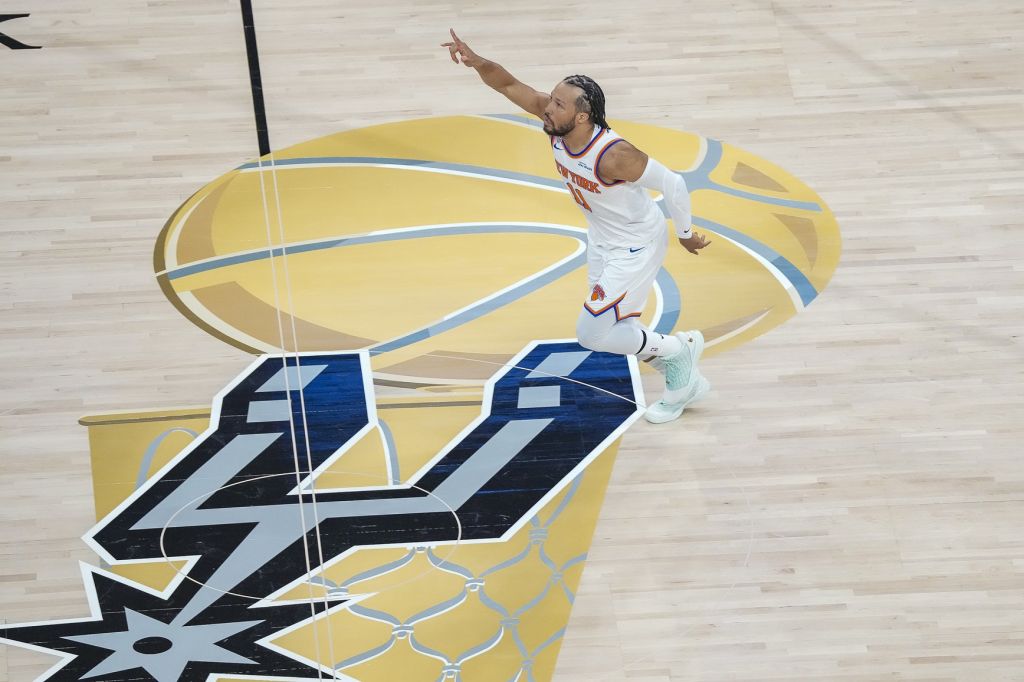
The Knicks, up 1–0 in the NBA Finals against the Spurs, are a moneymaking machine. The playoff push that has New York in the championship is expected to generate at least $145 million in revenue, according to Seaport Research Partners analyst David Joyce. He tells
Front Office Sports that tickets are “by far” the biggest revenue driver—and the Knicks could have made even more money if they didn’t sweep the 76ers and Cavaliers.

—Ben Horney

First Up

  • Steph Curry’s deal with Chinese sportswear giant Li-Ning includes a plan to launch Curry Brand stores in the U.S. and China. Read the story.
  • Terry Rozier is pushing back on an arbitration ruling that allows the NBA to withhold most of the remaining $26.6 million on his Heat contract. Read the story.
  • The NBA’s prospective league in Europe is “on track” to launch next year, commissioner Adam Silver said before the Finals tipped off Wednesday. Read the story.
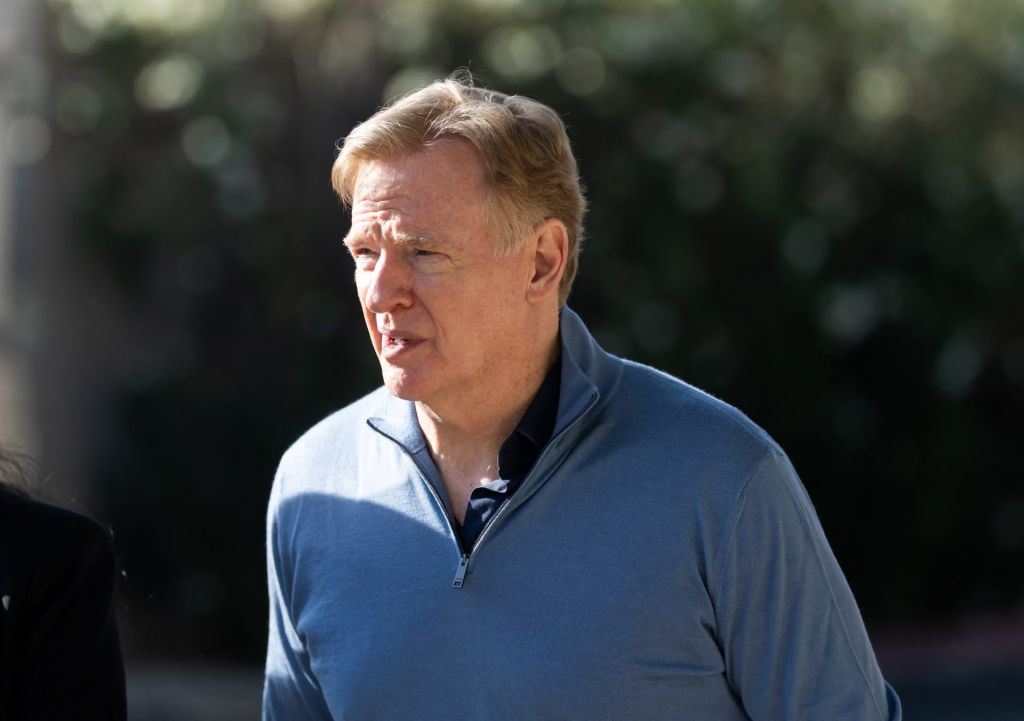
  • MLB team owners are still going after a hard salary cap in labor talks, as commissioner Rob Manfred says the existing luxury tax has “failed.” Read the story.

How Much Money Will the Knicks Make From Their Finals Run?

Brett Davis-Imagn Images

The postseason push that landed the Knicks in the NBA Finals is expected to generate at least $145 million in revenue.

That figure, from Seaport Research Partners analyst David Joyce, could have been even higher; the Knicks’ sweeps of the 76ers and Cavaliers eliminated potential home games at Madison Square Garden and the revenue that would have come with them. Joyce wrote in a May 26 research note that New York’s early-series sweeps “took away” about $29 million in potential revenue for Madison Square Garden Sports Corp., the parent entity that owns the Knicks and Rangers.

Each Finals game—there could be a max of three in New York—is expected to produce around $20.3 million in revenue, according to Joyce, a number he wrote was “likely conservative.” 

Merchandise, concessions, and sponsorships contribute to the total, but Joyce tells Front Office Sports that tickets are “by far” the biggest driver of revenue.

The Knicks wouldn’t get all the ticket revenue—NBA teams keep 75% of ticket revenue, with the rest routed to the league, which uses it to cover postseason expenses. Even after accounting for the league’s 25% cut, the playoffs remain an enormous financial boon for MSG Sports. 

For context, a typical Knicks regular-season home game likely generates in the high-single-digit millions of dollars in total revenue—that figure is based on Joyce’s estimate of roughly $209 million in Knicks regular-season ticket revenue in fiscal 2026, which would equate to about $5 million per home game in ticket revenue alone.

And it’s more than just an immediate revenue boost; New York’s deep playoff push will have lasting effects. Anytime the Knicks make the playoffs, “they raise the next season’s ticket prices,” Joyce tells FOS. “Also, the run to the Finals will lift merchandise into next year and beyond, and likely sponsorship and suite rental fees as well.”

Joyce isn’t alone in projecting a nine-figure windfall. A May 8 research note from JPMorgan projected revenue of about $12 million per home playoff date, or $120 million total if all three potential Finals games in New York are played.

Corporate Spin Move

The moneymaking mania comes as MSG Sports is mulling a spin-off that would separate the Knicks and Rangers into two independent, publicly traded companies. Activist investment firm Boyar Value Group, a shareholder in MSG Sports, was ahead of the game there. Last June, the firm pushed for a spin-off, saying billions of dollars were being left on the table by keeping the NBA and NHL teams together as part of one company. Eight months later, in February, MSG Sports announced it was exploring a spin-off.

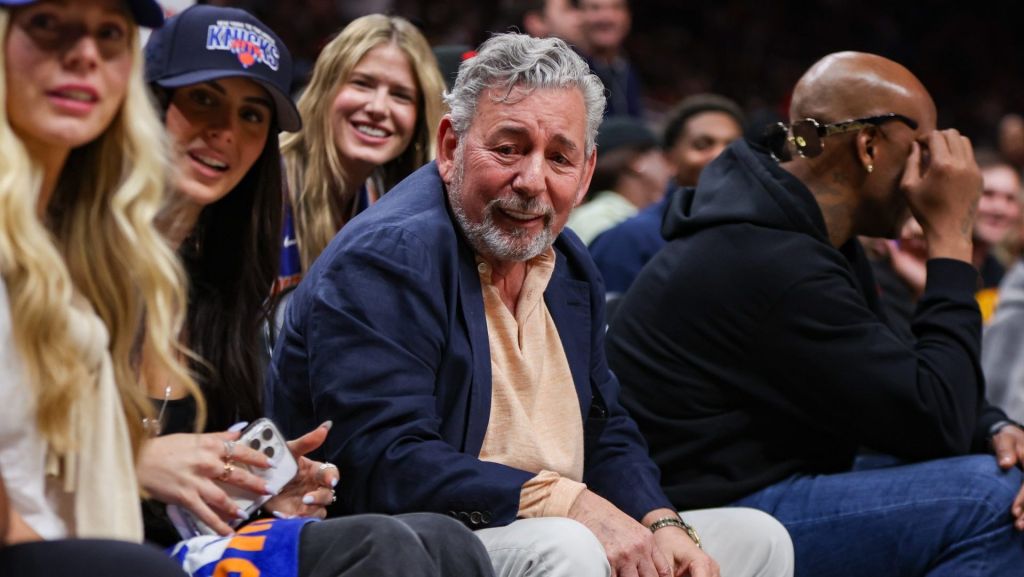
If a spin-off does occur, Boyar Value Group president Jonathan Boyar believes a sale of the Knicks is on the table. At the very least, he could see James Dolan selling a significant minority stake.

“The stars are aligning for some sort of transaction,” Boyar tells FOS. “This playoff run has shown what the team is worth. People aren’t shelling out $5,000, $10,000, or $50,000 for seats in other cities. That demonstrates to anyone who might want to buy the team just how valuable it is.”

Boyar is convinced the Knicks’ overall value will get a significant boost due to their success this season, and that the value increase will be even greater if they win the championship. MSG Sports has had a strong year in the market, with its stock price up about 47% year-to-date as of Wednesday’s close.
Scott Wachter-Imagn Images

Not everyone is so certain about the correlation between winning and franchise valuation. Sal Galatioto, president of investment bank Galatioto Sports Partners, tells FOS he thinks any impact on the value of the team is “minor.”  

“It’s the Knicks,” he says. “They’re already one of the most valuable brands in the league. It’s nice to have a playoff run, don’t get me wrong. But if I were a buyer, would I pay significantly more money because the team made a playoff run this year? No, I’m not going to get the benefit of that. The current owner gets the benefit of that.”

Longtime Knicks executive Dave Checketts, who was team president the last time they were in the Finals in 1999, recently shared a similar sentiment.

“There’s a scarcity in sports that drives value,” he told FOS during an episode of Portfolio Players. “There’s only one New York Knicks, and they happen to play in the middle of Manhattan. And so almost regardless of their record, they’re going to retain a lot of value, and the Garden, now for many years, has been selling out.”

DEAL FLOW

A Piece of Seattle

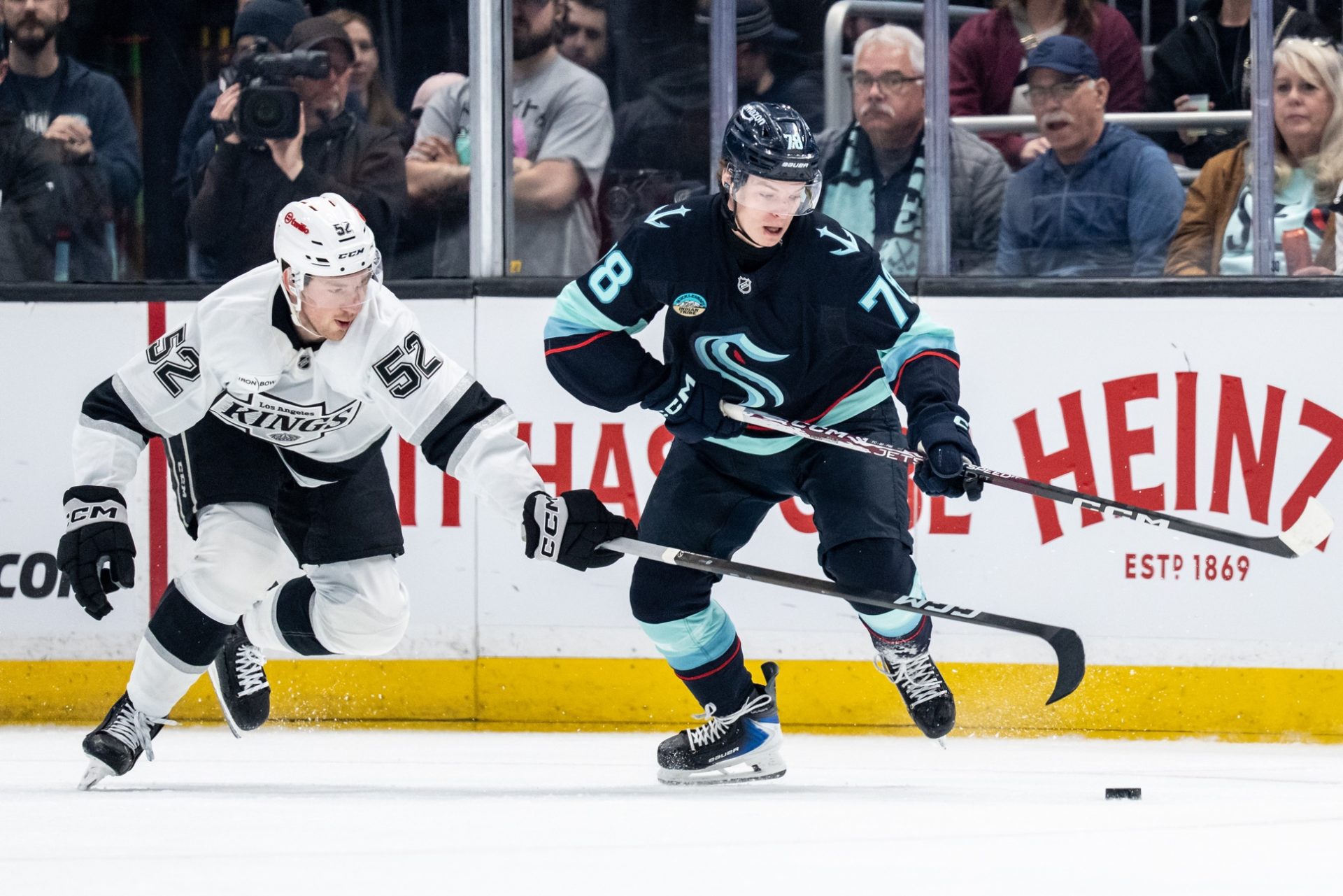
Apr 13, 2026; Seattle, Washington, USA; Seattle Kraken forward Oscar Fisker Molgaard (78) and Los Angeles Kings forward Taylor Ward (52) battle for the puck during the first period at Climate Pledge Arena.

Stephen Brashear-Imagn Images

  • Melinda French Gates is joining the ownership group of the NHL’s Kraken as a minority investor. She joins majority owner and managing partner Samantha Holloway, who has long expressed interest in a potential Seattle expansion franchise in the NBA. In March, One Roof Sports and Entertainment—the parent company of the Kraken—said it would pursue an NBA team in the Emerald City if and when the league moves forward.
  • Big League Wiffle Ball’s season is about to begin with a new franchise featuring famous owners. The Atlanta Ballers, who debut June 7, are owned by a group that includes former Falcons star wide receiver Julio Jones, motivational speaker Tony Robbins, and rapper Nelly. Other team owners in BLW—which will be streamed on ESPN+ this season—include actor Kevin Costner, 76ers and Devils part-owner David Adelman, and entrepreneur Gary Vaynerchuk. 
  • Longtime NBA executive Donnie Nelson and Lakers star Luka Dončić acquired Italian basketball team Vanoli Cremona with intentions to try to get into NBA Europe, according to a statement shared with Front Office Sports. As part of the deal, the club, which currently plays in Serie A, will move to Rome; it previously played in the city of Cremona.
  • A piece of Premier League club Manchester United could be up for grabs, with Bloomberg reporting “some members of the billionaire Glazer family” have been weighing whether to sell some or all of their stakes. The report says certain unidentified individual family members are considering this, and they are looking to get others to join them. Forbes ranks Manchester United as the third-most-valuable soccer team in the world with a $7.2 billion valuation, behind only Real Madrid and Barcelona.
  • 885 Capital, represented by law firm Sidley Austin, has agreed to buy Spanish soccer team CD Leganés, which plays in the country’s second-highest tier, known as LaLiga 2. United Arab Emirates–based 885 now owns 99.1% of the team. The seller is Blue Crow Sports Group. 885’s portfolio also includes Professional Fighters League and 6-on-6 soccer association Baller League.
NOTES FROM WALL STREET

No GDP Boost From World Cup

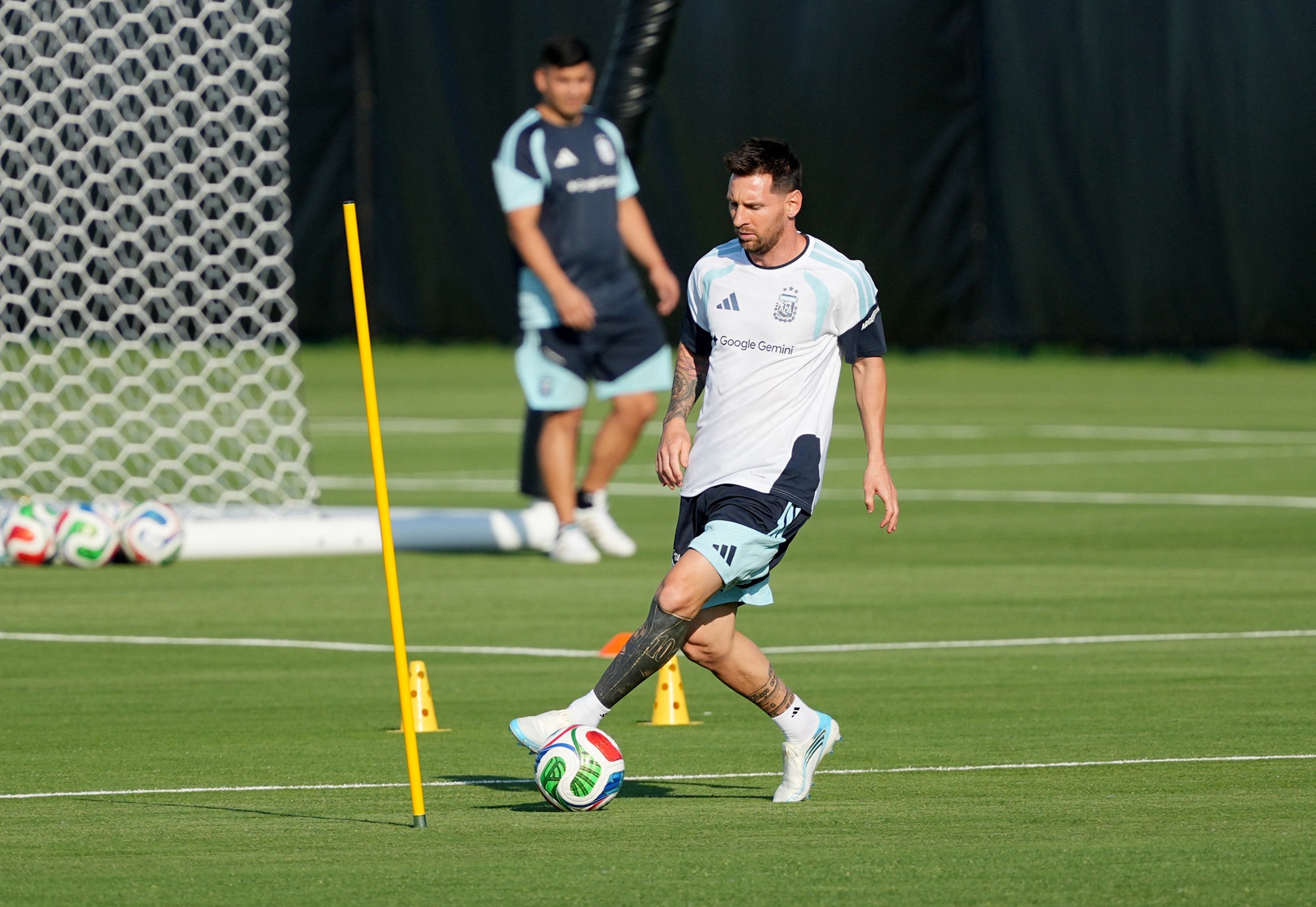
June 3, 2026; Kansas City, Kansas, U.S.; Argentina's Lionel Messi during training.

Denny Medley-Imagn Images

  • The World Cup is “undoubtedly a major commercial event” that carries “important financial implications,” but it doesn’t necessarily have a long-lasting macroeconomic effect on host countries, according to analysts at Goldman Sachs. Any increase in economic activity is “often followed by decreased spending afterwards,” the analysts wrote in a June 3 research note. The analysts pushed back on an assertion from FIFA that the tournament will result in a boost to U.S. gross domestic product of $17.2 billion. Based on data beginning with the 1982 World Cup, Goldman analysts found there is a “marginally positive but not statistically significant effect” on the GDP of host nations. 
  • Underdog has the third-highest U.S. market share in prediction markets behind Kalshi and Polymarket, although Kalshi is far and away atop the trio with 91%, according to analysts at BofA Securities. Underdog has around five million paid users and has been “most successful” in states where online sports betting remains illegal, like California and Texas, they wrote in a research note. Overall, BofA analysts expect sports prediction-market volume to reach about $570 billion by 2028, before eventually surpassing $1 trillion.
  • There are concerns it could be more than a year and a half before Lululemon’s turnaround bears results, “even if successful,” UBS analysts wrote in a May 31 note. The analysts said both data and conversations with investors “suggest sentiment has weakened and now leans bearish.” The note was published a few days after Lululemon agreed to add new board members to end a dispute with its polarizing founder, Chip Wilson. Lululemon, whose stock is down about 40% year-to-date, reports first-quarter earnings after market close on Thursday.

Editors’ Picks

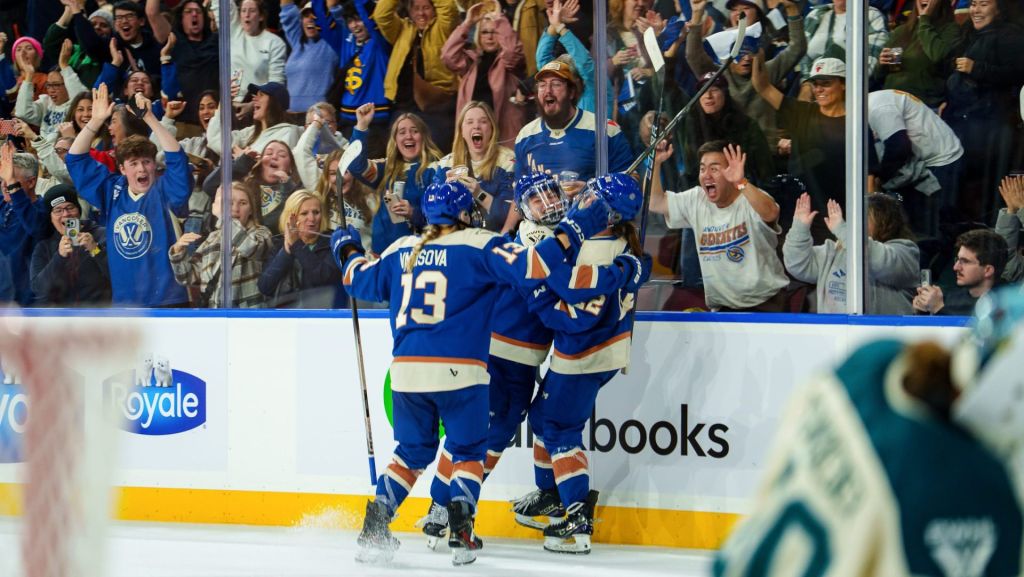
Will the PWHL’s Aggressive Expansion Succeed?

by Yanyan Li
The league added four teams ahead of the 2026–27 season.

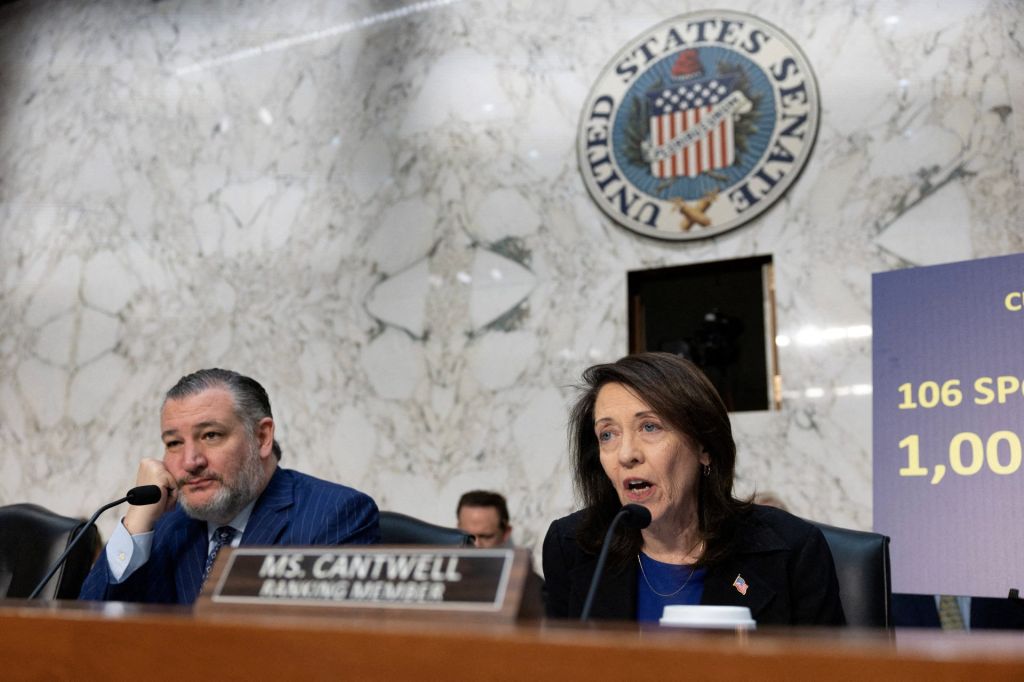
Senate Bill Causes Rifts in Longtime College Sports Alliances

by Amanda Christovich
Saban testified in favor of the bill, while the SEC is against it.

NFL Defends TV Deals As Goodell Declines to Testify Before Congress

by Eric Fisher
The league continues to tout its commitment to broadcast television.
Events Video Games Shop
Written by Ben Horney
Edited by Lisa Scherzer, Dennis Young, Catherine Chen

If this email was forwarded to you, you can subscribe here.

Update your preferences / Unsubscribe

Copyright © 2026 Front Office Sports. All rights reserved.
460 Park Avenue South, 7th Floor, New York NY, 10016

Subscribe To Our Daily Newsletters

  • This field is for validation purposes and should be left unchanged.