
Eight teams have won the World Cup.
Seven of them—Argentina, Brazil, England, France, Germany, Spain, and Uruguay—are in North America chasing another trophy.
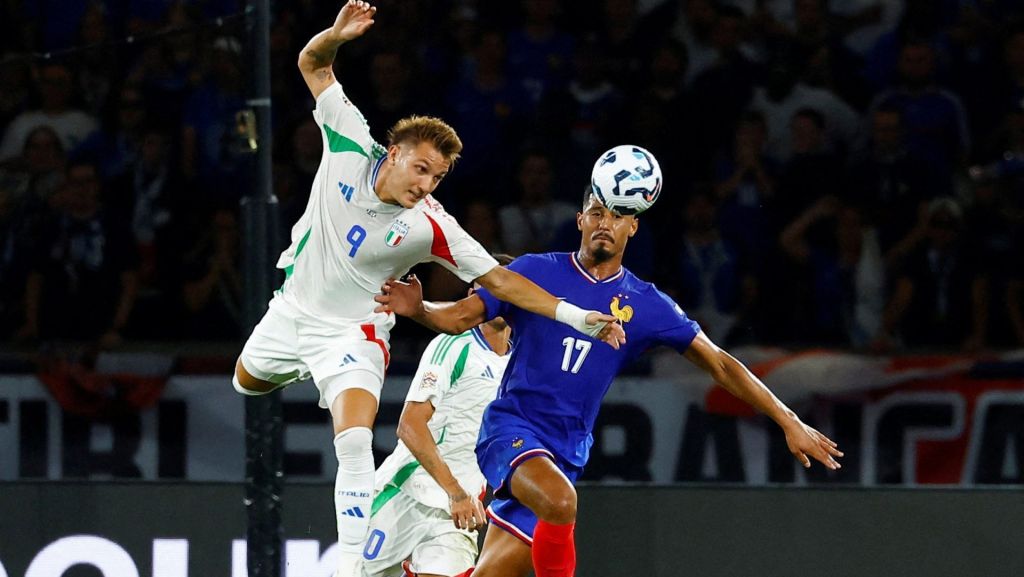
The eighth, Italy, has the summer off. Its absence is deeply felt in the United States and is causing political shockwaves at home.
Winners in 1934, 1938, 1982, and 2006, Italy is as much a part of the history of the World Cup as Brazil or Argentina. Benito Mussolini’s hijacking of the 1934 tournament established the template for how soccer could achieve political goals. Marco Tardelli’s iconic celebration in the 1982 final remains spine-tingling. Luciano Pavarotti’s gargantuan rendition of “Nessun Dorma” in Rome, alongside Plácido Domingo and José Carreras, is a contender for the moment that contemporary soccer was born. At a World Cup mostly hosted by a country where 5% of the population claims Italian ancestry, the team’s absence leaves a cultural, as well as a sporting, void.
“There’s no logical explanation for it,” Philadelphia restaurant owner Riccardo Longo tells Front Office Sports. “They just choked.”
Italy caused a sensation by missing out on the 2018 World Cup, losing a two-legged playoff to Sweden. It fell at the same hurdle in 2022, denied by North Macedonia. This time around, it finished second in its qualifying group behind Erling Haaland’s Norway. It overcame Northern Ireland in the first playoff round but then lost on penalties to Bosnia and Herzegovina.
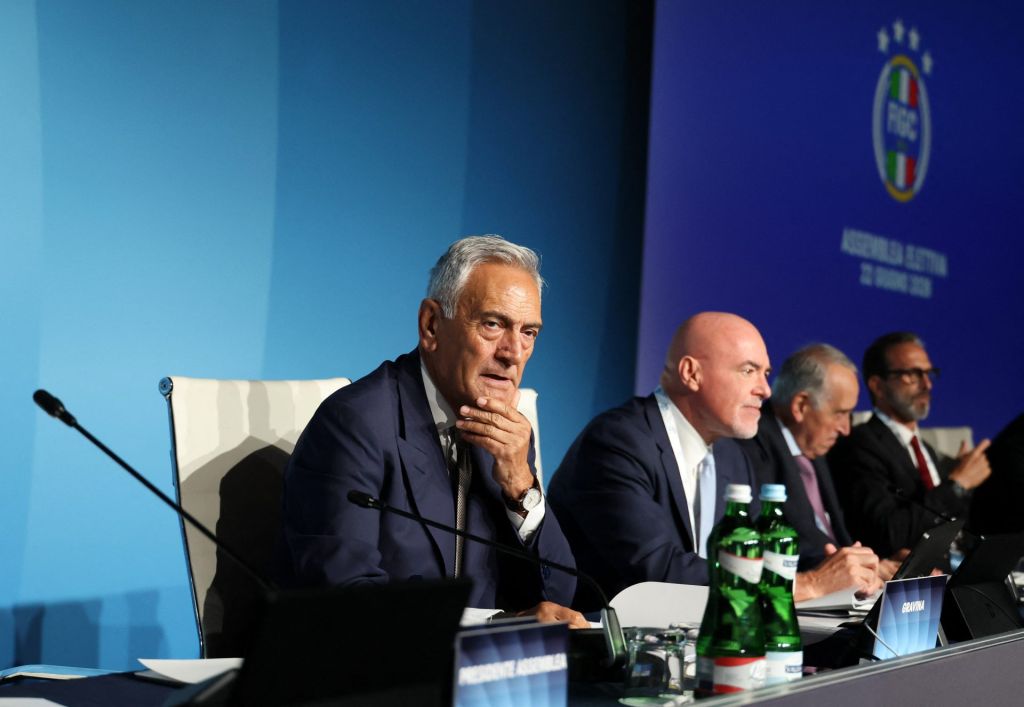
Missing out on a third consecutive World Cup caused outrage. The head of the Federazione Italiana Giuoco Calcio (FIGC, the governing body), Gabriele Gravina, resigned, followed by the head of the national team delegation, Gianluigi Buffon, and the coach, Gennaro Gattuso.
It has also led to a very different World Cup for Italian restaurants, bars, and coffee shops across North America this summer.
“The big four are soccer, soccer, soccer, and soccer”
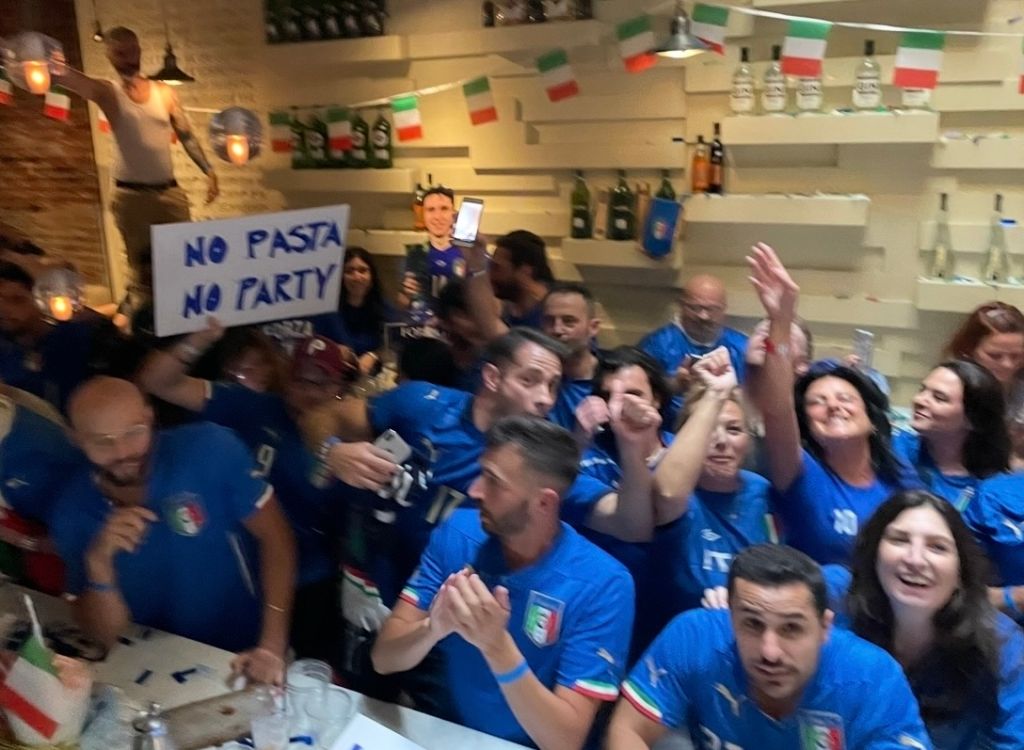
Longo opened Gran Caffé L’Aquila in Center City in 2014. It quickly became the home for Italian soccer fans in Philadelphia. “We always joke that in America there are four major sports: baseball, basketball, football, and hockey. In Italy, the big four are soccer, soccer, soccer, and soccer,” he tells FOS. In 2021, Italy qualified for that summer’s European Championship. The Azzurri reached the final against England, making it the national team’s biggest match since the 2006 World Cup final. Longo hosted a watch party. “We had to get security around the building because there were too many people trying to get in. We have a maximum capacity of 200, and it was just pandemonium.” Italy won on penalties, and a giant party ensued.
Before the 2022 World Cup, Longo was granted permission by the city of Philadelphia to shut down a city block and rig up a giant screen to show all of Italy’s games. Those parties never happened. “We were going to do it again this year, but we decided not to ask too far ahead of time as we didn’t want to jinx it,” he laughs ruefully.
In Boston’s North End, peppered with Italian restaurants, Caffè dello Sport has broadcast Italian soccer matches for decades. “We were known for showing these games because they weren’t easy to find,” explains owner Mivan Spencer. His grandfather, Angelo Cattaneo, bought the café in 1991. “We had these two giant satellite dishes on the roof.”
Spencer has also felt the absence of the Azzurri keenly. When Italy has a World Cup game, “the entire neighborhood changes,” he tells FOS. “It becomes a sea of blue on Hanover Street. People come hours and hours before kickoff and parade down the streets. The restaurants and cafes are full. There are people selling shirts. It just creates this whole different atmosphere that is just missing this time around.”
In New York, Irishman Kieron Slattery runs Smithfield Hall, a cavernous soccer bar in Midtown Manhattan that is home to fan groups affiliated with dozens of clubs and national teams. “Normally all the houses would have ‘Forza Azzurri’ flags outside, and there would be constant chatter about the games. The kids would be playing ball on the streets. There would be huge outdoor watch events on 18th Avenue. But this year, it’s all quiet.” Slattery notes that Italy is not the only notable absentee. “We have a World Cup in New York City without Italy, Ireland, Poland, and Jamaica. Urgh.” (Ireland and Poland came painfully close to qualifying.)
Longo believes that “there’s a very large segment of Italians that have just tuned out because they are too depressed.”
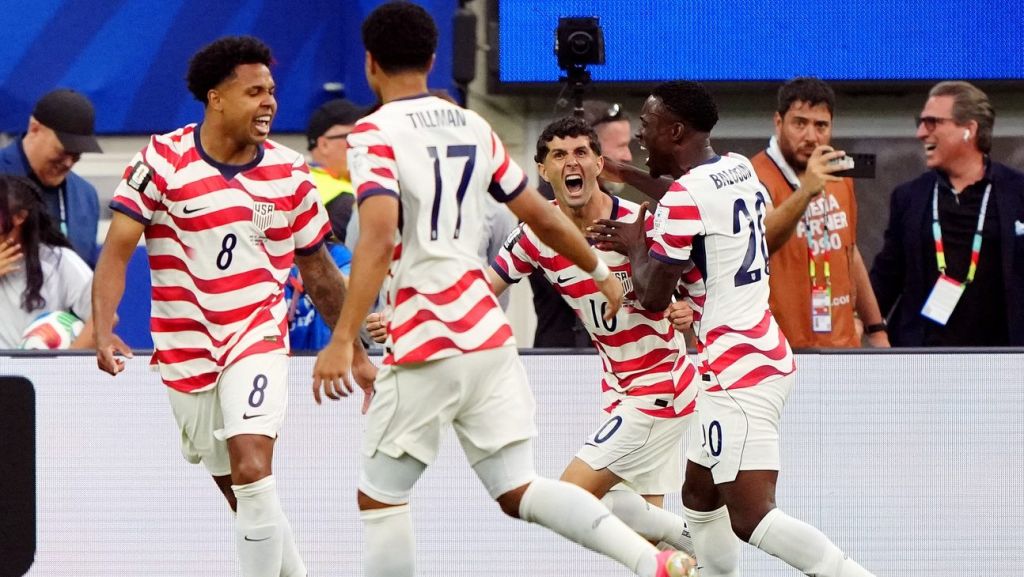
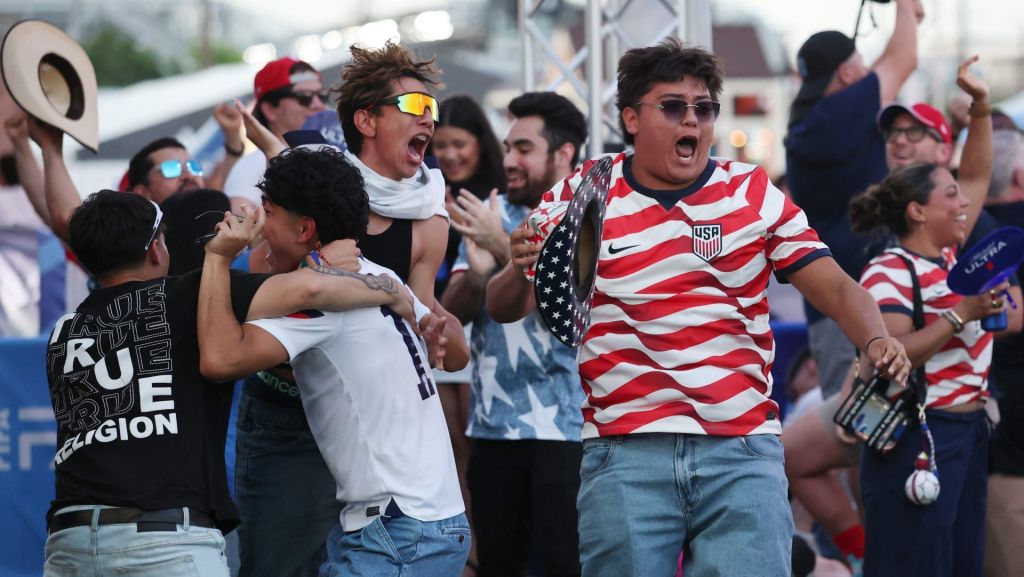
But there is one team that stands to benefit: He thinks another chunk of the Italian American population is supporting the resurgent Americans. Spencer in Boston concurs.
“You can always tell the difference”
In Italy, a rebuilding process has begun. On June 22, FIGC members elected Giovanni Malagò as its new president. Malagò was most recently the head of the local organizing committee of the Milan Cortina Winter Olympics.
Malagò inherits an unusual situation. Italy does not have a bad team. It is still ranked inside the top 20 of the FIFA rankings. “The overall quality of Italian football is pretty high,” argues Lorenzo Benotti, editor of a popular website, Football Italia. “And it is definitely higher than some of the European teams that have qualified for the World Cup.”
The chaotic result against Bosnia and Herzegovina, which saw defender Alessandro Bastoni sent off in the first half and two of the three Italians miss their penalties, suggested a complex had taken hold. “The approach to the Bosnia game was too fearful,” according to Benotti.
He is also doubtful that Malagò will institute a new era for Italian soccer, noting that Gravina had been elected almost unanimously just a year before. The FIGC’s first item of business is to appoint a new coach before qualification begins for the 2028 European Championship. Hinting at the sense of stasis, the two leading contenders, Roberto Mancini and Antonio Conte, have both held the role before.
In the meantime, Italian-owned bars and cafes in the U.S. will keep pulling up the shutters, screening the games and serving the Koreans, Colombians, Brazilians, and Scots that have filled the Azzurri-sized gap. But in Boston at least, it’s not quite the same, Spencer says.
“You can always tell the difference when there’s an Italy game on and when there isn’t.”