
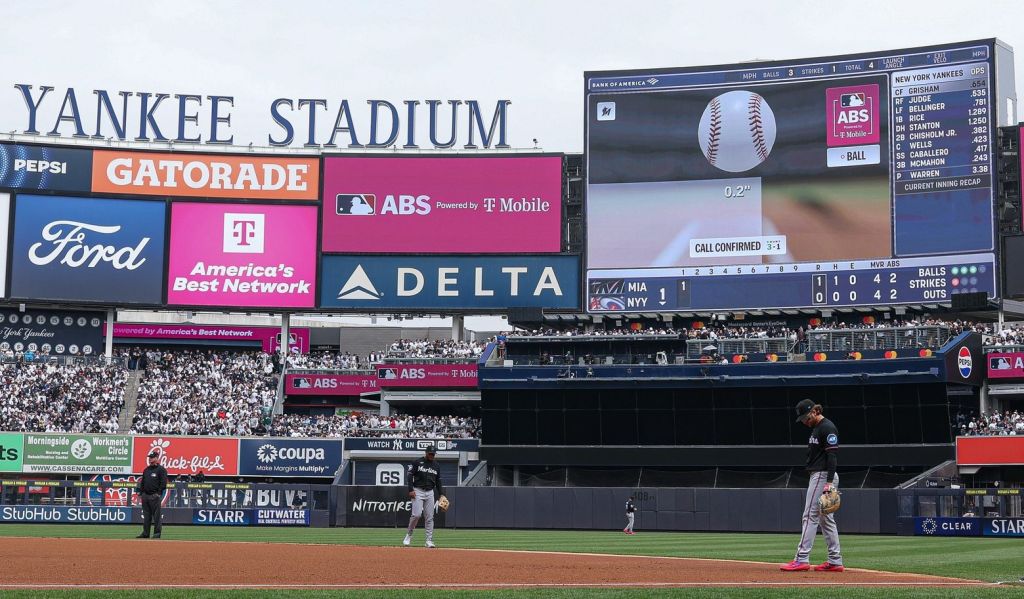
MLB’s new automated ball-strike (ABS) system, already a major part of the 2026 season and a broadcasting hit, is creating further changes in average game times and attendance.
As replay technology is now part of individual pitches forming an elemental part of baseball, the average nine-inning game time across MLB play after nearly three weeks of regular-season play is 2 hours, 42 minutes. That’s an increase of four minutes from the 2025 full-season average and up by six minutes from the 2024 figure.
Reducing average game times and promoting a crisper, more action-filled style of play were central to MLB’s 2023 introduction of rule changes led by the pitch clock. That indeed has happened, as the league remains down sharply from before the pitch clock, when an average game required at least three hours to play for seven straight seasons.
MLB commissioner Rob Manfred, however, said he’s comfortable with a trade-off involving a small giveback of the pace-of-play gains in return for the heightened accuracy that ABS and the challenge-based format provide.
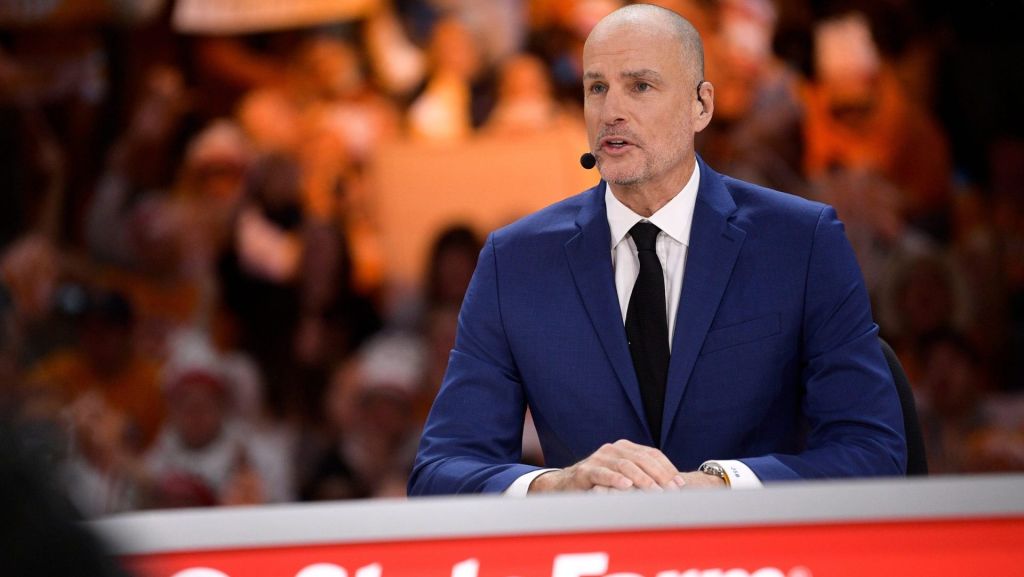
“That’s a price I’m prepared to pay,” Manfred said last week on The Dan Patrick Show.
Attendance Is Up
The league, meanwhile, is seeing an early lift in attendance to start the 2026 season, even with a typical dose of cold-weather April games in the Northwest and Midwest.
Through Sunday’s action, MLB is up 4.2% at the gate, attracting 6.98 million across 233 total games, or an average of 29,955 for each contest. The Blue Jays are showing the largest increase on a per-game basis after last year’s run to the World Series, while the Rays are just behind after returning this season to a repaired Tropicana Field.
The attendance lift thus far also exceeds the scant 0.09% gain in 2025. Any sort of increase in 2026, if it holds for the entire season, would be the fourth straight annual boost for MLB and the first such streak since 2004–07.
ABS is already being seen as a contributing factor in the latest increase. Similar to what’s shown to television viewers at home, ABS challenges generate a computerized replay of the pitch in question that’s shown on the videoboard, and then the ruling—in turn creating another moment of drama for fans.
“What actually surprised me is how popular this is with fans,” Manfred said. “When the challenge happens, everybody’s kind of glued to the jumbotron. It’s amazing. … It’s a form of fan engagement.”
There have been 932 total ABS challenges so far this season, with 54% of them overturned. Pitchers and catchers are having a 61% success rate on challenges, while batters are succeeding at a 47% rate. The Reds have been an early standout team with ABS, leading the league with a 67% overturn rate with batter challenges and ranking fifth with a 73% rate on fielding-based ones.