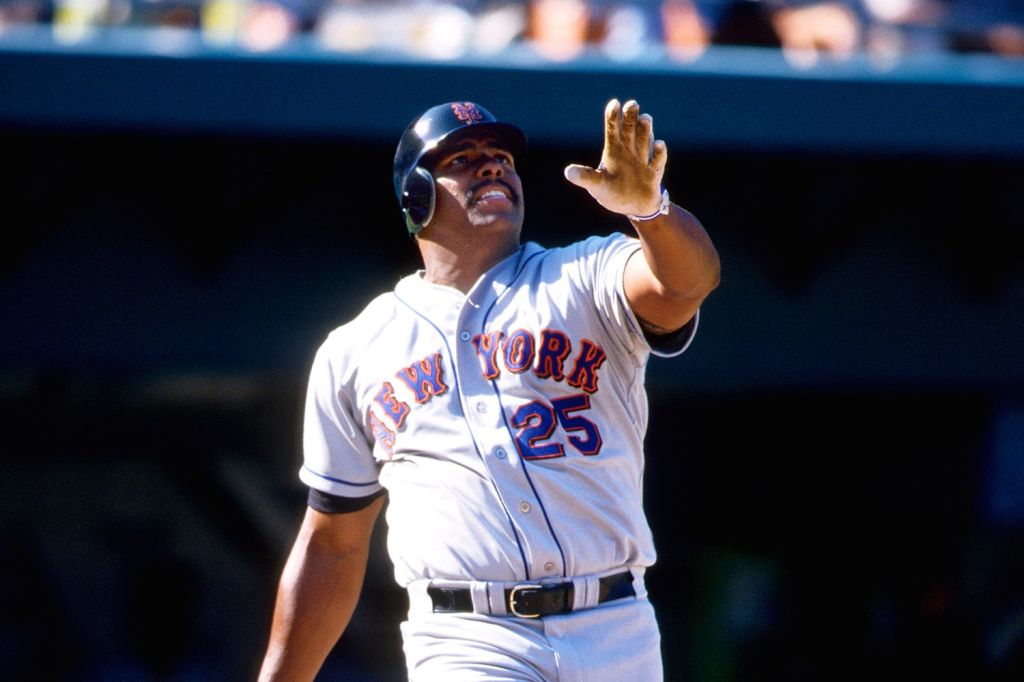
Bobby Bonilla Day has rolled around once again, but the annual celebration of the former MLB star’s deferred income could become a thing of the past if MLB team owners get their way.
The arrival of July 1 brings with it the annual payment of deferred salary owed to many long-retired MLB players and some still playing. Among the notable contracts with deferral payments happening today:
- Bonilla’s annual payment of $1.19 million from the Mets that runs through 2035 and previously gave rise to the unofficial baseball holiday. That structure, first created in 2000, has turned an initial $5.9 million contract obligation into nearly $30 million in deferrals and compounded interest. Today marks the 16th deferral payment the Mets are making to Bonilla.
- A separate deferred payment of $500,000 to the 63-year-old Bonilla from the Orioles, the result of a somewhat similarly structured contract. That annual payment will run through 2028.
- Pitcher Max Scherzer, now with the Blue Jays, is getting $15 million from the Nationals, a team he last played for in 2021. Washington will make two more such annual deferral payments to the veteran hurler.
- Former Orioles slugger Chris Davis is receiving $3.5 million as part of a deferral structure running through 2037.
- Former Red Sox star Manny Ramírez is getting the last $2 million in contract deferrals from that team.
“It doesn’t suck. It doesn’t suck. … I just wanted to be able to spend as if I was an active player in retirement,” Bonilla said last year in The Big Deal, a short film produced by Front Office Sports Studios.
Changing Times?
Though MLB salary deferrals continue to capture the imagination of many fans—particularly on the July 1 date that is the typically designated timing—these structures could ultimately cease to exist in baseball.
As part of a series of dramatic labor proposals made to the MLB Players Association that include a hard salary cap and floor, a heavily reworked system for player development, and a redesigned reserve system, team owners are also looking to ban all salary deferrals.
All current contract obligations, including existing deferrals, would still be honored in the proposals. But if owners get this into the next labor deal, all new pacts beginning in 2027 would not allow deferred money. Management sees this bid, fundamentally tied to its push for a salary cap, as another tool to help level the sport’s economic playing field.
While large-revenue teams such as the Dodgers remain fully compliant under the current labor deal, they’ve also successfully used hefty salary deferrals, including a record $680 million in delayed money for superstar Shohei Ohtani, as a core roster-development strategy.
The union is resisting the league’s proposal, and it sees deferred money as another option that enhances player flexibility and choice.
“Players view it as a fundamental right, to be able to negotiate contracts at any amount and at any length,” MLBPA interim executive director Bruce Meyer said late last week in response to a Front Office Sports question.
“We would prefer, given the choice of a dollar now versus a dollar later, the dollar now. But that’s not always the choice. It’s sometimes 60 cents now or a dollar later. And at that point, it’s again an issue of player flexibility. We believe that if the player and the agent believe [deferrals] are something that’s helpful in getting the deal done, they should have the option to do it,” Meyer continued.