Read in Browser

Front Office Sports - The Memo

Morning Edition

March 6, 2026

Why are some mid-major college basketball tournaments getting so complicated? It’s all about giving their best teams a better path to March Madness.

—Eric Fisher

First Up

  • Reggie Bush and Terrence Murphy are raising a private-equity fund seeking $150 million to invest in emerging sports leagues and teams. Read the story.
  • MLB and the players’ union have discussed playing regular-season games in the Dominican Republic for the first time. Read the story.
  • The WNBA’s looming CBA deadline is exposing cracks among players, with union leadership blaming the league. Read the story.
  • The NCAA is appealing a court ruling that granted Ole Miss QB Trinidad Chambliss another year of eligibility. Read the story.

March Madness Payouts Drive Mid-Majors to New Tourney Formats

Nick Tre. Smith-Imagn Images

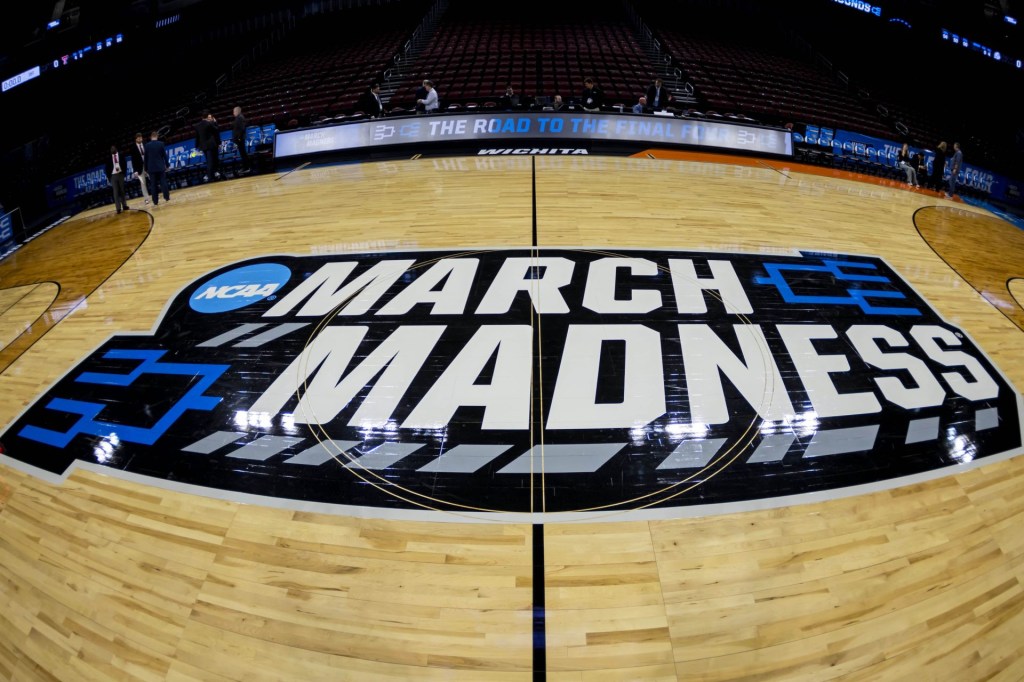
It’s conference tournament season in men’s college basketball, and in the current Hunger Games–like environment of the sport, an increasing number of mid-majors are embracing complex event structures to put their best possible teams in March Madness.

Instead of a straight, bracket-style format, the American Conference moved this season to a 10-team stepladder structure, and it will advance its top two seeds straight to the semifinals. Just a pair of wins for each of them clinches a March Madness berth, while low seeds need to win as many as five games. 

Similarly, the Sun Belt Conference is now using a stepladder-style format for its ongoing tournament in which low-seed schools must win as many as seven games to win the title, as opposed to just two for the top two seeds. Those leading entrants—No. 1 Troy and No. 2 Marshall—have been placed directly in the semifinals. There was some chaos going into the tournament as there was a six-way regular-season tie for the second slot, requiring tiebreakers, but the overall format remains in place.  

A social media hashtag #StairwayToSeven then developed around the start of the Sun Belt tournament, though each of the lower seeds were eliminated by the second day of competition.

The Ohio Valley Conference has the same core format, favoring its top two teams, albeit in its smaller, eight-team tournament. Several other mid-major conferences, including the Atlantic 10 and Mountain West, have a series of single- and double-byes in the tournament structures.

Those entities, in part, follow the lead of the West Coast Conference, which has long used a staggered bracket that advances its top two seeds to the semifinals. That, in particular, has helped showcase the 22-time conference tournament champion, Gonzaga. 

The stepladder brackets “will reward our top seeds for their accomplishments during the regular season, ensuring they receive the advantage they’ve earned for their on-court performance,” Sun Belt Conference commissioner Keith Gill said upon the format’s introduction last season.

Vincent Carchietta-Imagn Images

Money Behind the Madness

The underlying strategy fueling these moves is clear: Each March Madness unit is worth about $2 million to the participating conference, and advancing in the national tournament earns additional units. As a result, seeding is critical, as is being in the best possible position to not just appear in the dance but go further in the competition. 

That’s particularly true as many of these mid-majors have been reduced to one-bid status in March Madness, while power conferences such as the SEC have claimed a record number of bids.

Avoiding the March Madness First Four games in Dayton is also now key as the selection committee finalizes the bracket, as no team placed there has advanced to the Sweet 16 since UCLA in 2021. In the last three years, the 12 total teams that emerged from the First Four have gone a combined 3–9 in the round of 64. All four of the 2025 winners in the First Four were decidedly beaten in the next round. 

The downside of the restructured conference tournament situation, however, is the additional physical toll levied upon players. A team in these mid-major conferences can play as many as seven games in seven days—a level of strain far beyond the normal regular-season cadence in which a program typically plays two or three games a week.

“You ever see the movie Groundhog Day? [The game-day routine] is kind of like that,” said James Madison coach Preston Spradlin. “Except I’m not as funny as Bill Murray. Close, but not quite. But you wake up and do the same thing.”

SPONSORED BY ALLY

Shooting for the Equalizer

“Good for a girl” isn’t a metric we recognize. It’s time to rethink the way the world backs female athletes. At Ally, we’re committed to and invested in leveling a lopsided media landscape—because it’s time to even the score.  

Believe in the game. Back the game. Watch the game. Change the game.

Ally Bank, Member FDIC.

LOUD AND CLEAR

Rodgers Offseason Drama

Barry Reeger-Imagn Images

“There’s no contract offer or anything …”

—Aaron Rodgers, on the lack of progress in talks with the Steelers about a possible return for the 2026 season. Speaking on The Pat McAfee Show, the four-time MVP said there haven’t been any “progressive conversations” yet as he weighs whether to play another season. 

Rodgers signed a one-year, $13.65 million deal with Pittsburgh last June after negotiations stretched deep into the offseason—and the saga may play out the same way this year. Read the story.

FOS NEWS

Miami (Ohio) AD Fires Back

FOS graphic

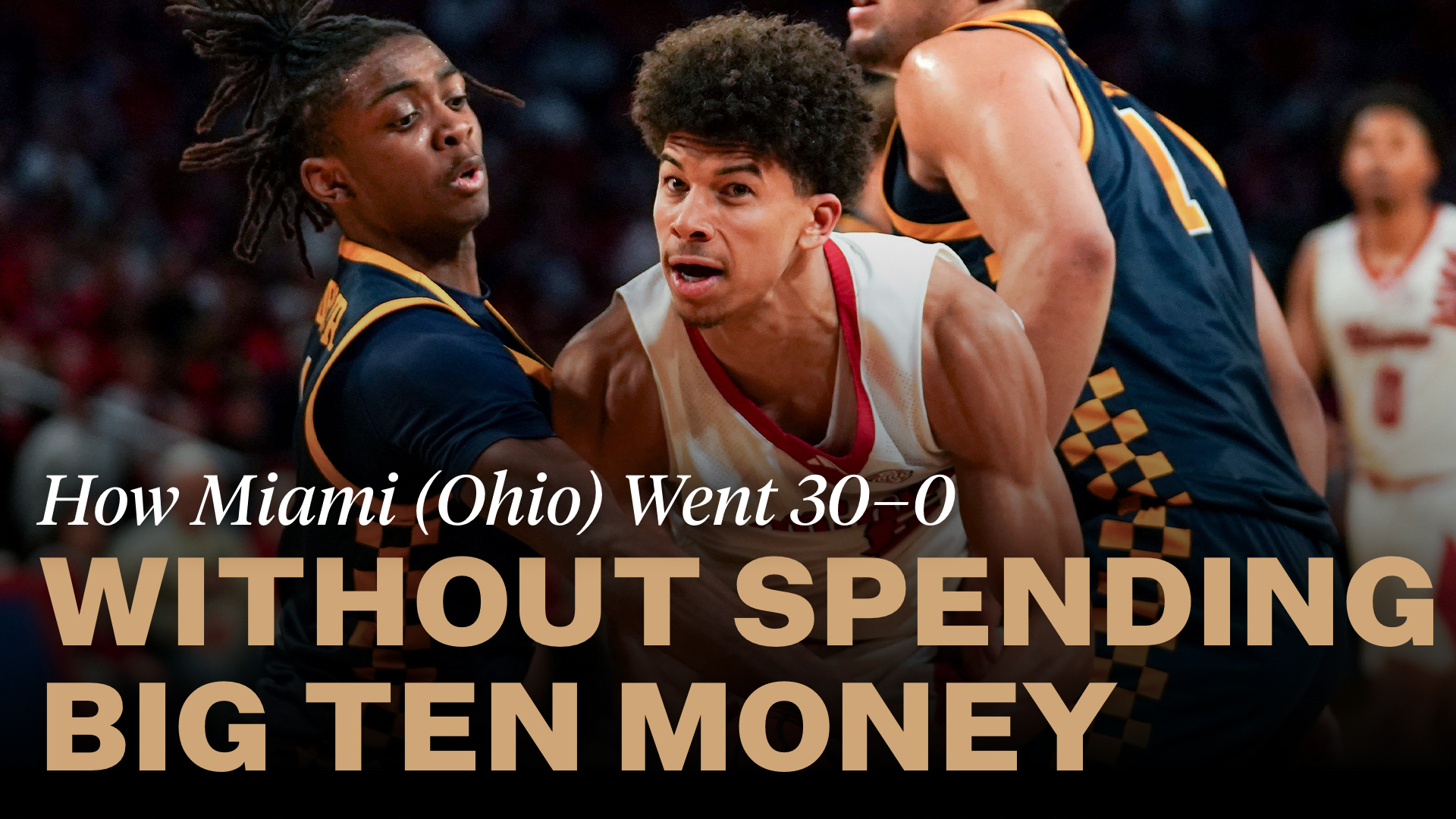
Miami (Ohio) AD David Sayler joins Front Office Sports to discuss one of the best stories in college basketball this season. The RedHawks are one of only four teams in the last 35 years to start 30–0. They’ve clinched at least a share of the MAC regular-season title, and they’ve done it without the NIL budgets of power-conference programs.

Sayler fires back at former Auburn coach Bruce Pearl, who was critical of the RedHawks’ schedule and publicly suggested Miami (Ohio) would finish in the bottom half of the Big East. He also explains how coach Travis Steele has built a culture that keeps players from leaving, why NCAA tournament expansion could hurt mid-majors, what’s really wrong with the transfer portal, and why the scheduling system is stacked against schools like his.

Watch the full interview.

Editors’ Picks

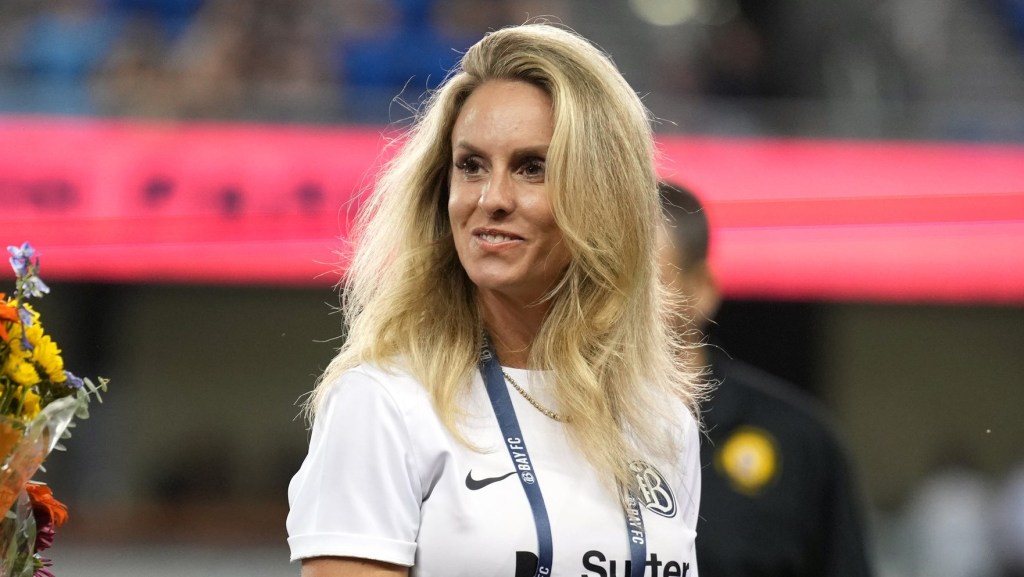
Bay FC Founder: Angel City Showed Perils of Celebrity Ownership

by Margaret Fleming
“We don’t have 10 celebrities on our team.” 

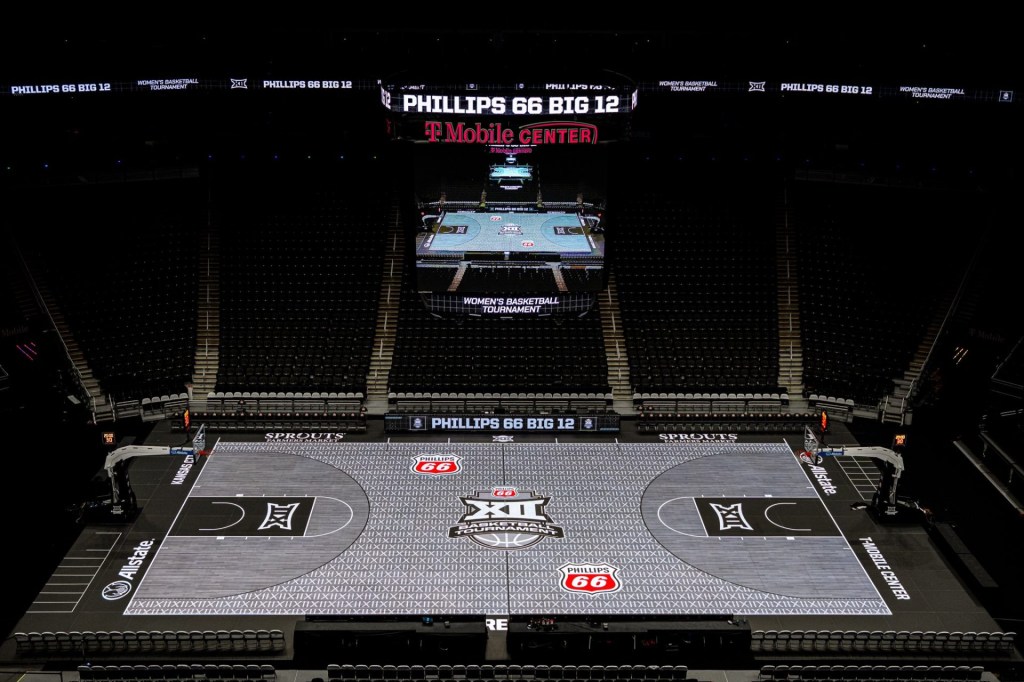
Players Say Big 12 Basketball Tournament’s LED Court Is Slick and Slippery

by David Rumsey
ASB GlassFloor’s technology is making its U.S. debut in Kansas City.

Alex Lasry: NBA Europe Could Have Soccer-Like Impact on Basketball

by Alex Schiffer
Lasry’s family owned the Milwaukee Bucks from 2013 to 2023.

Question of the Day

Do you think mid-major conferences should receive additional at-large slots in March Madness?

 YES   NO 

Thursday’s result: 32% of respondents think public money should be used to fund pro stadiums and upgrades.

Events Video Games Shop
Written by Eric Fisher
Edited by Matthew Tabeek, Catherine Chen

If this email was forwarded to you, you can subscribe here.

Update your preferences / Unsubscribe

Copyright © 2026 Front Office Sports. All rights reserved.
460 Park Avenue South, 7th Floor, New York NY, 10016

Subscribe To Our Daily Newsletters

  • This field is for validation purposes and should be left unchanged.