The local broadcast rights and revenue for 29 pro teams are now at heightened risk, as a potential sale of FanDuel Sports Network parent company Main Street Sports Group to DAZN looks increasingly unlikely. Without a deal, it raises the prospects that those rights will revert to the teams and leagues.
Main Street Sports has been attempting to sell itself to the London-based DAZN for several months, and before the holidays, a formal agreement looked to be near. Additional issues have developed more recently, though, including a desire by DAZN to reduce local rights fees to many of the involved teams, secure additional digital content rights, add more years to the term, or all of those.
That situation, one that is unpalatable to many clubs, adds to an already delicate situation in which Main Street Sports missed a scheduled rights payment last month to MLB’s Cardinals, and then many more within its portfolio of 13 NBA teams.
Without the DAZN deal, Main Street Sports is expected to dissolve itself. As a result, the teams and leagues are now bracing for an imminent collapse of the entire situation.
“No matter what happens, whether it’s Main Street, a third party, or MLB Media, fans are going to have the games,” said MLB commissioner Rob Manfred on Thursday.
Main Street Sports, formerly known as Diamond Sports Group, shows 13 teams in the NBA, 9 in MLB, and 7 in the NHL, with those teams now assessing a variety of options including over-the-air television, streaming, and local cable deals—both within league-led structures or independently.
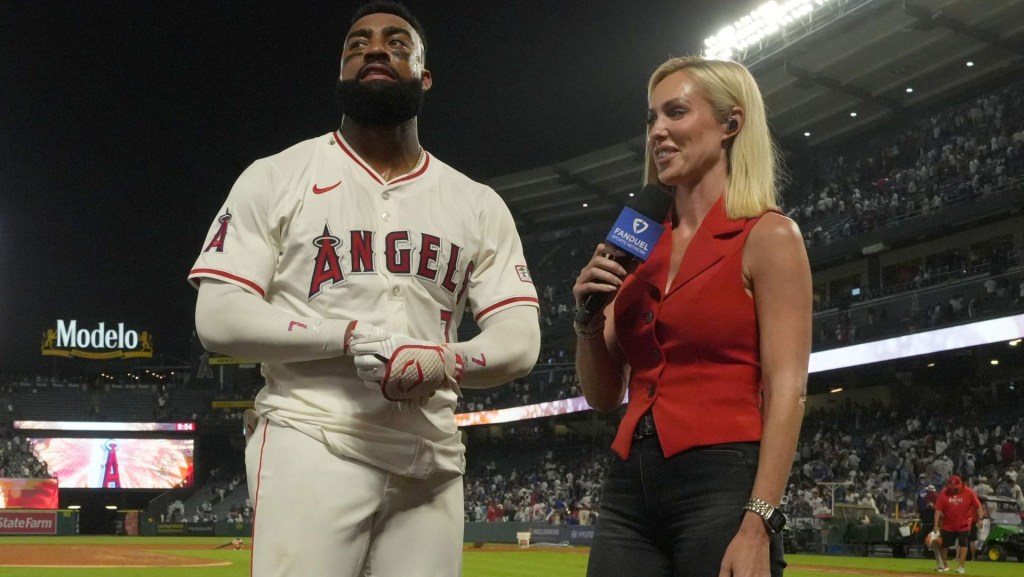
All nine of those MLB clubs have terminated their deals with Main Street Sports, industry sources said. Those clubs are the Angels, Braves, Brewers, Cardinals, Marlins, Rays, Reds, Royals, and Tigers.
The company emerged a year ago from a Chapter 11 bankruptcy reorganization, but a variety of issues—including industry-wide cord-cutting and mounting debt—have particularly battered this part of the sports media business. The company posted a strong viewership increase during the 2025 MLB season, and it has begun to do so again in the current NBA and NHL seasons. It also retooled its production under former ESPN executive Norby Williamson, but the structural issues have only deepened.
“Our focus, particularly given the point in the calendar, is to maximize the revenue that’s available to the clubs, whether that’s MLB Media or a third party,” Manfred said in response to a Front Office Sports question. “The clubs have control over the timing. They can make a decision to move to MLB Media because of the contractual status now. I think that’s what’s happening right now, clubs are evaluating their alternatives.”
It is still possible, though more unlikely, that the MLB clubs will return to Main Street Sports on renegotiated contracts. That happened during the prior DSG bankruptcy with each of the teams that stuck with the company, but the situation has grown more dire since then.
“We remain in active dialogue with all of our MLB team partners regarding potential revised terms of our agreements going forward,” Main Street Sports said in a statement.
MLB’s in-house local media department currently handles production and distribution for six clubs, most recently bringing on the Mariners, with the Nationals likely soon to follow after ending its relationship with the Orioles-controlled Mid-Atlantic Sports Network.
Revenue Impacts
In the meantime, many of the involved teams are facing growing issues setting their player payrolls and conducting financial planning.
A MLB hot stove season that had started in rather frothy fashion, and still has several big-name players available, has slowed considerably in the past several weeks. The ongoing local media issue is certainly one key factor, as that component provides more than a fifth of total revenue across baseball.
“Obviously, [the clubs] have made significant payroll commitments already, and they’re evaluating the alternatives to find the best revenue source for the year and the best outlet in terms of providing quality broadcasts to their fans,” Manfred said.
MLB reached an agreement in 2024 with the MLB Players Association to provide up to $15 million for impacted clubs as a “media-disruption distribution.” As the league enters what is expected to be a tough round of bargaining with the players, that program is not currently set to be repeated.
“We are not providing financial assistance right now,” Manfred said.