January 22, 2026

Read in Browser

Front Office Sports - Asset Class


As the NBA’s European expansion plans progress and EuroLeague seeks to protect its status as the region’s top basketball league, Napoli Basketball—which plays in Italy’s top tier of basketball—is positioning itself as a candidate for either league.

—Ben Horney

Italy’s Napoli Basketball Wants In on NBA Europe or EuroLeague

Napoli Basketball

As the NBA plots its European expansion and EuroLeague digs in to defend its turf, some team owners see an opening to elevate their clubs onto a bigger stage.

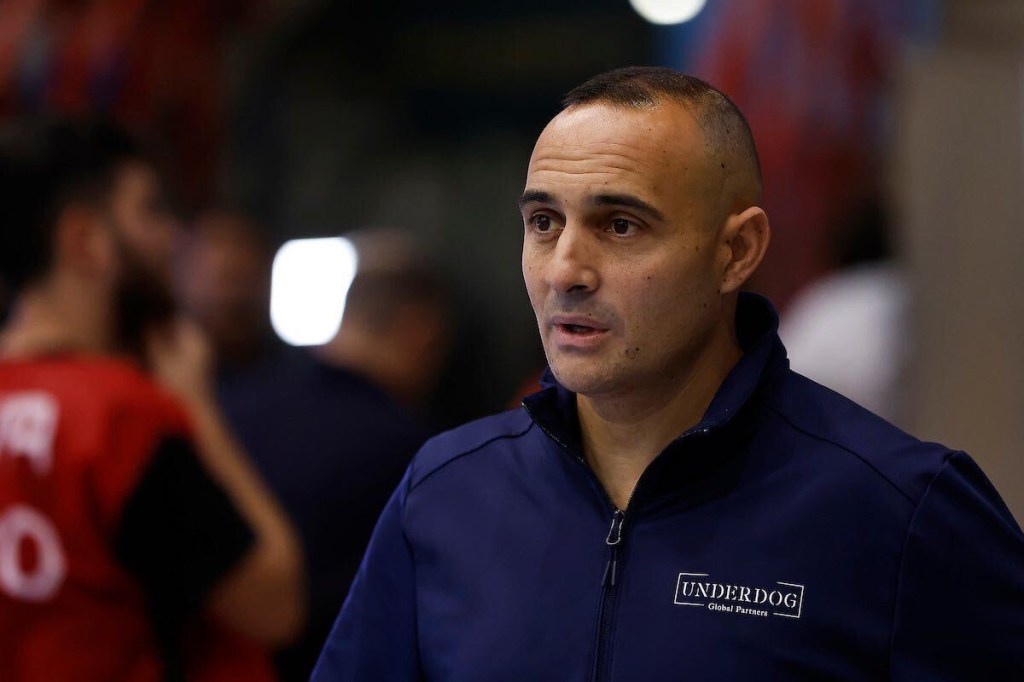
Matt Rizzetta, the Italian-American owner of Napoli Basketball, is trying to position his club as a candidate for either the NBA’s new project or EuroLeague. Rizzetta, 43, met earlier this week with the CEO of EuroLeague, he tells Front Office Sports. He was joined at the meeting by two members of his company, Underdog Global Partners: general partner and advisor Daniel Doyle, and Rosario Procino, who is managing director of the firm’s European portfolio.

“We had a very positive meeting,” Rizzetta says. 

A source familiar with EuroLeague’s thinking confirmed the meeting with Rizzetta took place, and says EuroLeague is weighing potential expansion. Currently, there are 20 total teams (13 permanent shareholders and 7 others who make the league through other means, such as winning the EuroCup or receiving short-term licenses). The source says EuroLeague could expand to as many as 24 teams by the season after next.

Still, EuroLeague isn’t Rizzetta’s only focus.

“The next step is hopefully to get in front of the NBA in the next month or so,” he tells FOS. “I feel our group can sell Naples in a way very few cities can offer.”

For Rizzetta, the pitch starts with infrastructure. He says he has spent the past five months working with the city of Naples and its mayor, Gaetano Manfredi, about building a new 12,000-seat arena near the Amalfi Coast—a tourism hub Rizzetta believes would bolster the club’s international appeal. (The team currently plays in the PalaBarbuto arena, which was built in 2003 and is more than an hour from the Amalfi Coast.) 

Rizzetta expects the new arena to be completed in three to four years and cost up to $234 million (€200 million). He says funding is “almost all committed,” through a mixture of private funds and public sector funding and grants.

The project is being designed to meet the standards of both leagues—the NBA in particular has made clear that its teams need appropriate arena infrastructure, while EuroLeague stipulates that its licensed teams must have arenas with capacity for at least 10,000 spectators. Although the PalaBarbuto arena only seats a little over 5,000 people, Rizzetta tells FOS EuroLeague “agreed in principle” that Napoli could have a conditional exemption that would allow the team to continue playing in its current arena “for a temporary period of time, as long as the new arena gets built by a certain date.”

“I don’t see that happening with the NBA,” Rizzetta says. “Their priority is teams with NBA-quality arenas in European markets.”

Joining EuroLeague or the NBA’s European project would offer Napoli more than just greater competition. Both leagues would have a higher profile than Serie A—which is Italy’s top division and the league in which Napoli currently plays—meaning teams would gain access to larger media and sponsorship deals, and player salaries would likely increase. In Serie A1, player salaries average between $180,000 and $350,000 and can rise as high as $2 million. EuroLeague salaries can reach more than $5 million.

Since buying Napoli last year, Rizzetta has made moves aimed at turning Napoli into a global basketball brand and building his portfolio of sports assets. In May, Napoli hired James Laughlin, a former Pelicans and Warriors executive, to serve as general manager of Underdog Global Partners, which launched in September. That company houses his sports assets, including Campobasso, which plays in Italy’s third-highest division of soccer; Donna Roma, an Italian women’s soccer team that plays in the country’s second-highest level; and CPL Quebec, an expansion men’s soccer team that will play in the Canadian Premier League.

Napoli previously competed in EuroLeague and now plays in Serie A. The club is currently participating in the Italian Basketball Cup, which it won in 2023–24.

Rizzetta believes Naples has been overlooked as a basketball market, pointing to the city’s international airports and tourism appeal, plus the fact that it was named the European Capital of Sport for 2026 and will host the America’s Cup, a competitive sailing competition, in 2027.

“Naples sells itself,” he tells FOS.

The Broader Context

Rizzetta’s push comes amid lingering uncertainty with regard to both EuroLeague and the NBA’s planned European project, which could launch as soon as next year. Of 13 permanent EuroLeague teams, three chose not to accept the 10-year extension offered by EuroLeague: Real Madrid, ASVEL Basket, and Fenerbahçe Istanbul. Although the Jan. 15 deadline has passed, those teams could still negotiate long-term extensions to stay with EuroLeague.

NBA Commissioner Adam Silver said last week that Real Madrid is one of the teams the NBA has held preliminary talks with, although the team’s three largest supporter groups issued a joint statement saying the team should stay in EuroLeague. ASVEL, which is owned by Spurs legend Tony Parker, is widely viewed as a team that will likely join the NBA’s project in Europe.

The NBA hosted about 250 people in London last week to talk about its project, according to The Athletic, which reported that NBA legend Pau Gasol could have a “top role” in the endeavor. That report said representatives from Italy’s Olimpia Milano, Greece’s Panathinaikos, Germany’s Bayern Munich, and more have expressed interest. Meanwhile, well-known organizations that don’t have pro basketball teams, like Manchester City and AC Milan, are also reportedly weighing whether to form teams that could join the NBA’s league. Representatives for Qatar Sports Investments and Saudi Arabia’s Public Investment Fund were also reportedly in attendance.

Nathan’s Hot Dog Contest Will Continue Under New Chinese Ownership

The Tennessean

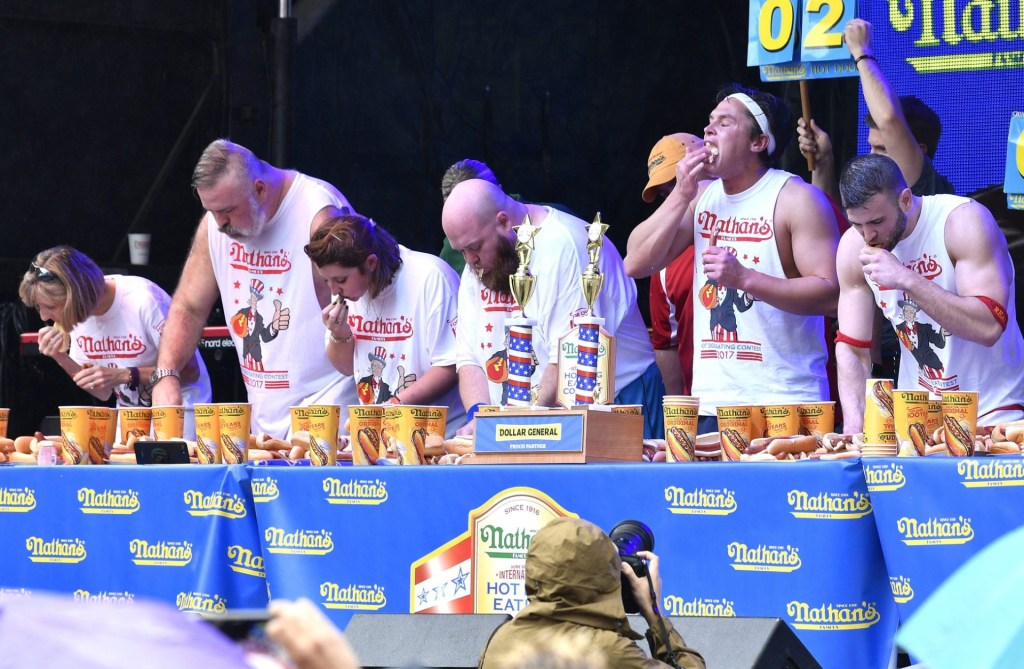
Nathan’s Famous has been gobbled up by Virginia-based Smithfield Foods, which is owned by China’s WH Group—and the new owner says the iconic Fourth of July hot dog eating contest will continue.

The deal is for $102 per Nathan’s share, equivalent to a total value of $450 million, including debt. 

A Smithfield spokesperson tells Front Office Sports “we plan to continue” the Nathan’s Fourth of July Hot Dog Eating Contest, which started in 1972. A Nathan’s spokesperson tells FOS “the plan is to continue to have the contest at the restaurant in Coney Island, with George Shea as the emcee.”

Since 1997, the contest has been hosted by Major League Eating, which is run by George Shea and his brother, Richard Shea. George Shea, who is in his early 60s, runs a real estate public relations firm, but every July Fourth he dons a straw hat and serves as the boisterous emcee of the hot dog contest on Coney Island.

Although MLE hosts more than 70 eating contests each year—including for ribs and “sloppers” (a slopper is a hamburger or cheeseburger smothered in some kind of chili or chili sauce)—the Nathan’s hot dog contest is the backbone of the business. This summer, George Shea told FOS the relationship between MLE and Nathan’s is a “true partnership,” and said the hot dog contest is a “very powerful share of our business.” 

This year’s contest featured the return of competitive eating superstar Joey Chestnut, who had been banned the prior year over a plant-based brand deal. Chestnut retook the men’s crown, eating a contest-winning 70 and a half hot dogs in 10 minutes. 

The total prize purse for 2025 was $40,000, with first-place winners in the men’s and women’s competitions each receiving $10,000, while second-place finishers got $5,000 apiece and third-place finishers got $2,500 each.

The acquisition of Nathan’s solidifies an already-existing relationship between it and Smithfield, which has held an exclusive license to make, distribute, market, and sell Nathan’s Famous hot dogs, sausages, corned beef, and other products in the U.S., Canada, and Sam’s Clubs in Mexico since 2014. Although that license is set to expire in 2032, Smithfield said in Wednesday’s press release that its deal for Nathan’s will secure its rights in “perpetuity.”

The companies expect to complete the transaction in the first half of this year, meaning that by the time the 2026 contest rolls around, Nathan’s will be formally part of the Smithfield portfolio.

Smithfield is owned by China-based WH Group, which is publicly traded in Hong Kong and bills itself as the “largest pork company in the world.” WH Group bought Smithfield in 2013 for $7.1 billion, including debt.

In November Nathan’s reported fiscal second-quarter revenues of almost $45.7 million, compared to about $41.1 million the year before. Its earnings before interest, taxes, depreciation and amortization were about $8.3 million, down from roughly $10.35 million the previous year. 

Polymarket Drawn Into Nevada’s Prediction-Market Showdown

Kirby Lee-Imagn Images

The rise of prediction markets has resulted in more than a dozen lawsuits featuring Kalshi, Robinhood, and others—but until Jan. 16, Polymarket had stayed out of the legal fray.

That has changed. 

The Nevada Gaming Control Board—which regulates gaming in the state—said Friday it has sued Blockratize Inc., the corporate entity behind Polymarket. It’s seeking a court order barring the company from offering “unlicensed wagering” in the state. A full copy of the suit was not immediately available, but the Nevada regulator issued a statement saying it has filed the “civil enforcement action” in the Carson City district court.

“Polymarket’s event contracts are wagers,” according to the complaint, a copy of which was obtained by Front Office Sports.

The gaming regulator claims companies like Polymarket must be licensed to offer sports event contracts in Nevada, saying “the gaming industry is vitally important to the economy of the state and the general welfare of the inhabitants and therefore must be licensed, controlled, and assisted to protect the public health, safety, morals, good order, and general welfare of the inhabitants of the State.”

The suit notes that Polymarket has “not undergone Nevada’s rigorous licensing process,” and says it does not pay requisite taxes on gaming revenue. It also says Polymarket has failed to implement “adequate safeguards” to ensure users cannot place bets using insider information.

The regulator wants an injunction prohibiting Polymarket from offering markets on “sporting or other events” it considers gaming,” unless and until the company obtains the necessary licenses.

The statement was first posted publicly by gaming attorney Dan Wallach. Polymarket did not respond to a request for comment.

The suit comes after the Nevada Gaming Control Board found some success in a separate lawsuit that Kalshi filed against it in federal court. There, in November, the judge reversed an earlier preliminary decision, ruling that the regulator can enforce its cease-and-desist order against Kalshi over the platform’s sports event contracts. Kalshi had sued the regulator last March after receiving a cease-and-desist. Kalshi has appealed that ruling to the Ninth Circuit, and the ruling allowing Nevada to force Kalshi to stop offering sports event contracts in the state has been paused while that appeal plays out.

Polymarket, which in October received an investment of up to $2 billion from the operator of the New York Stock Exchange, became available in the U.S. last month after nearly four years during which it was barred from operating in the country under a settlement agreement with the Biden administration. As it hyped its imminent U.S. return since the summer, Polymarket had avoided the same legal scrutiny as Kalshi and others. But Friday’s suit represents the second action from a state regulator against the company in a little over a week—on Jan. 9, the Tennessee Sports Wagering Council issued cease-and-desist orders to Polymarket, Kalshi, and Crypto.com.

The federal government under President Donald Trump has been much more favorable to prediction markets—Donald Trump Jr. is invested in Polymarket through his firm, 1789 Capital, and is a strategic advisor to Kalshi, while President Trump’s Truth Social is planning to launch its own prediction-market platform.

Nevada is a key battleground in the fight over sports event contracts. In September, it warned of potential legal action against sports betting operators if they began offering sports event contracts in the state without approval—DraftKings and FanDuel have since launched their own prediction-market platforms anyway, although for now neither offers sports event contracts in Nevada. Despite sports event contracts not being available on their platforms in Nevada, the state remains at odds with DraftKings and FanDuel.

The Nevada Gaming Control Board has also issued cease-and-desist orders to companies, including Crypto.com and Robinhood, both of which offer prediction-market products. Each of those companies also sued the regulator.

Nevada—once the undisputed sports betting capital of the U.S.—is working to maintain its prominence amid growing competition. Since the 2018 U.S. Supreme Court ruling that opened the door to sports betting nationwide, 39 states and Washington, D.C., now permit some form of sports wagering, and 30 states offer online betting. 

Deal Flow

‘Significant’ Investment for Padel Haus

William Persson, of Leonia, is shown at Padel United Sports Club, where he was practicing, Sunday, July 21, 2024, in Cresskill.

The Record

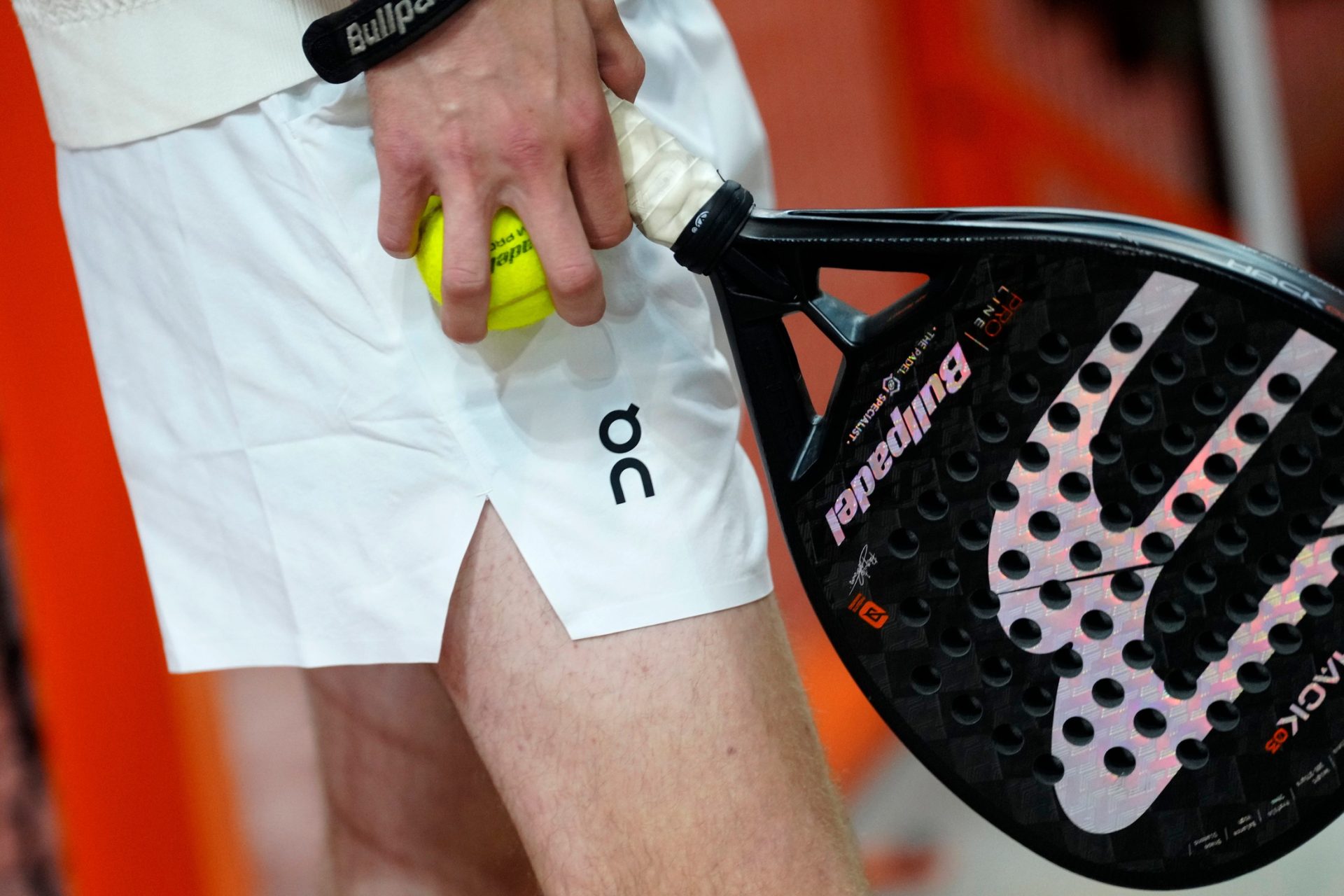
  • The venture arm of the Australian Open is getting into padel through a “significant” investment in Brooklyn-based Padel Haus. The padel club operator—which has six locations across the U.S.—raised $7 million over the summer. Prior to the new investment from AO Ventures, it had raised a total of $33 million since its 2022 founding.
  • The ATP and WTA Tours are “quite close to finding an agreement,” according to comments made by ATP’s CEO on the Tennis Channel. Eno Polo said talks about the possible merger are “definitely on the agenda,” and noted “fingers crossed, it will go in the right direction.” The remarks come after Front Office Sports reported last month that the two tours would not strike a deal before the start of this year, which had previously been expected.
  • Lululemon founder Chip Wilson wants two executives from private-equity firm Advent International removed from the company’s board, Semafor reported. Wilson—who resigned from the company’s board in 2015 but still holds a roughly 9% stake—said in December the company needs a board shakeup and nominated three new director candidates, including the recently departed co-CEO of sneaker brand On.
  • Youth sports giant 3Step Sports is working with Goldman Sachs as it considers a possible sale or capital raise, Sportico reported. The company has been backed by private-equity firm Juggernaut Capital since 2019.

Editors’ Picks

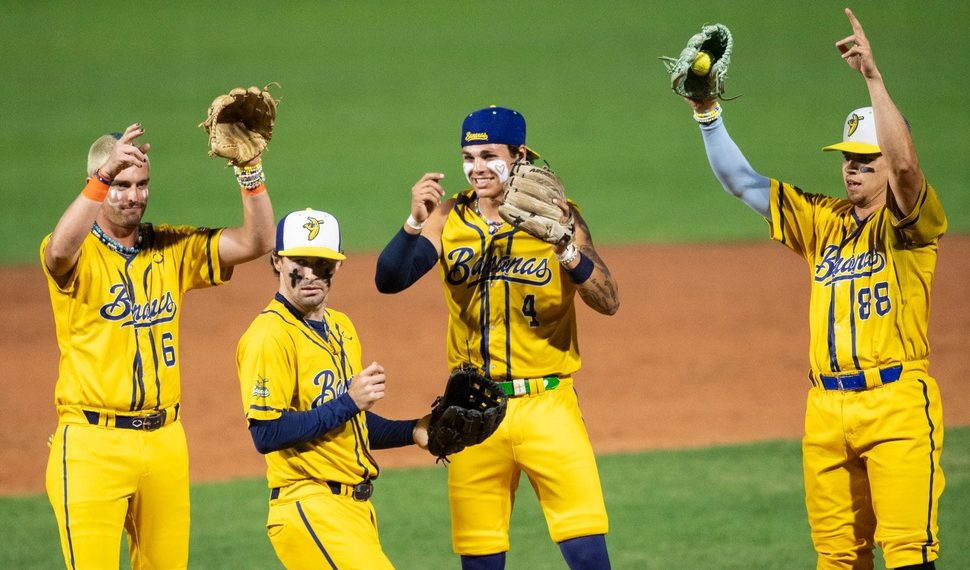
Savannah Bananas First Report Reveals Growth, $100K Player Pay

by Eric Fisher
The highly popular barnstorming team released its first annual update.

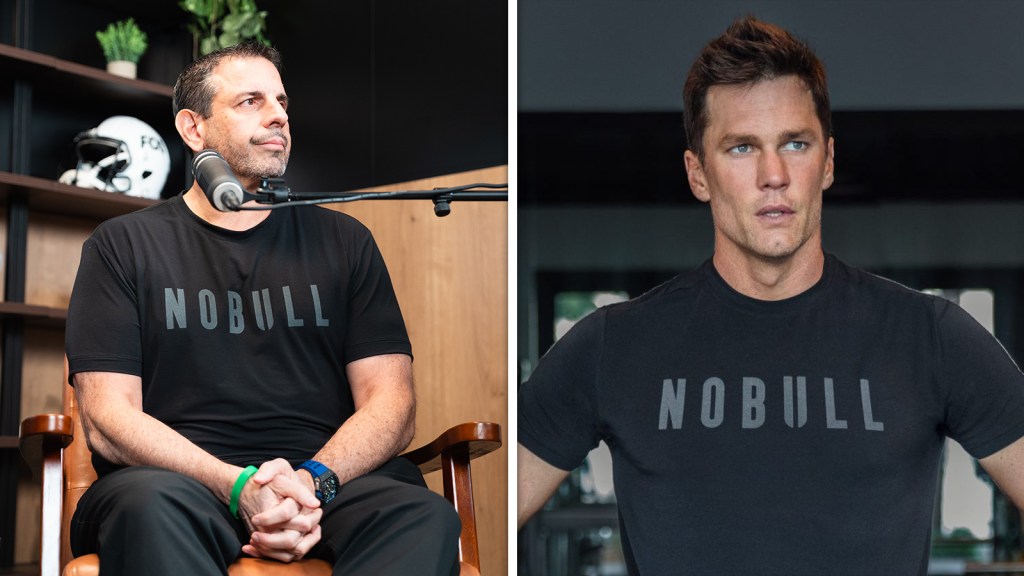
Mike Repole and Tom Brady’s NoBull Gets $1B Valuation

by Daniel Roberts
NoBull raised $50 million, signed Livvy Dunne, and plans a nutrition division.

What Do LIV Golf’s Team GMs Do? ‘Wear a Lot of Hats’

by David Rumsey
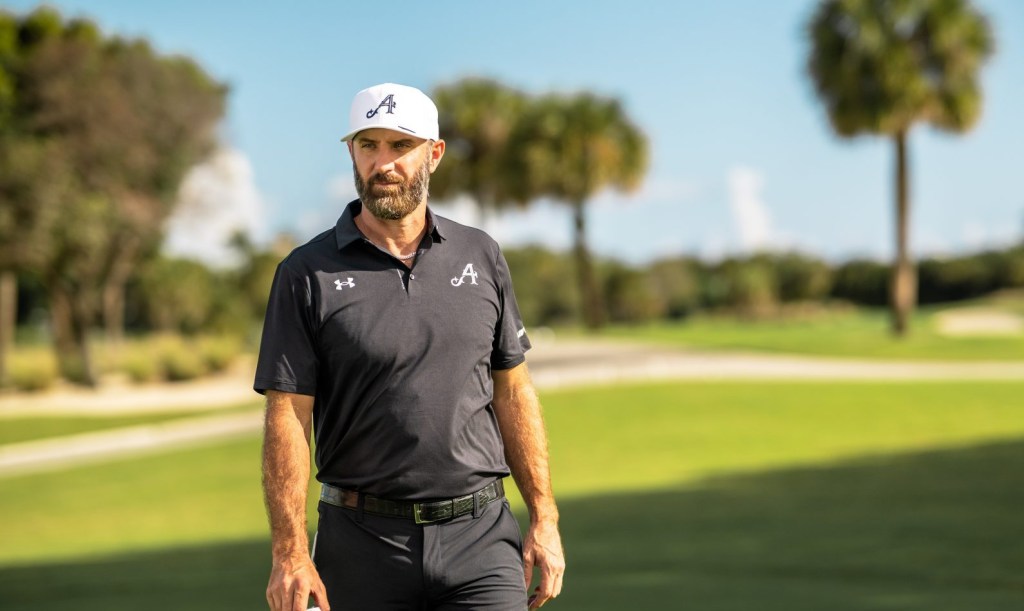
The GM of Dustin Johnson’s LIV team functions like a one-man C-suite.
Events Video Games Show Shop
Written by Ben Horney
Edited by Lisa Scherzer, Catherine Chen

If this email was forwarded to you, you can subscribe here.

Update your preferences / Unsubscribe

Copyright © 2026 Front Office Sports. All rights reserved.
460 Park Avenue South, 7th Floor, New York NY, 10016

Subscribe To Our Daily Newsletters

  • This field is for validation purposes and should be left unchanged.