

As the World Cup descends on the U.S., Mexico, and Canada this month, each of the tournament-record 48 teams is settling into its selected home base of a paired training facility and hotel.
Some are moving into professional soccer training centers. Others are setting up shop at colleges and universities.
Four top teams—FIFA-ranked No. 2 Spain, No. 8 Morocco, No. 11 Croatia, and No. 19 Switzerland—chose elementary and high schools.
From San Diego to New Jersey, two boarding schools, a private K–12 school, and one Jewish day school are hosting national teams this summer. Each of these elite private schools has hosted a soccer club at least once before, and is known within the sport for the privacy and facilities it can provide traveling teams.
Three of the four high schools are not located in the immediate vicinity of any World Cup stadiums, and teams are traveling hundreds of extra miles to go there. For at least the next few weeks, Lamine Yamal will be training in Chattanooga; Luka Modrić in Alexandria, Va.; and Granit Xhaka in San Diego.
From the schools’ perspective, hosting the teams is a major source of pride—and revenue.
Some of the schools already operate a side business as training sites for clubs playing nearby, and FIFA’s multi-week rental fee adds a big additional revenue stream. FIFA hasn’t been open about its facilities rental fees, and most schools declined to share specifics. But the schools are likely being paid hundreds of thousands of dollars each to let a national team take over their campus this summer.
All of the schools were chosen because they submitted themselves to FIFA, along with a local hotel, as a potential host for a World Cup team. Federations had been aware of the options, but talks and tours kicked into high gear after the World Cup draw in Washington, D.C., in December, when teams found out where they would play.
World Cup teams begin arriving at their base camps this week, and they’re required by FIFA to have some kind of engagement day with the local community. The tournament kicks off June 11 and runs through July 19.
Front Office Sports spoke with representatives from each of the schools serving as World Cup base camps this summer.
Chattanooga, Tennessee: Spain at The Baylor School
During FIFA’s Club World Cup last summer, the Baylor School hosted Auckland City FC, the only amateur team in the tournament.
This summer, the school welcomes heavyweight Spain.
Three years ago, Chattanooga Mayor Tim Kelly, a Baylor School alum and founder of Chattanooga FC, initially proposed the idea of being a World Cup base camp to head of school Chris Angel. The middle and high school is an athletic powerhouse, producing yearly state championships and numerous professional athletes, including reigning American League Rookie of the Year Nick Kurtz. Kentucky Derby–winning trainer Cherie DeVaux is a mom at the school.
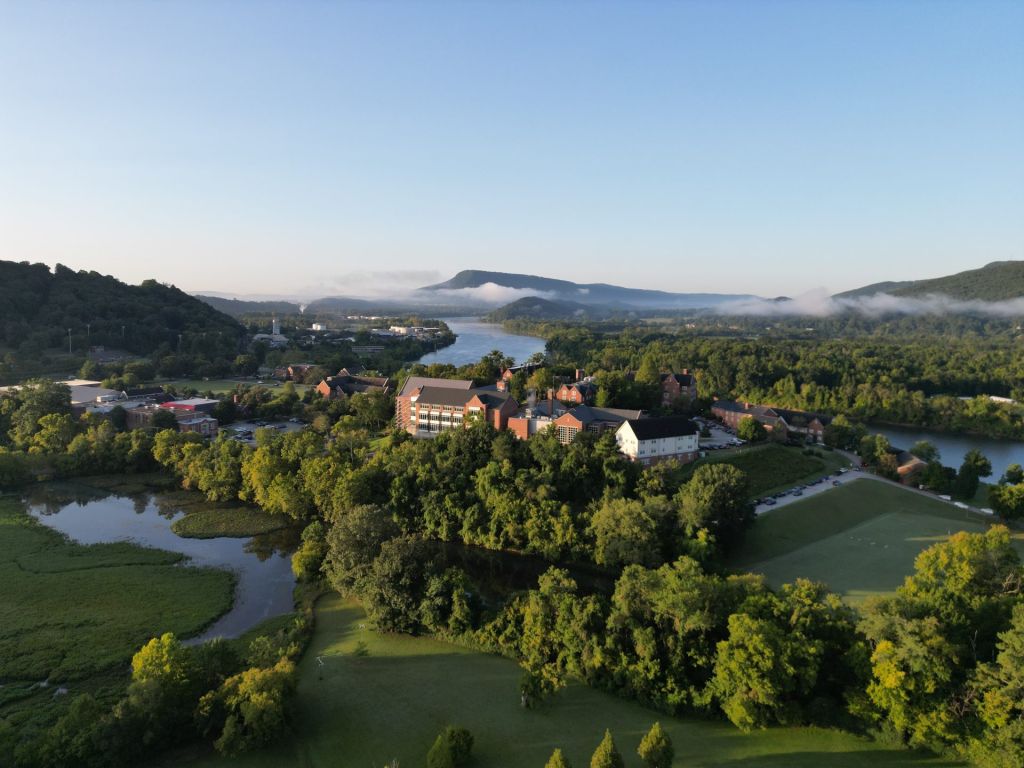
The mixed boarding and day school also offers privacy for high-profile teams. Baylor is nestled beside the Tennessee River and surrounded by mountains, with a separate entrance for the athletic side of campus.
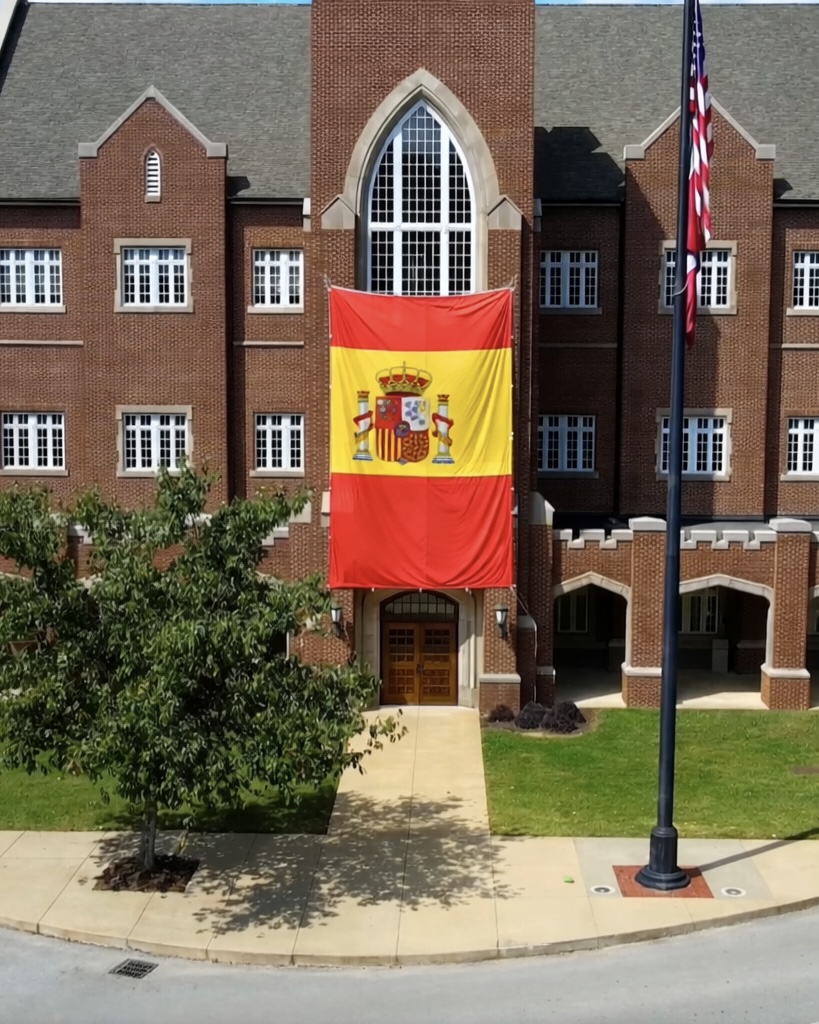
“A lot of countries came in and looked, and there was a lot of interest,” Angel tells FOS, “but when Spain wanted to be here, that narrowed it down quickly.”
Angel says Spain verbally committed before the draw even happened. The school had already invested in its soccer facilities over the past decade—like putting drainage under the field—and has three pitches, two grass and one turf. The Spanish team is also shouldering some of the bill, Angel says, including turning the tennis center into a media center and workout space.

Angel says hosting Spain “won’t make a significant difference financially” for the school, but thinks the economic impact for the city will be big, specifically with all the hotel stays. He says “there’s a little bit of a pride factor” having one of the best teams in the world choose Baylor, especially because the school has so many international students, including from Spain.
“It was a mix of everything, that it was really good for us,” the Spanish national team’s sporting director, Aitor Karanka, tells FOS of the federation choosing Chattanooga. “The facilities and the people are amazing.”
Basking Ridge, New Jersey: Morocco at The Pingry School
The Pingry School in New Jersey is a repeat base camp from the 1994 World Cup.
Alum Charlie Stillitano was in charge of running the tournament at nearby Giants Stadium, and his high school soccer coach, Miller Bugliari—who at 91 still coaches the Pingry boys team—had connections to the Italian federation. Together, the school and federation built a new pitch, and Italy trained at Pingry on its road to the tournament final, which it lost to Brazil on penalty kicks.
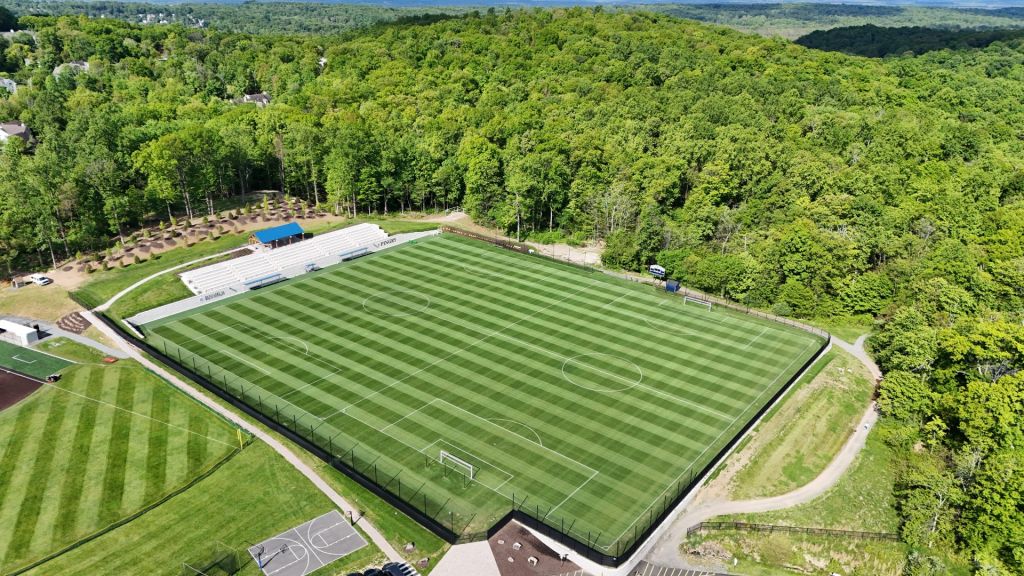
In the years afterward, and especially since ramping up the business over the past few years, the Miller A. Bugliari ’52 World Cup Field has welcomed clubs and national teams, including Manchester United, AC Milan, Chelsea FC Women, Uruguay, Canada, and Ecuador. Carl Frye, the school’s director of auxiliary programs, tells FOS the school can bring in several hundred thousand dollars each summer by hosting soccer teams, and recently revamped the pitch by building a second field, expanding the stands, and adding a retaining wall.
“We’re just a school, a K–12 private school, but this is a big part of who we are and our history,” Frye says.
Frye attended the draw in D.C. in December and immediately afterward started inviting federations to Pingry. He quickly put Brazil and England in a five-star hotel off the official FIFA brochure the next day. But despite the hospitality—Brazil manager Carlo Ancelotti is a friend of Stillitano and came to Pingry while on the 1994 Italian team, and Frye himself drove Thomas Tuchel and England from the hotel to the school—both teams chose other facilities. Almost a dozen teams toured after that, and Morocco chose the site. (Italy failed to make the tournament in late March.)
“We’re excited to be not only involved as a base camp in the 2026 version,” Frye says, “but hosting the eighth-ranked team in the world is something we’re really proud of.”
San Diego, California: Switzerland at San Diego Jewish Academy
When Adam Benmoise came to San Diego Jewish Academy in 2022, he told his new boss he wanted the school to be a World Cup base camp. “They thought I was crazy,” the director of auxiliary programs tells FOS.
The roughly 500-student preschool through high school started hosting national and club teams, including the U.S. men’s national team under interim coach B.J. Callaghan. According to Benmoise, when Callaghan returned with Nashville SC, he called the school’s pitch “the best field in San Diego.” The school also built up its professional equipment, from more full-sized goals to ice baths.
“We accumulated all that infrastructure so that when FIFA finally came knocking and Switzerland came to see us, we had everything that they could possibly need,” Benmoise says.
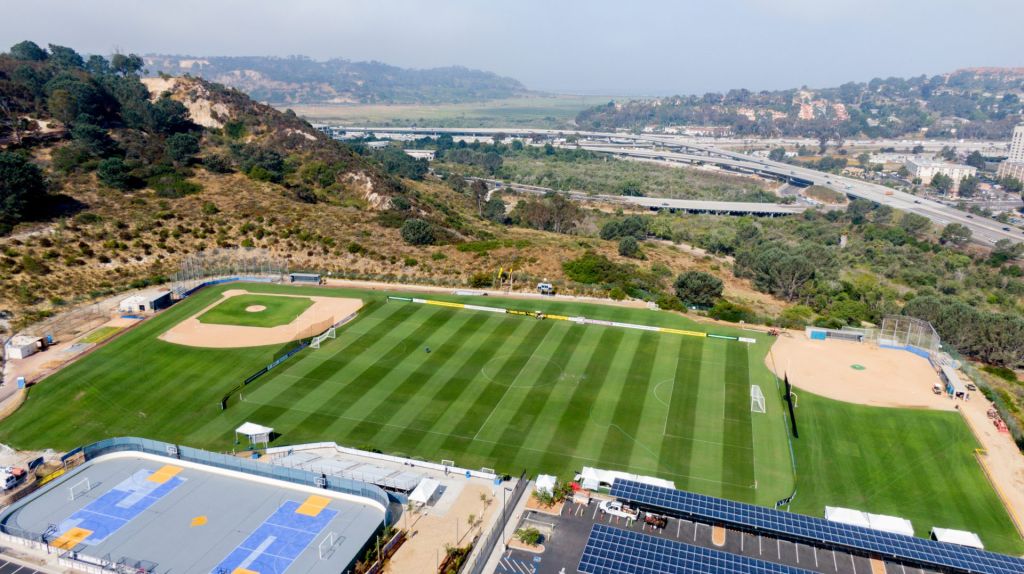
Benmoise says SDJA brings in about $250,000 every year from renting out the gym and fields, and the school will get more than $500,000 from the FIFA rental fee alone. (FIFA signed other publicly available base camp contracts for less than half that amount.) Including the FIFA money and other programs like a summer camp, the school will make about $1.4 million in auxiliary revenue this year, Benmoise says.
The pitch quality is a huge factor in hosting a team. The school raised $200,000 to extend the grass ahead of the World Cup. Pitch inspectors have been checking the field every few days leading up to the tournament, and FIFA is also providing other training equipment and infrastructure.
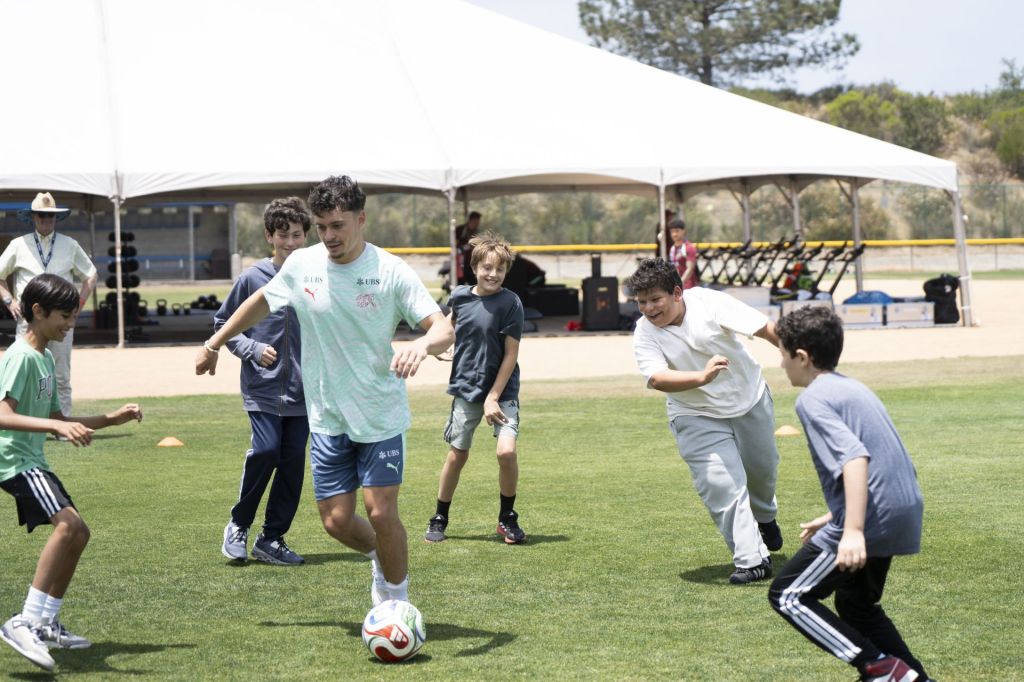
Switzerland came to tour shortly after the December draw, and Benmoise says SDJA “rolled out the red carpet,” including flying a Swiss flag outside. Since the team’s June 3 community day happened while school is still in session, the students got to play with the players, get autographs, and take pictures together.
Alexandria, Virginia: Croatia at Episcopal High School
At the 1994 World Cup, Dan O’Neil got to watch one of the most famous goals in tournament history at RFK Stadium in Washington, D.C. Three decades later, O’Neil is the director of auxiliary programs at Episcopal High School in Alexandria, where Croatia is setting up its base camp this summer.
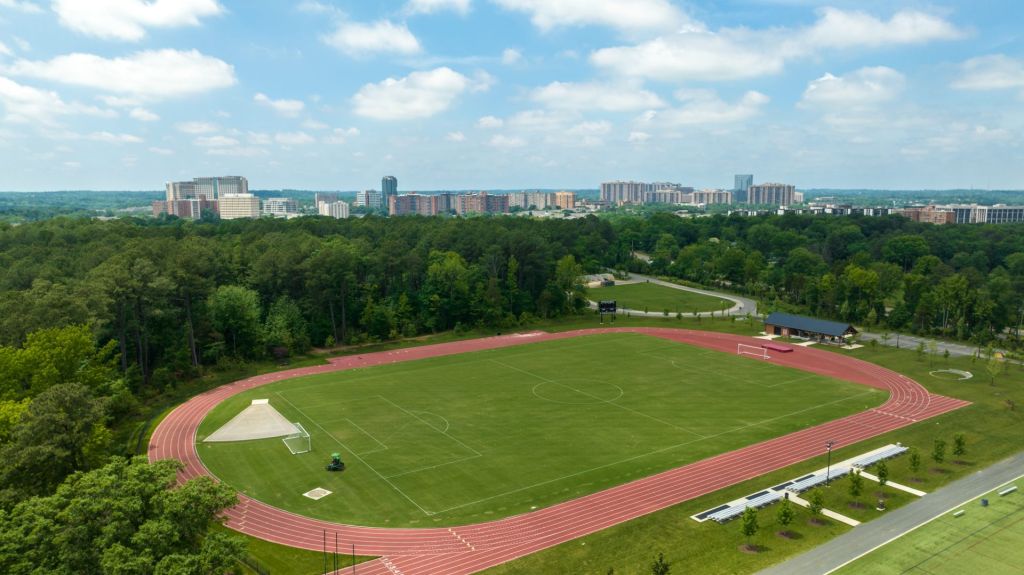
The nearly 200-year-old boarding school with a 130-acre campus has a history of hosting teams playing in D.C., but it has welcomed more soccer teams over the past few years since putting in a second Bermuda grass field. Club and national teams have swung through, including the U.S. women’s national team before its gold medal trip to the Paris Olympics in 2024 and Al Ain for the Club World Cup last summer.
Right after the draw in December at the Kennedy Center, about seven or eight teams toured. The pitch and the privacy were the two most important factors for touring teams, and Episcopal’s closed campus was a plus. Croatia—which excelled at the last two World Cups, finishing second in 2018 and third in 2022—chose to come to the school.
“There’s a long history of international students here back to the 1800s,” O’Neil tells FOS, “so being part of a world event like this is really the driving force.”
Unlike in 1994, the nation’s capital won’t be hosting any World Cup matches this summer.
“We’re certainly very happy and proud that here at Episcopal we’re at least able to bring a small slice of the World Cup to the D.C. area,” O’Neil says.