Read in Browser

Front Office Sports - The Memo

Morning Edition

August 5, 2026

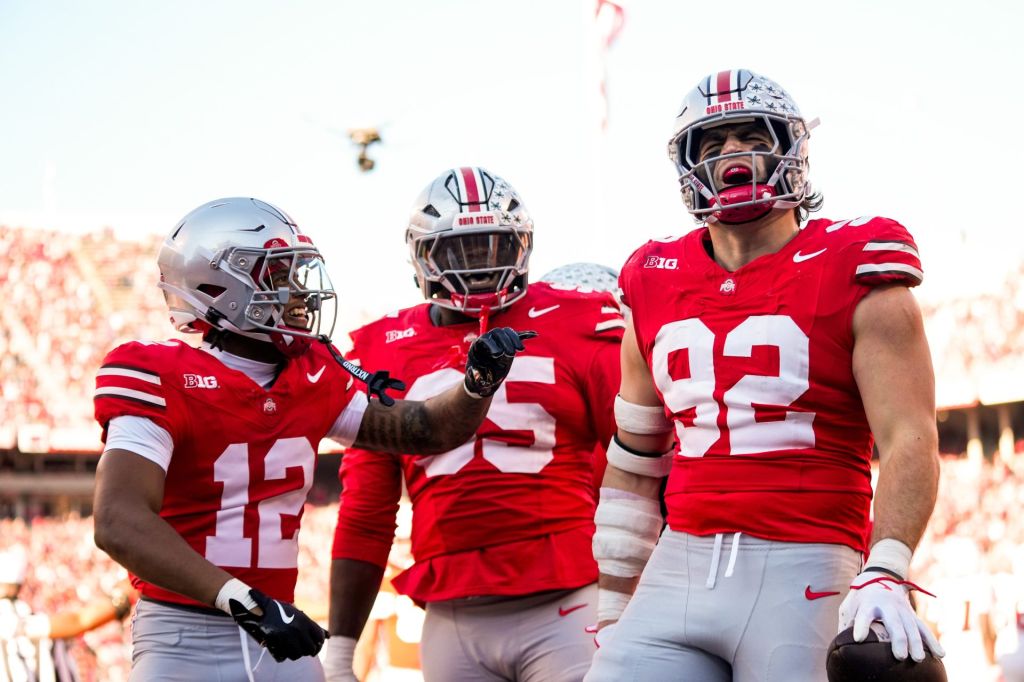
Jersey patch deals are bringing new money to college sports—but also raising new questions about transparency. Front Office Sports found that some schools (Ohio State and Kansas) say they don’t even have copies of the contracts because the agreements are structured through private partners.

—Amanda Christovich

First Up

  • First at FOS: Some WNBA season-ticket holders are balking at renewal offers as prices jump as much as 70%.
  • LIV Golf players left closed-door meetings with few updates on the league’s uncertain future. 
  • First at FOS: NBC Sports beat out Fox and streamers to retain media rights to the Preakness Stakes.
  • First at FOS: Aaron Donald is exploring media opportunities while continuing to weigh a possible return to the Rams.

Colleges Are Avoiding Transparency on Jersey Patch Deals

USA TODAY Network via Reuters Connect

In light of a new NCAA rule, schools nationwide are clamoring to ink lucrative jersey patch sponsorships—deals that have been rumored to bring them tens of millions of dollars in some cases. But schools that previously had to share sponsorship contract details due to state public records laws are keeping the specifics of these deals under wraps. 

In response to public records requests made by Front Office Sports, Ohio State and Kansas said they are not party to the jersey patch contracts, and therefore don’t have copies at all. Instead, they say, the deals are actually between the sponsor and their multimedia rights holders (MMR partners)—the private companies that broker sponsorships and other deals for athletic departments and are not subject to public records laws.

Whether intentional or not, the practice could result in less transparency about the multimillion-dollar deals that public university athletic departments strike with sponsors and other companies.

“University athletic departments seem to be increasingly diverting their deals through their MMR first in a way that some may say violates the spirit—if not the letter—of open records laws,” Boise State law professor and college sports litigation expert Sam Ehrlich told FOS.

State public records laws allow members of the public and the media to request copies of documents from public entities—including public universities. These could be anything from email communications between employees and their employment contracts to business contracts and budgets. For example, FOS recently published a story based on public records requests divulging the cost of Illinois athletics’s purchase of a Daktronics jumbotron. College sports newsletter “Extra Points” includes a library of public records including budgets and vendor contracts, and apparel deals; newsletter FOIAball publishes issues exclusively based on information obtained through public records. 

Last week, FOS requested a copy of Ohio State’s jersey patch deal with JPMorganChase. The partnership, highly publicized by Ohio State, was rumored to be worth between $18 million and $20 million. 

Within minutes of sending a public records request, an Ohio State university spokesperson responded with a denial. “The agreement is between Chase Bank and [MMR partner] Learfield; therefore, Ohio State has no responsive records to your request.” 

With its denial, Ohio State implied Learfield hadn’t just brokered the deal, but also that the deal itself was just between JPMorganChase and Learfield, and Ohio State wasn’t involved in the agreement. 

“Ohio State routinely provides the contract for our partnership with Learfield in response to public records requests,” the university spokesperson said when asked whether this denial was the case with all sponsorship deals procured by Learfield. “Contract agreements between Learfield and third-party sponsors would be with Learfield.” (Learfield is one of several MMR companies in the college sports space; Playfly is another.)

The University of Kansas also denied a public records request from FOS for the athletic department’s jersey patch deal with cryptocurrency company Ripple. The school also said it “has determined that it possesses no records responsive to this request.” The Kansas-Ripple deal was also brokered by Learfield, according to a university press release.

In response to a follow-up inquiry, a Kansas university spokesperson said the patch deal “was contracted through Learfield, which is Kansas Athletics’ multimedia rights-holder—a common practice you may have encountered elsewhere.”

Universities can deny public records requests by claiming attorney-client privilege or by claiming athletics records aren’t requestable because the athletic department has spun off into a separate, private entity. But pointing to the multimedia rights holder could be used to prevent the public from seeing not just jersey patch deals, but also other types of athletic department sponsorships. 

“As more universities do it and have success hiding records doing it, it’ll probably encourage more schools to structure their operations in similar ways,” Ehrlich said. “Ultimately we may see a whole lot of public university records shielded because of this structure.”

A spokesperson for Learfield declined to comment.

FRONT OFFICE SPORTS LIVE

Intersecting Capital and Competition

Sports has become one of the most compelling investment opportunities in the global market. Private equity is gaining ground across leagues and teams, prediction markets are challenging the status quo, women’s sports continues its rapid ascent, and the economics of college athletics are being rewritten in real time.

On Sept. 15, we’ll unpack it all as Asset Class returns to Manhattan—bringing together the investors, operators, founders, and executives shaping the future of the business of sports.

Led by FOS deals reporter Ben Horney, the event will feature candid discussions about the trends, transactions, and capital strategies driving the industry forward—and what they mean for the next era of growth.

Request to attend now. Space is limited.

ONE BIG FIG

The Next Deal

John Jones-Imagn Images

2029

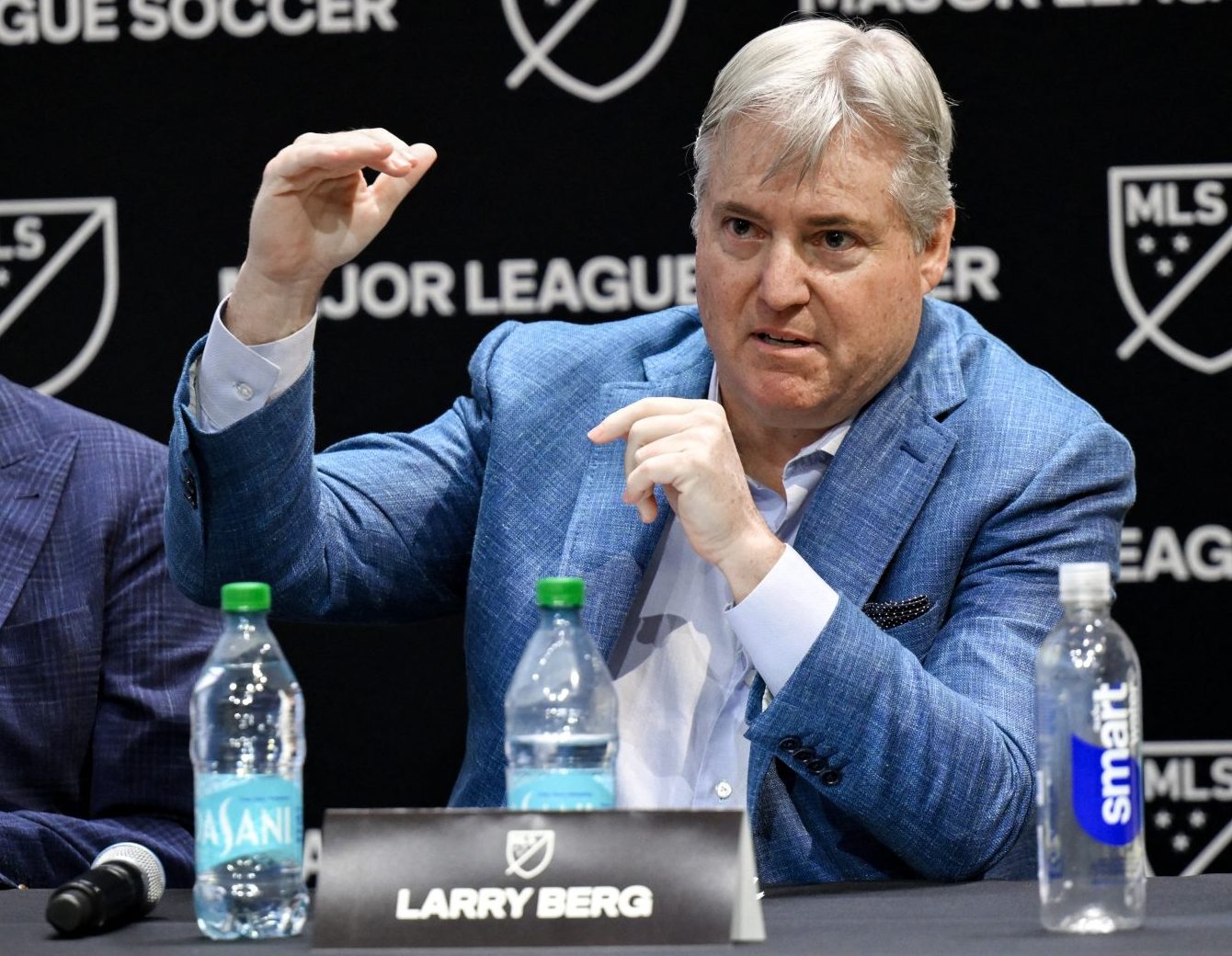
That’s when MLS’s media-rights deal with Apple ends, and incoming commissioner Larry Berg told Front Office Sports the league has “uncapped upside” when it negotiates its next broadcast agreement. He said the current pace of media revenue “inspires us to correct that.”

Formal negotiations are still roughly 12 to 18 months away, but Berg said he’ll begin building relationships with potential media partners before then. The next media-rights deal is expected to be one of the defining business decisions of his tenure.

DAILY SPORTS TRIVIA

Can you rank the NFL’s top five highest-paid defensive players this season?

Play Factle Sports
LOUD AND CLEAR

Not What It Seems

Tommy Gilligan-Imagn Images

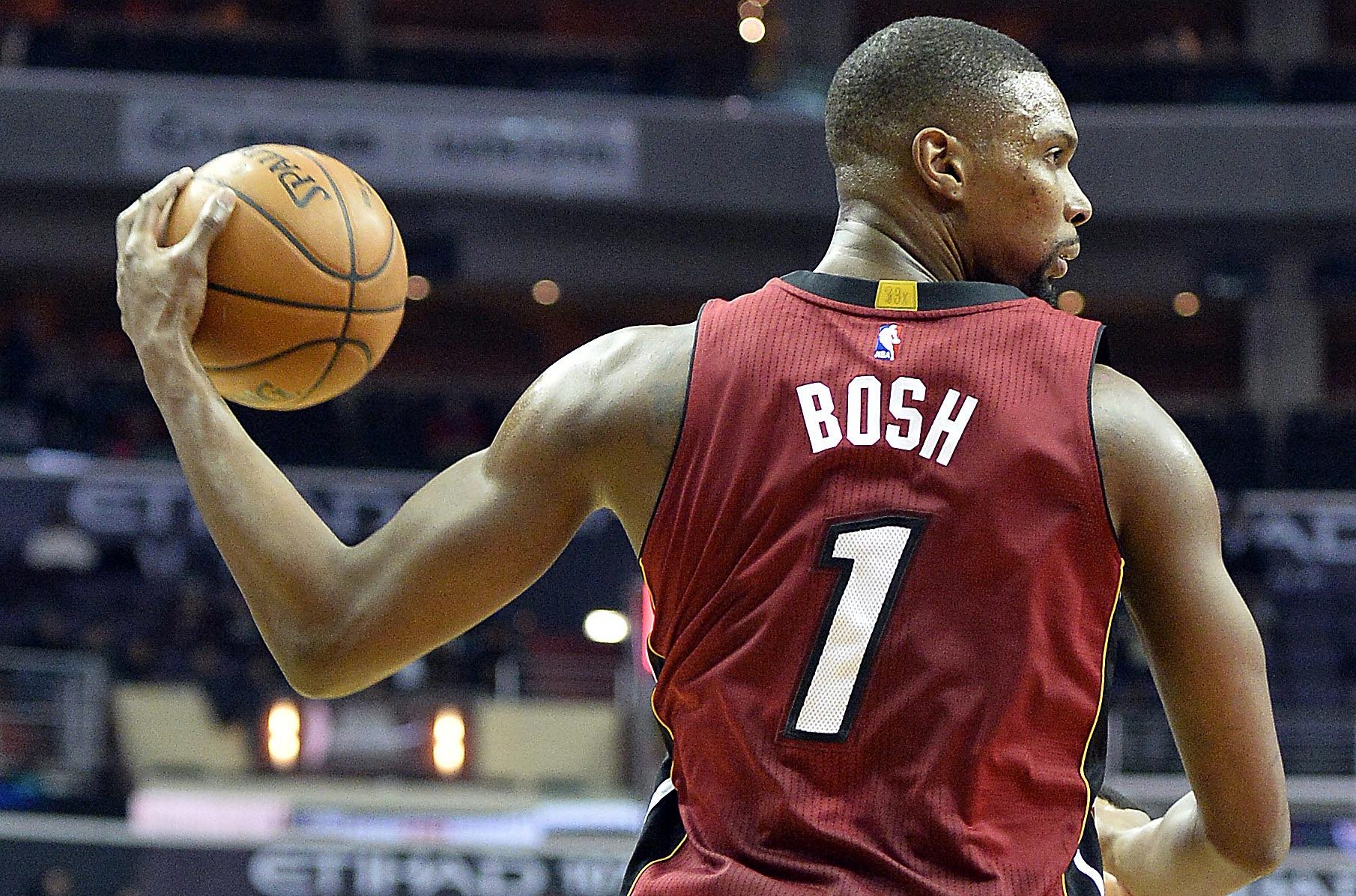
“It’s not $150 million.”

—Chris Bosh, on why fans sometimes misunderstand the value of pro athletes’ contracts. His comments come as viral clips from JJ Redick, CJ McCollum, Dwight Howard, Draymond Green, and others have reignited the debate over what players actually earn. “If I told you that player X is signing a three-year, $150 million deal, you’ll believe it,” Bosh said.

While some fans will dunk on millionaire athletes complaining about money, financial advisers say the underlying point is fair. They say short careers, taxes, agent fees, bad advice, and overspending can leave pro athletes with far less money than headline contract figures suggest.

FOS Today  
YOUR MORNING LISTEN

UFC Freedom 250’s $30 million loss, Bijan’s record deal, Infantino losing support, and more

Listen Now ›

Editors’ Picks

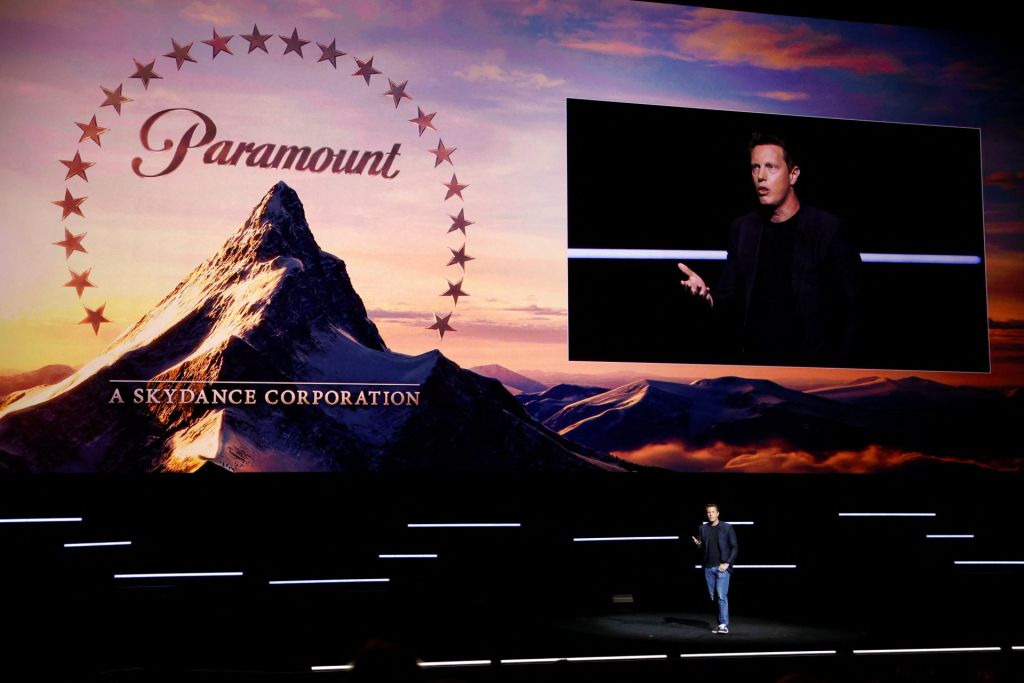
Paramount Antitrust Trial Delayed As Ellison Makes Case for Merger

by Eric Fisher
Company CEO David Ellison is much more outspoken about the transaction.

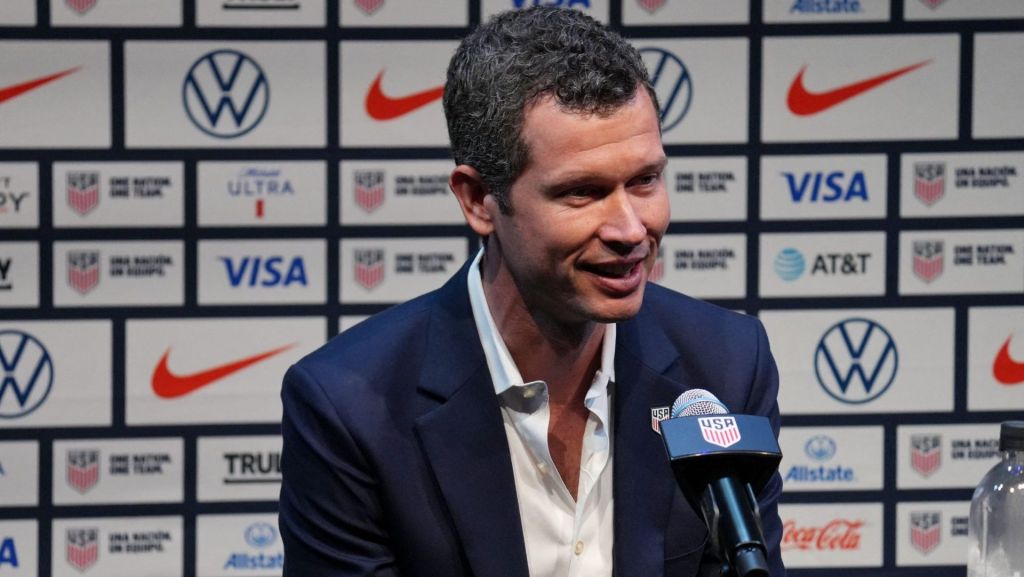
U.S. Soccer CEO Dodges Questions on Infantino Support

by Ava Hult
JT Batson deferred broader questions about Infantino to a September board meeting.

DraftKings Dragged Into Prediction-Market Lawsuit Wave

by Ben Horney
DraftKings Predictions has been sued three times in the last week.

Question of the Day

Do you think public universities should have to disclose the financial details of jersey patch deals?

 YES   NO 

Tuesday’s result: 53% of respondents think MLS will be stronger under Larry Berg.

Events Video Games Shop
Written by Amanda Christovich
Edited by Matthew Tabeek, Lisa Scherzer, Catherine Chen

If this email was forwarded to you, you can subscribe here.

Update your preferences / Unsubscribe

Copyright © 2026 Front Office Sports. All rights reserved.
460 Park Avenue South, 7th Floor, New York NY, 10016

Subscribe To Our Daily Newsletters

  • This field is for validation purposes and should be left unchanged.