
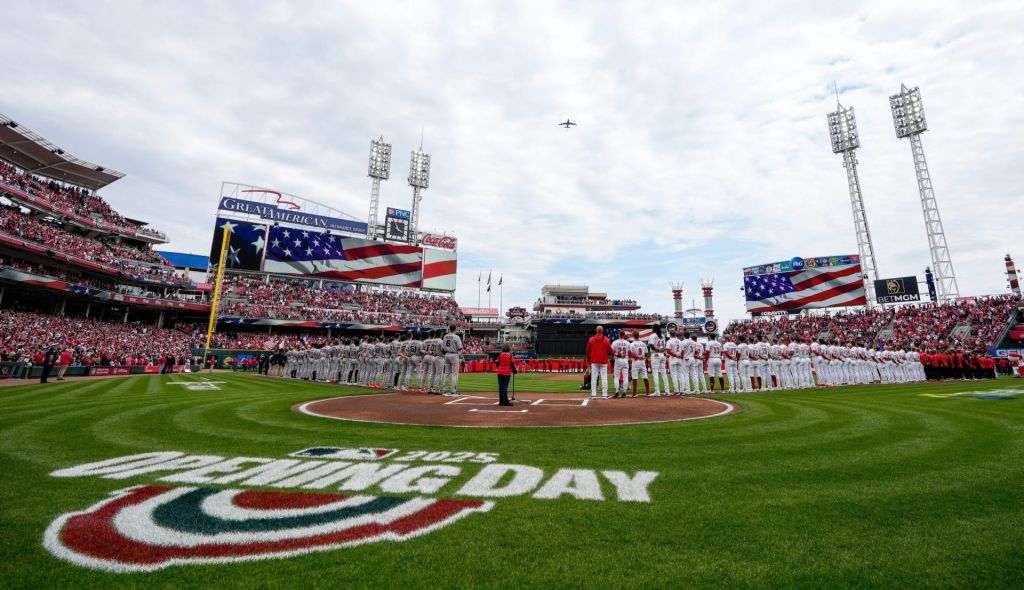
Major League Baseball enters the 2026 season with plenty of momentum after last year’s historic gains in attendance and national television viewership, as well as a scintillating World Series with widespread global appeal and a smash-hit World Baseball Classic earlier this month.
The league also begins the new campaign with heightened uncertainty about the sport’s future economic framework, rising questions about whether MLB will lose its first games to labor strife since 1995, and a media landscape under more turbulence than ever.
That mixed situation, and how the forces on each side exert themselves, will go a long way toward defining the upcoming MLB season, beginning Wednesday night with a Netflix-exclusive broadcast of the Yankees at the Giants. Among the key issues at play this year:
- Labor battles: The current five-year labor accord between MLB and the MLB Players Association expires Dec. 1, and talks toward the next term are expected to begin next month. Owners are expected to pursue a salary cap, something the players vehemently oppose, and a lockout late this year remains possible. It won’t be until next season that games are at risk of cancellation, and like the recent WNBA situation, significant movement will likely wait until very late in the negotiating process. By this summer, though, an initial read on the status of negotiations should become known. MLBPA interim executive director Bruce Meyer is still the union’s lead negotiator, but he also has the organization’s heightened leadership role after the recent departure of Tony Clark.
- The haves and have-nots: The two-time defending champion Dodgers are attempting to become the first three-peat World Series winner since the 1998–2000 Yankees. Los Angeles will go into the season with a $395.8 million luxury-tax payroll. That’s more than five times the size of MLB’s No. 30 spender, the Marlins and their $77.4 million outlay. That widening economic divide, and how to address it, is core to the labor talks and directly informs the salary-cap discussion. The Dodgers are also a heavy betting favorite to win the World Series again, followed by the Yankees and Mariners.
- New national media partners: After last year’s contract opt-out by ESPN, MLB struck a new set of short-term national media-rights deals with NBC and Netflix, as well as a revised pact with the Disney-owned ESPN. Despite the league’s preference to not be back on the market in this way, the situation actually could provide significant upside for MLB, as it gains additional presence on both broadcast TV and streaming. Both Netflix and NBC have buttressed their new commitments to baseball with a series of high-profile talent hires.
- Local media shakeup: MLB no longer has any tie to the embattled Main Street Sports Group, parent company of the FanDuel Sports Network. All nine clubs previously with the regional sports network operator left in February. Most of them aligned with the in-house MLB Media model for the production and distribution of their local games. The Braves and Angels, meanwhile, opted to form or operate networks of their own. In any of those situations, though, the short-term revenue for the involved clubs is more uncertain compared to the guaranteed local-rights fees in their prior contracts.
- Attendance watching: After last year’s gain at the gate, achieved on the final day of the regular season, MLB is aiming for its first four-year stretch of attendance gains, outside of the COVID-19 pandemic, since 2004–07.
- ABS in use: The automated ball-strike system, after prior testing in the minors and spring training, will get its full MLB debut in 2026. How the challenges around ABS are deployed could have significant impacts on gameplay, somewhat similar to the transformative effects of the pitch clock beginning in 2023.
- Back home in Tampa: The Rays are back in Tropicana Field after being displaced all of last year due to damage from Hurricane Milton. The club, however, is still working on a finalized deal to build a new ballpark near Tampa International Airport. The A’s, meanwhile, are trying to make the best of a second season in Sacramento, leaning more in to their interim home while a new stadium is built in Las Vegas.
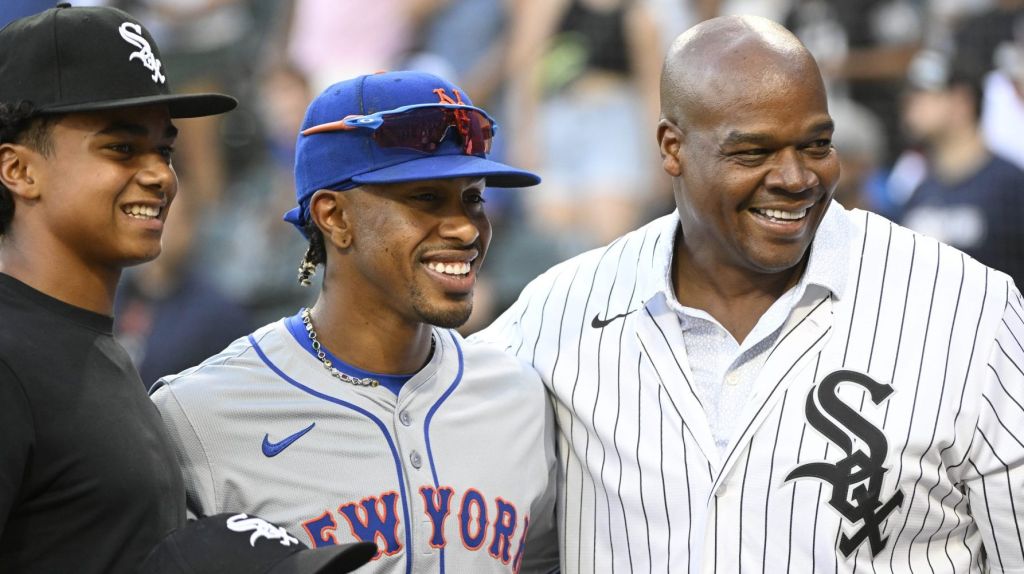
- The stars are out: A big part of the upswing of the recent WBC owed to the presence of a record 78 MLB All-Stars. More broadly, the league continues to enjoy the widespread benefits of a collection of generational-level stars on the field, including the Dodgers’ Shohei Ohtani, Yankees’ Aaron Judge, Pirates’ Paul Skenes, Tigers’ Tarik Skubal, Mets’ Juan Soto, and Braves’ Ronald Acuña Jr., among many others. Each of these talents is at or near career peaks. A series of forthcoming stars only adds to that, including Pittsburgh’s Konnor Griffin, despite his starting the season in the minors.
“On everything that we do, it all comes back to the players,” MLB commissioner Rob Manfred said last week on the MLB Network. “It’s the stars that drive your audiences.”