Read in Browser

Front Office Sports - The Memo

Morning Edition

March 16, 2026

POWERED BY

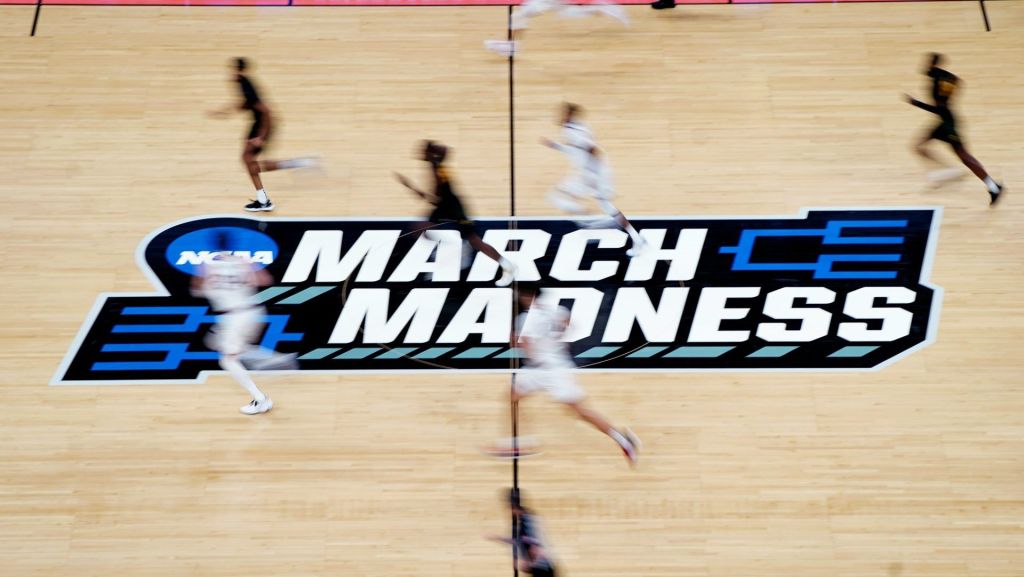
The stage is set for the Big Dance, and schools have the opportunity to bring home more than a championship. The NCAA “unit” system for men’s and women’s basketball pays out hundreds of millions of dollars, combined, to conferences based on how far their teams advance.

Plus, the World Baseball Classic has proven itself as a marquee event for baseball fans, who are selling out the normally staid loanDepot Park.

—Amanda Christovich and Eric Fisher

First Up

  • The MLB Players Association said it’s prepared for upcoming labor talks, even with a recent change in union leadership. Read the story.
  • Cam Young took home $4.5M for winning the Players Championship, the largest individual prize in the PGA Tour’s regular season. Read the story.
  • Boston Legacy FC set a new NWSL attendance record for an inaugural home opener—but the record won’t stand for long. Read the story.
  • Student athletes may now receive money from their schools, but they aren’t recognized as employees. A former NLRB exec told FOS that should change. Read the story.

How Conferences Cash In on March Madness 

Kirby Lee-USA TODAY Sports

The NCAA Division I men’s and women’s basketball tournaments can earn conferences and their schools millions through the “units program,” a prize pool paying out hundreds of millions of dollars based on how far teams advance. 

This year, the men’s tournament will offer more than $220 million, while the women’s tournament will offer about $20 million. 

Here’s how it works: Each conference receives a payment for its automatic qualifier, or conference tournament champion. Then, the “units,” or slices of the overall prize pool are awarded to the conference of each team that receives an at-large bid. All schools earn an additional unit for each round they advance. New this year: Schools will earn one unit for advancing to the championship game, and another for winning the title. 

Men’s Tournament Units

Last year, the SEC earned a record $26 million on Selection Sunday when it sent 14 teams (13 of which were at-large programs) to the men’s Big Dance. While the SEC is sending fewer programs this year, it still ranks at the top of all conferences in both bids and earnings with 10 overall schools, followed by the Big Ten with 9, and the Big 12 and the ACC with 8 each.

However, conferences don’t get that money up-front—they’re paid out on a six-year rolling basis. What’s more, each conference has a different way of divvying up the payouts. The ACC, for example, has promised to give all the money to the specific schools that earn them, while other conferences divide them equally among all schools, even those that don’t make the tournament. 

Women’s Tournament Units

After the NCAA signed a new and more lucrative media rights deal, the NCAA began offering units for  the women’s basketball tournament in 2025. The program was heralded by coaches as the most important step in the battle for equity in college basketball.

For the women’s tournament, the unit distribution rules are the same, though the money is paid out on a three-year rolling basis, rather than a six-year basis. The pool is also smaller than the men’s. However, the percentage of the media rights deal offered to the women as units is the same percentage as that offered to the men’s tournament when their media deal started: 26%.

For the women’s tournament, the Big Ten is sending the most programs with 12, led by overall No. 2 seed UCLA. The SEC follows with 10, the ACC with 9, and the Big 12 with 8.

SPONSORED BY TOYOTA

Greatness Moves Us

Advertisement

Toyota backs the journeys that shape athletes every day. From early-morning practices to road games and the long rides home, Toyota’s partnership with Team Toyota celebrates the dedication and belief that drive progress over time.

By supporting athletes like Erin Jackson, Jessie Diggins, and Andrew Kurka, Toyota highlights the commitment, momentum, and resilience required to compete at the highest levels—on and off the field of play.

Because every destination has a beginning.

WBC Continues to Prove Its Power on Baseball’s World Stage

Sam Navarro-Imagn Images

MIAMI — The epic World Baseball Classic showdown more than lived up to the hype. 

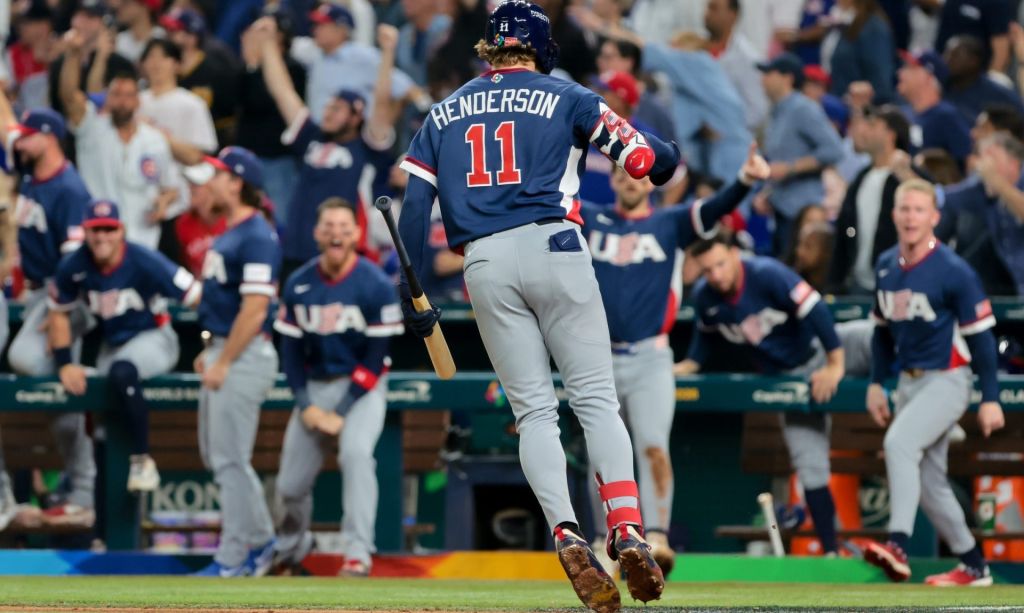
The U.S. team outlasted the Dominican Republic on Sunday, 2–1, in the first of two WBC semifinals to reach Tuesday’s championship game. Powered by solo home runs from the Orioles’ Gunnar Henderson and Red Sox’ Roman Anthony and a gritty bullpen before a raucous crowd of 36,337 at loanDepot park, the Americans will face the winner of tomorrow’s other semifinal between upstart Italy and Venezuela. 

The continued presence of the U.S. squad in the tournament will undoubtedly be more good news for Fox, the domestic broadcaster of the WBC that has been riding a wave of record-setting viewership throughout this event.

A Very Different Vibe

The highly anticipated World Baseball Classic semifinal battle royale between the U.S. and Dominican Republic has been absolutely nothing like most Marlins games here—further showcasing the firm hold this event now has on fans. 

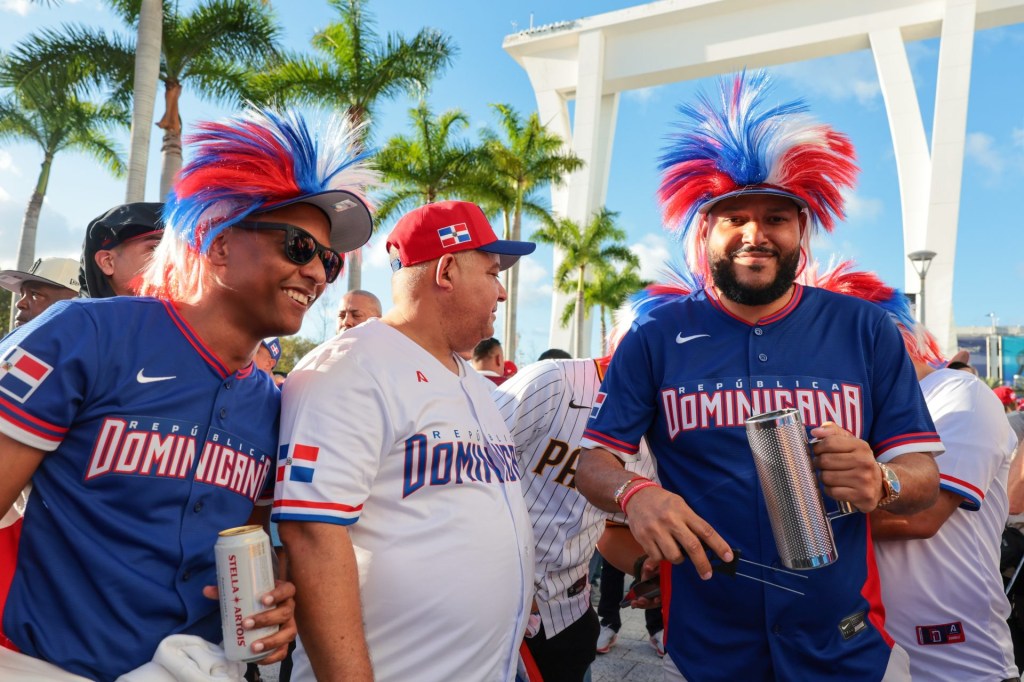
Playing at the club’s home venue, the normally staid loanDepot park pulsated with energy from the sellout crowd. Of course, the litany of MLB All-Stars on both rosters—including Aaron Judge and Paul Skenes for the U.S. and Juan Soto and Vladimir Guerrero Jr. for the Dominican Republic—brought fans out to the ballpark. Once there, though, those fans cheered at deafening volume, they rattled noisemakers, waved flags, and they lined up for prime standing-room positions hours before first pitch. Even routine fly balls brought dramatic crescendos from the crowd. 

“The WBC has been fantastic,” MLB Players Association interim executive director Bruce Meyer said shortly before Sunday’s game. “The fan engagement has been terrific. It’s been great baseball and a great thing for the sport. The players I’ve spoken to are thrilled to be here representing their countries. And in this market, in Miami, you can see the fan interest in baseball, which, unfortunately, is perhaps not maximized by the franchise here. But the fans have been great.”

The Marlins, boasting just one full-season playoff appearance since 2004, have by far MLB’s lowest luxury-tax payroll this year at $79.5 million, and in 2025 had the league’s third-worst home attendance with a per-game average of 14,292—beating only the Rays and A’s as they played last year in minor-league facilities. Those metrics are happening despite Miami being the No. 18 U.S. media market—something much more reflected in the raucous WBC energy. 

Sam Navarro-Imagn Images

Playing for Country

The WBC semifinals also extended a theme that has been deeply prevalent throughout this sixth iteration of the international tournament: playing for one’s country stirs an entirely different set of deep emotions than the normal, day-to-day mechanics of competing for a pro team. A similar dynamic also just played out in the 2026 Winter Olympics in Italy.

It’s additionally what previously moved Tigers ace Tarik Skubal to consider upending his spring training preparation to remain with the U.S. team, and it’s brought up new levels of on-field joy among even the most reserved players. 

“This is what you dream about as a kid, playing with the best of the best,” said Yankees superstar and U.S. team captain Aaron Judge, well known for filtering out the noise that his fame and the New York market generate. “We’ve got the best squad out there. [The Dominican Republic] has the best squad out there. It’s what you play when you’re in your backyard playing Wiffle Ball. It’s moments like this you dream about.”

Added Juan Soto, star outfielder for the Dominican Republic, “The emotions on the field are unprecedented. You cannot compare that with anything. Wearing your country’s uniform, it’s very difficult to describe that in words. So many emotions, [the] adrenaline that you feel in your body. I mean, I cannot describe it, but I love to be part of this process.”

The WBC began with a record 78 MLB All-Stars involved, with a meaningful portion of that group still involved in the semifinals, also including Italy and Venezuela.

“I think it’s what the world wants to see,” said U.S. manager Mark DeRosa. “I think the beauty of the WBC is that not only do you get to see people represent their country on the world stage, I think it has the ability to bring fans who weren’t totally into baseball into it. It’s such a grower of the game on the world stage. … So I think it’s just a phenomenal event that came to pass.”

LOUD AND CLEAR

NIL Not Just for Athletes

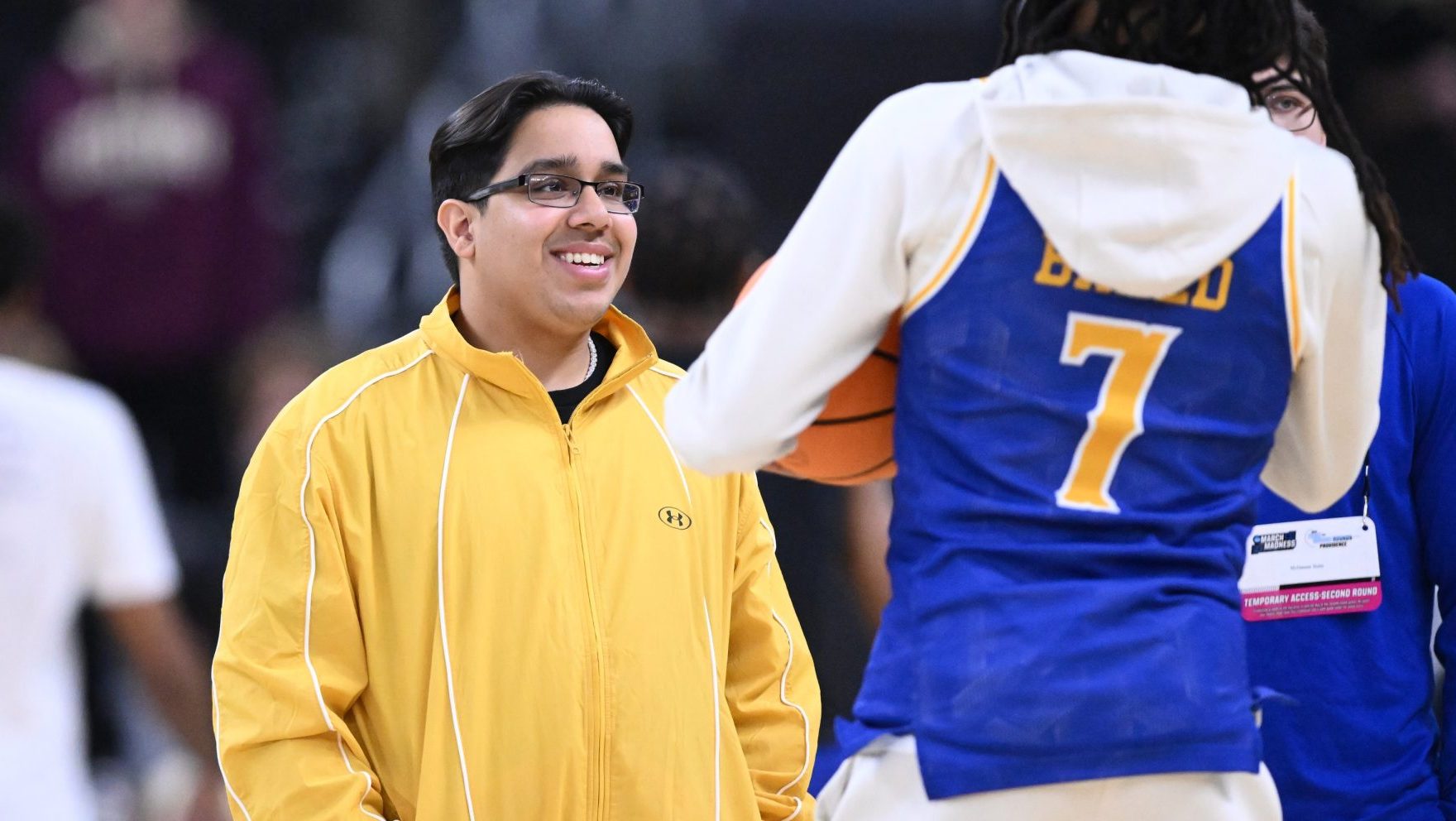
Mar 22, 2025; Providence, RI, USA; McNeese State Cowboys manager Amir Khan before a second round men’s NCAA Tournament game against the Purdue Boilermakers at Amica Mutual Pavilion.

Brian Fluharty-Imagn Images

“It feels like a dream and I’m going to wake up one day.”

—Amir “Aura” Khan, the student manager for McNeese men’s basketball who landed more than 20 endorsement deals thanks to the Cowboys’ Cinderella run into the 2025 NCAA tournament. Khan went viral during March Madness last year for escorting his players through the tunnel pregame while blasting rap music from a giant boombox. 

Khan, with his boombox and enthusiasm, will be back at the tournament this year when McNeese faces Vanderbilt in the first round in Oklahoma City.

SPONSORED BY TOYOTA

Greatness Moves Us

Advertisement

Toyota backs the journeys that shape athletes every day. From early-morning practices to road games and the long rides home, Toyota’s partnership with Team Toyota celebrates the dedication and belief that drive progress over time.

By supporting athletes like Erin Jackson, Jessie Diggins, and Andrew Kurka, Toyota highlights the commitment, momentum, and resilience required to compete at the highest levels—on and off the field of play.

Because every destination has a beginning.

FOS NEWS

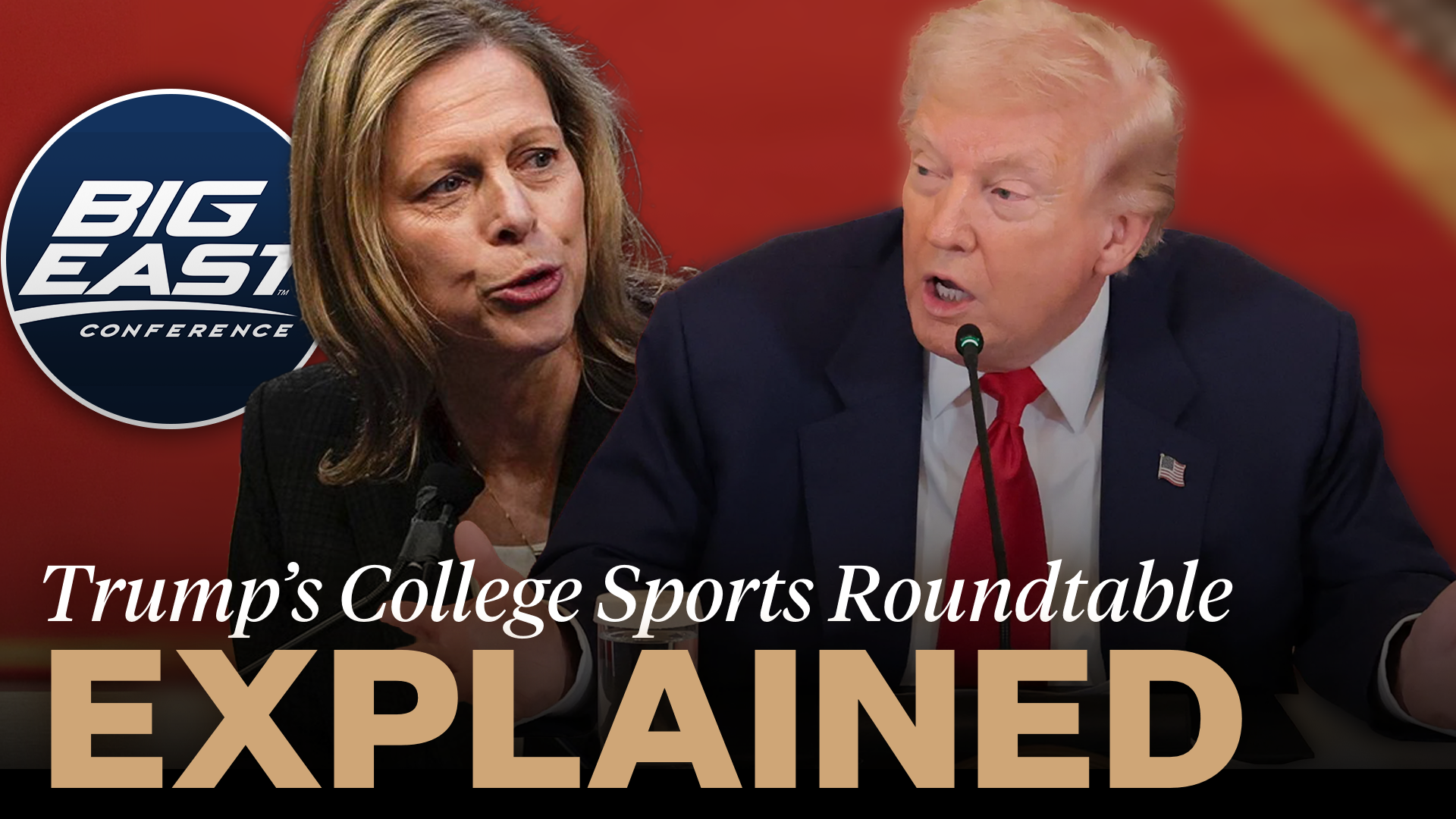
Big East Commish on Trump’s College Sports Roundtable

FOS graphic

Big East commissioner Val Ackerman joined Front Office Sports days after attending President Donald Trump’s White House roundtable on college sports. She breaks down her takeaways, the SCORE Act, and why going back to the pre-NIL era is not realistic. 

Ackerman also discussed the revenue-sharing era and what it means for basketball-only schools, her position on March Madness expansion, and what the WNBA’s CBA negotiations have looked like through the lens of someone who ran the league from the beginning.

Watch the full interview.

Editors’ Picks

How a 30-Year-Old Became Part-Owner of the Celtics

by Alex Schiffer
Mario Ho has his eye on expanding the Celtics’ footprint in China.

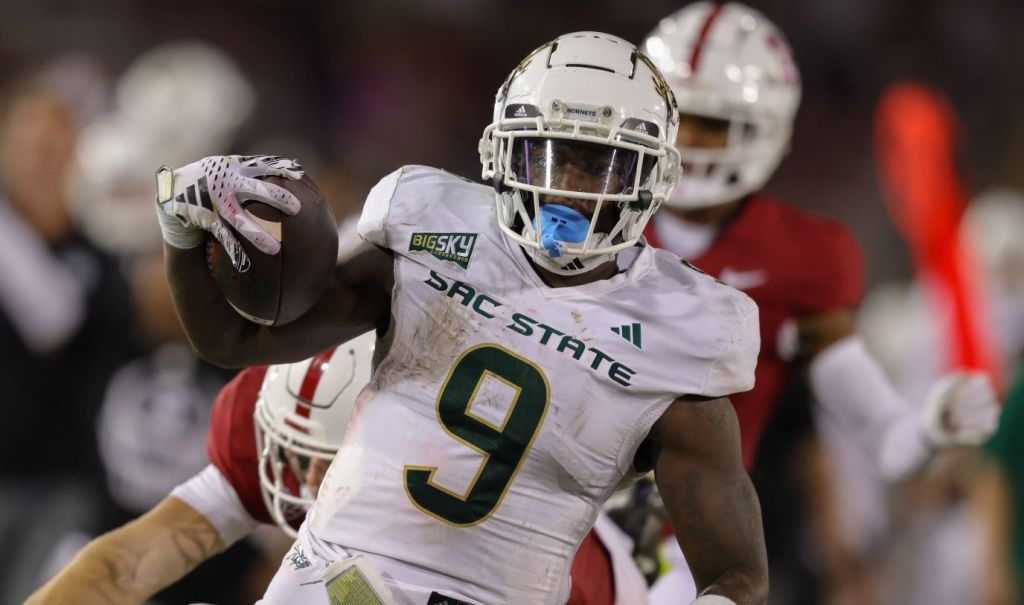
Sacramento State’s Only Shot at MAC Revenue: Make the CFP

by Amanda Christovich
Sacramento State forfeits MAC revenue but could earn money with a CFP berth.

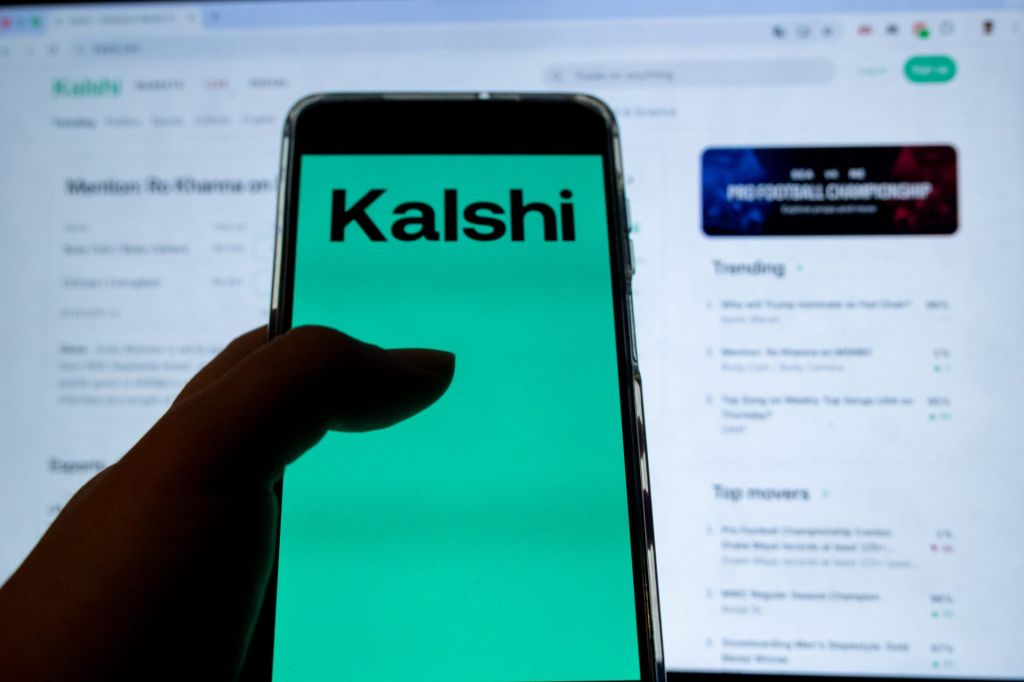
CFTC Takes First Step Toward Reining In Sports Prediction Markets

by Ben Horney
The regulator is wary of sports event contracts susceptible to manipulation.

Question of the Day

Have you tuned into the World Baseball Classic?

 YES   NO 

Friday’s result: 19% of respondents plan to attend an NWSL match this season.

Events Video Games Shop
Written by Amanda Christovich, Eric Fisher
Edited by Katie Krzaczek, Matthew Tabeek

If this email was forwarded to you, you can subscribe here.

Update your preferences / Unsubscribe

Copyright © 2026 Front Office Sports. All rights reserved.
460 Park Avenue South, 7th Floor, New York NY, 10016

Subscribe To Our Daily Newsletters

  • This field is for validation purposes and should be left unchanged.