
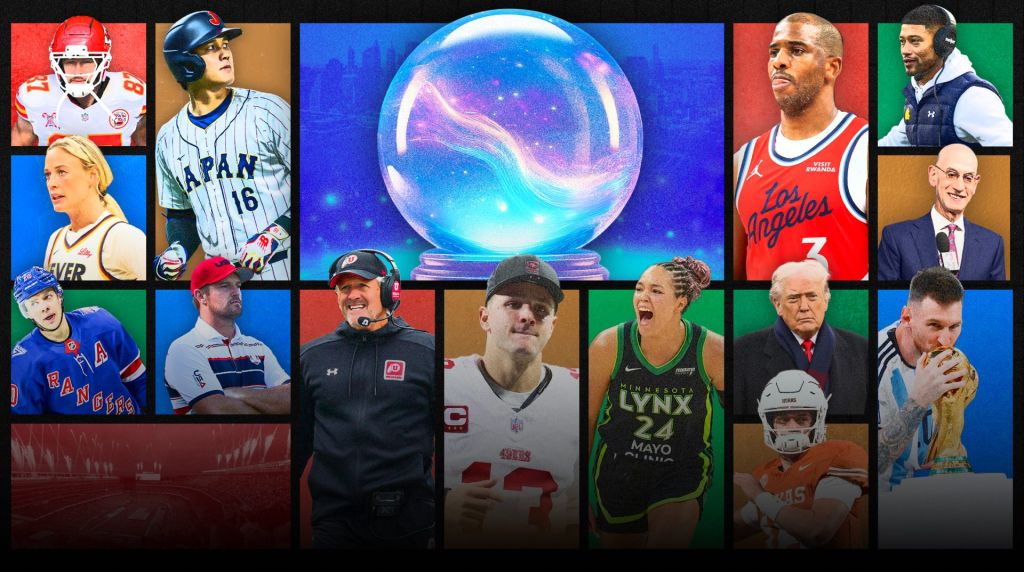
As sports leagues sell more rights to streamers, labor negotiations get more complicated, and politics and sports get more entangled, the business of sports is more of a moving target than ever.
Front Office Sports staffers have peered into our crystal ball to see what’s on the horizon in 2026. Last year, we nailed several predictions, including a new wave of sports betting scandals, streamers getting more rights packages, and more college coach chaos caused by the NIL era. We also got some stuff wrong: still no PGA-LIV deal, no major EPL club got relegated.
Here are our 20 predictions for 2026.
1. Live Sports Fragmentation: Something’s Gotta Give
Formula One moved its live rights over to Apple, MLS is staying there despite heavy criticism, and MLB is keeping Friday Night Baseball on Apple. Netflix now has NFL Christmas games, big boxing matches, and over the next few years will have MLB Home Run Derby and the FIFA Women’s World Cup. Amazon debuted this year as a full NBA regular-season broadcaster.
If you want to see all these games, you’ll have to pay for Apple, Netflix, and Amazon Prime Video, plus have cable or a live-TV service like YouTube TV. Consumers are getting louder than ever about the aggravation and the cost; the whole system feels very close to boiling over. So what comes next? Probably (ironically) a great re-bundling acceleration that will involve some major competitors uniting their services (we’ve already seen some forms of this), and/or a massive bipartisan political backlash once the fragmentation frustration gets loud enough. —Dan Roberts
2. The WNBA Will Play a Season This Year
After pushing back the CBA deadline more than two months, the WNBA players and owners will figure out a way to share the large amount of money the league has started making throughout the past few years. The season will start on time—or even earlier than ever.
How will they get there? I have no idea. But our recent reporting makes it clear they are now negotiating over who gets how much within one economic system, not proposing two totally different economic systems. In the end, both sides will declare victory well before the college basketball season is over. —Dennis Young
3. The College Football Playoff Will Expand to 16 Teams
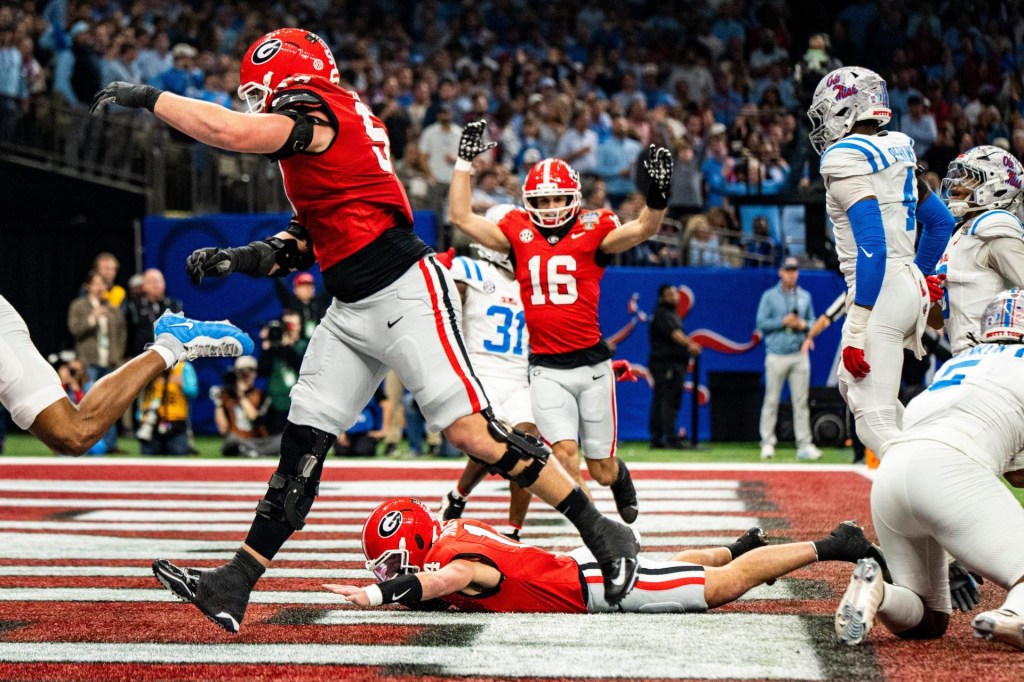
What once seemed inevitable has hit major speed bumps this year, as the Big Ten and SEC failed to agree on the format for an expanded College Football Playoff beyond 12 teams. The SEC favors more at-large bids, while the Big Ten wants more automatic qualifiers—at least for its own conference.
Even with relatively modest expansion of four more teams, there’s likely still too much money to pass up, which will ultimately bring the Big Ten and SEC to a resolution. A Dec. 1 deadline to decide on changes for the 2026 season was pushed back to Jan. 23, which means we will get answers sooner rather than later. —David Rumsey
4. A Prediction-Markets Insider-Trading Scandal Will Emerge
The underlying premise of prediction-markets platforms all but invites an insider-trading scandal. As contracts tied to sports, politics, and real-world events continue to go mainstream, there are obvious incentives for participants with privileged, nonpublic information to trade ahead of market-moving developments. Is the depleted Commodity Futures Trading Commission up to the task of policing such behavior?
Sports won’t necessarily be the culprit, but they could be. Maybe a confidant of LeBron James will put max money on next season being his last, a college athlete will tell someone they know about their transfer portal plans, or some team medical staffer will tip off a friend about a star’s season-ending injury before the public—and the odds—catch up. When a high-profile case inevitably surfaces, prediction-markets critics will cry foul, platforms will claim they have the appropriate guardrails, and someone will lose money. —Ben Horney
5. Project B Will Fail to Launch
As things currently stand, the international basketball league known as Project B has provided very little information regarding its plans aside from signing a handful of WNBA stars to multimillion-dollar deals. The league has remained mum on where it’s getting funding, how much money it has raised, and where it will play its games, slated to begin in fall 2026.
Project B is just the latest women’s basketball league to be born out of the WNBA’s inability to pay players fair market value. It opens a larger question: As negotiations for a new CBA continue, will the WNBA position itself as the premier women’s basketball league in a strong enough way that warrants players’ exclusive commitments? We may have to wait for the next CBA to see that accomplished. In the meantime, there are too many uncertainties surrounding Project B for me to buy into it. —Annie Costabile
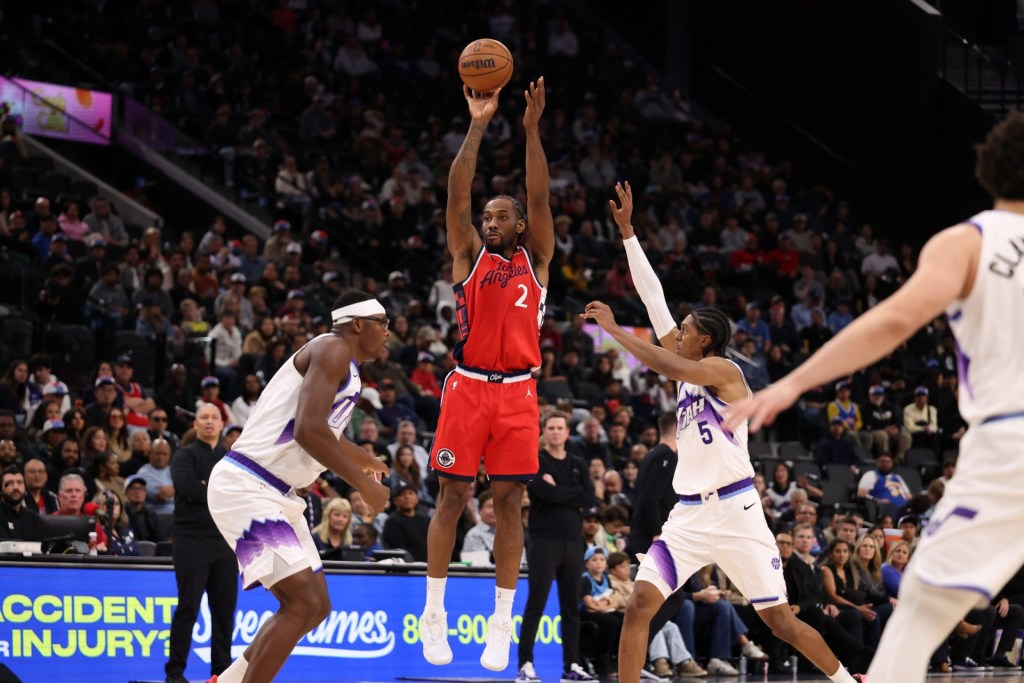
6. The Clippers Will Get a Light Penalty for Cap Circumvention
It’s been four months since journalist Pablo Torre published a report alleging the Clippers and owner Steve Ballmer used a deal with fraudulent financial firm Aspiration to circumvent the NBA salary cap to pay star forward Kawhi Leonard. But the league has yet to penalize the Clippers, despite commissioner Adam Silver vowing they will “get to the bottom of this” at the FOS Tuned In summit in September.
If the NBA does hand down a penalty, expect it to be a slap on the wrist, perhaps a loss of one or two draft picks, which would be fewer than the five originally docked against the Timberwolves for cap circumvention in the 1990s. —Colin Salao
7. The PE Gold Rush Will Arrive in College Sports
The first athletic department PE deal was announced in early December, when Utah’s board voted to approve selling a minority stake in athletic department assets (which had been spun off into an LLC) to a firm called Otro Capital. Sports consultancy firm Elevate had previously inked private-credit deals with two power-conference athletic departments. The Big Ten had advanced in conversations to sell an equity stake of conference assets to UC Investments, the employee pension fund for the University of California system—but talks stalled after two schools refused to sign on to the deal.
Expect a flood of more announcements early in 2026, with a variety of shapes—from private credit to equity. The Big 12, for example, has restarted talks with a joint entity run by RedBird Capital and Weatherford Capital to offer private-credit deals of up to about $33 million to each Big 12 university. FCS leagues and the NCAA are in talks to create a privatized FCS playoff alongside firm Sequence Equity. Boise State is working on a private-capital deal, too. Schools across the country are ready and eager to take private money. —Amanda Christovich
8. The NBA Will Expand to 32 Teams
Commissioner Adam Silver has been talking about NBA expansion since the COVID-19 pandemic, but he has procrastinated on doing so in recent years. However, 2026 will be the year Silver finally adds two more teams to the league. After hedging his comments throughout the past year, his press conference ahead of the NBA Cup indicated he’s finally going to go through with it. Silver mentioned Seattle as a possible expansion market, as well as Las Vegas—while speaking in Sin City itself.
Expansion has been a six-year-long conversation, and for Silver to be conscious of sounding like a tease, that’s good enough for me to assume it’s happening. Both expansion teams would fetch the league billions of dollars, landing owners a check worth hundreds of millions for themselves. —Alex Schiffer
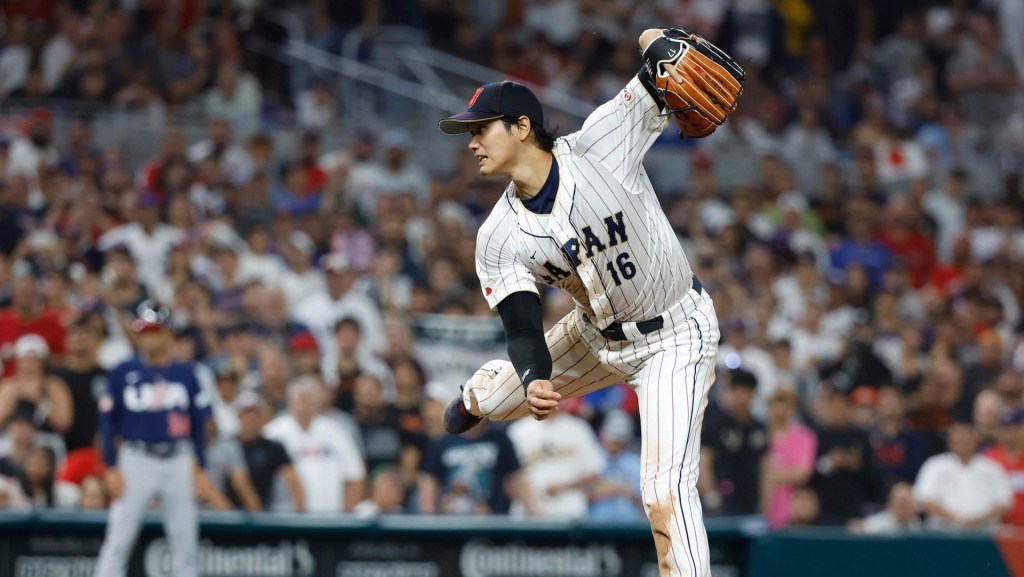
9. The 2026 World Baseball Classic Will Be a Massive Hit
The international tournament, run by Major League Baseball and the MLB Players Association, is set to return in March. It’s been on a slow, steady build since its 2006 debut. There have been lots of great moments on the field, but competing against the peak of college basketball, the World Baseball Classic has often been more of an event for baseball die-hards.
That changes this time around, as the field will feature an unprecedented array of superstars. After many prior iterations with some top players sitting out due to injury worries, the upcoming WBC will feature most of MLB’s leading talents, including Shohei Ohtani, Aaron Judge, Paul Skenes, Tarik Skubal, Kyle Schwarber, and Bobby Witt Jr. The growth is already apparent as Netflix snapped up the event’s Japanese rights last summer, as opposed to a native Japanese broadcaster. Fox will again show the tournament in the U.S. —Eric Fisher
10. The Enhanced Games Will Happen—and Make Everyone Uncomfortable
A competition allowing athletes in track, swimming, and weightlifting to use performance-enhancing drugs is scheduled for May 24, 2026, in Las Vegas. The Enhanced Games says it will pay athletes millions of dollars in prize money, including up to $1 million for breaking certain world records. Many of the world’s biggest sports entities have heavily protested the idea and banned their members from participating, but that hasn’t stopped the Enhanced Games, which is backed by Donald Trump, Jr., from making splashy signings with several former Olympians.
After spending much of this year covering the downfall of Grand Slam Track, I’m wary of flashy new leagues that promise big prize money actually getting off the ground. But if the Enhanced Games does hold its first event as planned, it’s going to send shockwaves. I think it will start a lot of conversations about the integrity of sports, and one way or another, the sporting community will have to reckon with the Enhanced Games. —Margaret Fleming
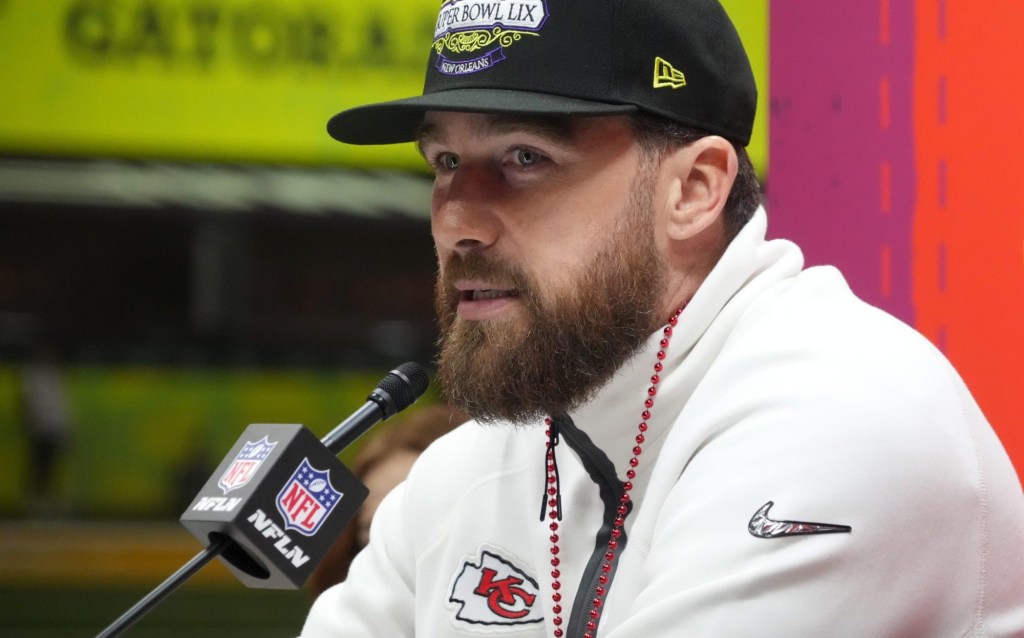
11. Travis Kelce Will Retire and Sign With a Streamer
Travis Kelce will hang up his cleats this offseason, and he will have endless options for what to do in his post-playing career. Ultimately, my sense is he will land with one of the NFL’s big-tech partners, whether it’s Netflix, YouTube, or Amazon. If I’m up against a wall, I’d say Amazon, since it has a head start building a relationship in partnership with the New Heights podcast at Wondery. —Ryan Glasspiegel
12. The World Cup Will Be Messy
The economic boon that the 2026 FIFA men’s World Cup is projected to bring to North America—an estimated $40.9 billion in GDP—will likely be overshadowed by the Trump Administration’s politics and its desire to have an outsized hand in running FIFA’s contest.
The U.S. State Department recently said it would prioritize visa applications from businesspeople considering “significant investments” and for tourists planning to visit “for major sporting events which showcase American excellence.” Andrew Giuliani, who is leading the White House task force on the World Cup, has not ruled out the possibility of ICE targeting host cities for immigration enforcement. And it doesn’t appear that fans from 19 countries—including World Cup–qualifiers Iran and Haiti—will be exempt from travel restrictions already in place. Beyond visa, security, and immigration enforcement concerns, teams will have to travel among countries and time zones during the group stage, meaning less recovery time for some. Will we pull it all off? Probably. Will it be the shining event Trump hopes it’ll be? Probably not. —Katie Krzaczek
13. Everything Will Be Tradeable—Especially Sports
Despite current controversy and legal challenges, trading on prediction-markets platforms continues to proliferate. DraftKings and FanDuel are entering the arena, and prediction-markets data is even being integrated into major mainstream news organizations like CNBC and CNN. News sites, financial-brokerage apps, the weather app, your favorite sports scores app—all will offer opportunities for users to trade events contracts. As Polymarket CEO Shayne Coplan told Anderson Cooper, the idea is that the wisdom of crowds is “the most accurate thing we have as mankind right now.”
It doesn’t matter whether your expertise is in the 10-year Treasury bond, Portuguese presidential politics, or Heisman Trophy winners. Prediction markets—which have already encroached on traditional sportsbooks’ territory—provide more assets to trade and more risk to take. They attract everyday consumers who might feel left out of the stock market. If you’re not sure whether Nvidia’s $184 share price is over- or under-valued, perhaps you’d be more comfortable wagering on who will win the Lightning–Maple Leafs game, or which airline will be first to sell Zyn on flights. —Lisa Scherzer
14. More NFL Teams Will Take PE Money
It was a slow burn for the NFL’s private-equity policy in 2025, but by year’s end, four teams—the Dolphins, Chargers, Bills, and Patriots—had taken PE investment, with the league hailing the policy as a “tremendous success.”
Team owners see the dollar signs, understand these deals require no surrender of control or governance rights, and will be emboldened by the fact that longtime owners like Robert Kraft and the Mara family have caved. More PE minority partners are coming. The only real remaining questions are whether the Bengals—the lone team to vote against the policy back in 2024—will relent, and when the NFL might approve additional firms to invest beyond the three firms and one consortium it has let in for now. —David Rumsey
15. TV Networks Will Hire More Influencers and YouTubers
Talent can come from anywhere. Look for more traditional sports media companies to hire more young influencers and YouTubers.
NBC/Peacock, for example, partnered with Kenny Beecham’s Enjoy Basketball company last year. He describes his popular Numbers on the Board hoops podcast as “friendship packaged as sports coverage.” ESPN recruited 23-year-old Katie Feeney as a short-form video influencer. She boasts nearly 9 million followers on TikTok and Instagram. Influencers have made the jump from phone screens to television screens. —Michael McCarthy
16. NHL Free Agency Frenzy Is Dead
The 2025 NHL offseason proved to be an uneventful free-agency period. The already-shallow talent pool was practically drained dry when UFAs including Mitch Marner, Sam Bennett, and Nikolaj Ehlers secured landing spots before open season. Come July 1, player movement was snoozy. That won’t be an outlier: It’s likely the end of the high-stakes frenzy of free agency as we once knew it.
In October, Connor McDavid, who was set to enter the free-agency market at the end of this season, announced a two-year extension with the Oilers (at a relatively bargain-basement price to boot). Additional signings have since dented the pending 2026 UFA class, including Kirill Kaprizov and Jack Eichel. There will still be worthy players for bid once July hits, but as the NHL salary cap spikes next year—and will continue to climb—dominoes will increasingly fall during the season as teams dip into their war chests to keep their stars before the free market forces their hands. —Meredith Turits
17. The NFL Will Get Media Renegotiations Going ASAP
The NFL’s current TV contracts have an opt-out clause after the 2029 season, but it has the option to opt out early from its 11-year, $111 billion set of agreements. Why wait? The NFL watched the NBA score $77 billion for its new 11-year deals with ESPN, NBC, and Amazon. NFL commissioner Roger Goodell believes the league’s rights are already undervalued. He floated the idea of talks possibly starting in 2026. Media partners including Fox Sports have signaled they’re ready, willing, and able to talk.
The NFL has the power to demand monster increases from legacy TV partners Fox, ESPN, CBS, and NBC, as well as streamers Amazon Prime Video, YouTube, and Netflix. It also has the power to begin shopping the rights to an international package of games from Europe that would air during a 9 a.m. ET window. There is no sports league that’s better at conjuring new, lucrative rights packages out of thin air than the NFL. Broadcast veterans told FOS the package could fetch $1 billion or more in yearly rights fees. The rich will get richer. And don’t be surprised if the NFL’s aggressive negotiating approach inspires MLB and the NHL to move up their renewal talks to 2026 as well. —Michael McCarthy
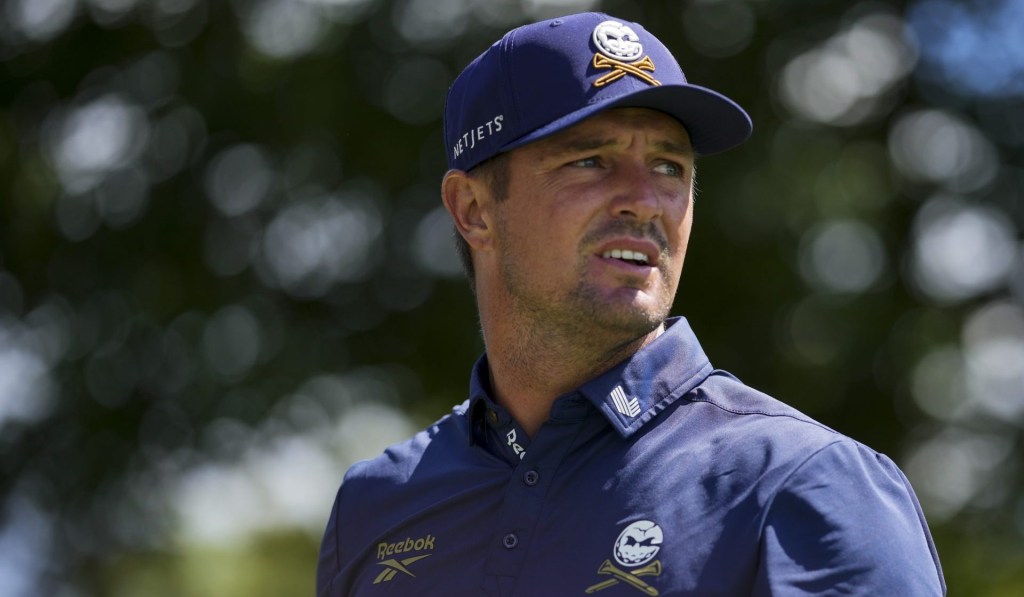
18. The PGA Tour and LIV Will Not Make a Deal
The PGA Tour is no longer threatened by the existence of LIV Golf, and therefore has no incentive to merge with the offshoot league or make major concessions for players who have left for big paydays. Yes, in this space last year I predicted there’d be a deal in 2025; but one year later, the tone has very clearly turned the other way. Reaching a resolution with LIV doesn’t appear to be a priority for Rolapp, and LIV CEO Scott O’Neil is keen on growing the tour outside the U.S. —David Rumsey
19. The Super Bowl Will Set Yet Another Viewership Record
This claim isn’t exactly going out on a ledge. Super Bowl LIX set a U.S. television record,averaging 127.7 million viewers, and this season has seenthe arrival of Nielsen’s Big Data + Panel measurement process and a series of regular-season milestones for the NFL, despiteongoing conflict between the league and Nielsen.
NBC, which will show the upcoming Super Bowl LX from Levi’s Stadium in California, is also giving the upcoming game the deluxe treatment, forming a historic month for the network along with its coverage of the 2026 Winter Olympics from Italy and the NBA All-Star Game. —Eric Fisher
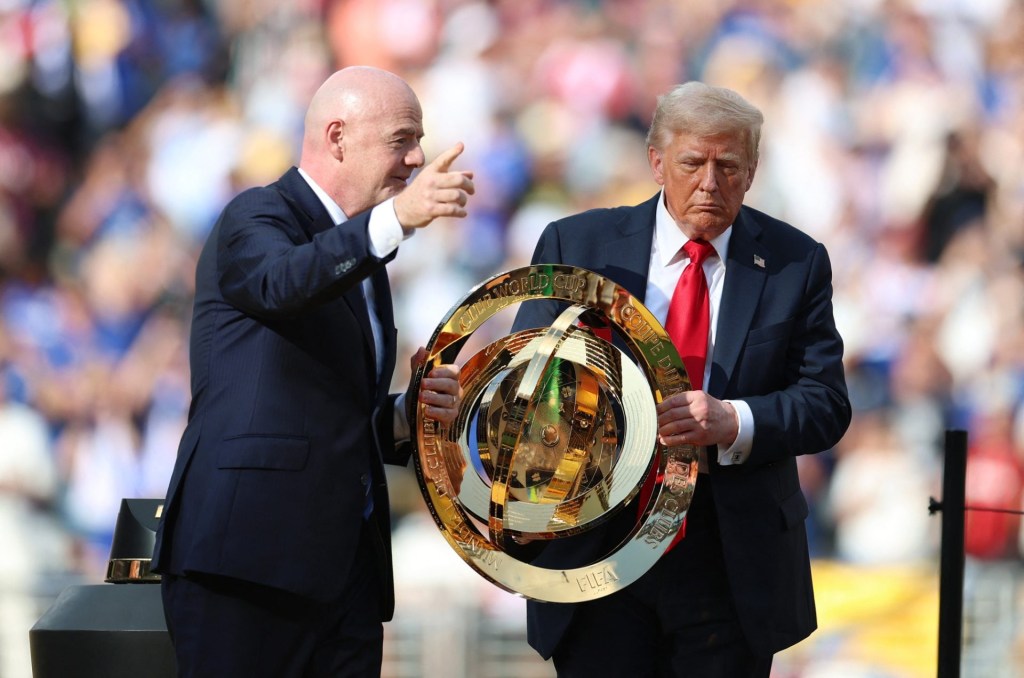
20. Donald Trump’s Sports Tastes Will Become Increasingly Esoteric
The major sports leagues have mostly reached either an uneasy détente or a full-blown accommodation with President Donald Trump, and like many American sports fans, he seems a little bored and restless. With a little help from FIFA president Gianni Infantino, he’s become a full-blown soccer guy, even suggesting that soccer is the real “football.”
Trump has long dabbled in sports that many might call obscure—the planned 2026 UFC card at the White House is just an extension of his decades of interest in combat sports, long before mixed martial arts were popular—and this year he will stick his nose into something like cycling (he used to sponsor the Tour de Trump) or running (he once sponsored the Fifth Avenue Mile). —Dennis Young