January 29, 2026

Read in Browser

Front Office Sports - Asset Class


A new lawsuit alleges that the San Francisco Giants “systematically cheated fans out of millions of dollars,” by charging hidden “junk fees” and inflating ticket prices. They are the third MLB team hit with a similar suit since September.

—Ben Horney

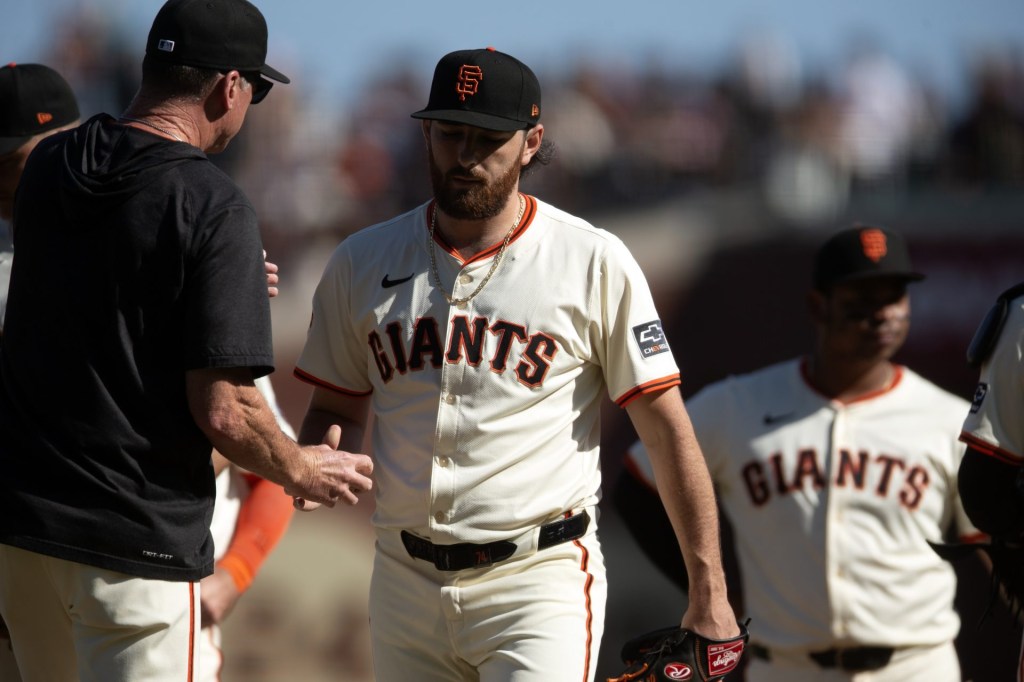
Giants Become 3rd MLB Team Sued Over ‘Junk Fees’ Since September

D. Ross Cameron-Imagn Images

The San Francisco Giants are accused of charging hidden “junk fees” that illegally inflated ticket costs and weren’t disclosed until checkout, marking the third MLB team sued over similar allegations in the past five months.

The proposed class action, filed in California federal court, alleges that the Giants “systematically cheated fans out of millions of dollars” over the course of many years through false advertising of ticket prices. It claims the class includes “hundreds of thousands” of consumers who were deceived into spending more than advertised for tickets. 

Although the team stopped charging these fees by July 2024, after the passage of a California state law prohibiting them, “they have not refunded fans the millions of dollars in Junk Fees that those fans have been charged,” the suit says.

The named plaintiff in the case, Juan Flores, bought two tickets for a game between the Giants and Padres in March 2024 that were advertised as costing $10 apiece. Once he got to the checkout page, additional “convenience” and “processing” fees were added, the suit says, upping the total price to $29—a 45% increase over what was advertised.

The pressure on him to complete the purchase was amped up by a countdown clock that appeared on the webpage that gave him limited time to review all information, input his payment information, and read and agree to terms and conditions.

Had he known about the fees before the countdown clock page, Flores “would not have purchased the specific tickets he purchased and instead would have attempted to buy tickets for different seats or from another seller at a lower total price.”

The suit does not include a specific amount in damages being sought, though it demands the Giants “pay back the unlawfully charged junk fees.”

The Giants are the third MLB team hit with a similar suit since September—each case alleges violations of state laws and features different attorneys. On Jan. 16, the Red Sox were sued in Massachusetts federal court over false advertising that has allegedly “cost ticket purchasers millions of dollars in total.” That suit, a proposed class action that also names Fenway Sports Group as a defendant, notes that the Red Sox typically charge a $7 “order” fee—“it does not cost the Red Sox $7 to process each electronic ticket order.” The Red Sox are accused of imposing these fees through “at least” the end of 2024.

A representative for the Red Sox tells Front Office Sports “while we don’t comment on pending litigation, we have always complied with applicable state and federal laws.”

The Nationals are also fighting a proposed class action filed in September in a Washington, D.C., federal court by a woman who claims the team charged junk fees for years. That suit says the team “cheated customers out of millions of dollars.”

Sports is not the only area where junk fees have caused consumers headaches. The issue came up in 2024 when tickets for Taylor Swift’s Eras Tour soared into the stratosphere, causing the Biden-era Department of Justice to probe Ticketmaster and its parent company, Live Nation. In December 2024, the Federal Trade Commission announced a final “junk fees rule” prohibiting such tactics in the live-event ticketing and hotel industries.

The lawsuits, which allege violations of consumer protection laws already on the books, are a start—but enforcement is the real issue, says Alex Jacquez, chief of policy and advocacy at the Groundwork Collaborative, a D.C.-based economic think tank.

“Violations are rampant,” says Jacquez, who previously worked at the National Economic Council under the Biden Administration. “It’s hard to pin these guys down if they don’t believe there will be any ramifications on the back end.”

That could change if more lawsuits pile up or one of the cases results in a major settlement or a large damages award—outcomes that may spur movement from the federal government.

“There are a lot of sports fans in Congress,” he tells FOS.

Representatives for the Giants and Nationals did not immediately respond to requests for comment.

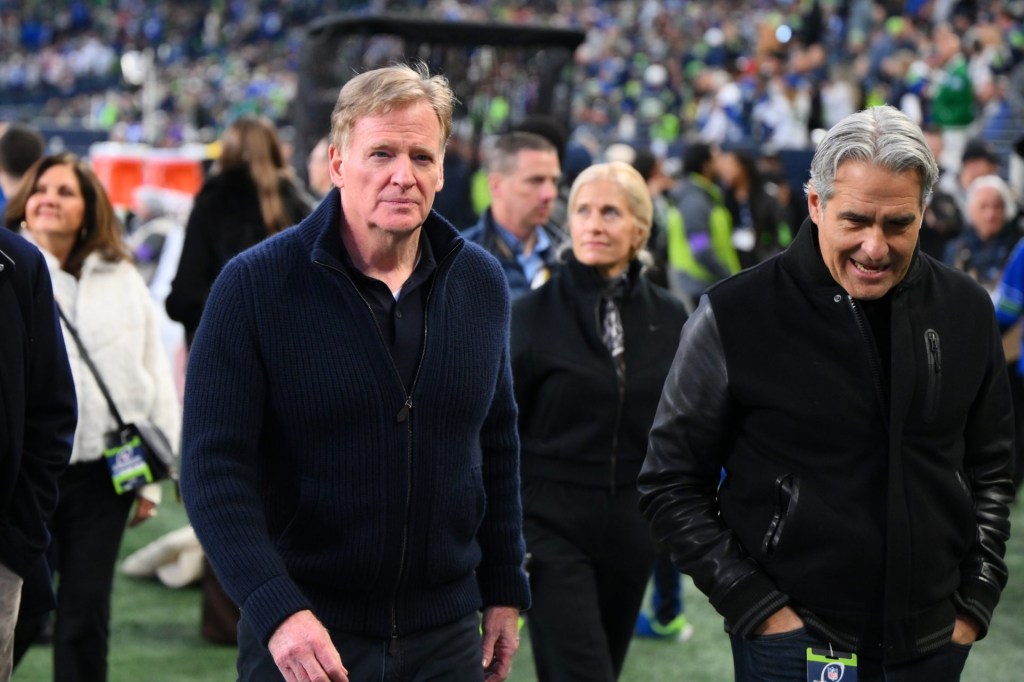
NFL Won’t Allow Prediction-Market Super Bowl Commercials

Steven Bisig-Imagn Images

The rise of prediction markets over the last year has been impossible to ignore, with companies like Kalshi and Polymarket raising billions of dollars and traditional sports betting giants like DraftKings and FanDuel launching their own platforms.

But you won’t see any prediction-market commercials during Super Bowl LX between the Patriots and Seahawks on Feb. 8.

Prediction markets are among the list of “prohibited categories” for the Super Bowl, a source familiar with the matter tells Front Office Sports. Prediction-market commercials have not been allowed on NFL broadcasts all season; they were added to the list of categories the NFL forbids before the kickoff of the 2025 season, the source says.

Although the list of prohibited categories is not public, it’s known to include tobacco, pornography, firearms, and other controversial subjects. 

While the NHL and MLS have embraced prediction markets, the NFL has remained staunchly opposed. The league has expressed concerns about the integrity of the game, saying sports event contracts lack “safeguards” that regulated sports betting has, including “prohibitions on easily manipulated markets” and “official league data requirements.”

The Super Bowl is typically the most-watched TV event of the year. Last year, Fox said the game delivered an average of 127.7 million viewers across all platforms—a record for a single event in U.S. television history. Prices for 30-second ads during the game, which will be broadcast on NBC, have risen as high as $10 million this year. Last year, when the game was broadcast on Fox, roughly a dozen 30-second ad units sold for at least $8 million each.

Companies that have prediction-market platforms—like Kalshi, Polymarket, FanDuel, DraftKings, Coinbase, Robinhood, and more—can certainly afford to buy a Super Bowl ad. The operator of the New York Stock Exchange agreed in October to pour up to $2 billion into Polymarket, while Kalshi in early December announced $1 billion in new funding. DraftKings will have a Super Bowl ad of some kind, a person familiar with the matter tells FOS, and FanDuel will reportedly have an ad before the game. The other companies could buy Super Bowl spots to promote other aspects of their business but not prediction markets.

Notably, sports betting is not one of the prohibited categories, although the league is enforcing limits around the number of ads there will be—GamblingHarm.org reported that no more than six total sports betting ads will be allowed at this year’s Super Bowl.

Kalshi declined to comment on whether it sought a Super Bowl ad, and Polymarket did not immediately respond to a request for comment.

Kalshi has a market allowing users to trade on “which brands will advertise during the Big Game 2026?” As of Thursday afternoon, volume for that market had risen to almost $1.2 million—the leading contenders were Pepsi, Liquid Death, and Him & Hers. Polymarket’s U.S. app does not have any markets for the NFL yet, but its international platform has markets on the NFL and the Super Bowl, as well as a market on “which companies will run ads during Super Bowl LX?” The volume on the latter market—more than $33,000—is a fraction of the Kalshi market. Leading the pack on Polymarket as of Thursday morning were ChatGPT parent OpenAI, Toyota, and State Farm.

Depending on where you live, it’s possible a prediction-market commercial could slip through during the broadcast. Local TV affiliates often have different commercials from the national broadcast. In 2012 and 2013, Old Milwaukee beer ads featuring Will Ferrell ran only in places like Nebraska, Oklahoma, and Texas. Last year, rapper Ye, formerly known as Kanye West, was able to get seemingly innocuous apparel ads aired on three stations owned and operated by Fox in Los Angeles, Philadelphia, and Atlanta, as well as a separately operated affiliate in St. Louis—shortly after the game ended. The website he promoted in the commercials changed from a full apparel shop to just a $20 swastika T-shirt.

CVC’s New Sports Business Buys Into $300M Equestrian Company

The Clarion-Ledger

The newly established sports division of private-equity giant CVC Capital Partners has made its first acquisition with the purchase of a controlling stake in Equine Network, in a deal that values the competitive horse sports organization at $300 million.

Global Sport Group—a dedicated sports business that Luxembourg-based CVC launched in September—is buying Equine Network from Chicago-headquartered PE firm Growth Catalyst Partners. The deal values Equine Network at $300 million, a person familiar with the matter confirmed to Front Office Sports. The exact size of the stake being acquired was not disclosed.

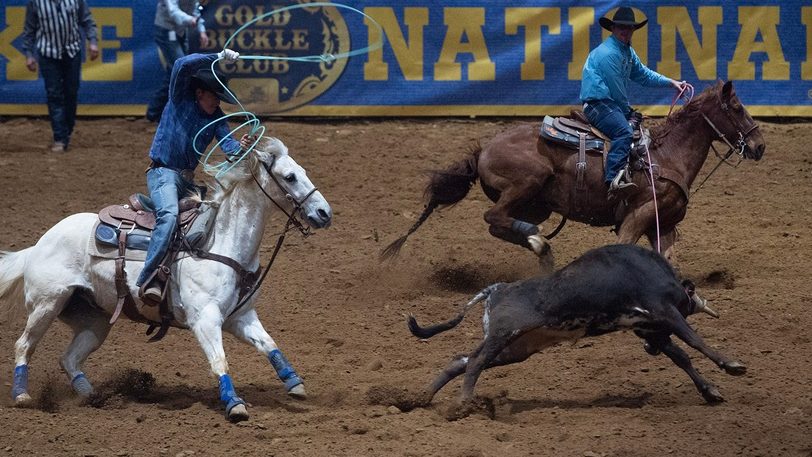
Equine Network owns and operates about 40 competitions, including the World Series of Team Roping and National Team Roping, which is a rodeo event where two riders work together to catch a steer and bring it to a halt. The company also oversees more than 800 “third-party events.”  

The press release announcing the deal calls Equine Network the “largest for profit equestrian-based sports league in the U.S. 

Tom Winsor, founder and CEO of Equine Network, will remain in place. He said in the press release that “CVC’s track record in building and scaling global sports platforms, combined with the expertise of the GSG team, makes them ideal partners as we look to expand our leagues, enhance fan engagement.”

While Equine Network is the first acquisition made by Global Sport Group, it is not the unit’s first portfolio company. Including Equine Network, it now holds stakes in eight leagues and competitions, including Spanish soccer league LaLiga; the Women’s Tennis Association; French soccer governing body Ligue de Football Professionnel, which oversees leagues including Ligue 1; and the Gujarat Titans, a cricket franchise in the Indian Premier League.

CVC, which is publicly traded on the Euronext exchange, is one of many investment firms that have seized on the growth of sports as an asset class in the past year or so. 

Last year saw the launch of Orlando-based Momentous Sports, which counts former NFL quarterbacks John Elway, Tim Tebow, and Blake Bortles as investors; the formation of a new sports-specific arm from Apollo Global Management; and the unveiling of a new business from Arctos Partners that will connect investors with pro sports opportunities. 

Arctos, meanwhile, is in talks to sell a majority stake to KKR, whose existing sports assets include cheerleading company Varsity Brands and high school sports media and technology company PlayOn. Despite reports that Arctos and KKR have reached a deal, three sources familiar with the matter say an agreement has not yet been reached. 

Deal Flow

Travis Kelce Invests in Sleep

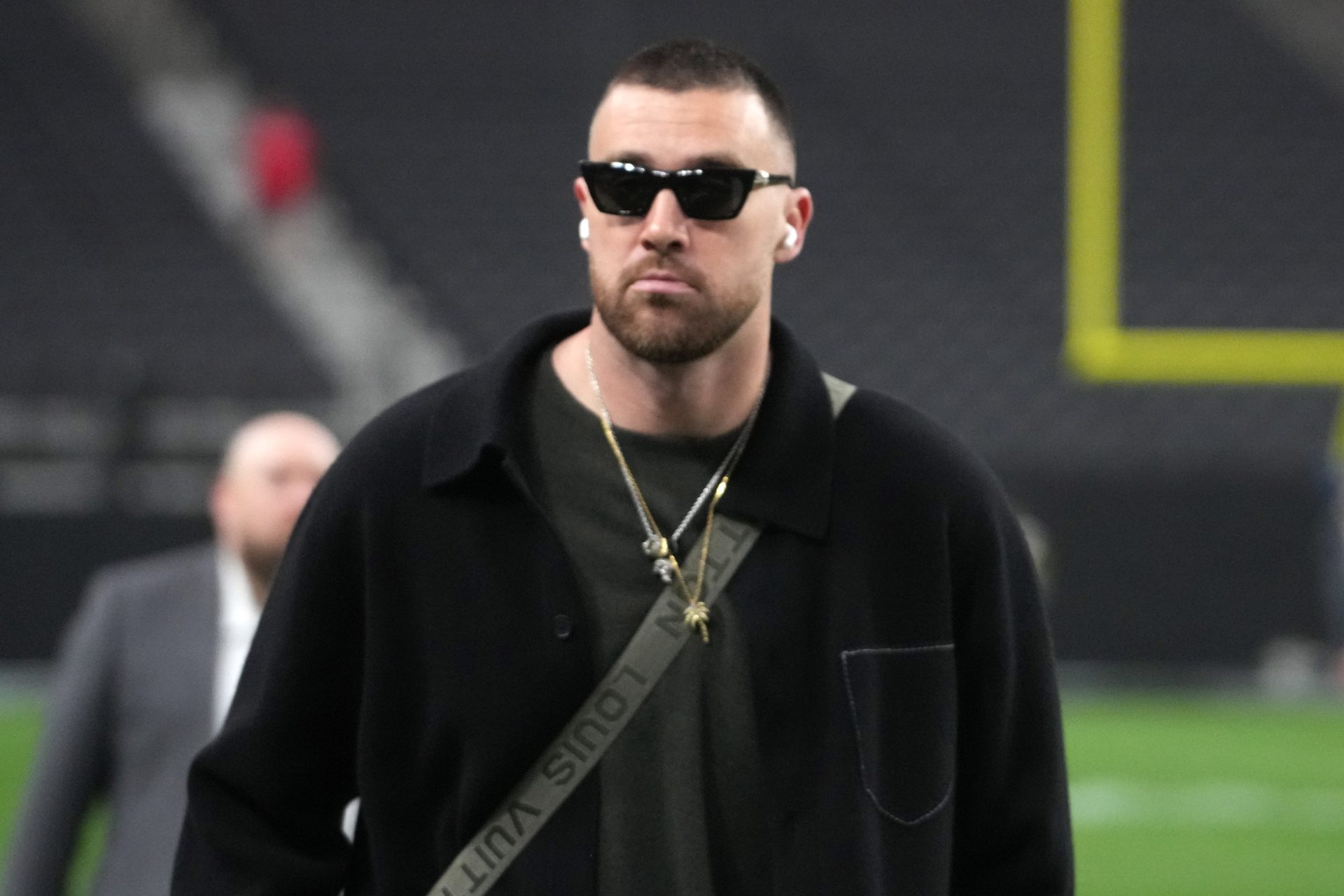
Jan 4, 2026; Paradise, Nevada, USA; Kansas City Chiefs tight end Travis Kelce (87) arrives before the game against the Las Vegas Raiders at Allegiant Stadium.

Kirby Lee-Imagn Images

  • Travis Kelce is investing in, and partnering with, bed maker Sleep Number Corp. In addition to buying an undisclosed amount of common stock, the NFL star will be “granted” restricted stock. Under the initial three-year agreement, Kelce will also be featured in Sleep Number TV commercials and other content. 
  • Sports collectibles authenticator The Realest clinched a $12 million Series A round, according to a statement shared with Front Office Sports. The funding was led by EnOne Ventures, which is a joint venture between EnTrust Global and OneTeam Partners—the latter of which negotiates group licensing deals on behalf of major sports unions, including NFL, MLB, WNBA, MLS, USWNT, and others. 
  • Arkero, an AI-based platform used by leagues including MLS and NWSL, has raised $6 million from a group of investors led by Roger Ehrenberg at Game Changers Ventures and including Reddit cofounder Alexis Ohanian, according to a statement shared with Front Office Sports. The platform is meant to streamline everything from general game-day planning to season-ticket renewals.
  • There’s a bidding battle brewing for cricket team Rajasthan Royals of the Indian Premier League, with Bloomberg reporting that four suitors are still in the mix. One of the groups has made a “preliminary offer” of $1.3 billion, according to the report.
  • Israel-based Pixellot, which uses AI to make cameras follow game action and can automate sports video production, has raised $35 million from investors including PSG Equity. The company is primarily focused on the youth sports market.

Editors’ Picks

Chinese Sportswear Giant Eyes World Domination With $1.8B Puma Deal

by Ben Horney
Anta is now the largest shareholder in both Puma and Amer Sports.

Royals Stadium Plans Hit Suburban Dead End, Push Back Downtown

by Eric Fisher
Two more suburban options have been eliminated in the long-running site search.

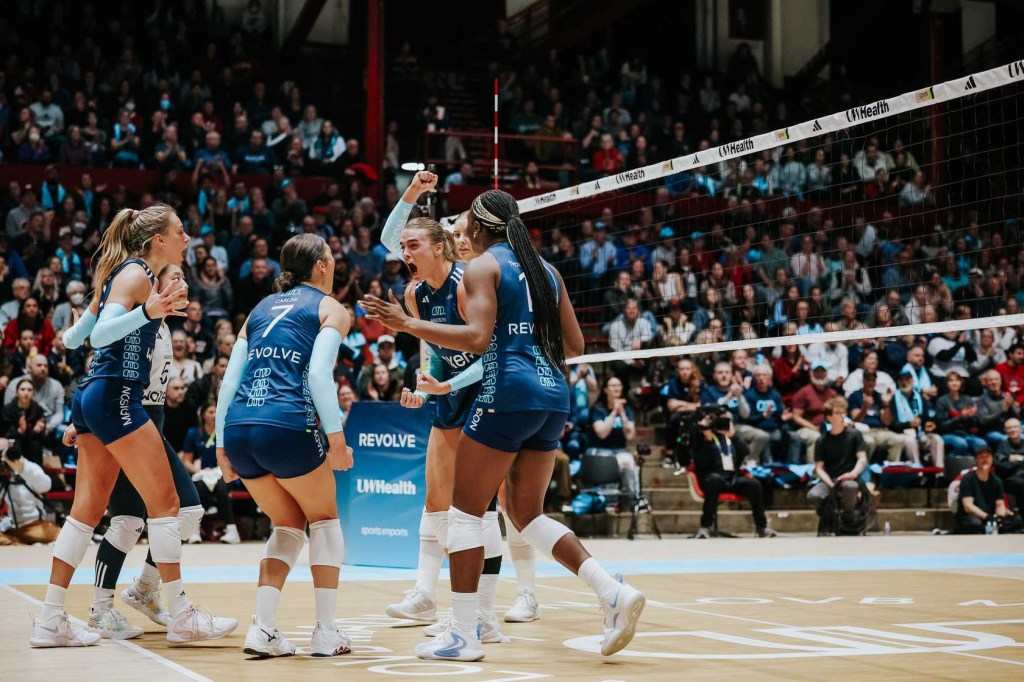
League One Volleyball Hires Ex-Nike Exec As First Commissioner

by Annie Costabile
Sandra Idehen takes over the women’s league this week.
Events Video Games Show Shop
Written by Ben Horney
Edited by Lisa Scherzer, Catherine Chen

If this email was forwarded to you, you can subscribe here.

Update your preferences / Unsubscribe

Copyright © 2026 Front Office Sports. All rights reserved.
460 Park Avenue South, 7th Floor, New York NY, 10016

Subscribe To Our Daily Newsletters

  • This field is for validation purposes and should be left unchanged.