March 12, 2026

Read in Browser

Front Office Sports - Asset Class


Prediction markets are riding high with support from the federal government, but legal experts—including a former CFTC attorney—warn that the future of sports event contracts is far from certain. A political shift could upend the industry “in one fell swoop.”

—Ben Horney

First Up

  • Giants co-owner Steve Tisch is giving up his shares in the team after his close ties to Jeffrey Epstein were revealed, but he will remain chairman of the board. Read the story.
  • Novig founder Jacob Fortinsky says prediction-market companies are trying to do to the traditional sports betting industry what Airbnb did to hospitality. Read the story. 
  • Sports gaming company Underdog is acquiring a CFTC-approved exchange that will allow it to become a more independent prediction-market player. Read the story. 
  • Former NBA player Antonio Davis says it’s shocking to see players compromise competition for sports betting, and he agrees tanking is a problem. Read the story.

Why the Future of Sports Prediction Markets Hangs in the Balance

Megan Smith-Imagn Images

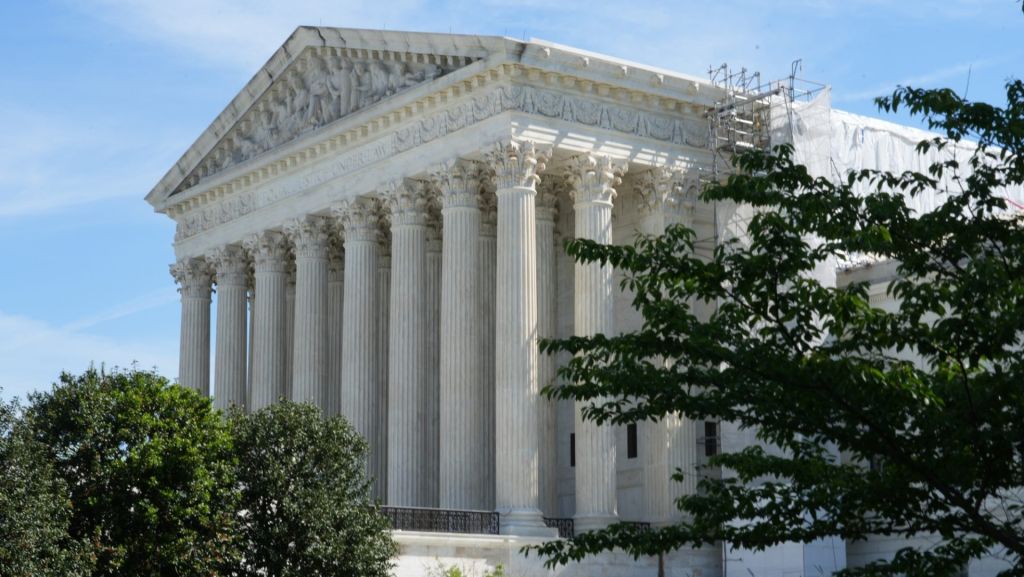
The momentum of prediction markets cannot be denied, and the issue of whether sports event contracts constitute illegal sports betting is expected to reach the U.S. Supreme Court. But continued growth is not guaranteed and could be disrupted by changing political winds.

The industry’s explosive growth in 2025 led traditional sports betting giants like FanDuel and DraftKings to enter prediction markets, while Underdog completely changed its business model. Elsewhere, Robinhood is teaming up with trading firm Susquehanna International Group to bolster its prediction-market product. And Crypto.com recently announced a new platform called OG that will allow for margin trading—which allows users to trade using more money than they have available by borrowing.

Plus, Kalshi and Polymarket, which each raised billions of dollars last year, are reportedly in talks with investors to raise more money at valuations of $20 billion.

If history is any indication, the increasingly crowded field will eventually get whittled down, according to data presented by Bank of America during a Monday panel at Next.io’s New York summit on sports betting and prediction markets. In traditional sports betting, there were once roughly 16 operators in the U.S.; today, there are about 8. Of the original operators, 10 were shut down or exited the U.S., and two—DrafKings and FanDuel—hold up to 80% of market share.

‘It Could Go Away in One Fell Swoop’

Even as the number of operators eventually shrinks, the long-term viability of sports event contracts offered by prediction markets may come down to politics, according to Rob Schwartz, a former general counsel at the Commodity Futures Trading Commission who now works for law firm Morgan Lewis.

If a Democratic candidate wins the presidency in 2028, they could reverse course on sports prediction markets without too much trouble, he said during a separate Monday panel.

“Be careful what you’ve wished for,” Schwartz said. “It could go away in one fell swoop.”

The Trump Administration has been very favorable to prediction markets. President Donald Trump’s social media company, Truth Social, plans to launch its own prediction-market platform, and his son, Donald Trump Jr., is an investor in Polymarket and an advisor to Kalshi. Michael Selig, the new chairman of the CFTC, has made clear he supports the industry, and the agency under his watch will get involved in ongoing lawsuits involving prediction-market platforms.

For the moment, with the federal government on their side, platforms have significant runway to grow. This explains why companies like DraftKings and FanDuel got into the game. Traditional sports betting is regulated on a state-by-state basis, and those and other companies have historically had to obtain expensive licenses to lawfully operate in a given state. Meanwhile, shares of DraftKings and FanDuel have been getting hammered, something that can be attributed—at least in part—to competition from the likes of Kalshi and Polymarket.

Josh Kirschner, a partner at law firm Nelson Mullins, said during the legal panel that the behavior of regulated sports betting companies is the “best indicator of what private market operators believe to be occurring and what will occur.” He was referring to the fact that traditional sports betting companies like DraftKings and FanDuel have been diving into prediction markets headfirst, seemingly without concern about potential consequences.

“There is no immediate consequence for joining this fray,” he said. “Ultimately, if they need to pull back, they will pull back.”

The Specter of the Supreme Court

A different political party in power isn’t the only way the advance of prediction markets might stall. The administration doesn’t control the Supreme Court, as evidenced by its recent ruling against Trump’s tariffs, although presidents can have a meaningful impact on the direction of the court. 

With more than 20 lawsuits winding through the U.S. court system, legal experts believe the issue of sports event contracts will eventually reach the Supreme Court. Andrew Kim, a partner at law firm Goodwin who moderated the session, asked the other two panelists when this will get to the Supreme Court and where the court will land.

“Anybody who tells you they know where this is going to come out is pretty much full of shit,” Schwartz said. “It’s not knowable. They have no idea.”

Kirschner echoed Schwartz’s sentiments. 

“If I knew the answer, I wouldn’t be here,” he said. “I’d be cashing checks from Kalshi for millions and millions of dollars and you’d never hear from me again.”

DEAL FLOW

Angel’s Expanding Portfolio

Kamil Krzaczynski-Imagn Images

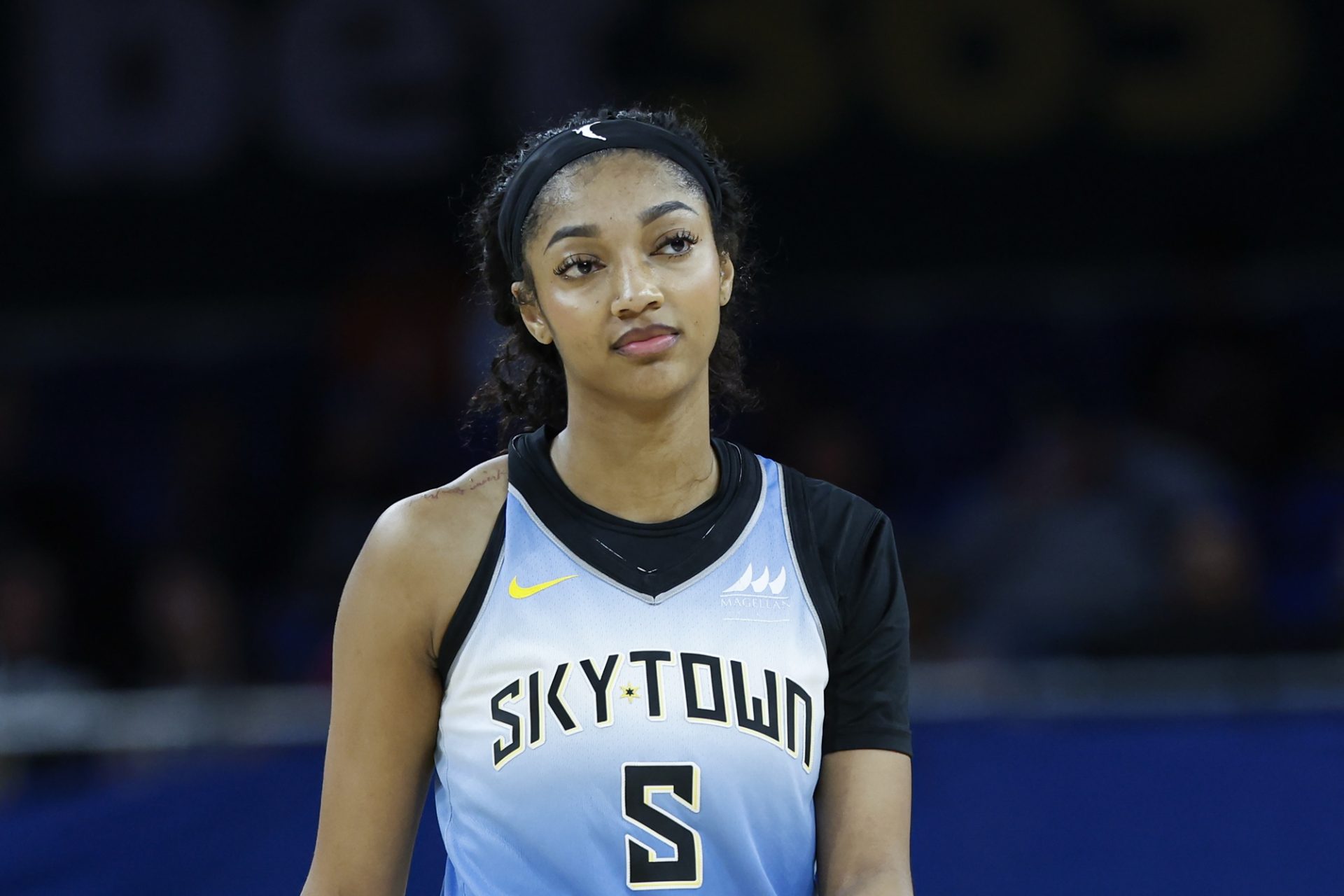
  • Angel Reese has joined a prospective ownership group that seeks to bring a new pro team to Australia’s Women’s National Basketball League. The Chicago Sky player is also invested in DC Power, a women’s soccer club in the USL, and is part of the ownership group of sports media and apparel brand Togethxr.
  • Legendary LAFC soccer player Carlos Vela is joining the MLS club’s star-studded ownership group, which also includes Will Ferrell and Earvin “Magic” Johnson. The Mexican native retired last year after a 19-year career that included a 2019 MLS Landon Donovan MVP Award.
  • Tennis star Nick Kyrgios is taking an equity stake in The Picklr, a North American indoor pickleball company with more than 500 locations across the U.S. The deal adds to an investment portfolio for Kyrgios that also includes pickleball equipment maker Vulcan, as well as tennis and pickleball apparel company Stack Athletics.
  • Dick’s Sporting Goods reported total net sales of $17.2 billion in 2025, up from $13.4 billion in 2024—those figures include Foot Locker, which it bought in May for $2.5 billion. The retailer said it will close “underperforming” Foot Locker stores, and noted that pre-tax costs related to ongoing integration could reach $750 million.
LEGAL CORNER

Prediction-Market Legal Battles Heat Up

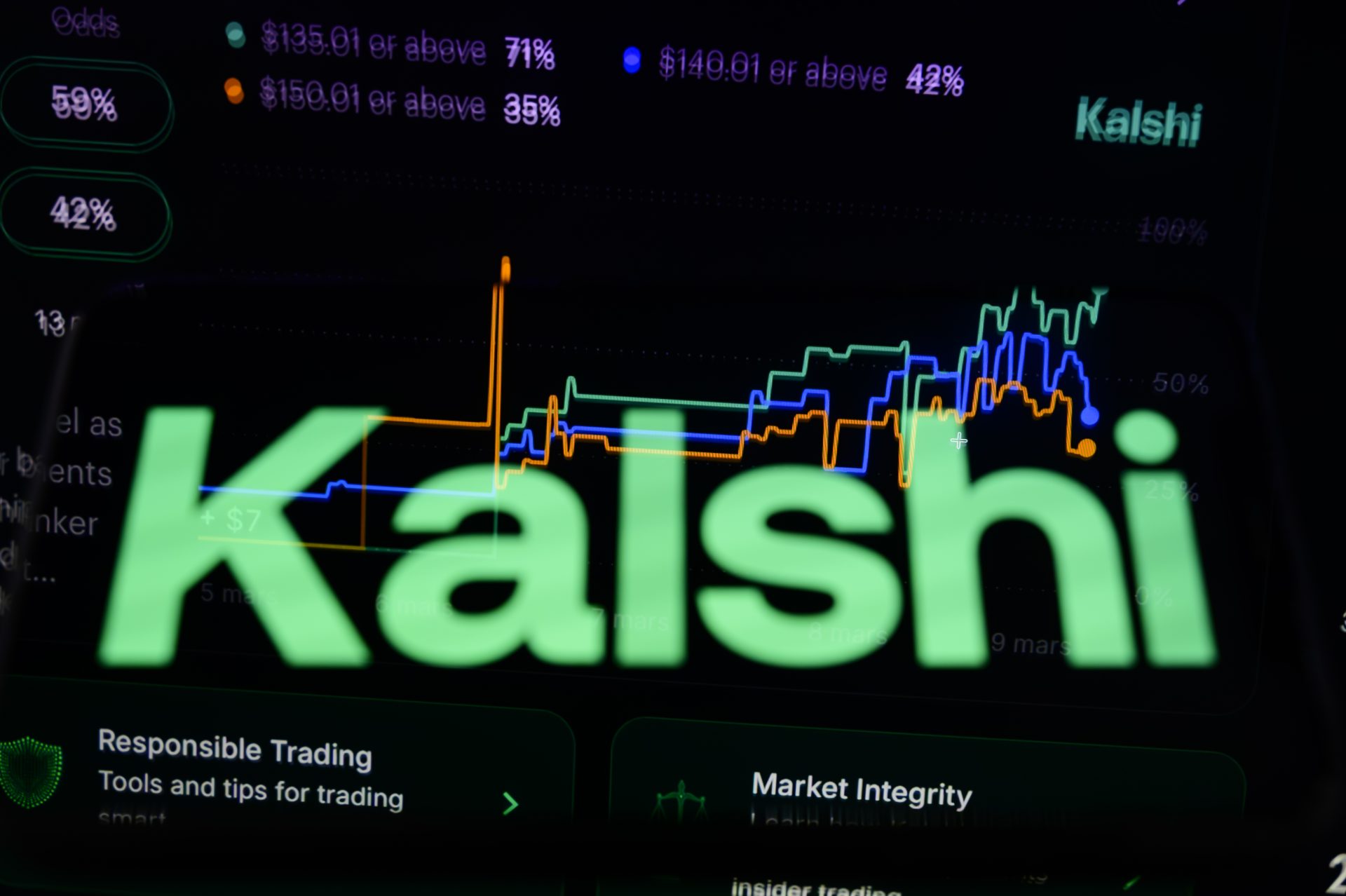
Kalshi's logo is displayed on a smartphone placed on a reflective surface onto which a betting curve is projected in Creteil, France, on March 9, 2026, during a major scandal and a $54 million lawsuit concerning bets related to recent strikes in Iran. (Photo by Samuel Boivin/NurPhoto)NO USE FRANCE

Samuel Boivin/NurPhoto, Reuters

  • An Ohio federal judge ruled that sports event contracts offered by Kalshi are gambling, saying the court has an “obligation to avoid absurdity.” Ohio’s attorney general called the ruling a “Big win for Ohio” on social media, but any enforcement will likely have to wait—Kalshi has already appealed the decision.
  • A Michigan federal judge denied Polymarket’s request to temporarily bar officials from enforcing state gambling laws, saying there’s “no logical way” sports event contracts should be considered swaps. A swap is a contract in which two parties exchange money based on how something else changes; swaps generally fall under the authority of the Commodity Futures Trading Commission, which has stated it should oversee prediction markets. 
  • The Polymarket ruling doesn’t bode well for Robinhood, which wants Michigan officials to be temporarily prohibited from enforcing state gambling laws against its sports event contracts. Robinhood’s suit was just reassigned to the same judge who is handling the Polymarket case.
  • Kalshi preemptively sued Iowa’s gaming regulator to stop it from enforcing state gambling laws, saying there is “substantial risk” the attorney general will seek to prohibit Kalshi from offering sports event contracts in the state.

Editors’ Picks

WNBA, WNBPA Talks Go Late Into Second Night

by Annie Costabile
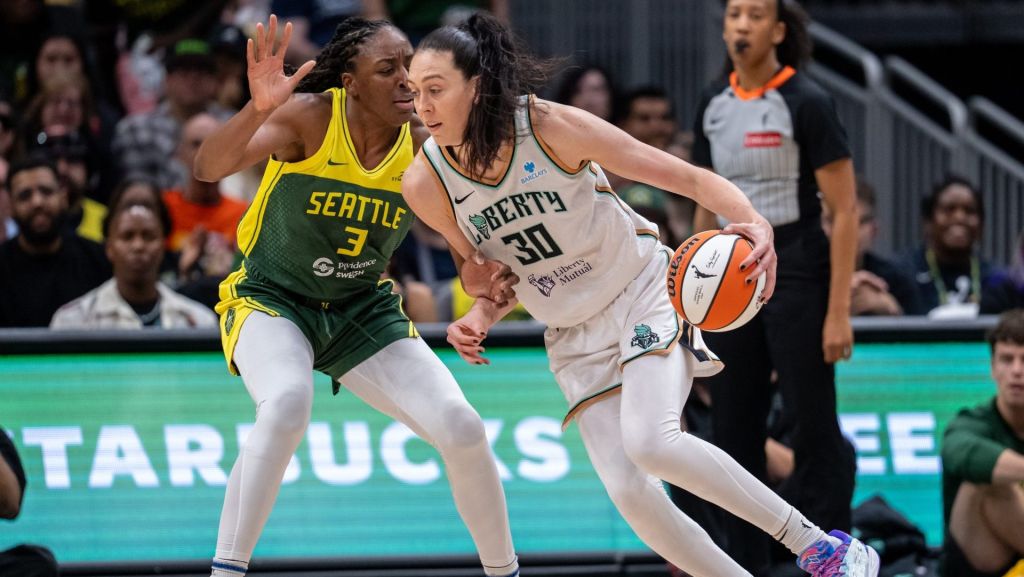
Players left the meeting at midnight Wednesday; no deal had been reached.

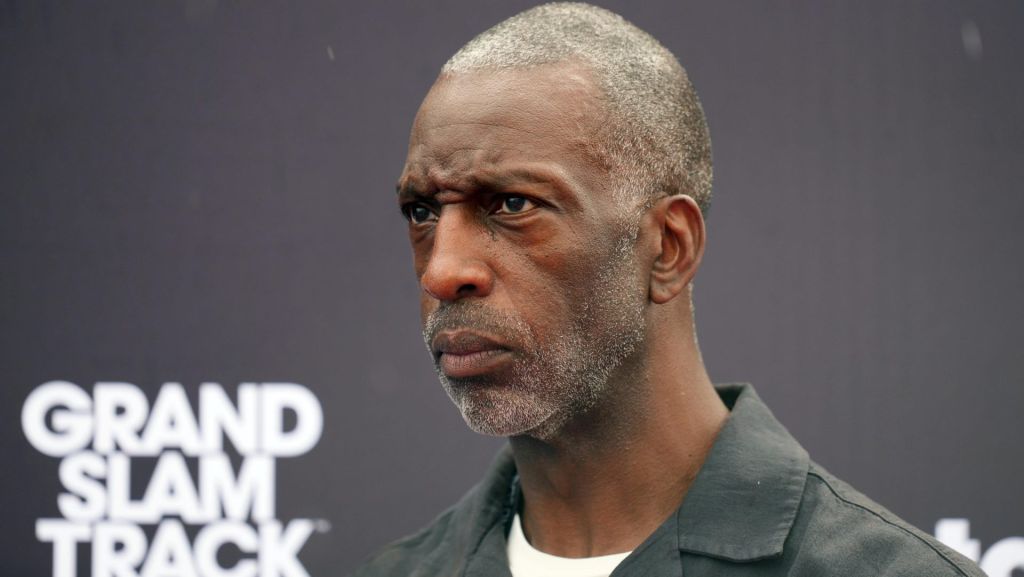
Michael Johnson Accused of Fraud in Grand Slam Track’s Collapse

by Margaret Fleming
Vendors are looking to sue Johnson and Winners Alliance for millions.

Ryan Reynolds and Rob Mac Are Trying to Build Wrexham 2.0 in Colombia

by Ben Horney
“The Wrexham story is an inspiration.”
Events Video Games Shop
Written by Ben Horney
Edited by Lisa Scherzer, Catherine Chen

If this email was forwarded to you, you can subscribe here.

Update your preferences / Unsubscribe

Copyright © 2026 Front Office Sports. All rights reserved.
460 Park Avenue South, 7th Floor, New York NY, 10016

Subscribe To Our Daily Newsletters

  • This field is for validation purposes and should be left unchanged.