Afternoon Edition |
January 16, 2026 |
|
|
With Kyle Tucker joining the Dodgers, MLB’s payroll divide keeps growing—and that gap is setting the stage for a high-stakes fight over competitive balance and labor.
—Eric Fisher, David Rumsey, and Griffin Senyek
|
|
|
|
Kamil Krzaczynski-Imagn Images
|
Baseball’s mightiest team is getting mightier still, and it potentially holds large-scale implications for upcoming labor negotiations between MLB owners and players.
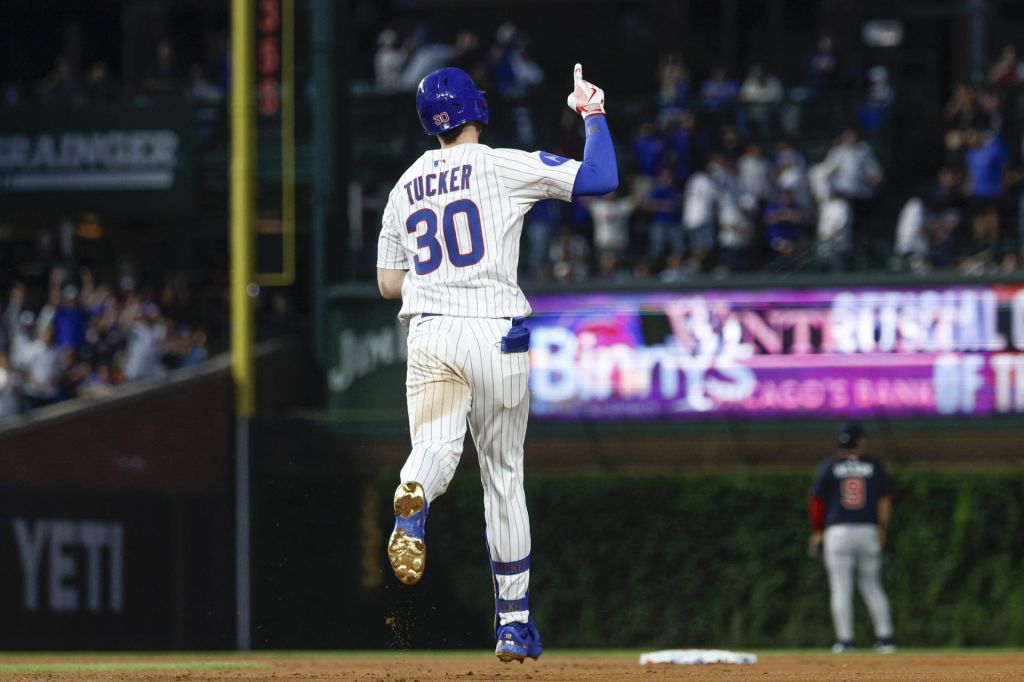
The Dodgers, MLB’s two-time defending champions, have struck a four-year, $240 million pact with outfielder Kyle Tucker, the consensus top available player in free agency this offseason. The deal has only $30 million in deferrals in a divergence from common team practice, and it has an average annual value of $57.18 million for luxury-tax calculations—topping Mets outfielder Juan Soto for the top present-day outlay in the league.
Los Angeles, meanwhile, now has a 2026 luxury-tax payroll of $413.6 million before final salaries are set for pre-arbitration and arbitration-eligible players. That is 30% higher than the league’s No. 2 spender, the Mets. The Dodgers also now have more than $2.1 billion in total guaranteed compensation commitments, 67% larger than the second-largest MLB team on that list, the Padres.
Tucker will join a star-studded Dodgers team that already includes Shohei Ohtani, Mookie Betts, Freddie Freeman, and Yoshinobu Yamamoto, among many others, and Los Angeles fended off many other suitors for the former Cub and Astro, including the Mets and defending AL champion Blue Jays. The Tucker contract includes player opt-outs after the second and third years.
Bargaining Matters
To be clear, the Dodgers remain fully compliant with the current collective bargaining agreement between the owners and players, which expires Dec. 1. This year’s massive payroll, following 2025’s final outlay of $417.3 million, will carry a hefty luxury-tax bill late this year—one that the team plans to pay willingly.
For last season, Los Angeles paid $169.4 million in luxury tax, by far the most in MLB. That’s 85% more than the No. 2 payer, the Mets, and a sum more than the 2025 payrolls of 12 MLB clubs. The money is used in part to fund player benefits and retirement accounts, as well as for a supplemental commissioner’s discretionary fund.
The forthcoming season will bring many of the same trends—but at amplified levels.
The still-growing economic difference between the Dodgers and the rest of MLB is all but certain to escalate the calls for the league to level the economic playing field. Several team owners, most notably the Rockies’ Dick Monfort, have already been on record in favor of a salary cap or another cap-like structure.
In part because of that, the union has long feared that owners will propose a cap in upcoming talks that are expected to be fractious. MLB commissioner Rob Manfred has consistently said that management has not yet finalized its first bargaining proposal to the players. What Manfred and the owners have started to communicate, though, is a growing competitive balance issue they are increasingly hearing about from fans.
“We have a significant segment of our fans that have been vocal about the issue of competitive balance, and in general, we try to pay attention to our fans, so it is a topic of conversation,” Manfred said in November.
The Tucker deal and the ongoing dominance of the Dodgers, meanwhile, only increase the tension surrounding the labor situation.
“The biggest issue to think about is not that the Mets came in second or that Toronto came in second [for Tucker],” said former Marlins president David Samson on his show, Nothing Personal. “Your focus should be on what does this mean for the industry? … Will there be [at least] eight owners who get together and demand change?”
Samson’s comment refers to the 75% threshold in ownership votes needed to pass many league matters, including with labor. A coalition of at least 8 of 30 club owners is sufficient to block passage of a proposal.
|
|
|
|
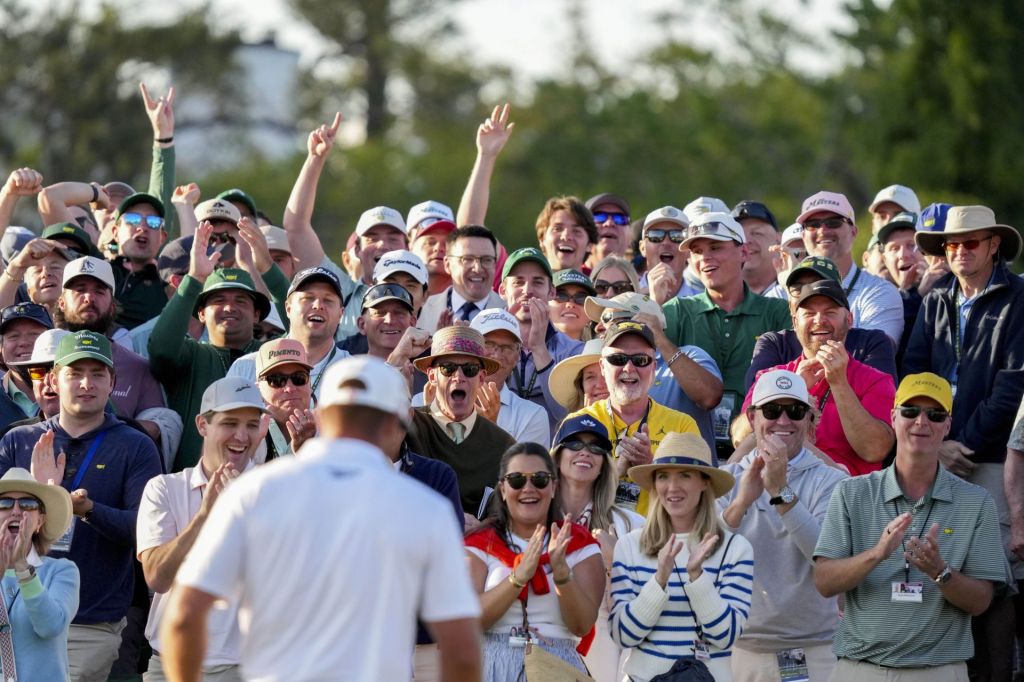
One year after The Masters instituted a severe crackdown on ticket resellers for golf’s most prestigious tournament, SeatGeek has stopped selling tickets to the 2026 tournament.
The Masters landing page on SeatGeek’s website simply reads “Bummer! There aren’t any events,” with no listings available.
A source familiar with SeatGeek’s operations confirmed to Front Office Sports that the combination of Augusta National Golf Club tightening restrictions on resold tickets and the significant on-site operational lift required to support Masters badges led the company to decide to bow out this year.
All Masters tickets are physical badges—either lanyard or paper passes that must be displayed around a person’s neck or on their belt loop, wrist, etc.—distributed directly by Augusta National, with strict rules against reselling. But those rules were never very rigidly enforced until last year.
“As a reminder, Augusta National, Inc. is the only authorized source/seller of Masters® Tickets,” the official Masters website reads. “The resale of any Masters Ticket is strictly prohibited. Holders of Tickets acquired from third parties, by whatever means, may be excluded from attendance to the Tournament.”
Some SeatGeek sellers received an update from the company about The Masters; the notice was shared on Twitter by ticketing insider Scott Friedman. “SeatGeek will not be selling tournament badges or practice round tickets for the 2026 Masters, and will not be on site for the event,” the notice read. “We appreciate your support as a seller on SeatGeek and will reassess our approach for the 2027 Masters at a later date.”
SeatGeek declined to comment for this story.
Masters Resale Market Still Booming
Other major secondary ticketing platforms still have 2026 Masters tickets listed right now, although some indicate there is limited availability.
StubHub listings have a notice that there are “only 1% of tickets left.” Most Vivid Seats listings say there are fewer than 10 tickets left.
Resale prices on those platforms range from roughly $2,000 for the Monday practice round to $15,000 for some competition days. TickPick lists a four-day tournament pass for about $20,000.
StubHub and Vivid Seats did not respond to requests for comment on any potential changes they’ll make in the wake of SeatGeek’s move. TickPick declined to comment.
How We Got Here
During the 2025 Masters, hundreds of ticket holders were pulled aside by Augusta National Golf Club representatives and questioned about where they bought their tickets and whether they had a direct personal connection to the original badge holder.
Many had their passes voided for the weekend on the spot.
At the time, sources in the ticketing and hospitality business widely believed it was part of preparations for big changes to the Masters ticketing process coming in 2026, including a larger role for hospitality giant On Location.
Meanwhile, The Masters has increased ticket prices for the 2026 tournament. Passes for Thursday through Sunday cost $160 each, up from $140 last year. Practice-round tickets cost $150 for Wednesday (which includes the famous par-3 contest) and $125 for Monday and Tuesday, up from $100 for all practice-round tickets in 2025.
|
|
|
|
|
John E. Sokolowski-Imagn Images
|
Under new ownership, the Rays have locked in on a site for a new stadium, and it’s back in Tampa. The move could finally end decades of uncertainty around the franchise.
The board of trustees for Hillsborough College in Tampa is set to hold a special meeting Tuesday afternoon for a ballpark proposal at the institution’s Dale Mabry Campus, located near Tampa International Airport, Raymond James Stadium, and George M. Steinbrenner Field, the spring training home of the Yankees.
The agenda for the meeting calls for a vote to enter a nonbinding memorandum of understanding with the Rays in which the club would use a portion of the Dale Mabry Campus land for a stadium and mixed-use development. The college said “the project as proposed would result in a major transformation of many aspects of the Dale Mabry Campus.”
Approval would set in motion negotiations toward more formal land-use and project agreements. Many critical details, including funding for the ballpark and the future of the college, are not yet finalized. (Hillsborough is a public community college in Florida’s state system with five campuses in the Tampa area.)
If struck, though, a deal with Hillsborough College would set in motion a dramatic new era for the club, now under the ownership of a group led by Jacksonville developer Patrick Zalupski. Since taking the club’s reins in late September, the Zalupski group has sought to rebuild a stadium pursuit that was grounded under former majority owner Stu Sternberg.
Last March, Sternberg walked away from a deal with St. Petersburg, Fla., and Pinellas County to build a $1.3 billion stadium, citing political delays and the likelihood of additional costs. That move enraged local politicians, and Sternberg sold the club in a $1.7 billion deal months later.
Like many others in the business of sports, Zalupski and the Rays are seeking to mimic the mixed-use development aspects of The Battery, the highly successful complex surrounding the Braves’ Truist Park.
The Hillsborough College plan could certainly fit that bill. The campus has about 108 acres and available space for the expansive vision that Zalupski and the Rays have.
Rays fans are also now accustomed to going to that area for games, as Steinbrenner Field served as a temporary home for the club in 2025 while Tropicana Field underwent repairs from hurricane damage. That ballpark in St. Petersburg is set to reopen for the 2026 season and will house the Rays until the new facility is built. The club intends to open a new ballpark in 2029, after the expiration of the lease with St. Petersburg for the city-owned Tropicana Field.
|
|
|
|
|
Jasen Vinlove-Imagn Images
|
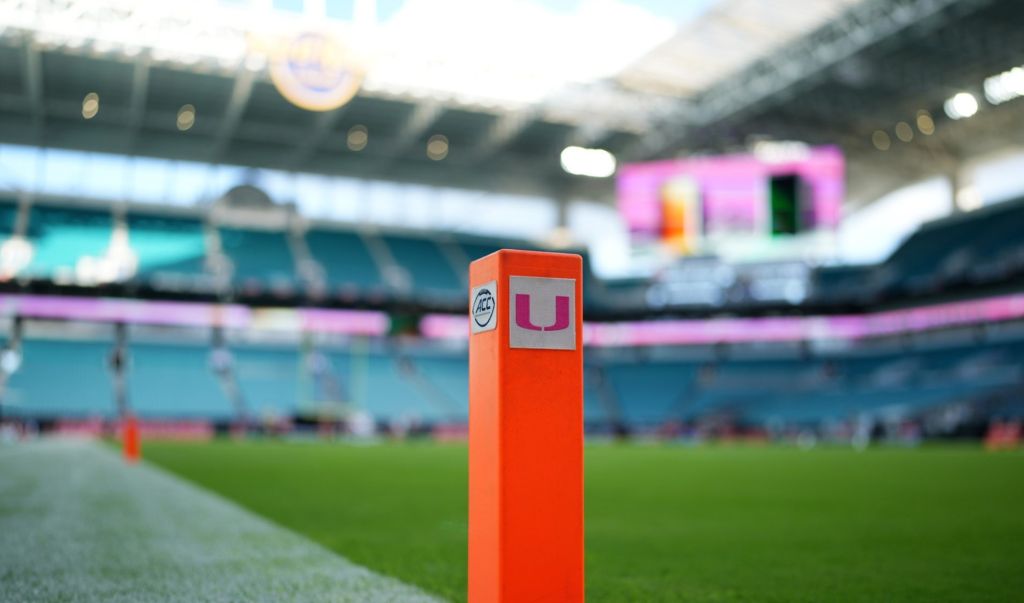
Time is running out for fans to get tickets to the College Football Playoff title game, and those hoping for prices to fall continue to be out of luck.
Prices were trending downward earlier in the week, with the get-in price dropping below $3,000 on Wednesday on StubHub, TickPick, and Ticketmaster. They reached a low of $2,760 on StubHub on Thursday morning. Then on Friday morning, prices started going up again, with $2,915 being the cheapest ticket available across ticket reselling sites.
Who’s Buying Them?
Tickets to the game have been primarily purchased by Florida locals, with TickPick reporting that 32.2% of purchases have come within the Sunshine State. The ticket platform has also seen a high number of purchases from the Midwest, with 17.4% buying from Indiana and 11.6% from Illinois.
The Miami-Indiana ticket continues to be the most expensive in CFP history by a significant margin, and there’s no evidence that fans should expect them to drop much further.
Hard Rock Stadium’s 65,000-seat capacity is not enough to satisfy the demand for tickets, given the circumstances of the two finalists. Indiana is looking to win its first national championship and has the largest living alumni base in the U.S. Hard Rock Stadium in Miami Gardens is also home to the Hurricanes, making it a relatively short drive for lots of fans who are looking to see their team play for its first championship since 2001.
Parking Fees Skyrocketing, Too
On top of trying to get into the stadium to see the game, fans also have to pay high fees to park their vehicles. For fans looking to park in a lot adjacent to the stadium and not have to take a shuttle, the cheapest parking pass is $360 on StubHub. Passes for those willing to park farther away from the stadium start at $117.
The price of tickets will continue to be a topic of discussion until kickoff, with notable alums of the two schools, like Mark Cuban (Indiana) and Michael Irvin (Miami), weighing in on the high demand. Fans will have to continue to hope that prices fall if they wish to attend the game.
|
|
|
|
|
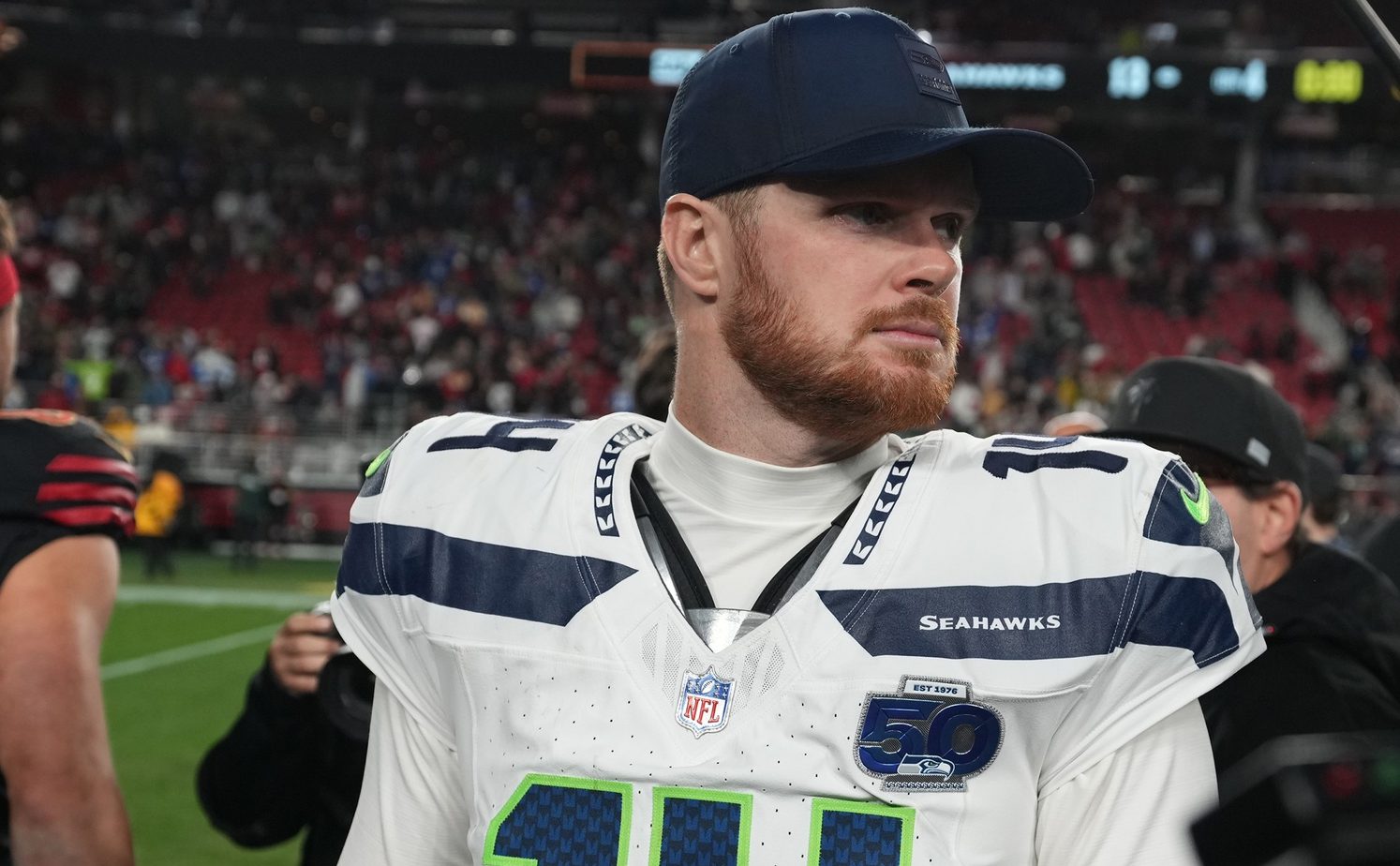
Sam Darnold ⬆⬇ The Seahawks quarterback is now listed as questionable for Saturday’s home playoff game against the 49ers after being added to the injury report with an oblique injury. Darnold spoke to the media, saying he expects to play and there’s “close to 0% chance” of missing the game. However, offensive coordinator Klint Kubiak said that backup quarterback Drew Lock took some first-team reps with Darnold, who was limited at practice.
4Aces ⬆ Dustin Johnson’s LIV Golf team has added yet another team deal on Friday ahead of the 2026 season. Celsius is now the official energy drink of the 4Aces, which will sport new Celsius-themed golf bags during tournaments. This comes a day after Under Armour was officially announced as the team’s new apparel provider. “We’re trying to be the sexy, cool team that’s out there, and I feel like we’ve got a foot in the right direction,” 4Aces GM Chris Rosaasen tells Front Office Sports.
Knicks ⬇ New York lost 126–113 to the Warriors, dropping its second game in as many days. The Knicks are 3–7 in their last 10 and are currently playing without Jalen Brunson, who sustained an ankle injury in the team’s loss to the Kings on Wednesday.
Mitch Marner ⬆ The Golden Knights won their second straight game in overtime, this time against the Maple Leafs. The right winger made an impact in his first game against his former team of nine years, registering two assists and one blocked shot.
|
|
|
Can you list the last five NFL teams to move (major cities)?
|
|
PLAY NOW
|
|
|