Read in Browser

Front Office Sports - The Memo

Morning Edition

December 30, 2025

With no NFL games in sight, this week’s College Football Playoff quarterfinals offer top-10 matchups and $6 million on the line for each program advancing.

Meanwhile, sources tell FOS that Talor Gooch has agreed to a three-year LIV Golf extension, though questions around his ownership stake remain.

—Amanda Christovich, David Rumsey, and Ben Horney

The $6 Million CFP Quarters Get Clean TV Window Without NFL

Maria Lysaker-Imagn Images

After a first round of power conference upsets and Group of 6 losses, the CFP took a break over the week of Christmas. But the expanded postseason returns this week. 

The College Football Playoff quarterfinals will take place on New Year’s Eve and New Year’s Day, thanks to a contract that mandates the CFP format include New Year’s Six bowl games.

For the second year in a row, four New Year’s Six bowl games will serve as the hosts for the CFP quarterfinals, and two will host the semifinals. 

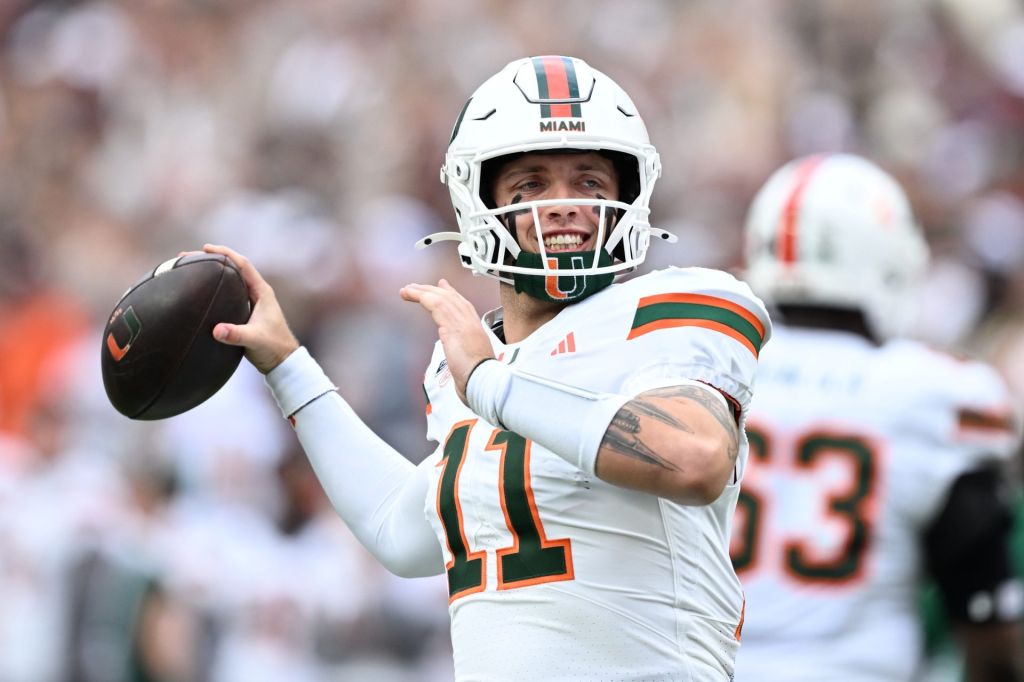
  • On New Year’s Eve, No. 10 Miami will face off against No. 2 Ohio State in the Cotton Bowl.
  • The first quarterfinal on New Year’s Day will be the Orange Bowl, featuring No. 5 Oregon and No. 4 Texas Tech.
  • The Rose Bowl will feature No. 9 Alabama and No. 1 Indiana.
  • The nightcap will be the Sugar Bowl between No. 6 Ole Miss and No. 3 Georgia.

Next week, the Peach Bowl and Fiesta Bowl will host semifinals on Jan. 8 and 9.

Fewer Ratings Hurdles

The first round of the CFP drew an average of 9.9 million viewers across ESPN and TNT platforms, 7% lower than the first round last year. That’s thanks in part to direct competition against the NFL, as well as lower viewership numbers for the two games that featured Group of 6 programs.

There won’t be any Group of 6 teams or NFL overlap for the quarterfinals, however. And the matchups will feature all power conference programs ranked in the top 10. 

But they’ll have stiff numbers to compete against compared with last year’s quarterfinals, which averaged 16.9 million viewers across platforms—despite the delayed Sugar Bowl.

Prize Money Increase

The CFP offers about $116 million in overall prize payouts to teams based on how far they advance in the postseason. These payouts are distributed to each conference.

Up until this point, all the teams playing this week have earned a total of $8 million—$4 million for getting into the CFP, and $4 million for advancing to the quarterfinals. (The top four ranked conference champions were also guaranteed $8 million as a compromise for changing how bye weeks were distributed last year, so Tulane earned $8 million even though the Green Wave lost in the first round.)

But this week, the schools are playing for a bigger prize. The price tag increases to $6 million for every program that reaches the semifinals, and teams will earn another $6 million for making it to the national championship. 

FRONT OFFICE SPORTS LIVE

Your Big Game Week With FOS

Heading to San Francisco in February? Front Office Sports has your schedule set for the full week. 

Monday through Friday, you can find FOS at Radio Row in Santa Clara, where we’ll be interviewing the biggest names in sports and entertainment. Be sure to check out our coverage on social and highlights on FOS Today.

On Friday, we will be teeing off for the second annual Breakfast Ball. Hosted by 49ers legends Joe Montana and Jerry Rice at the famous TPC Harding Park. Interested in joining? Request to attend.

On Saturday morning, reset for your weekend with FOS and Sheppard Pratt. Join us for exclusive thought-leadership conversations on mental health and sports paired with a rejuvenating brunch—designed to spark inspiration and set the tone for an excitement-filled Sunday. More details coming soon.

Stay on the lookout for more updates as Super Bowl week approaches, and sign up for our event emails to be the first to know about the latest updates.

Gooch Getting LIV Extension, but Ownership Stake Unresolved

The Indianapolis Star

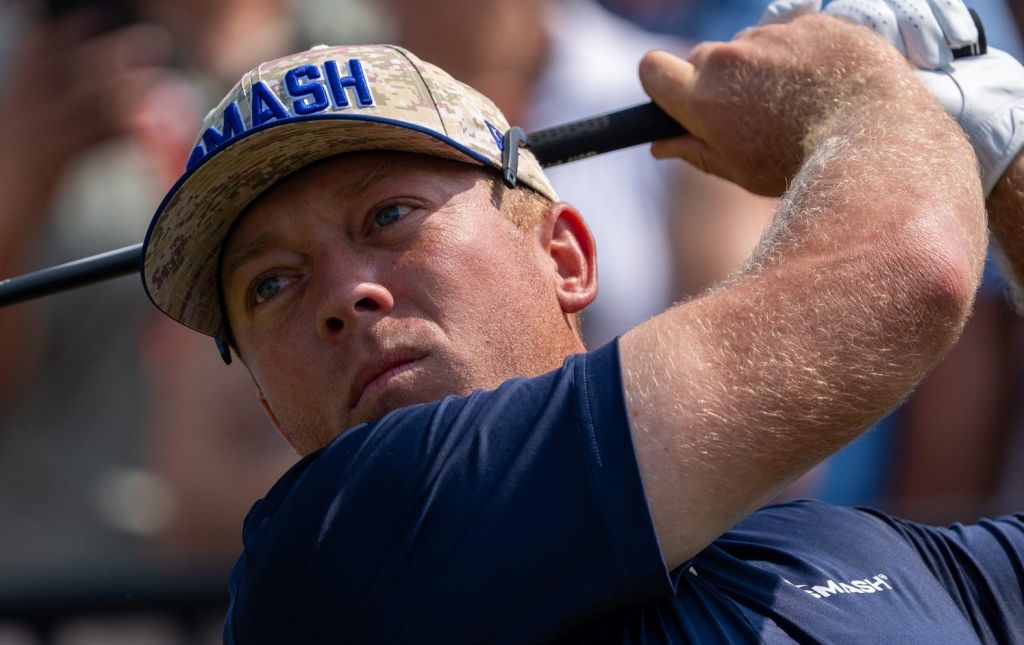
Talor Gooch has agreed to terms on a three-year contract extension with LIV Golf, a source with knowledge of the negotiations tells Front Office Sports.

The new deal could be announced before LIV’s 2026 season begins in February, and it comes in the wake of Gooch being named captain of the Smash GC team following Brooks Koepka’s departure from LIV with one year left on his own contract.

Gooch joined LIV in 2022, reportedly receiving an eight-figure signing bonus, but his initial four-year contract expired after the 2025 season. The 34-year-old has made more than $50 million in individual earnings at LIV, more than five times the $9.27 million he made on the PGA Tour. In 2023, he won LIV’s individual championship, which came with an $18 million bonus.

With Koepka leaving LIV, Smash GC has one open roster spot to fill alongside Gooch, Jason Kokrak, and Graeme McDowell. The team finished fourth (out of 13 teams) in the final 2025 season standings, taking home a $4 million team bonus.

“I am incredibly honored and excited to officially take on the captaincy role for the 2026 season,” Gooch said in a statement last week. “I’m excited and ready to embrace this new leadership and career challenge.”

Equity Questions Linger

Still to be determined is what will happen with Koepka’s 25% equity stake in Smash GC. The original structure for LIV gave player captains 25% ownership of their teams, with the league owning the other 75%. There is no public valuation on Smash GC or other LIV teams.

Gooch has used his LIV earnings to invest in other professional sports entities with his business partners in recent years, acquiring the Professional Bull Riders franchise Oklahoma Wildcatters, and the Sport Fishing Championship’s Mississippi Blues Angling Club. Gooch has also invested in the Bare Knuckle Fighting Championship.

Many contracts for players who left the PGA Tour to join LIV expired after the 2025 season or are set to next year. Sergio Garcia, captain of Fireballs GC, announced a multiyear extension with LIV earlier this month, while Bryson DeChambeau, captain of Crushers GC, recently said negotiations for his own new deal are ongoing.

LIV did not comment for this story.

Chiefs Exit Leaves Missouri With Arrowhead Demolition Dilemma

Denny Medley-Imagn Images

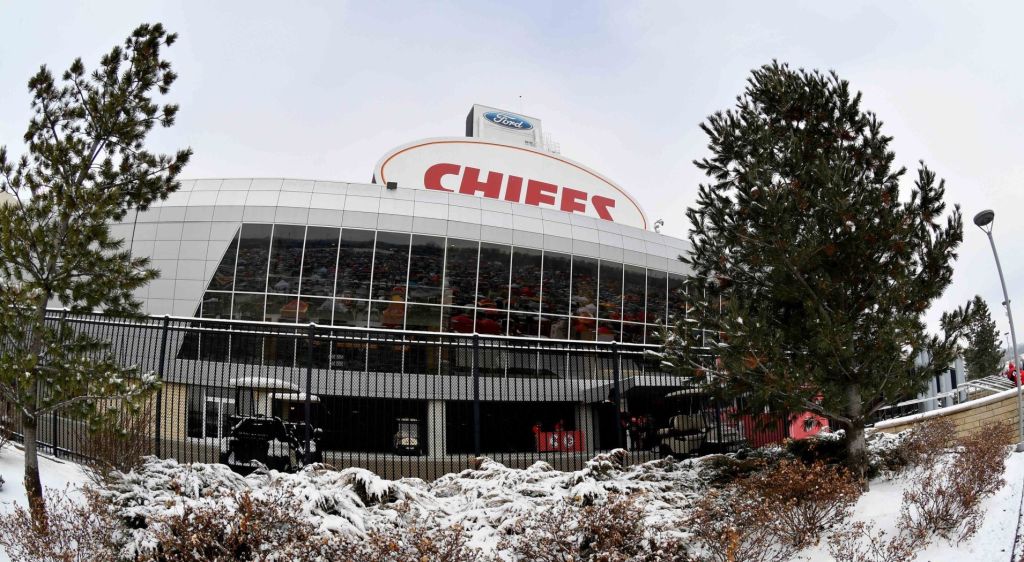
The Chiefs will play at Arrowhead Stadium through the 2030 season before their planned move to Kansas, but it remains uncertain what will happen to the iconic venue when the NFL team’s lease expires in January 2031.

Arrowhead Stadium has been the home of the Chiefs since 1972—the team has won 14 of 22 playoff games it has hosted—but its future beyond the NFL is unclear. The stadium is owned by Jackson County through an entity called Jackson County Sports Complex Authority, which will have to decide whether to maintain the facility or demolish it once the team departs for its planned $3 billion domed facility in Kansas that will be publicly subsidized. 

Missouri House majority leader Jonathan Patterson said last week during an interview on local radio station KCMO that ultimately, the county will be “on the hook” for either $20 million of annual maintenance or $150 million for a demolition.

“It is unbelievable what it costs to demolish those things,” he said. 

Missouri House of Representatives director of communications Ben Peters isn’t sure where those numbers came from, but tells Front Office Sports via email, “It will be interesting to see what steps are taken going forward.”

“Next week, Missouri starts its legislative session here in Jefferson City, and there’s a pretty good chance that someone will be filing legislation that would put departing teams on the hook for demolition costs in some fashion,” Peters says.

State Sen. Rick Brattin has already signaled plans to do just that. He issued a statement Dec. 22 calling the Chiefs’ departure “deeply disappointing and profoundly disrespectful” to Missouri taxpayers. He also said he intends to file legislation that would require any professional sports team that leaves a publicly funded stadium to “pay one percent of the total demolition cost of that stadium for every year the team used it.” 

Patrick Tuohey, senior fellow at the St. Louis-based Show-Me Institute, says officials should take the immediate financial hit to tear down the stadium rather than risk decades of maintenance costs that may never be recouped—underused sports venues that become financial burdens are known as “white elephant stadiums.” 

Another White Elephant?

“My fear is that it’ll be like the Edward Jones Dome in St. Louis,” Tuohey tells FOS. “They did not tear that down. They tried to use it to host events, and it will just become another failed project that does not generate enough revenue to pay for itself.”

The Edward Jones Dome was the former home of the St. Louis Rams, before they moved to Los Angeles after the 2015 NFL season. Now called The Dome at America’s Center, it is publicly owned through the St. Louis Regional Sports Authority and is operated by the St. Louis Convention & Visitors Bureau. It still hosts events—legendary rock band AC/DC and country music star Zach Bryan are both scheduled to perform there in 2026—but it has struggled financially. In August, a state auditor report found that it is not prepared for the upkeep costs that will be required going forward; while it will need roughly $155 million in repairs and maintenance over the next decade, the St. Louis Regional Sports Authority only has about $88 million in cash—leaving a $67 million shortfall. 

Tuohey is concerned that public officials will “overreact” to the loss of the Chiefs by making an offer to keep the state’s MLB team. The Royals are also seeking a new facility—their lease at Kauffman Stadium expires after the 2030 season. Kansas City Mayor Quinton Lucas has already made clear his intention to fight to keep the Royals in Missouri, saying in a statement last week that “our unified, hardworking, and exceptional team will continue our strong efforts as we work to retain the Kansas City Royals in a transformational downtown facility.”

What just happened with the Chiefs will undoubtedly “inform the next deal,” according to Tuohey.

“Nobody wants to be the governor or mayor who loses a team,” he tells FOS.

Representatives for Patterson, the NFL, the Chiefs, and the Jackson County Sports Complex Authority did not immediately respond to requests for comment.

Editors’ Picks

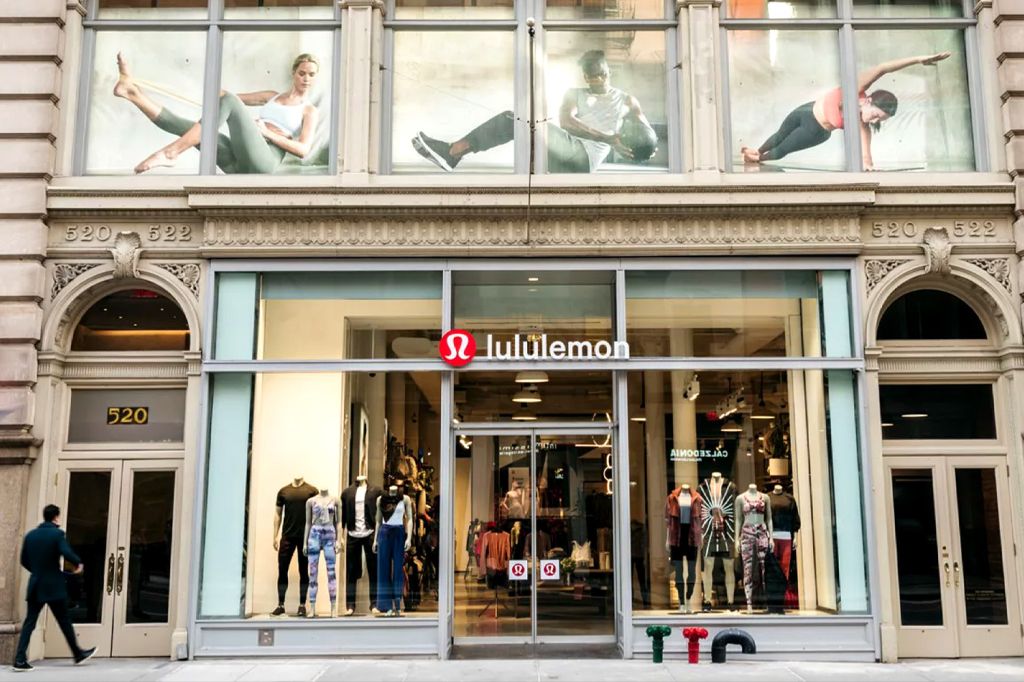
Lululemon Founder Mounts Board Challenge With Former On CEO

by Ben Horney
Chip Wilson says “visionary creative leadership” is desperately needed at Lululemon.

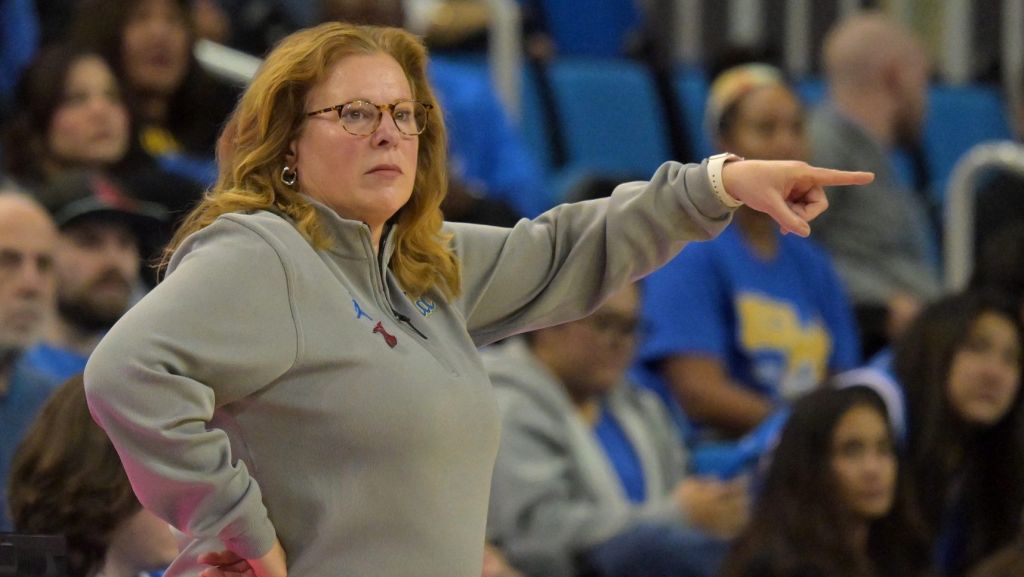
‘No Media Here’: UCLA Women’s Basketball Coach Rips Lack of Coverage

by Margaret Fleming
Her comments started a wider debate about women’s college hoops coverage.

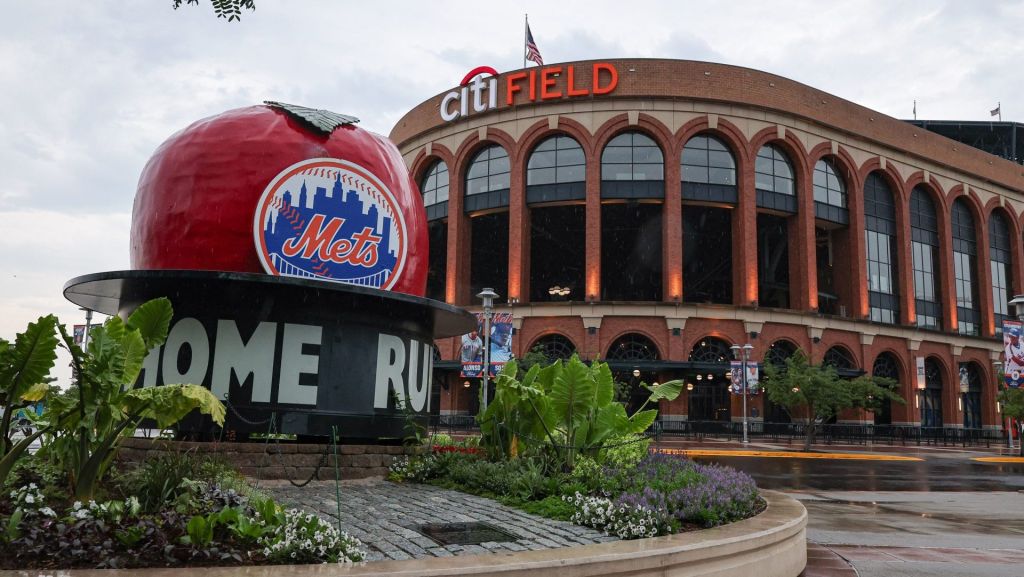
Can the Mets Avoid 2025’s Spectacular Failure?

by Alex Schiffer
The team lost its four longest-tenured players in the offseason.

Question of the Day

Do you plan on watching any of the College Football Playoff quarterfinal games?

 Yes   No 

Monday’s result: 77% of respondents said former professional athletes should not be allowed to play college sports.

Advertise Awards Learning Events Video Show
Written by Amanda Christovich, David Rumsey, Ben Horney
Edited by Matthew Tabeek

If this email was forwarded to you, you can subscribe here.

Update your preferences / Unsubscribe

Copyright © 2025 Front Office Sports. All rights reserved.
460 Park Avenue South, 7th Floor, New York NY, 10016

Subscribe To Our Daily Newsletters

  • This field is for validation purposes and should be left unchanged.