


SAN FRANCISCO — The NFL’s dramatically remade Pro Bowl Games, held inside a convention center, were pretty much unlike any other league event ever. At least that much is certain.
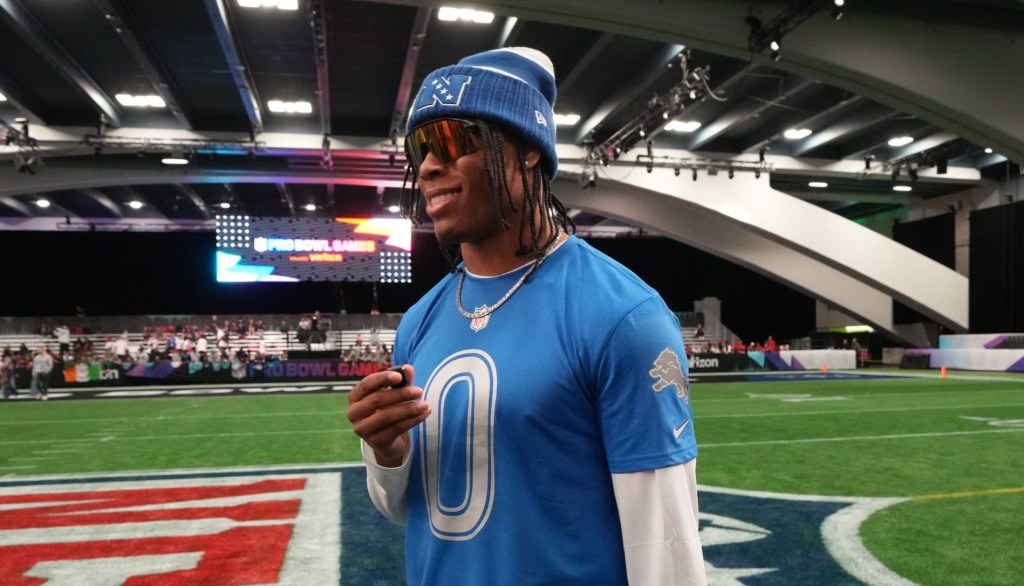
The league carried out Tuesday the latest attempt to reinvigorate its long-struggling all-star showcase, converting its flag football competition to an indoor setting at the Moscone Center—also the site of many of its activities this week around Super Bowl LX.
The Pro Bowl Games have centered around flag football, leaning into another key NFL priority, since 2023. This year’s event, however, featured another dramatically remade approach with a new midweek timing during the run-up to the Super Bowl, and a new setting with a custom-built, indoor field instead of a traditional stadium locale.
The smaller footprint meant that there was only an invitation-only audience of about 2,000, leaving the Pro Bowl Games as much more of a made-for-TV event. Those fans who were there, though, did get visibly enthused at multiple points, particularly scoring players.
Even compared to domed stadiums, there was a palpable feeling of tightness to the proceedings, as the Moscone Center roof is only 37 feet over the field, with arches extending even lower at several points. The NFL is using the venue for a variety of other events during Super Bowl week. There was no kicking in the game.
The NFC won a frenetic, back-and-forth contest over the AFC by a 66–52 score.
Will It Work?
The new venue and timing for the Pro Bowl Games, developed after consultation with players, are designed to inject further life into the event and also allow more star players to be a part of Super Bowl week.
To a fair degree, that worked, and a competitive spirit among the participating players was still palpable. That contrasted sharply with some of the non-contact activity in the original, tackle-football format of the original Pro Bowl.
There were still pre-event complaints in some corners, however, as the AFC quarterbacks for the game included Bengals’ Joe Flacco, now 41 years old, and the Browns’ Shedeur Sanders, the conference starter despite playing in just eight games this season. The conference’s three initial quarterback picks for the Pro Bowl Games—the Patriots’ Drake Maye, Bills’ Josh Allen, and Chargers’ Justin Herbert—are either playing in the Super Bowl or are recovering from injuries.
Viewership metrics from the game, shown on ESPN, won’t be available until later in the week. When the figures do arrive, they will be a critical indicator of the effectiveness of the latest moves—particularly since the in-person component was so dramatically reduced.
The 2025 Pro Bowl Games averaged 4.7 million viewers, down 18% and the third straight annual decline. Given the NFL’s dominance over not only the rest of sports but all of U.S. television and culture, the continued viewership struggles of the Pro Bowl and then the Pro Bowl Games remain a significant outlier. That television audience for last year’s event was less than two-thirds of the comparable 7.2 million average for MLB’s 2025 All-Star Game in July.
Even with flag football remaining a critical NFL priority and the sport set to be played in the 2028 Summer Olympics, some are still predicting that the again-remade format for the Pro Bowl Games is the beginning of the end.
“The moment the Pro Bowl Games become big enough strain on the bottom line, they’ll go the way of the surprise onside kick,” wrote ProFootballTalk’s Mike Florio. “And so the message is clear. If you don’t like the Pro Bowl Games, don’t watch. If enough people don’t, the Pro Bowl Games will inevitably be put out of everyone’s misery.”