

Read in Browser

Front Office Sports - The Memo

Sunday Edition

February 22, 2026

POWERED BY

The 2026 Winter Olympics close Sunday after a busy—and slightly scandalous—19 days of events. The final big draw is the men’s ice hockey gold-medal game, where the U.S. and Canada will face off in front of millions of viewers. Milan Cortina delivered for both fans and NBC, and its success tees up a potentially huge 2028 Summer Games in L.A.

—Eric Fisher and Meredith Turits

Olympics Wrap Up

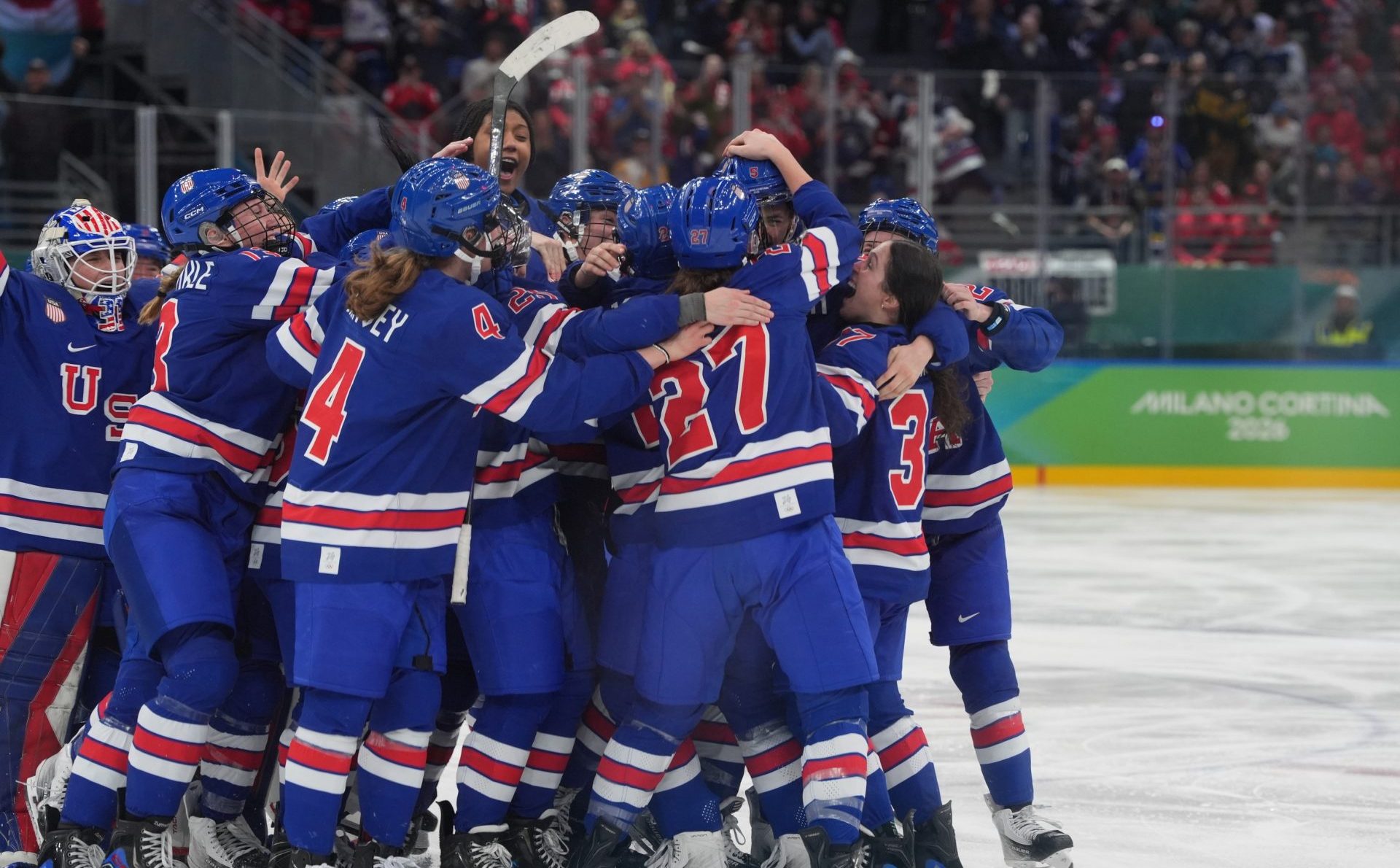
  • The U.S. took gold against Canada in women’s hockey, a rivalry that played out with a dramatic overtime game. Read the story.
  • Ski mountaineering, a new Olympic event, charmed audiences with the help of its TikTok hype man. Read the story.
  • The IOC was aggressive in taking down content on YouTube and social media platforms during the games with a monitoring system. Read the story.
  • Snoop Dogg was everywhere, and his alt-cast during Team USA’s men’s hockey quarterfinal matchup against Sweden joined a growing broadcast trend. Read the story.

NBC Finds Olympic Gold In Italy

Feb 19, 2026; Milan, Italy; Team USA celebrates winning the Gold Medal in Women’s ice hockey against Canada in overtime of the women's ice hockey gold medal game during the Milano Cortina 2026 Olympic Winter Games at Milano Santagiulia Ice Hockey Arena

Amber Searls-Imagn Images

NBC and parent company Comcast had high hopes—and an aggressive strategy—for more than a year regarding the 2026 Winter Olympics in Italy. Combined with its coverage of Super Bowl LX and the NBA All-Star Game, the network developed a “Legendary February” initiative designed to reach all sorts of new ground on viewership, ad sales, and production.

As we hit the closing ceremony, mission accomplished. Viewership is up 90% so far. Final results wil likely get a further boost with a favorable time-zone difference from the U.S., a refined programming strategy, and Nielsen measurement enhancements.

Team USA has been a competitive force, helping drive those audiences and a sense of national pride as it has challenged all-time medal performances in a Winter Olympics. Well-received elements such as drone cameras have pushed the Olympics coverage beyond prior expectations. The lead-in was also a major force in pushing the NBA All-Star Game to its own huge audience increase.

There’s no guarantee that the 2028 Summer Olympics in L.A. will pay similar dividends. But the same components that have made the Milan Cortina Games so successful will be in place—plus a home-country advantage, and an even more favorable time zone for U.S. viewers.

The full measure of what the 2026 Winter Games have meant to NBC will become even clearer when the last wave of audience results arrive, and again when Comcast reports its first-quarter earnings in April. The details will certainly matter, but the overriding theme is unquestionable: The Winter Olympics have been a massive hit.

SPONSORED BY TOYOTA

Greatness Moves Us

Advertisement

Toyota backs the journeys that shape athletes every day. From early-morning practices to road games and the long rides home, Toyota’s partnership with Team Toyota celebrates the dedication and belief that drive progress over time.

By supporting athletes like Erin Jackson, Jessie Diggins, and Andrew Kurka, Toyota highlights the commitment, momentum, and resilience required to compete at the highest levels—on and off the field of play.

Because every destination has a beginning.

Curling Clubs Are Swept Up in Olympics Fever. Can It Last?

Eric Bolte-Imagn Images

For about three weeks every four years, thousands of people become armchair experts in a sport they forget about thereafter.

Curling is the only event played all 19 days of the Winter Olympics. Viewers notice. In Milan, unprecedented Team USA success and a viral cheating scandal helped boost the U.S. profile of the sport that’s somehow both bewildering and bewitching. 

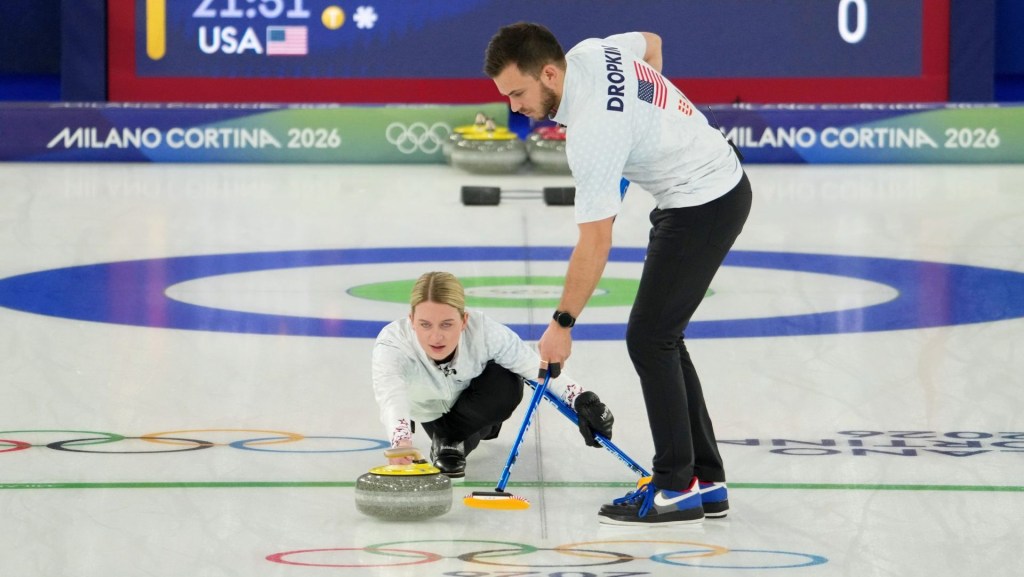
“When the Olympics comes around, the awareness of the sport just explodes again,” says Rich Collier, president of Broomstones Curling Club in Wayland, Mass. Broomstones is the home club of curler Korey Dropkin, who won silver in the mixed-doubles event with Cory Thiesse. “If you asked 100 people on the street what they are watching in the Olympics, 90 of them would say they’re watching curling.”

The Olympic boost is also very real for the roughly 200 curling clubs across the country. 

At Granite Curling Club of Seattle, last December’s wait list had six people on it. As of mid-February this year, 500 people are hoping to get into Learn2Curl at Washington’s only dedicated curling facility.

“We have a lot of faces at the club that are four to five years into curling, and they started because they saw it on the Olympics,” says Shannon Brown, a trustee on Granite’s board. Team USA curlers Ben Richardson and Luc Violette grew up practicing at the facility.

Since the games in Milan began, demand at Granite has also spiked 40% for its 90-minute corporate events ($550 per eight people plus an instructor). The club is clawing to get additional dates on the calendar to open more time on its five ice sheets for both its introductory and group events.

Each Winter Olympics propels a measurable four-year cycle, both Broomstones and Granite tell Front Office Sports. The lift can be significant, but following each closing ceremony, the sport sees interest and participation drop off—sometimes quickly.

“It’s a relatively short-duration bump,” Collier says. “It does seem to trickle off within about a month or two after that as spring rolls around.” Some curlers stay longer, though. Brown says some members who join during Olympic spikes continue with the club for a season or two, while “others catch the bug and become lifelong curlers.”

For however long they last, these bumps are meaningful revenue lifts for the clubs. But like many public curling organizations across the country, both Granite and Broomstones are nonprofits. Still, the cash infusion is essential to their sustainability.

No Stone Unturned

While many clubs are enjoying a temporary boost, The Curling Group (TCG) is trying to catch Olympic lightning in a bottle. The Toronto-based group’s portfolio includes the Grand Slam of Curling event series and its global media rights, which it purchased from Rogers Communications in 2024, as well as streaming curling platform Rock Channel. In April, TCG will launch the mixed-gender Rock League, the first global professional league for the sport. 

TCG is now gunning for $25 million from emerging league- and sport-focused investment groups in a Series A raise—an announcement timed during the Olympic fever, CEO Nic Sulsky tells FOS. The funding push follows an $11.3 million seed round completed in 2025, which counted NFL players George Kittle, T.J. Hockenson, and Hall of Famer Jared Allen as investors, as well as former NFL COO Maryann Turcke, who is also the executive chair of the TCG board.

Sulsky says its “unbelievably massive priority” is the U.S. market, where it has seen the most online engagement in curling from the 2026 Winter Games. He believes the U.S. offers the biggest sponsor and brand investment opportunities. 

He thinks the Milan moment will be stickier not only because of Team USA’s success, but also because athletes are seizing the Olympic window to gain traction on social media. He believes the visibility and overall platform of the sport is different this time with the 2026 Winter Games, and the response is “validating.” 

“It’s been an incredible moment for curling, and I think the world is starting to realize the potential that the roaring game has on the ice and off the ice,” Sulsky says. (He adds he is “not a curler” himself, but an entrepreneur whose background is in sports gambling and fantasy sports.)

Yet Collier says even as the sport climbs in popularity, its growth is stuck between a rock and a hard place.

The number of facilities is limited and relatively small; Broomstones, with four ice sheets and about 450 members, is one of the five largest clubs on the East Coast. Entirely volunteer-run, it has been at capacity for several years and has a 400-person waiting list. 

“We’re a little bit of a double-edged sword in that the sport has become so popular, but now it’s supply and demand,” he says. “One of the things that we struggle with is sort of this chicken-or-egg problem. You need the demand to try to maybe fund a new club or build a new facility that would cost upwards of $2 million per sheet.”

However they get into it—and for however long—Collier and Brown just want people to try the sport they love. “Curling,” Brown says, “is really a hidden gem.”

3 Scandals and Surprises in Milan Cortina

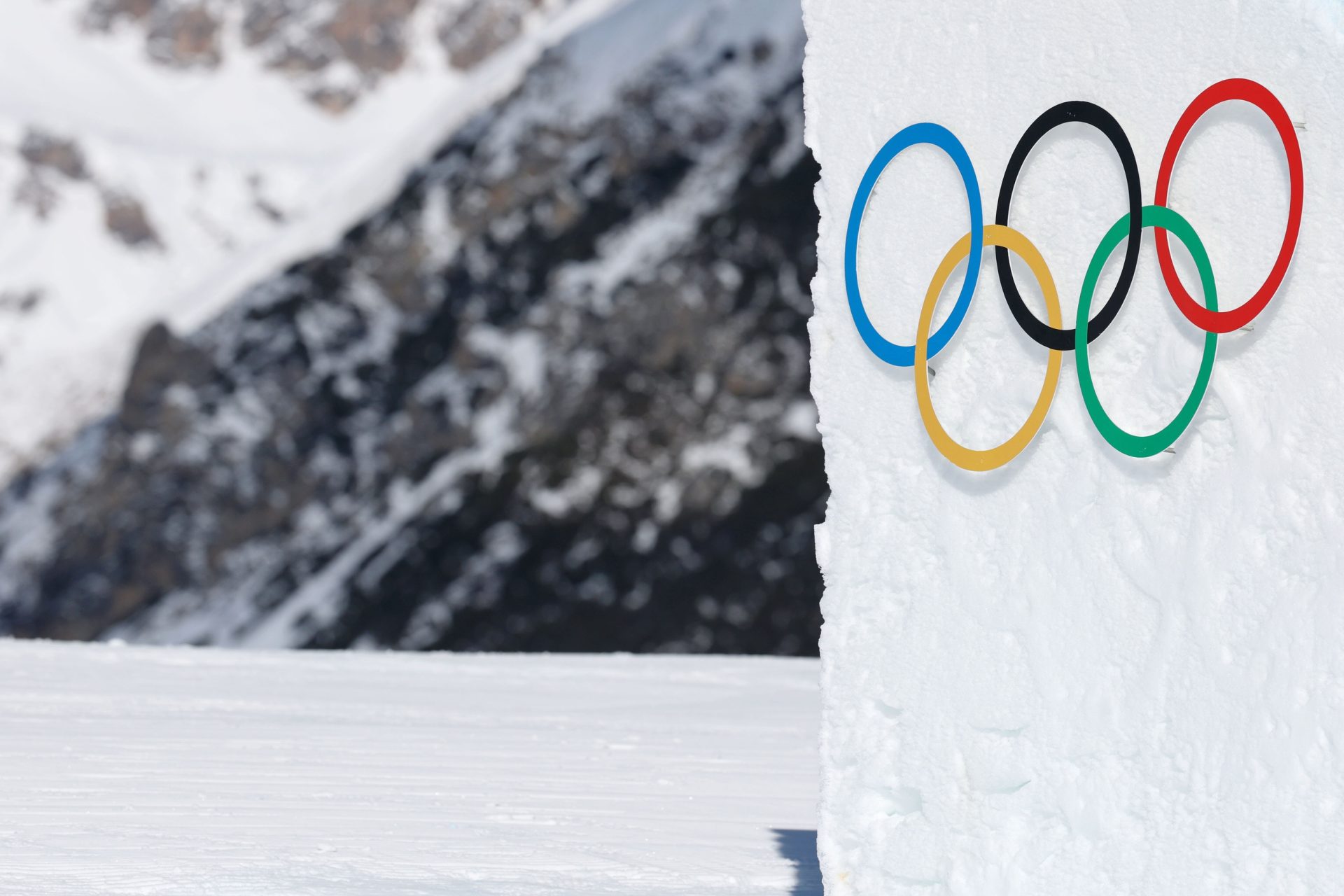
Feb 7, 2026; Livigno, Italy; A detail view of Olympic rings during slopestyle freestyle skiing qualification during the Milano Cortina 2026 Olympic Winter Games at Livigno Snow Park

Nathan Ray Seebeck-Imagn Images

The 2026 Milan Cortina Olympics have been full of moments of impressive athletic achievements, but they’ve also featured a number of scandals and a few surprises. 

  • Golden credit card fraud: French biathlete Julia Simon, who was convicted of credit card fraud, won gold medals in the women’s 15-km biathlon and mixed relay. Simon spent more than $2,300 on her teammate Justine Braisaz-Bouchet’s credit card, which earned her a $34,600 fine and a three-month suspended jail term. The biathlete previously faced accusations in 2021 of credit card fraud from the team physiotherapist. Simon initially denied the crime and claimed she was a victim of identity theft before confessing in court in October.
  • Cheating curlers: Both the men’s and women’s Canadian curling teams have been accused of double-touching the stone, a form of cheating. In the men’s match on Feb. 13, Team Sweden’s Oskar Eriksson got into a verbal disagreement with Canadian third Marc Kennedy; Eriksson said they had video proof of Canada wrongly delivering the rock. Despite Eriksson’s accusations, the Canadian team was not penalized and won the match 8–6. The women’s match on Feb. 14 was a different story, with Rachel Homan being called for a rules violation for touching the stone in Canada’s 8–7 loss to Switzerland.
  • Trying to win her back: On Feb. 10, Sturla Holm Lægreid won the bronze medal in the 20-km individual biathlon race, but he made headlines for a different reason. “Three months ago, I made my biggest mistake and cheated on her,” Lægreid said about his ex-girlfriend after winning bronze. He later described his former partner as “the gold medal in life” and said that not having her supporting him in Milan made it the worst week of his life. The Norwegian’s confession went extremely viral and drew the attention of his ex-girlfriend, who told VG he is “hard to forgive, even after a declaration of love in front of the whole world.”

That’s just a few of them. FOS’s Griffin Senyek rounded them up: Read the rest.

Events Video Games Shop
Written by Eric Fisher, Meredith Turits
Edited by Katie Krzaczek, Catherine Chen

If this email was forwarded to you, you can subscribe here.

Update your preferences / Unsubscribe

Copyright © 2026 Front Office Sports. All rights reserved.
460 Park Avenue South, 7th Floor, New York NY, 10016

Subscribe To Our Daily Newsletters

  • This field is for validation purposes and should be left unchanged.